
التعبئة والتغليف المخصص is not simply a container for a product—it is one of the most visible and repeatable expressions of a brand. From the moment a customer sees a retail box, receives an e-commerce mailer, or opens a premium rigid box, packaging communicates quality, personality, values, and attention to detail.
For growing brands, a consistent packaging identity can turn a one-time delivery into a memorable brand experience. For established companies, it helps ensure that every SKU, campaign, sales channel, and customer touchpoint feels recognizably connected. At Bonito Packaging, we see this daily: the strongest packaging systems balance visual consistency, product protection, manufacturing practicality, and an experience customers want to remember.
This guide explains how to build a consistent brand identity through custom packaging design, with actionable steps for retail, e-commerce, luxury, cosmetics, food, apparel, electronics, and subscription-box brands.
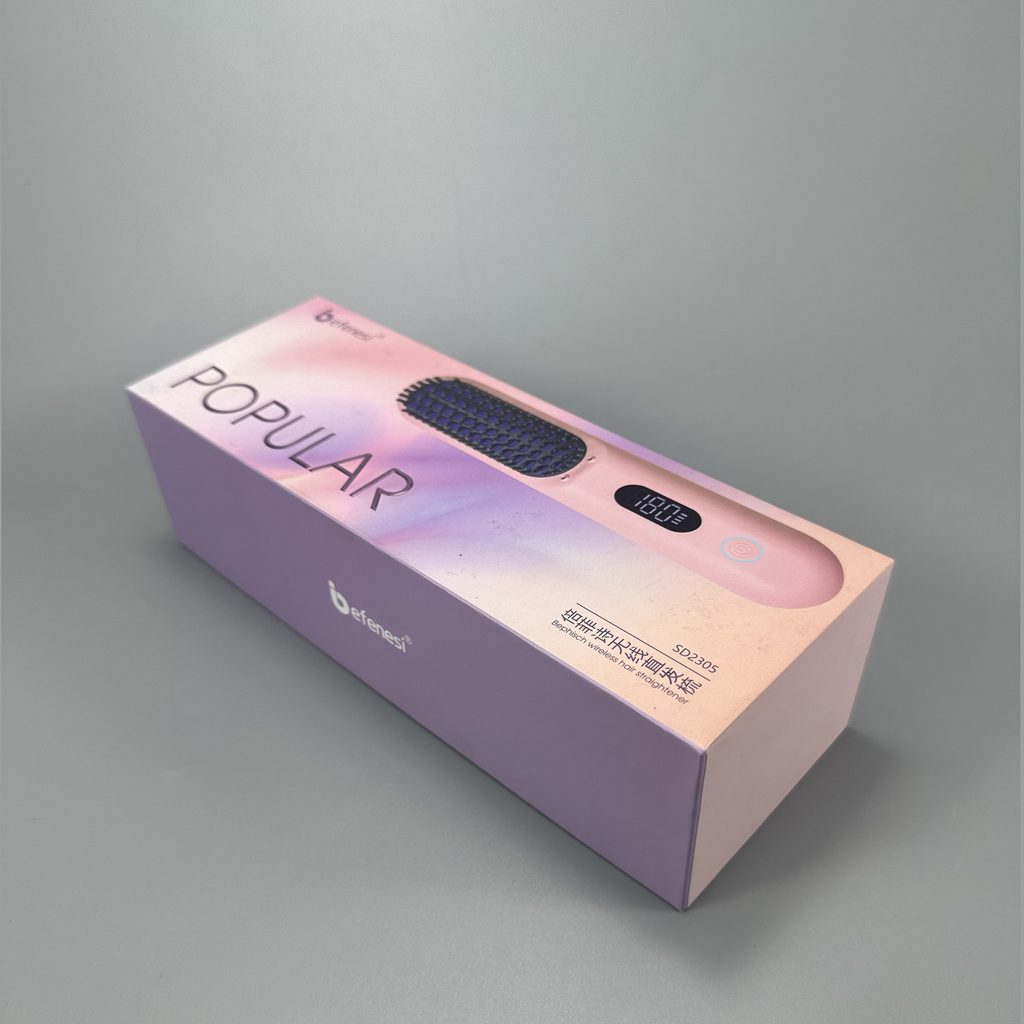
What Is Brand Identity in Packaging?
Brand identity is the collection of visual, verbal, and physical signals that help people recognize and remember a company. It includes much more than a logo.
In packaging, brand identity can include:
– Logo placement and logo variations
– Brand colors and approved color values
– Typography, font hierarchy, and text spacing
– Illustration style, photography, patterns, and icons
– Packaging structure and opening experience
– Materials, coatings, and tactile finishes
– Product messaging and tone of voice
– Sustainability claims and disposal instructions
– Inserts, tissue paper, stickers, thank-you cards, and shipping labels
A customer may first encounter your brand through a product listing, social-media post, retail shelf, or advertisement. But packaging is often the first physical interaction they have with your business. That makes it a high-value branding opportunity.
Effective packaging should answer three questions quickly:
1. Who made this product?
2. What does the product do or represent?
3. Why should the customer trust this brand?
When the answer is clear, packaging becomes a recognizable brand asset rather than a disposable operational cost.
Why Consistent Packaging Matters for Brand Growth
A consistent brand identity helps customers recognize a product faster, understand its positioning, and feel more confident about their purchase. This matters especially when brands sell through multiple channels, including Amazon, DTC websites, boutiques, department stores, distributors, and international retail markets.
Packaging has both practical and emotional responsibilities. It must protect the product, communicate essential details, and create a positive impression at the same time.
Recent packaging guidance for e-commerce brands emphasizes that packaging should protect products, provide information, support product presentation, and promote the brand. It also highlights the importance of customer experience, testing, and accurate proofs before production.
The business benefits of consistent packaging
| المزايا | How packaging contributes |
|---|---|
| Brand recognition | Repeated colors, typography, logos, and structural cues make products easier to identify |
| Perceived quality | Premium materials, clean printing, and thoughtful details influence how customers evaluate the product |
| Customer trust | Accurate information, stable quality, and clear messaging create confidence |
| Product differentiation | Distinctive box structures, graphics, and finishes help products stand out in crowded categories |
| Better e-commerce experience | Branded unboxing can strengthen post-purchase satisfaction, reviews, and social sharing |
| Easier product-line expansion | A clear design system makes it easier to launch new sizes, flavors, colors, or collections |
| Operational consistency | Approved specifications reduce artwork errors, color variation, and rework across future orders |
A strong packaging system does not mean every product looks identical. It means every product looks like it belongs to the same brand family.
For example, a skincare brand may use the same cream background, serif typeface, foil-stamped logo, and botanical illustration style across serums, moisturizers, and gift sets. Each product can have its own color accent or functional information, while the overall brand remains immediately recognizable.
The Three Layers of Packaging Brand Identity
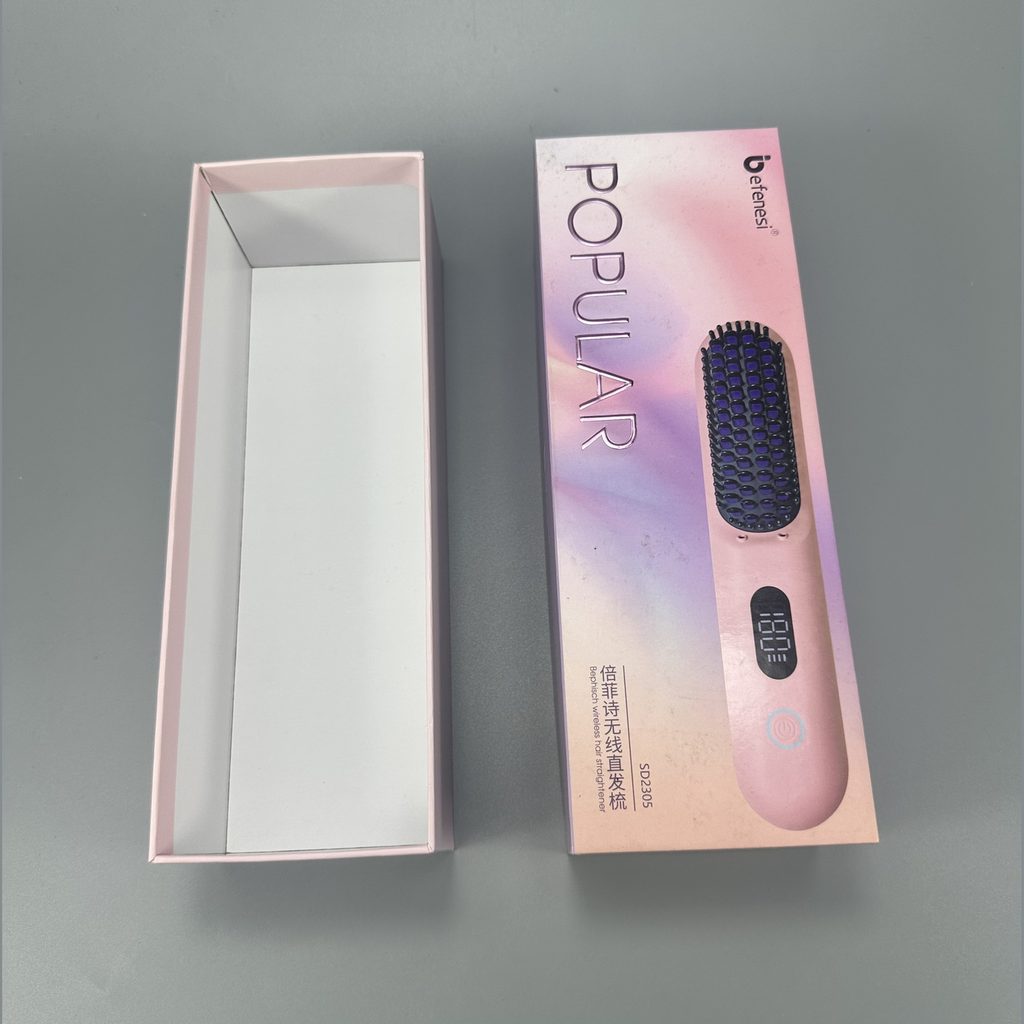
A practical custom packaging strategy should align three layers: structure, graphics, and material experience.
1. Structural Identity: The Shape Customers Remember
Packaging structure is the physical form of the package. It includes the box style, opening mechanism, inserts, dimensions, closures, and how the product is revealed.
Structural identity can be especially powerful for premium products because customers often remember how a box opened or how a product was presented inside it.
Examples include:
– Magnetic closure rigid boxes for luxury gifts
– Drawer boxes for jewelry, technology, or cosmetics
– Custom inserts that hold products in a deliberate position
– Folding cartons with distinctive die-cut windows
– Mailer boxes designed for a clean, shareable unboxing sequence
– Tube packaging for candles, cosmetics, apparel, or premium food products
The right structure should support the product and the brand message. A minimalist wellness brand may prefer a clean tuck-end carton with uncoated paper and restrained printing. A luxury fragrance brand may require a rigid setup box, velvet-touch lamination, foil stamping, and a custom insert.
Design principle: Use structure to reinforce your positioning—not merely to make the package look expensive.
2. Visual Identity: The Elements Customers See First
Visual identity includes the packaging elements that customers can recognize in seconds. These usually include color, typography, logo, layout, imagery, icons, and graphic patterns.
To create consistency, build a packaging design system with rules for:
– Primary and secondary brand colors
– CMYK, Pantone, RGB, and HEX color references
– Minimum logo size and protected clear space
– Approved logo versions for light and dark backgrounds
– Primary and secondary typefaces
– Headline, body-copy, and regulatory-information hierarchy
– Product-name placement
– Photography or illustration direction
– Icon style and line weight
– Use of negative space
– Barcode, QR code, and legal-information zones
A brand system should be flexible enough to support different packaging formats without losing its visual signature.
For example, the front panel of a small folding carton may have limited space, while a large mailer box offers more room for storytelling. The logo, typography, and color relationships should still feel connected—even when the amount of information changes.
3. Material Identity: The Experience Customers Feel
Packaging is not only visual. It is tactile.
The feel of a package can influence how customers perceive the product before they even use it. Paperboard thickness, texture, coating, embossing, foil, and insert material all contribute to perceived quality.
Common material and finishing choices include:
– SBS paperboard for clean, bright folding cartons
– Kraft paperboard for natural or eco-conscious brand positioning
– Rigid greyboard boxes for premium presentation
– Corrugated mailer boxes for e-commerce shipping protection
– Soft-touch lamination for a velvety premium finish
– Matte lamination for refined, low-glare presentation
– Gloss lamination for brightness and color intensity
– Spot UV for contrast and logo emphasis
– Foil stamping for luxury, celebration, or giftable products
– Embossing and debossing for tactile logo details
– Custom paper inserts for product protection and presentation
The material should match both the customer expectation and the actual distribution environment. A visually stunning box that crushes in transit, scuffs easily, or fails to protect the product will damage the customer experience.
Start With a Packaging Brand Brief
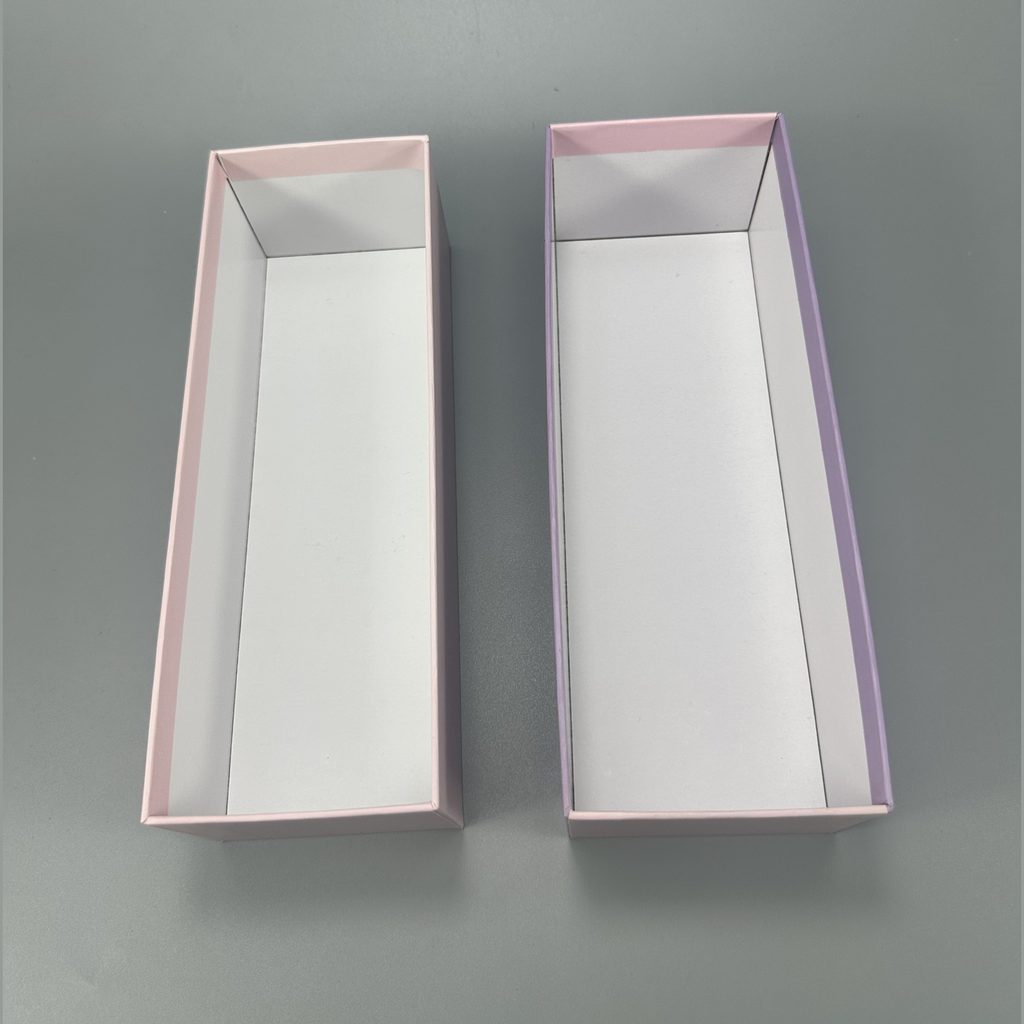
Before designing a custom box, create a packaging brand brief. This document gives designers, marketing teams, procurement teams, and manufacturers a shared reference point.
A useful brief should include the following.
Brand foundation
– Brand mission and core values
– Target customer profile
– Product category and price position
– Competitive landscape
– Desired customer emotions
– Key brand differentiators
– Tone of voice and product messaging priorities
Packaging requirements
– Product dimensions and weight
– Required protection level
– Retail, e-commerce, or hybrid distribution model
– Required box style and opening experience
– Quantity, budget, and launch timeline
– Material preferences
– Sustainability goals
– Required finishes
– Shipping and warehousing requirements
– Regulatory, warning, ingredient, or labeling requirements
Visual direction
– Brand guidelines or logo files
– Color references
– Font files or typography specifications
– Design inspiration
– Competitor examples to avoid
– Product photography or illustration preferences
– Approved claims and prohibited language
Expert tip: Do not begin with decoration alone. Start with the product, customer, channel, and supply-chain requirements. The best custom packaging combines branding with manufacturability.
Create a Packaging Style Guide That Suppliers Can Use
A general brand guide is helpful, but it is often not detailed enough for print production. Brands need a packaging-specific style guide that translates creative intentions into repeatable manufacturing specifications.
Your packaging style guide should include:
| Category | What to define |
|---|---|
| Brand colors | Pantone, CMYK, RGB, and HEX references; acceptable color tolerance |
| Logo usage | Positioning, minimum size, clear space, approved background colors |
| الطباعة | Font names, point sizes, hierarchy, tracking, leading, capitalization |
| Artwork zones | Front panel, side panels, bottom panel, interior print, closure areas |
| التشطيبات | Lamination, foil, embossing, spot UV, varnish, texture requirements |
| Image standards | Resolution, color profile, retouching style, cropping rules |
| Product variations | A system for sizes, scents, flavors, shades, and seasonal editions |
| الامتثال | Barcode size, country-of-origin text, warnings, ingredients, recycling marks |
| Proofing | Required digital proof, physical proof, sample approval, version control |
This document becomes essential when products are manufactured in different batches, sold across regions, or expanded into new categories.
Design for Recognition, Not Repetition
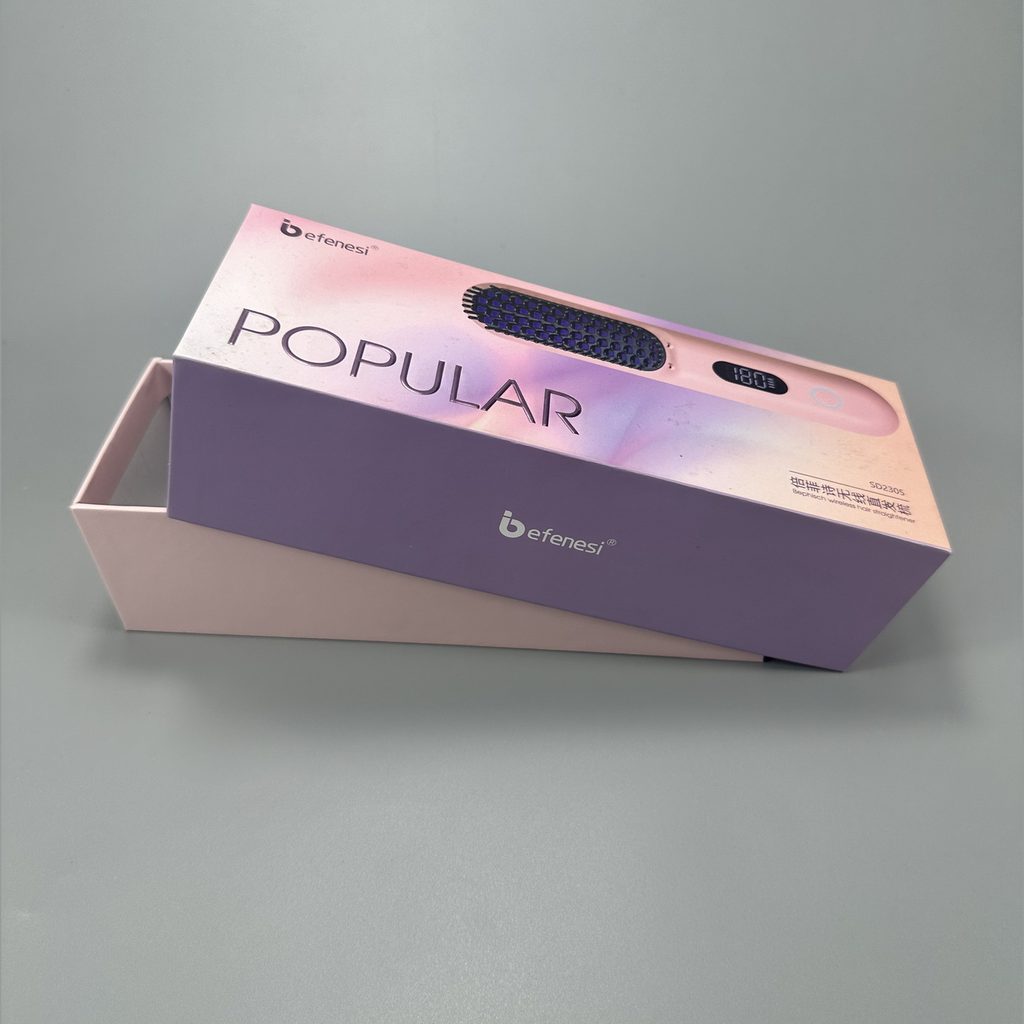
One common mistake is assuming consistency means copying the same design onto every box. That approach can make a product line look monotonous and makes it harder for customers to distinguish products.
A stronger strategy is to define brand constants و product variables.
Brand constants
These elements should remain stable across the packaging range:
– Logo style
– Core typography
– Brand color relationships
– Illustration or photography style
– Tone of voice
– Graphic grid or layout logic
– Material and finishing standards
Product variables
These elements can change to distinguish individual products:
– Product color
– Flavor, scent, shade, or collection name
– Product image or illustration
– Size and quantity information
– Functional benefits
– Seasonal campaign elements
– Limited-edition artwork
For example, a tea brand can maintain its logo, typeface, box structure, and botanical drawing style across every SKU. Different tea varieties can use different color bands and product names, allowing customers to identify both the master brand and the individual flavor quickly.
Match Packaging to the Customer Journey
A packaging design should work at every point where customers encounter it. That includes a product thumbnail, retail shelf, shipping warehouse, unboxing video, kitchen counter, bathroom shelf, and recycling bin.
Retail shelf requirements
Retail packaging must be recognizable from a distance and understandable at a glance.
Prioritize:
– Clear brand name
– High-contrast logo
– Easy-to-read product name
– Strong visual hierarchy
– Visible product benefit
– Differentiation from competitors
– Shelf-ready dimensions and structural stability
E-commerce requirements
E-commerce packaging must survive handling while still delivering an appealing reveal.
Prioritize:
– Product protection
– Efficient dimensional weight
– Damage-resistant materials
– Branded mailers or shipping boxes
– Interior print or messaging
– Easy opening
– Return-friendly design where necessary
– QR codes for product education, reordering, or loyalty programs
Social-sharing requirements
Customers frequently photograph and film products. Your packaging should look good in ordinary indoor lighting, not only in a professionally styled photoshoot.
Test the package by:
1. Viewing it from two to three feet away.
2. Taking photos on a phone in natural and indoor light.
3. Checking whether the logo remains visible when the product is held.
4. Reviewing readability at thumbnail size.
5. Confirming that reflective finishes do not obscure key information.
Packaging guidance for e-commerce brands recommends keeping logos readable, using strong contrast, avoiding overly fine details, and testing how packaging appears in photographs and videos.
Avoid the Most Common Consistency Problems
Even strong brands can lose consistency when packaging development is rushed or managed across separate teams.
Problem: Too many colors, finishes, and messages
Solution: Establish a visual hierarchy. Give the front panel one primary message, one product identifier, and one clear brand signal. Use the side or back panels for supporting details.
Problem: Different suppliers produce different color results
Solution: Provide Pantone references where appropriate, approve physical samples, define acceptable tolerances, and use an approved master sample for future production comparisons.
Problem: Packaging looks premium but fails in transit
Solution: Test the complete system, including the product, insert, outer carton, and shipping method. Protection is part of brand trust.
Problem: Online branding does not match printed packaging
Solution: Audit website, social media, advertising, product photography, and packaging together. The colors, messaging, imagery, and tone should feel like one brand experience.
Problem: Trend-driven redesign damages recognition
Solution: Refresh selectively. Update photography, seasonal graphics, or specific finishes without abandoning the visual assets customers already associate with the brand.
A Practical Packaging Consistency Checklist
Before approving production, review the following checklist.
– Does the box clearly display the brand name?
– Is the product name easy to identify within three seconds?
– Do the colors match approved brand references?
– Is the logo positioned consistently across SKUs?
– Does the typography match the packaging style guide?
– Are images sharp, relevant, and consistent with the brand tone?
– Is the packaging durable enough for its sales channel?
– Does the unboxing experience reflect the price position?
– Are legal and regulatory details accurate?
– Has the packaging been reviewed in physical form, not only on screen?
– Is the box easy to photograph, share, store, and recycle?
– Does the final package feel like the same brand customers see online?
Why Physical Proofing Is Essential
A digital mockup cannot show every production reality. On-screen colors vary by device, and a flat artwork file cannot fully represent paper texture, folding accuracy, embossing depth, foil reflectivity, or how a package feels in the hand.
Before committing to full production, request and evaluate:
– Digital artwork proof
– Dieline confirmation
– Material sample
– Printed color proof
– White sample or structural prototype
– Finished production sample, when possible
– Product-fit test
– Shipping or drop-test review for e-commerce packaging
Physical proofing can prevent costly errors such as incorrect dimensions, unreadable text, inaccurate colors, weak closures, or insufficient product protection.
Work With a Custom Packaging Manufacturer Early
The most successful packaging projects involve the manufacturer early in the process. A qualified custom packaging partner can advise on structural engineering, material selection, print methods, finishing feasibility, cost optimization, and production requirements before the artwork is finalized.
At Bonito Packaging, the goal is not simply to print a box. It is to help brands create packaging that is consistent, manufacturable, protective, and aligned with their market position.
Whether you need custom folding cartons, rigid boxes, corrugated mailers, product inserts, magnetic closure boxes, or premium paper packaging, early collaboration can help you avoid unnecessary complexity and make better decisions before production begins.
Build a Brand Customers Can Recognize
Consistent custom packaging transforms ordinary product delivery into a recognizable brand experience. The strongest packaging systems do not rely on one logo or one color. They combine structure, graphics, materials, product information, and customer experience into a single, repeatable identity.
Start with a clear brand brief. Define your packaging design system. Keep core brand elements stable while allowing product-level variation. Test every package in the real world. Then work with an experienced packaging manufacturer to turn your concept into a reliable, scalable packaging solution.
Ready to build packaging that looks unmistakably like your brand? Contact Bonito Packaging to discuss your custom packaging project, request a quotation, or explore the best box structure, material, and finishing options for your product.
الأسئلة الشائعة
1. What is custom branded packaging?
Custom branded packaging is packaging designed specifically around a company’s product, brand identity, and customer experience. It may include custom box dimensions, printed logos, brand colors, unique structures, inserts, finishes, and messaging.
2. How does packaging strengthen brand identity?
Packaging strengthens brand identity by repeatedly presenting recognizable visual and physical cues, including logos, colors, typography, materials, shapes, and brand messaging. Consistency helps customers connect different products and touchpoints to the same company.
3. What should be included in a packaging style guide?
A packaging style guide should include color references, logo rules, typography, graphic layout standards, artwork zones, product-variation rules, print finishes, material specifications, compliance requirements, and proofing procedures.
4. Should every product package have the same design?
No. Packaging should share recognizable brand elements, but each SKU should remain easy to identify. Brands can keep the same logo, typography, layout system, and material direction while varying colors, product names, illustrations, or product-specific benefits.
5. Which custom packaging type is best for luxury products?
Luxury products often use rigid setup boxes, magnetic closure boxes, drawer boxes, premium paper wraps, and custom inserts. Suitable finishes can include soft-touch lamination, foil stamping, embossing, debossing, spot UV, and textured specialty paper.
6. Why should I request a packaging sample before bulk production?
A sample lets you inspect box dimensions, print quality, color accuracy, folding, material thickness, product fit, and overall customer experience. It reduces the risk of expensive production mistakes and ensures the packaging works in real conditions.
References
1. PakFactory. “[How to Build a Consistent Brand Identity Through Packaging].” Discusses the role of packaging in consistent branding, including brand elements, style guides, packaging consistency, and customer recognition. [pakfactory]
2. Shopify. “[Food Packaging Design: 6 Steps for Small Businesses].” Covers packaging design fundamentals, product protection, customer communication, proofing, logistics, and compliance considerations. [shopify]
3. Shopify. “[Brand Packaging: 8 Real-World Examples].” Explains how brand packaging combines visual design, materials, protection, and the unboxing experience. [shopify]
4. Shopify. “[Product Packaging: Essential Tips].” Provides guidance on branded e-commerce packaging, protection, customer experience, and post-purchase engagement. [shopify]
5. Shopify. “[Product Packaging Design: Guide for Ecommerce].” Covers packaging structure, graphics, materials, product testing, readability, photography, and e-commerce brand presentation. [shopify]
6. Shopify. “[Customer Experience Branding: How To Improve Brand CX].” Explains how businesses can align visual identity, messaging, customer service, and post-purchase interactions into a unified experience. [shopify]
7. Shopify. “[Building an Ecommerce Brand in 9 Steps].” Discusses brand strategy, customer research, design identity, and consistent application across marketing and sales channels. [shopify]
Hot Tags: Brand Identity Packaging, Manufacturers, Customized, Custom, Suppliers, Buy, Cheap, Quality, Advanced, Durable, in Stock, Made in China, Price, Quotation, Free Sample
 English
  Spanish
  French
  German
  Russian
  Japanese
  Portuguese
  Arabic