
التعبئة والتغليف المخصص improves supply chain management when it protects products, fits distribution requirements, and simplifies fulfillment. For premium brands, the challenge is achieving those results without losing the presentation customers expect.
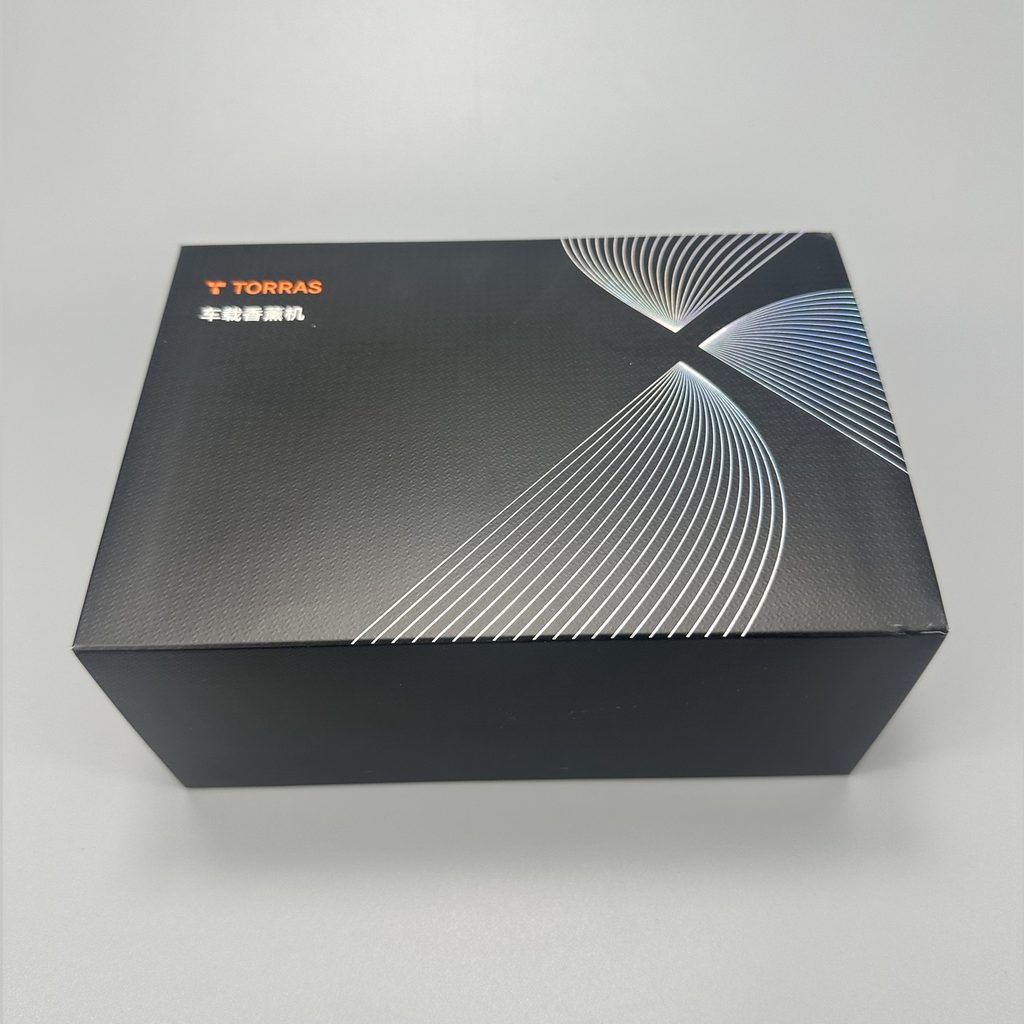
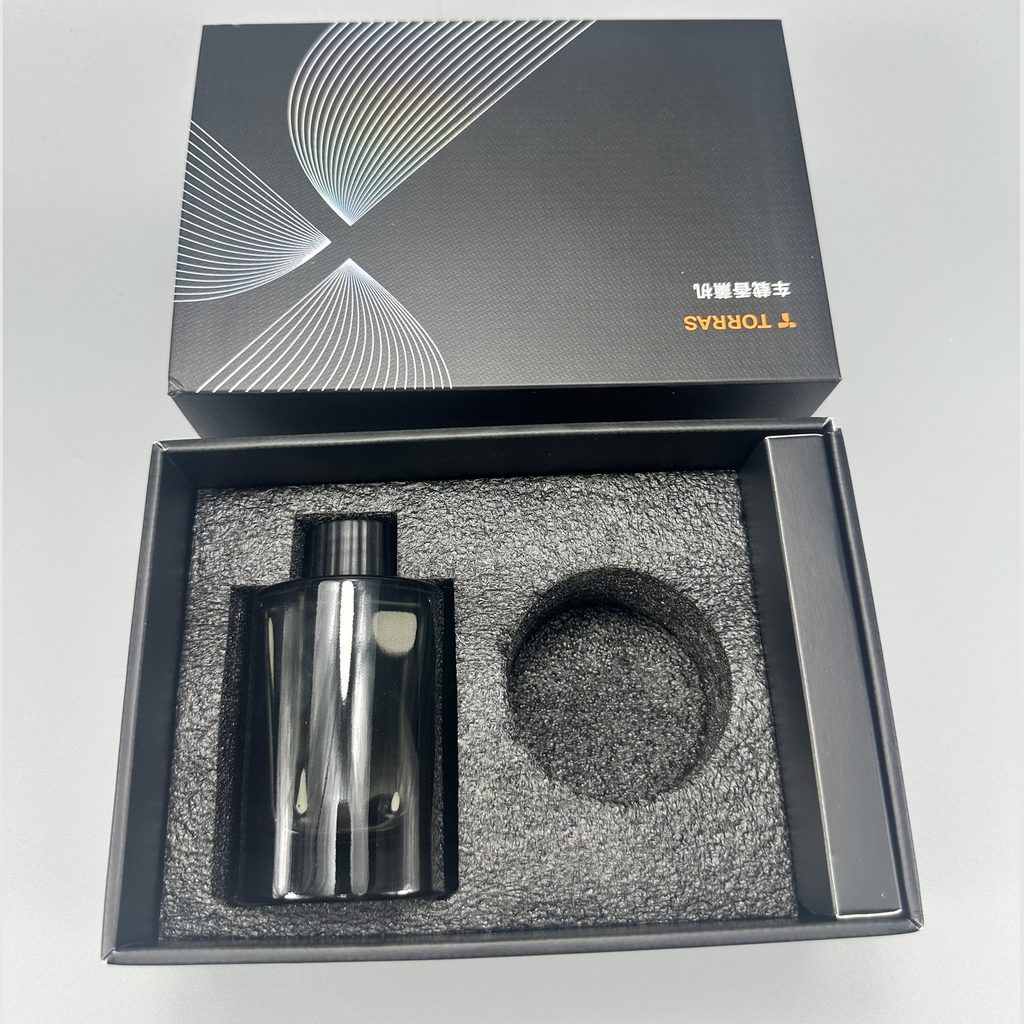
في عبوات بونيتو, we approach this challenge from a paper packaging manufacturer’s perspective: evaluate the complete packaging system, not just the printed box. A beautiful rigid box, fitted insert, and shipping carton must work together.
The most useful question is not “Which box costs less?” It is “Which packaging delivers the lowest total cost per successfully delivered order?”
1. Reduce Product Damage with a Tested Packaging System
Product protection starts with understanding failure points. A cosmetic bottle may survive impact but suffer surface scratches. A premium gift box may arrive intact while its corners look crushed.
Separate your acceptance criteria into product functionality, cosmetic condition, and presentation quality.
Then evaluate:
– Product movement inside the insert.
– Clearance between the presentation box and shipping carton.
– Compression during storage and transport.
– Vibration, drops, and relevant environmental exposure.
For parcel shipments weighing 150 pounds or less, ISTA Procedure 3A provides a general simulation framework. Ask a qualified laboratory whether it matches your distribution route. Testing supports risk assessment; it does not guarantee damage-free delivery.
2. Lower Dimensional Weight Through Right-Sized Custom Packaging
Lightweight products can still be expensive to ship when their packaging occupies unnecessary space. Dimensional weight connects package volume with billable weight.
For a U.S. UPS Daily Rates illustration, divide external package volume in cubic inches by 139, then round the result up to a whole pound. Compare that figure with actual weight; the higher determines billable weight.
| External shipping dimensions | الحجم | Rounded dimensional weight |
|---|---|---|
| 14 × 10 × 6 inches | 840 cubic inches | 7 pounds |
| 12 × 9 × 5 inches | 540 cubic inches | 4 pounds |
The redesign reduces volume by approximately 36%, but it does not automatically reduce freight charges by 36%. Actual weight, service, destination, surcharges, and account terms still matter.
Use finished external carton dimensions—not the internal dimensions of your luxury box—and verify current carrier rules before approving production.
3. Improve Warehouse Storage and Packing Efficiency
Packaging decisions affect receiving, shelving, assembly, and dispatch. Evaluate both empty packaging storage and finished-order storage.
A folding carton may occupy less inbound storage space than an assembled rigid box, but assembly labor can offset part of that advantage. Compare the complete workflow rather than treating flat delivery as an automatic saving.
Time a representative packing trial. Include:
1. Retrieving the box and insert.
2. Assembling components.
3. Positioning the product.
4. Closing and labeling the package.
5. Placing it into its transport carton.
Record errors and rework alongside packing time. A slightly more expensive structure may be preferable if operators pack it consistently and damage rates remain acceptable.

4. Standardize Components Without Making Every Box Identical
Custom packaging does not require an entirely different structure for every product.
Consider a family of shared footprints with interchangeable inserts, sleeves, or printed labels. This approach can preserve brand differentiation while limiting the number of components purchasing and warehouse teams manage.
However, standardization has limits. An oversized universal box may increase freight costs or require excessive cushioning. Group products by dimensions, fragility, weight, and presentation requirements before choosing shared structures.
For seasonal ranges, evaluate late-stage customization: hold common components and add approved campaign-specific elements closer to dispatch. This can reduce exposure to obsolete printed inventory, provided the final assembly process remains reliable.
5. Strengthen Traceability with Clear Packaging Specifications
A printed code only supports supply chain visibility when it connects to accurate operational records.
Define what each identifier represents: product, packaging component, production batch, or shipping unit. Agree on label placement and verify scanning after packing, not only on a flat artwork proof.
Your approved specification should identify:
– Internal and external dimensions, with tolerances.
– Board construction and insert design.
– Artwork revision and barcode location.
– Master-carton quantity and packing orientation.
– Inspection criteria and approved sample reference.
Keep revisions controlled. If artwork changes but the purchasing specification does not, teams can receive packaging that looks correct yet belongs to the wrong version.
6. Make Sustainable Paper Packaging Decisions Specific
Paper-based packaging should not be described as environmentally preferable simply because it contains paper.
Evaluate material quantity, protective performance, coatings, adhesives, decorative elements, and the disposal systems available in the destination market. Request supporting evidence before publishing environmental claims.
A practical design review asks:
– Can unnecessary layers be removed without increasing damage?
– Can customers separate different materials easily?
– Is the decorative finish necessary for the intended experience?
– Are disposal instructions appropriate for the target market?
For luxury packaging, selective decoration may be a better starting point than adding finishes to every surface. Validate material changes against protection and appearance requirements before switching a live product line.
7. Improve Procurement Resilience Before Reordering
Reliable replenishment requires more than an attractive unit price.
Confirm production lead time, material availability, order quantities, tooling ownership, and approval responsibilities. Ask which specifications must remain fixed and which alternatives could be evaluated during a disruption.
Do not substitute board, inserts, or closures solely because an alternative looks similar. Changes can affect fit, appearance, and protective performance.
Maintain an approved reference sample and document any substitution before production. For critical launches, include sampling, testing, artwork approval, and transport in the schedule—not just manufacturing time.

How to Measure Packaging Value Before a Full Rollout
Compare designs using total delivered cost: packaging materials, packing labor, freight, storage, and damage-related costs, calculated on a consistent basis.
| متري | What to record |
|---|---|
| Damage rate | Damaged deliveries divided by delivered orders |
| Packing time | Average seconds per completed order |
| Freight cost | Actual invoiced cost per shipment |
| Storage demand | Space occupied at comparable stock levels |
| Packaging obsolescence | Value discarded after product or artwork changes |
Pilot the redesign on comparable products and routes. Avoid crediting packaging for improvements caused by a different carrier or less fragile product mix.
Plan Your Next Custom Packaging Project with Bonito Packaging
Bring Bonito Packaging your product dimensions, weight, order volume, shipping destinations, and current packaging challenges. Request a custom paper packaging quotation based on your protection, presentation, and fulfillment requirements.
Share a physical product sample where possible, and agree on sample approval and validation before committing to the full production run.
الأسئلة الشائعة
1. How does custom packaging improve supply chain management?
It can improve protection, space utilization, packing consistency, and component planning when designed around actual distribution requirements.
2. Are rigid boxes suitable for direct parcel shipping?
Not automatically. Evaluate the rigid box, insert, and any protective outer carton as one complete shipping system.
3. Does a smaller box always cost less to ship?
No. Savings depend on actual weight, dimensional weight, service rules, surcharges, and the applicable rate agreement.
4. Which packaging test should a premium brand request?
Choose a protocol that reflects the shipping environment. ISTA 3A addresses eligible parcel shipments; pallet and other distribution systems require different evaluations.
5. What should buyers provide when requesting a packaging quote?
Provide product dimensions, weight, quantities, artwork needs, destinations, packing methods, and measurable protection and appearance criteria.
References
1. [Packwire — “7 Ways Packaging Impacts Supply Chain Management”], May 17, 2024. Original article used for topic analysis and the foundational discussion of protection, inventory, transport, traceability, sustainability, and late-stage customization. Its wording and unsupported performance claims have not been reproduced. [packwire]
2. [UPS — “U.S. 48, Alaska & Hawaii Daily Rates,” 2026 Rate and Service Guide]. Source for the dimensional-weight divisor of 139, rounding dimensional weight upward, and comparing actual with dimensional weight. The two box sizes are illustrative calculations, not customer results. [assets.ups]
3. [International Safe Transit Association — “Procedure 3A: Packaged-Products for Parcel Delivery System Shipment, 70 kg (150 lb) or Less”]. Source for the scope and general-simulation purpose of Procedure 3A and the distinction between testing and carrier regulatory compliance. [ista]
4. [International Safe Transit Association — “Test Procedures”]. Source for the role of general-simulation testing in evaluating transport hazards and the need to select a procedure appropriate to the intended outcome. [ista]
5. [International Safe Transit Association — “Getting Started with Design & Testing”]. Source for distribution-specific test selection, including the distinction between parcel, less-than-truckload, and palletized distribution. [ista]
 English
 Spanish
 French
 German
 Russian
 Japanese
 Portuguese
 Arabic