
Designing an e-commerce packaging box is not simply about choosing a corrugated carton that looks good. It is about engineering a complete protective system that keeps a product safe through drops, vibration, compression, humidity, fulfillment handling, and last-mile delivery—while still creating a positive unboxing experience.
For direct-to-consumer brands, transit damage can lead to costly replacements, negative reviews, chargebacks, and lost customer trust. A well-designed corrugated box for e-commerce shipping must balance product protection, material efficiency, branding, packing speed, recyclability, and shipping cost. At ボニート・パッケージング, we approach custom paper packaging as a performance-driven solution: the outer box, internal protection, printing, and structural design must work together as one system.
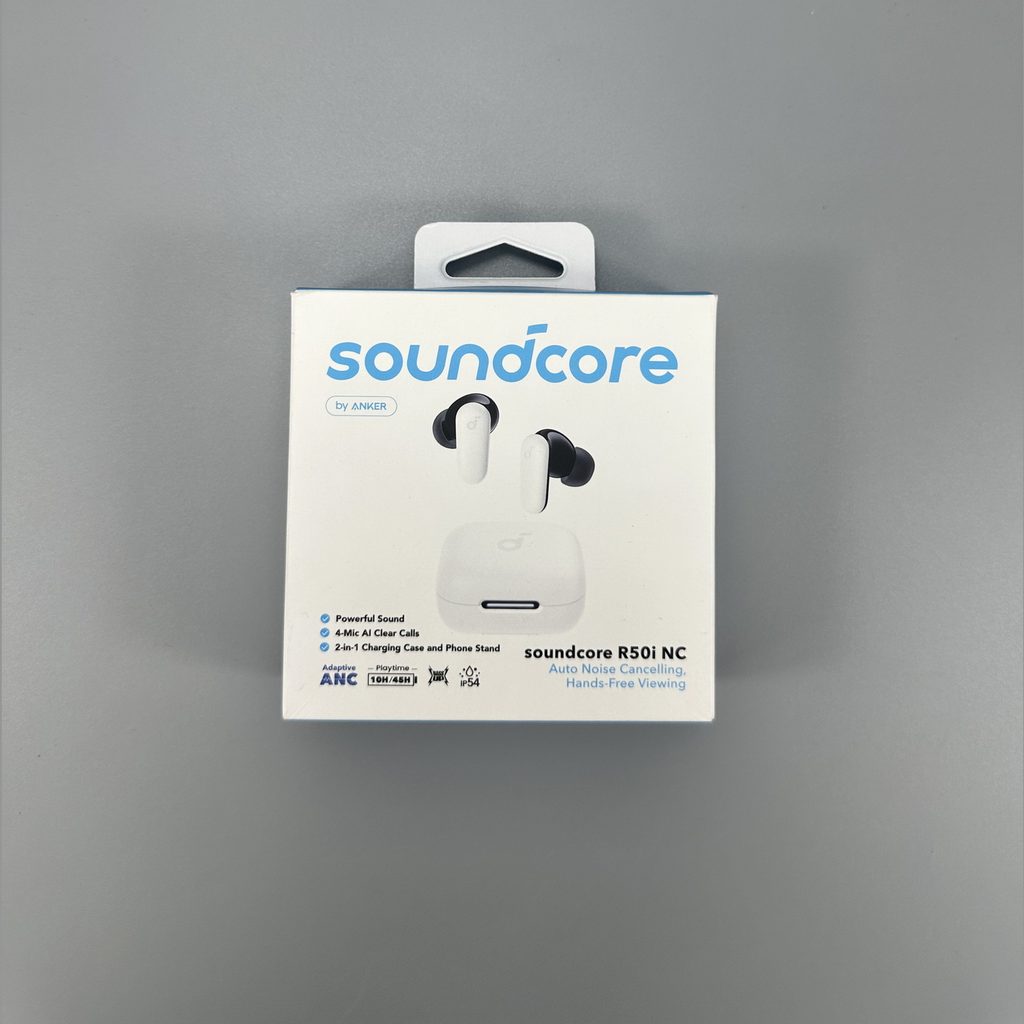
What Causes Transit Damage in E-commerce Packaging?
An e-commerce parcel can pass through multiple handling points before it reaches the customer. Unlike palletized B2B freight, individual parcels are frequently sorted, dropped, stacked, conveyed, and exposed to changing environmental conditions.
Common transit hazards include:
– Drops and impacts during manual handling or conveyor transfers
– Vibration inside trucks, vans, and sorting equipment
– Top-load compression from stacked parcels
– Puncture risks from sharp corners or nearby packages
– Moisture and humidity that can reduce corrugated board strength
– Poor fit, allowing products to shift inside the shipping carton
– Insufficient internal cushioning for fragile products
ISTA’s e-commerce testing frameworks evaluate common distribution hazards such as shock, vibration, compression, temperature, and humidity. This makes transit testing an important final step—not an optional afterthought—for brands shipping directly to consumers.
> Expert insight: Most damage does not happen because a box is “too weak.” It happens because the box, product, void fill, and shipping environment were not designed as a single protective system.
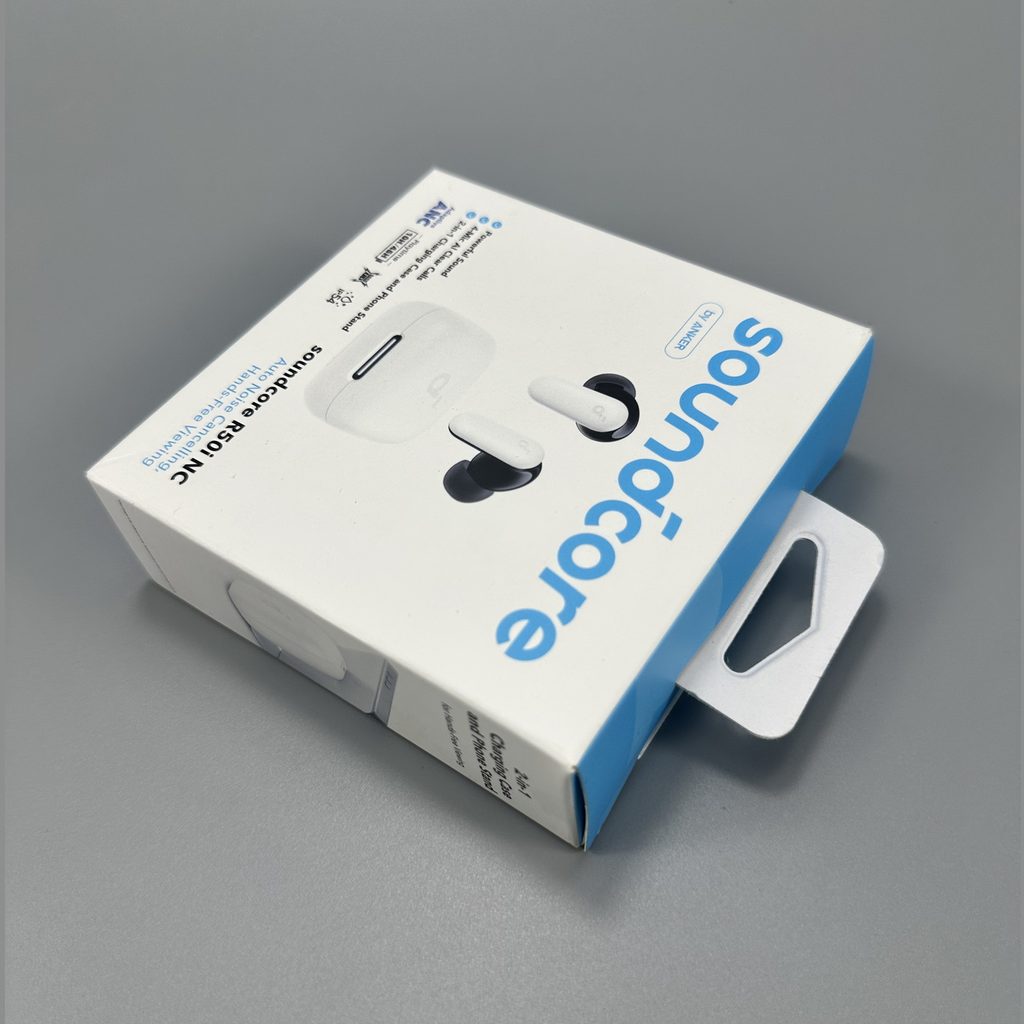
Corrugated Box Strength vs. Box Design
A stronger corrugated box is not automatically a safer e-commerce packaging box. Protection depends on the relationship between board grade, box dimensions, product weight, internal movement, stacking conditions, and distribution channel.
| Packaging Element | 主な目的 | Risk if Poorly Designed |
|---|---|---|
| Corrugated board | Provides structural strength and stacking resistance | Crushed or punctured carton |
| Box size | Controls movement and dimensional shipping cost | Product shifting and higher freight charges |
| Internal inserts | Immobilize and cushion the product | Breakage from impact or vibration |
| Closure system | Keeps the carton sealed during transport | Opened carton or product loss |
| Exterior printing | Supports handling, brand recognition, and customer experience | Misuse of warnings or weak brand presentation |
| Moisture resistance | Helps preserve box integrity in humid conditions | Softened, weakened corrugated board |
For example, a lightweight skincare bottle may survive in a single-wall corrugated mailer with a custom paper insert. A glass bottle set, electronics unit, ceramic item, or premium gift product may require a double-wall corrugated shipping carton, die-cut partitions, molded pulp supports, or multi-layer paper cushioning.
The correct solution is not “use the thickest cardboard.” The correct solution is to create the lowest-material packaging system that passes realistic transit conditions.
Start with Product Risk Assessment
Before designing a custom e-commerce box, assess the product itself. This step determines the board grade, carton style, cushioning system, and testing plan.
Evaluate the Product’s Physical Characteristics
A packaging engineer should collect the following data:
– Product length, width, and height
– Product weight
– Fragility level
– Center of gravity
– Surface sensitivity
– Sharp or protruding components
– Moisture sensitivity
– Retail presentation requirements
– Whether the product ships alone or in multipacks
– Expected delivery channel, including parcel, courier, marketplace, or freight
A product with an uneven center of gravity can rotate inside a carton. A product with sharp metal edges may puncture an unreinforced box. A product with a glossy painted surface may be protected from breakage but still arrive damaged because of scuffing.
Protection is not only about preventing breakage. It also includes preventing scratches, deformation, leakage, product exposure, and an unprofessional unboxing experience.
Use a Simple Risk Matrix
| 製品タイプ | Typical Transit Risk | Recommended E-commerce Packaging Approach |
|---|---|---|
| Apparel and soft goods | 低い | Corrugated mailer or lightweight shipping box |
| Cosmetics and bottles | ミディアム | Corrugated box with die-cut insert or paper cushioning |
| Glassware and ceramics | 高い | Double-wall box, partition, molded pulp, protective wrap |
| エレクトロニクス | 高い | Custom insert, rigid product positioning, shock protection |
| Heavy tools or metal parts | 高い | Reinforced corrugated carton, edge protection, strong closure |
| Food gift sets | 中~高 | Custom divider, moisture-conscious board selection, premium print |
Choose the Right Corrugated Board
Corrugated fiberboard is widely used in e-commerce packaging because it combines strength, printability, low weight, customization flexibility, and recyclability. In the United States, EPA data reported a 96.5 percent recycling rate for corrugated boxes in 2018, demonstrating the material’s established recovery infrastructure.
However, not all corrugated board performs the same way.
Understand Flute Profiles
The fluted medium between corrugated liners creates cushioning and compression resistance. Different flute profiles support different packaging objectives.
| Flute Type | Typical Benefit | 一般的な使用 |
|---|---|---|
| E-flute | Thin profile and strong print surface | Retail mailers, cosmetics, small consumer goods |
| B-flute | Good puncture resistance | Cans, bottles, heavier products |
| C-flute | Balanced strength and cushioning | General shipping cartons |
| BC double-wall | High stacking and impact protection | Heavy, fragile, or high-value goods |
| EB double-wall | Strong protection with a refined print surface | Premium e-commerce packaging |
A premium custom printed corrugated box may use E-flute for visual quality. But if the product is fragile, heavy, or shipped internationally, a thicker flute or double-wall combination may be required.
Do not select board grade based only on appearance. Select it according to product weight, shipping distance, stacking exposure, and measured test performance.
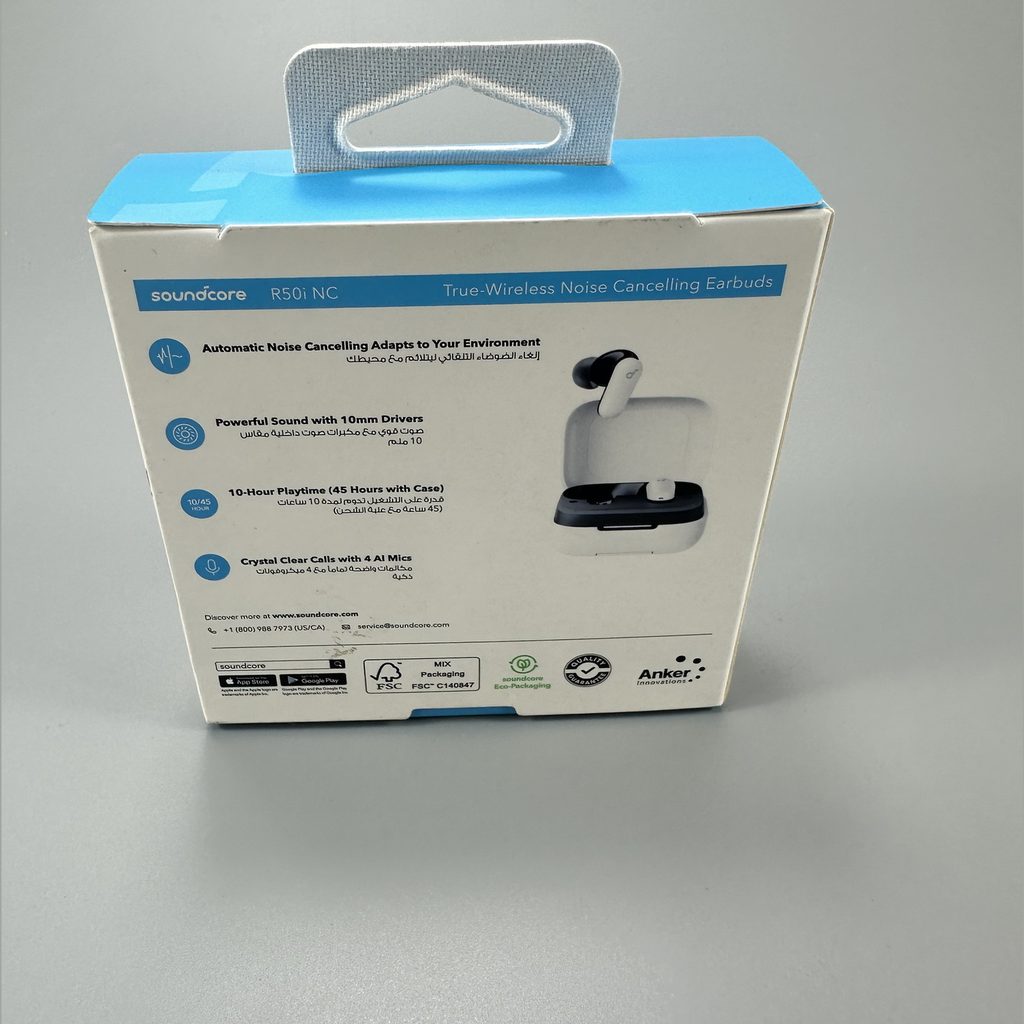
Design the Box Around the Product
A large shipping box with loose void fill can look protective, but excess empty space often increases damage risk. The product gains momentum when the carton is dropped or shaken, creating more impact energy at the point of contact.
A better approach is to design the box around the product.
Follow the “Right Fit” Principle
Your corrugated shipping box should:
1. Hold the product securely without excessive pressure.
2. Leave controlled space for protective cushioning.
3. Prevent lateral, vertical, and rotational movement.
4. Keep fragile components away from carton walls.
5. Minimize dimensional weight and unnecessary materials.
For fragile products, internal clearance should be intentional. The product should not touch the outer carton directly. Instead, the packaging system should create a buffer zone using inserts, paper cushioning, corrugated partitions, or molded fiber components.
Compare Common Internal Protection Options
| Protection Method | 最適 | メリット | 制限事項 |
|---|---|---|---|
| Crumpled kraft paper | Light to medium-risk products | Recyclable, flexible, low cost | Can shift if poorly packed |
| Corrugated insert | Premium products and multipacks | Custom fit, branded, recyclable | Requires structural design |
| Die-cut divider | Bottles, jars, gift sets | Separates products effectively | May not provide enough cushioning alone |
| Molded pulp tray | Fragile and sustainability-focused products | Secure fit, paper-based | Tooling cost may apply |
| Honeycomb paper wrap | Glass, cosmetics, premium goods | Protective and visually appealing | Requires proper wrapping process |
| Foam insert | High-shock products | Strong shock absorption | May conflict with plastic-reduction goals |
For most brands pursuing recyclable e-commerce packaging, corrugated inserts, molded pulp, kraft paper, and honeycomb paper offer an effective paper-based protection strategy.
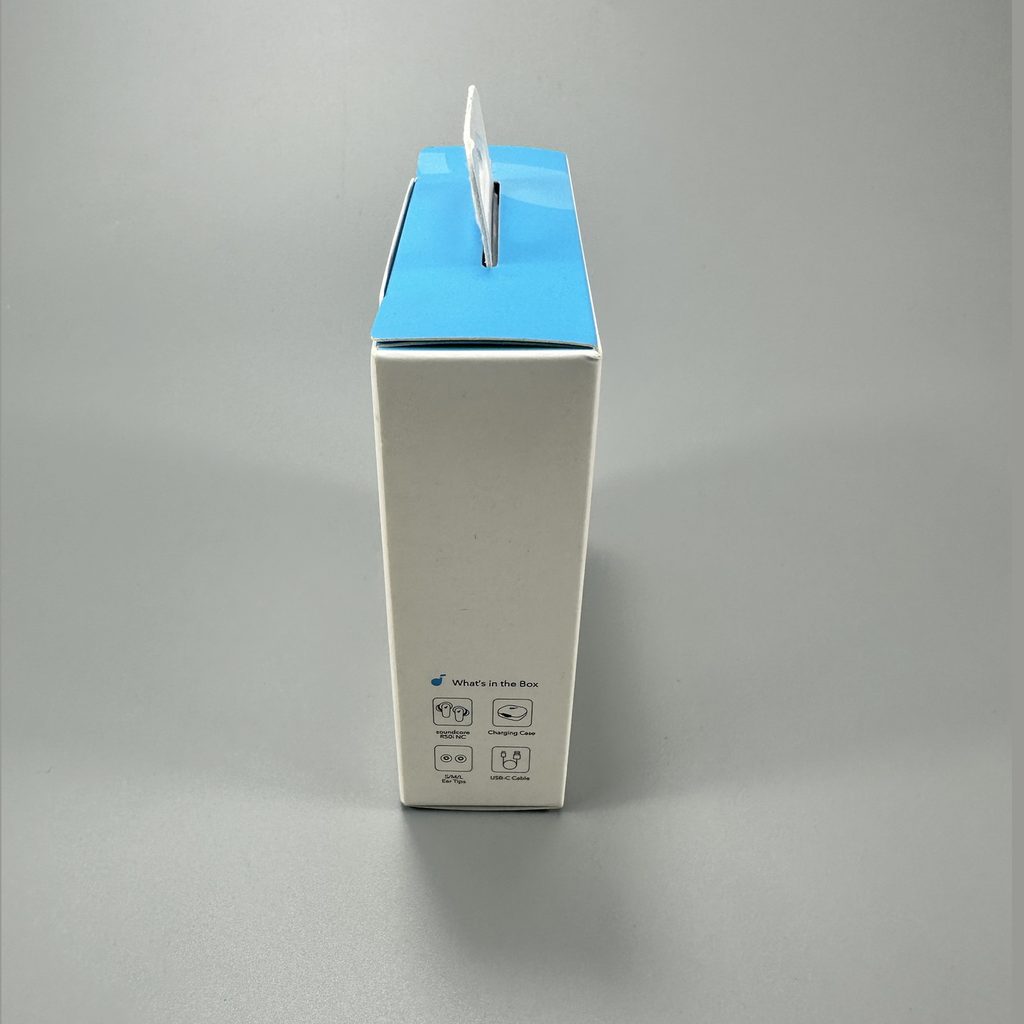
Engineer the Closure and Opening Experience
A shipping box can fail even when its board strength is adequate. Weak tape adhesion, insufficient sealing area, poor tuck-lock geometry, or incorrectly applied glue can cause the carton to open during transport.
For e-commerce packaging, consider:
– Self-locking mailer structures for lightweight products
– Reinforced tape seams for heavier corrugated cartons
– Water-activated paper tape for strong fiber-to-fiber adhesion
– Tear strips for easy customer opening
– Tamper-evident seals for high-value or sensitive goods
– Printed opening instructions to reduce customer frustration
Amazon’s packaging guidance emphasizes that certified frustration-free formats should protect the product through the distribution network while remaining easy for customers to open. Its guidance also identifies a 120-second content-removal expectation for certain frustration-free packaging requirements.
A strong package should be difficult to open accidentally—but easy to open intentionally.
Test Before Full Production
Transit damage prevention should be validated through testing, not assumptions.
A practical testing process includes:
1. Produce a structural prototype.
2. Pack the real product using the intended insert and closure.
3. Conduct internal drop, vibration, and compression checks.
4. Inspect the product, carton, seals, corners, and internal supports.
5. Improve weak points and repeat testing.
6. Use certified third-party testing when marketplace, retailer, or product-risk requirements demand it.
ISTA describes its 3-Series procedures as general simulation performance tests designed to replicate the damage-producing motions, forces, conditions, and sequences found in transportation environments. [ista]
Practical Drop-Test Checklist
Before shipping at scale, test multiple packed samples:
– Drop on the bottom face
– Drop on the top face
– Drop on major and minor edges
– Drop on all vulnerable corners
– Inspect for product movement after vibration
– Check whether inserts remain in position
– Confirm tape, glue, and locks remain secure
– Assess print scuffing and visible carton damage
Important: A box can pass a basic drop test but still fail under compression. E-commerce packaging must withstand both sudden impact and prolonged stacking pressure.
Balance Protection, Cost, and Sustainability
Over-packaging is not a reliable solution to transit damage. It raises material use, freight cost, warehouse space requirements, and customer frustration.
The best custom e-commerce packaging design uses enough material to protect the product—but no more.
A high-performance corrugated packaging program can reduce total cost by:
– Lowering product damage and replacement rates
– Reducing oversized-box shipping charges
– Improving packing speed
– Minimizing void fill consumption
– Supporting curbside-recyclable packaging goals
– Enhancing customer confidence and repeat purchase potential
For brands selling through Amazon or other marketplace channels, packaging compliance may also be relevant. Amazon’s stated requirements for certain frustration-free packaging tiers include recyclable materials, easier opening, and restrictions on materials such as plastic inserts, packing peanuts, shredded paper, and welded clamshells.
How Bonito Packaging Designs Damage-Resistant Boxes
At Bonito Packaging, we develop custom corrugated boxes by combining product analysis, structural engineering, paper-based protective materials, printing expertise, and production capability.
Our recommended workflow is:
1. Share your product details — dimensions, weight, fragility, photos, and shipping destination.
2. Define the shipping environment — single-parcel delivery, retail fulfillment, subscription box, or international export.
3. Select the carton structure — mailer box, regular slotted carton, die-cut shipping box, or custom rigid corrugated design.
4. Develop protective inserts — corrugated dividers, folding inserts, molded pulp, or paper cushioning.
5. Create a branded print concept — logo, instructions, handling icons, and unboxing graphics.
6. Prototype and test — validate fit, protection, assembly time, and customer-opening experience.
7. Scale production — maintain consistent specifications from sample approval through mass manufacturing.
A properly engineered custom corrugated e-commerce box does more than prevent damage. It protects revenue, reinforces brand value, improves sustainability positioning, and gives customers confidence from the moment the parcel arrives.
Request a Custom E-commerce Packaging Solution
If your current shipping boxes arrive crushed, products move inside the carton, or customers report transit damage, it is time to redesign the packaging system—not merely add more filler.
お問い合わせ ボニート・パッケージング to develop a custom corrugated box, mailer, insert, or paper-based protective packaging solution tailored to your product, fulfillment method, and brand requirements.
よくあるご質問
1. What is the best material for an e-commerce shipping box?
Corrugated fiberboard is usually the best choice because it offers structural strength, low weight, customization flexibility, printability, and broad recycling availability. The appropriate flute profile and board construction depend on product weight and shipping risk.
2. How do I stop products from moving inside a shipping box?
Use a right-sized box with a custom corrugated insert, die-cut divider, molded pulp tray, kraft paper cushioning, or honeycomb paper wrap. The goal is to prevent vertical, lateral, and rotational movement.
3. Is double-wall corrugated board necessary for e-commerce packaging?
Not always. Double-wall corrugated board is most useful for heavy, fragile, high-value, or long-distance shipments. Lightweight products may be adequately protected with single-wall board and a well-designed internal insert.
4. How can I make packaging more sustainable without increasing damage?
Use right-sized cartons, recyclable corrugated board, paper-based inserts, molded pulp, and paper cushioning. Test the complete design to ensure that material reduction does not compromise product protection.
5. What tests should an e-commerce box pass?
At minimum, evaluate drops, vibration, compression, closure strength, product movement, and corner protection. Higher-risk products or marketplace programs may require formal ISTA-based transit testing.
6. Can a branded mailer box also protect fragile products?
Yes, but the structure must match the product risk. A branded mailer can protect fragile goods when combined with correct board grade, internal paper-based cushioning, custom inserts, and validated closure performance.
References
1. International Safe Transit Association. “ISTA 3L Generalized E-commerce Retailer Fulfillment Test.” [https://ista.org/ista3l.php]
2. International Safe Transit Association. “Test Procedures.” [https://ista.org/test_procedures.php]
3. U.S. Environmental Protection Agency. “Paper and Paperboard: Material-Specific Data.” [https://www.epa.gov/facts-and-figures-about-materials-waste-and-recycling/paper-and-paperboard-material-specific-data]
4. U.S. Environmental Protection Agency. “Containers and Packaging: Product-Specific Data.” [https://www.epa.gov/facts-and-figures-about-materials-waste-and-recycling/containers-and-packaging-product-specific]
5. Amazon Packaging. “Vendor Qualifications & Benefits.” [https://www.amazon-packaging.com/vendor-qualifications-benefits]
6. Amazon. “Packaging Certification Guidelines.” [https://images-na.ssl-images-amazon.com/images/G/01/ffp/3p/ffp_guidelines.pdf]
Hot Tags: E-commerce Packaging Box, Manufacturers, Customized, Custom, Suppliers, Buy, Cheap, Quality, Advanced, Durable, in Stock, Made in China, Price, Quotation, Free Sample
 English
  Spanish
  French
  German
  Russian
  Japanese
  Portuguese
  Arabic