
Approving a صندوق مخصص sample before bulk production means checking more than appearance. You need to confirm product fit, materials, print quality, finishing, and protective performance—and record exactly what the manufacturer is authorized to produce.
في عبوات بونيتو, we manufacture custom boxes and premium paper packaging. From a manufacturer’s perspective, the most useful approval is not “Looks good.” It is a documented decision tied to a specific sample, artwork revision, and agreed specifications.
This guide explains how to evaluate your sample, resolve discrepancies, and establish a reliable reference for production.
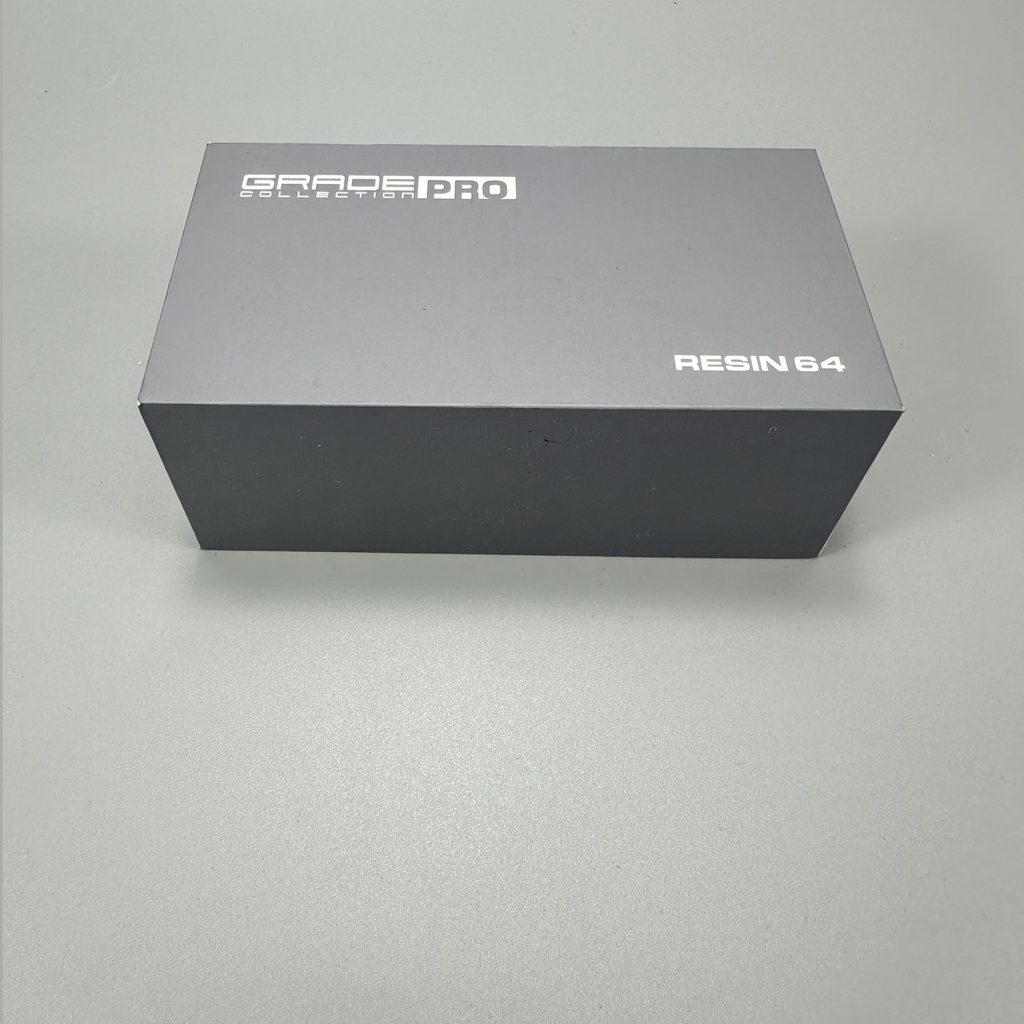
1. Identify Which Custom Box Sample You Are Approving
Different samples answer different questions. Before inspecting yours, ask how it was made and which production details it represents.
| Sample type | Main approval purpose | Important limitation |
|---|---|---|
| Digital mockup | Artwork placement and overall concept | Cannot demonstrate physical fit or texture |
| Unprinted structural sample | Dimensions, assembly, and product fit | Does not establish print or finish quality |
| Printed prototype | Combined appearance and construction | May use different printing equipment or materials |
| Pre-production sample | Production-intended materials and processes | Still requires defined inspection criteria |
A sample’s name alone is insufficient. Ask whether its paper, board thickness, printing method, tooling, and finishes match the bulk-production plan.
Record any differences before approving it.
2. Establish Written Custom Box Specifications
Without a specification sheet, buyers and manufacturers may interpret the same sample differently.
Create one reference document covering:
– Internal and external dimensions, clearly distinguished.
– Paper grade, board construction, and thickness.
– Artwork filename, revision, and dieline version.
– Printing method and color references.
– Lamination, coating, foil, embossing, and other finishes.
– Insert materials, closures, and accessories.
– Measurement methods and agreed tolerances.
Avoid descriptions such as “thick board” or “premium black.” They communicate intent, not measurable acceptance criteria.
My recommendation is simple: if a detail affects fit, appearance, cost, or performance, document it before production release.
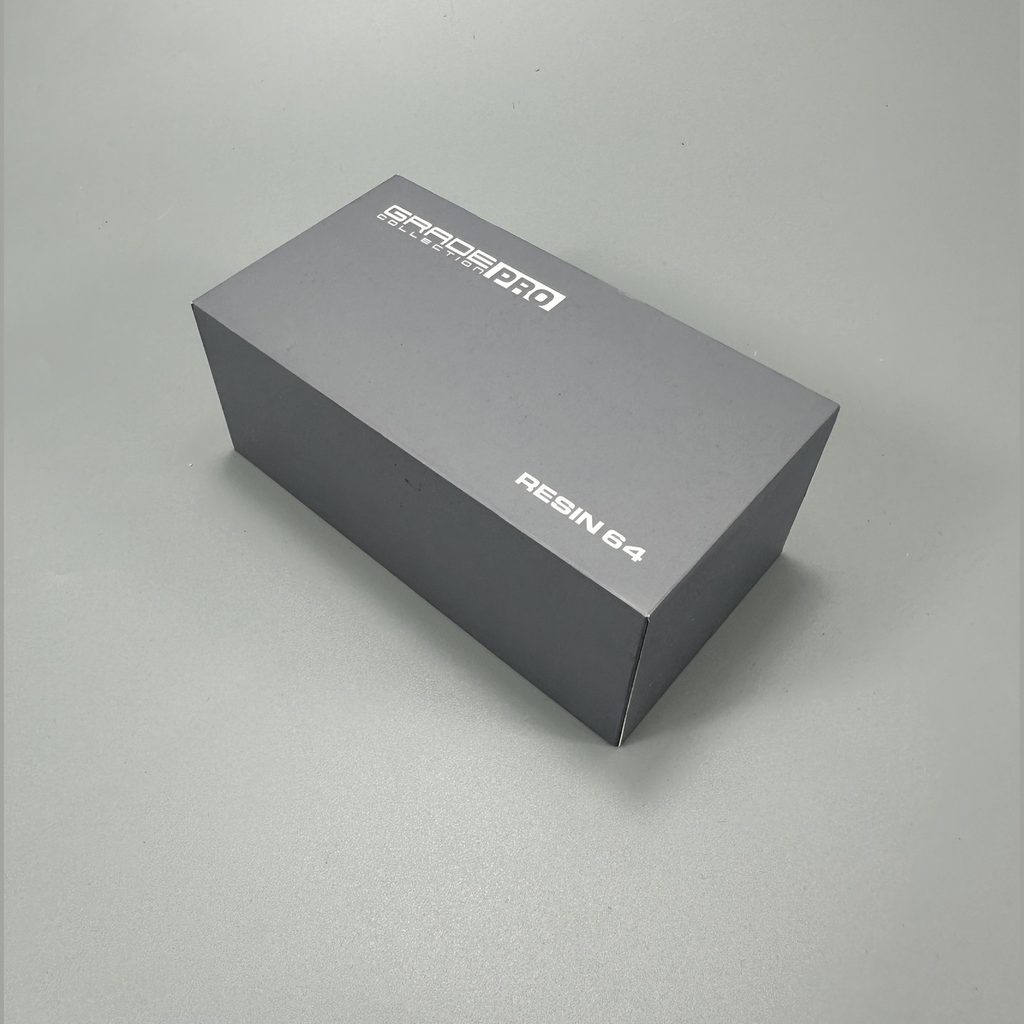
3. Check Dimensions and Product Fit With the Actual Contents
Measure the usable space
External dimensions do not tell you whether the product fits comfortably inside. Walls, inserts, wrapping, and closures all affect usable space.
Measure the sample using the agreed method. Check the internal cavity, insert openings, and any critical clearance.
There is no universal dimensional tolerance suitable for every custom box. Agree on tolerances according to the structure, materials, manufacturing process, and product requirements.
Reproduce the complete packing arrangement
Load the actual product together with its accessories, instructions, protective wrapping, and other contents.
Check whether:
1. The product enters without excessive force.
2. The insert holds it without damaging the surface.
3. The lid closes without pressure or distortion.
4. Removal feels comfortable and controlled.
5. Movement remains acceptable during ordinary handling.
An empty box can appear perfect while the packed version reveals interference, imbalance, or inadequate support.
4. Approve Print Color Under Controlled Conditions
Phone photographs and uncalibrated screens should not serve as the sole references for final color approval.
Evaluate the physical sample beside the agreed color target under consistent lighting. For instrument-based assessment, specify the measurement conditions, color-difference formula, and acceptance tolerance.
Color difference is commonly expressed as Delta E. However, a number without its formula and measurement conditions can create ambiguity. Agree on these details rather than requesting a generic “exact match.”
For color-critical artwork, a contract proof produced to ISO 12647-7 can provide a controlled reference. It does not replace evaluation of the finished box’s texture, construction, or special effects.
Also inspect:
– Small text and reversed lettering.
– Image sharpness and gradients.
– Print registration and panel alignment.
– Logos, spelling, and artwork orientation.
– Barcode readability where applicable.
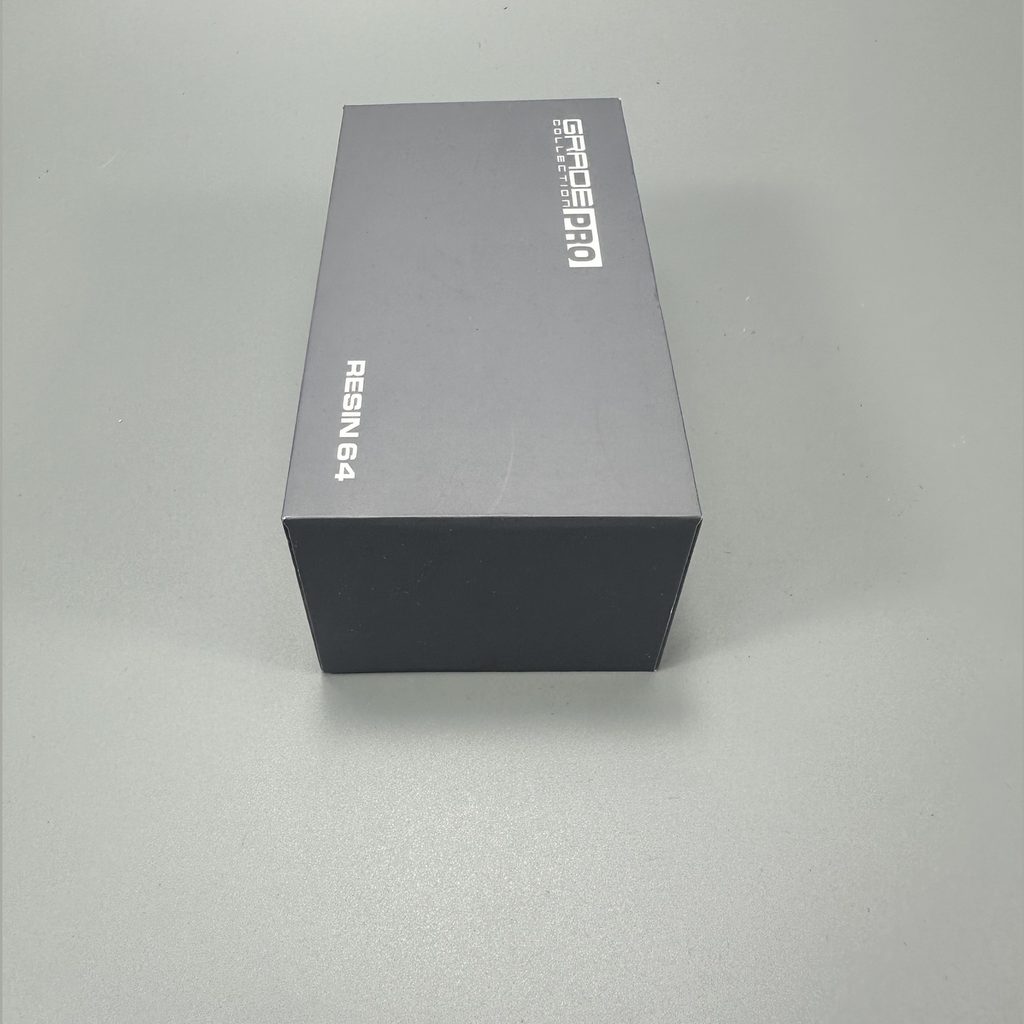
5. Inspect Materials, Finishes, and Workmanship
Premium packaging depends on how materials and construction work together.
Inspect the exterior, interior, corners, folds, and concealed joints. Look for lifting paper, exposed adhesive, cracking, uneven wrapping, scratches, and inconsistent surfaces.
For decorative finishes, check specific failure points:
| الميزة | What to examine |
|---|---|
| ختم الرقائق المعدنية | Missing coverage, rough edges, and misalignment |
| Embossing or debossing | Position, definition, and unwanted distortion |
| Lamination or coating | Bubbles, peeling, scuffing, and uneven appearance |
| Closures | Alignment, opening force, and secure engagement |
| Inserts | Position, cleanliness, retention, and removal access |
Open and close the box repeatedly as a practical handling check. If durability matters, define a repeatable test and acceptance criterion rather than relying on “feels strong.”
6. Separate Presentation Approval From Shipping Validation
A luxury gift box and a shipping carton perform different jobs.
If the product will be shipped, assess the complete packed system: product, insert, presentation box, cushioning, and outer shipping container.
Select testing according to the distribution route and product risk. ISTA procedures address different shipping environments; one procedure is not automatically suitable for every package.
A casual shake or drop can reveal obvious weaknesses, but it does not establish standardized transport performance.
Changes to the product, packaging, or process may also require retesting when they could affect protection. Review substitutions before accepting them as equivalent.
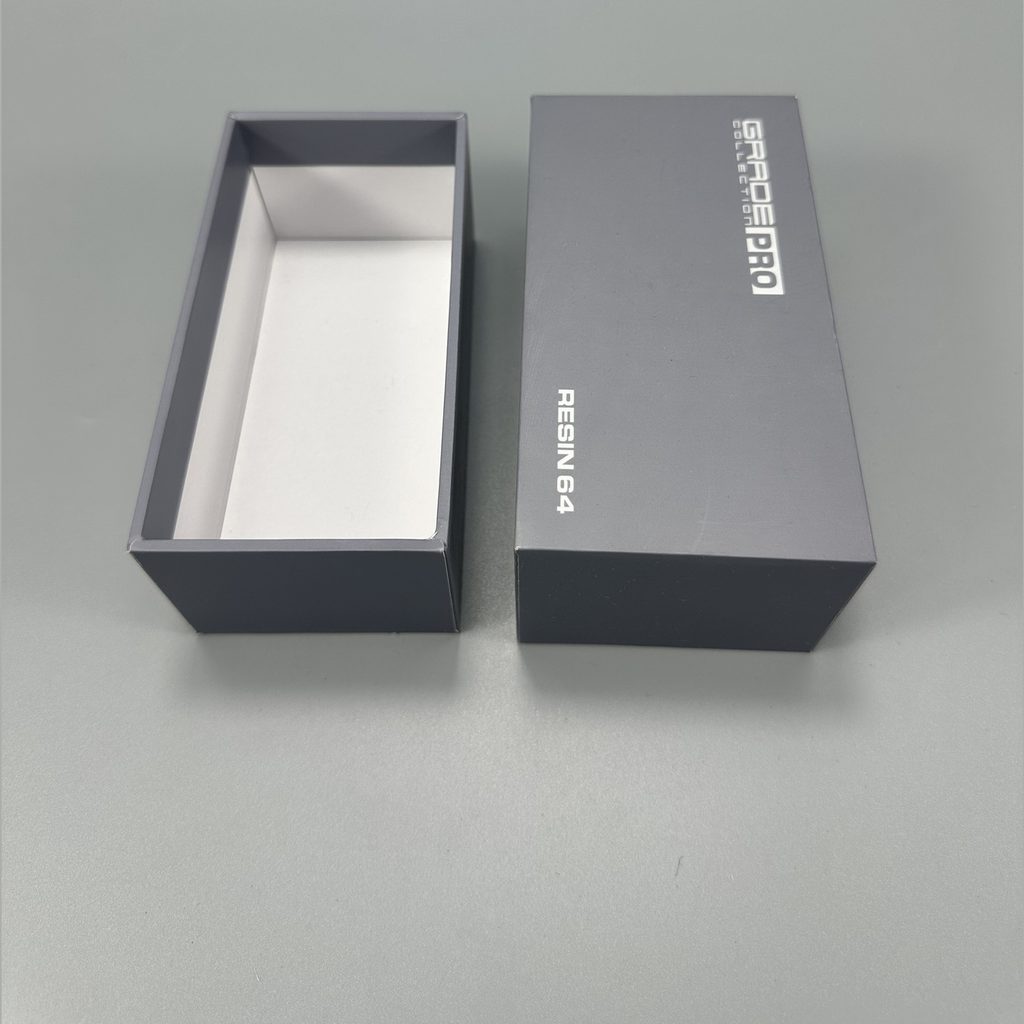
7. Use a Risk-Based Sample Approval Checklist
Not every discrepancy deserves the same response. The following categories are a proposed decision framework—not universal industry classifications.
| Priority | مثال على ذلك | Approval response |
|---|---|---|
| Critical | Incorrect product fit or required information missing | Hold production until resolved |
| Major | Wrong material, unacceptable color, or unreliable closure | Correct and verify before release |
| Minor | Small cosmetic variation within agreed limits | Document acceptance or request correction |
This framework helps prevent a common mistake: approving a sample because most features are correct while overlooking one production-blocking issue.
Assign an owner and resolution date to every open item.
8. Create a Controlled Approval Record
The strongest handoff is a documented production release.
Include:
– Project name and purchase-order reference.
– Approved sample identification and date.
– Artwork and specification revision numbers.
– Approved features and explicit exclusions.
– Accepted deviations, if any.
– Required corrections and verification method.
– Approver’s name and authorization date.
Use precise language:
“Sample BP-01, Revision C, is approved for structure, materials, and artwork placement. Foil alignment remains unapproved. Bulk production is not authorized until the corrected foil sample receives written acceptance.”
Retain matching reference samples with the buyer and manufacturer where practical. Label them clearly and protect them from damage or fading.
Sample approval should also feed into a separate bulk-quality inspection plan. A successful prototype does not, by itself, demonstrate consistency across an entire order.
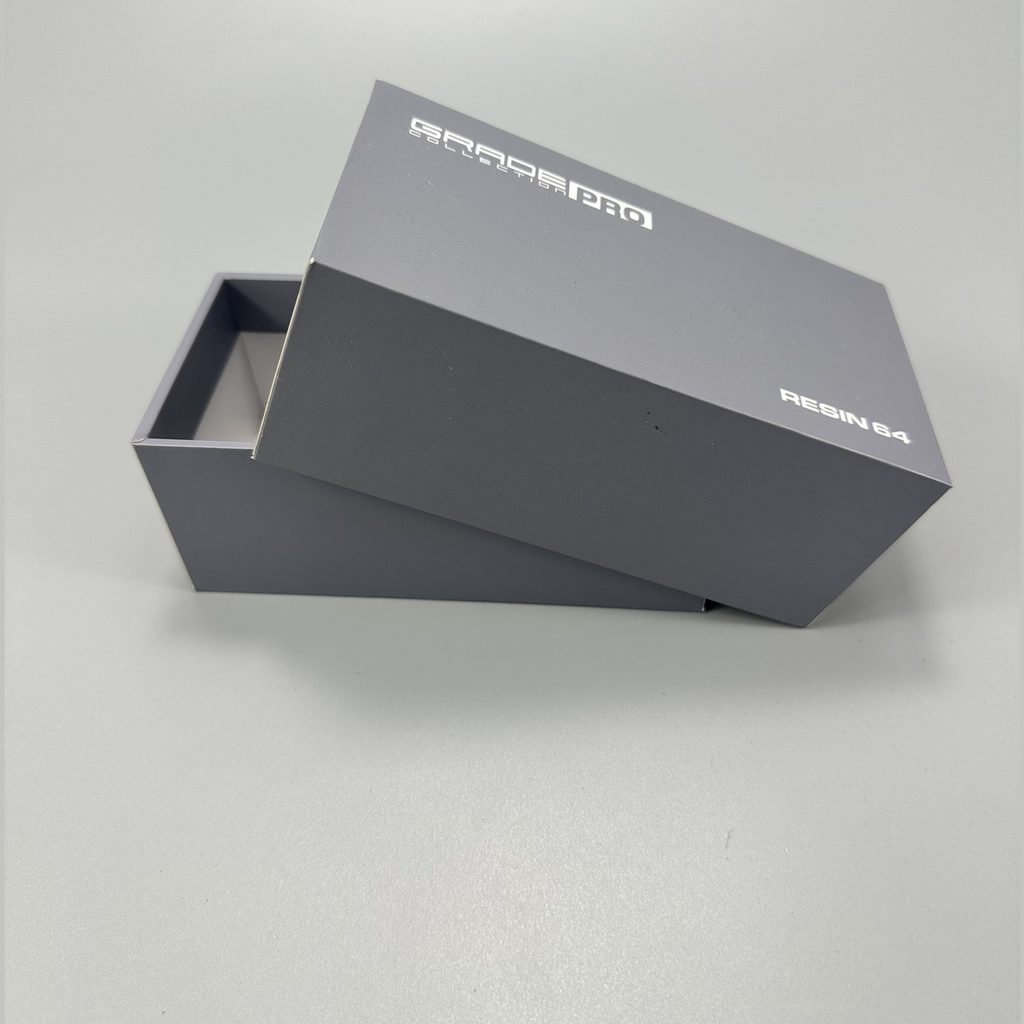
9. Release Bulk Production With Clear Change Control
Before release, confirm that all blocking issues are closed and that the manufacturer holds the correct files and specifications.
Require written review of changes affecting approved characteristics, including material substitutions, artwork revisions, insert geometry, or finishing processes.
For a clearer sampling brief, send Bonito Packaging your product dimensions, artwork, intended box structure, and shipping requirements. Ask us to identify what the proposed sample will demonstrate—and what still needs verification before bulk production.
الأسئلة الشائعة
1. Can I approve custom boxes from photographs alone?
Photographs can help review layout and visible details. They cannot reliably establish physical fit, texture, opening performance, or final color.
2. Does a white sample confirm final print quality?
No. It primarily supports structural evaluation. Print and finishing need separate approval unless the sample includes representative production processes.
3. Must every revision require a completely new sample?
Not necessarily. Review what changed and what it affects. A structural change may need a new fitted sample; an isolated artwork correction may require a revised proof.
4. Should I accept a sample with minor defects?
Only when the deviation is explicitly documented and acceptable for the intended use. Do not assume an unrecorded defect will disappear during production.
5. Does sample approval guarantee consistent bulk quality?
No. Use the approved reference alongside agreed specifications, production controls, and an appropriate bulk inspection plan.
References
1. – [Fogra — Contract Proof Creation: ISO 12647-7 requirements and proof evaluation criteria]. Supports the discussion of controlled color proofs and their evaluation. [fogra]
2. – [X-Rite — Mastering Color Consistency with Quality Control Software]. Explains physical color targets, Delta E formulas, and tolerances. [xrite]
3. – [X-Rite — Why Your Color Might Be Wrong on Press: Instrumentation]. Supports consistent illuminant, observer, and measurement settings. [xrite]
4. – [ISTA — Guidelines for Selecting and Using ISTA Test Procedures and Projects]. Provides guidance on transport-testing selection and retesting considerations. [ista]
5. – [ISTA — When Should a Packaged-Product Be Retested?]. Explains how product, package, and process changes can trigger retesting. [support.ista]
 English
 Spanish
 French
 German
 Russian
 Japanese
 Portuguese
 Arabic