
Choosing صناديق البريد for fragile products in multi-center shipping requires more than selecting an attractive corrugated box. You need a packaging system that protects the product, fits your delivery network, and produces consistent results across fulfillment locations.
My recommendation is to prioritize repeatability: the same approved box, protective insert, packing method, and inspection criteria at every center. A well-designed package can still fail when one warehouse substitutes cushioning or uses an outdated specification.
في عبوات بونيتو, our focus as a source manufacturer of custom corrugated boxes and premium paper packaging is the physical packaging solution. This guide explains how buyers can evaluate that solution—from product vulnerability and board construction to testing, shipping costs, and warehouse execution.
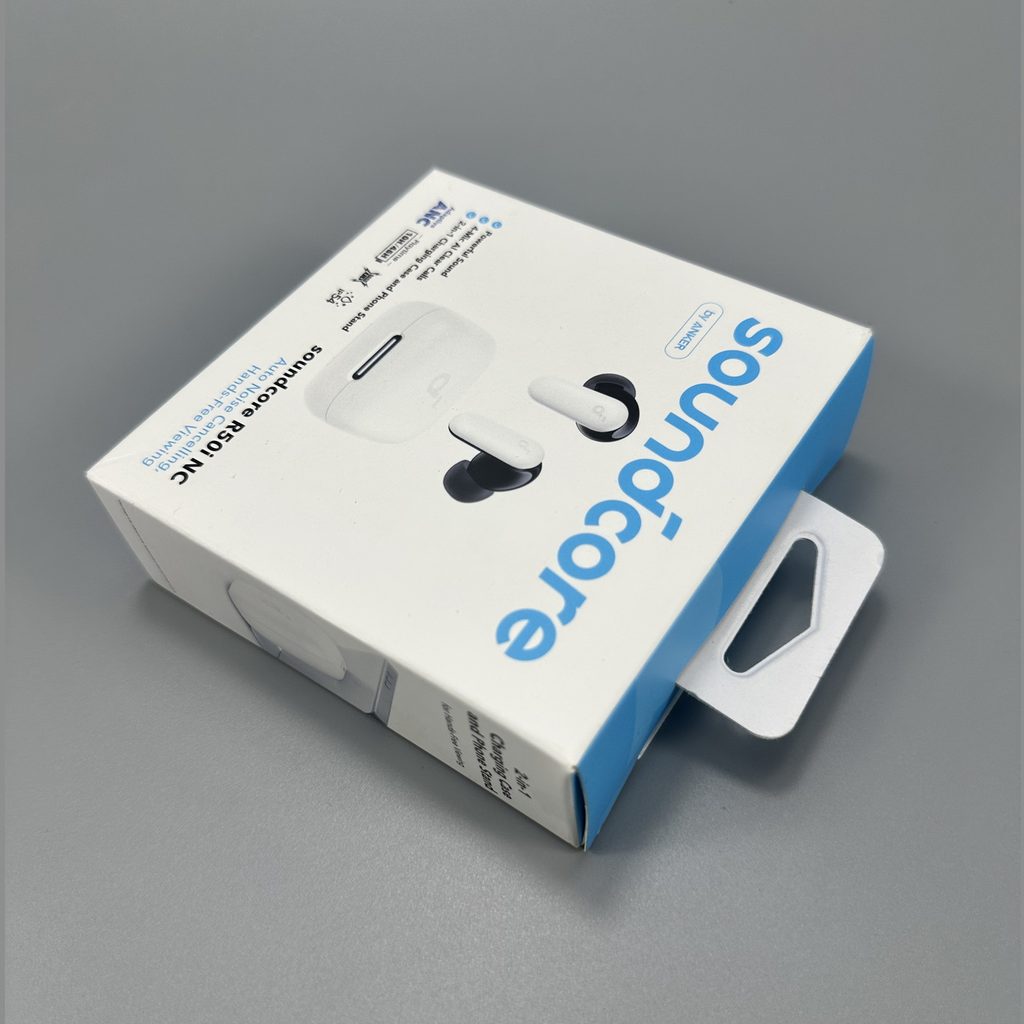
Why Multi-Center Shipping Changes Your Mailer Box Requirements
Multi-center shipping means fulfilling orders through multiple warehouses or distribution centers. Individual parcels may also travel through several carrier sorting facilities before delivery.
These are related but different challenges. Multiple fulfillment centers introduce packing variation. Multiple transit hubs expose packages to handling and transport hazards.
A packaging specification should address both.
Common variables include:
– Different packing teams and training levels.
– Different carriers, services, and delivery distances.
– Different storage conditions and inventory turnover.
– Different product combinations and available packaging materials.
For fragile products, the objective is not simply a stronger box. It is a controlled combination of outer protection, product restraint, cushioning, and closure.
A “fragile” label may communicate handling intent, but it should never replace protective engineering.
Start With the Product’s Failure Points
Before comparing custom mailer boxes, identify what can break and how.
A ceramic mug may fail at its handle. A glass bottle may suffer neck damage or leakage. A polished component may arrive functional but commercially unacceptable because of scratches.
Build a Product Protection Profile
Prepare a brief for each product or product family:
| العامل | Information to record | Packaging implication |
|---|---|---|
| Dimensions | Product size and manufacturing tolerances | Insert fit and clearance |
| الوزن | Individual and combined order weight | Board and cushioning selection |
| Vulnerable features | Handles, corners, screens, closures | Targeted protection |
| Surface sensitivity | Coatings, printing, polished finishes | Nonabrasive contact materials |
| Order configuration | Single item, set, mixed order | Compartments and load distribution |
| Failure criteria | Breakage, leakage, scratches, deformation | Inspection and testing requirements |
Include photographs and physical samples where possible.
Define acceptance before sampling. “No visible breakage” is insufficient if a scratched finish or loosened closure would trigger a return.
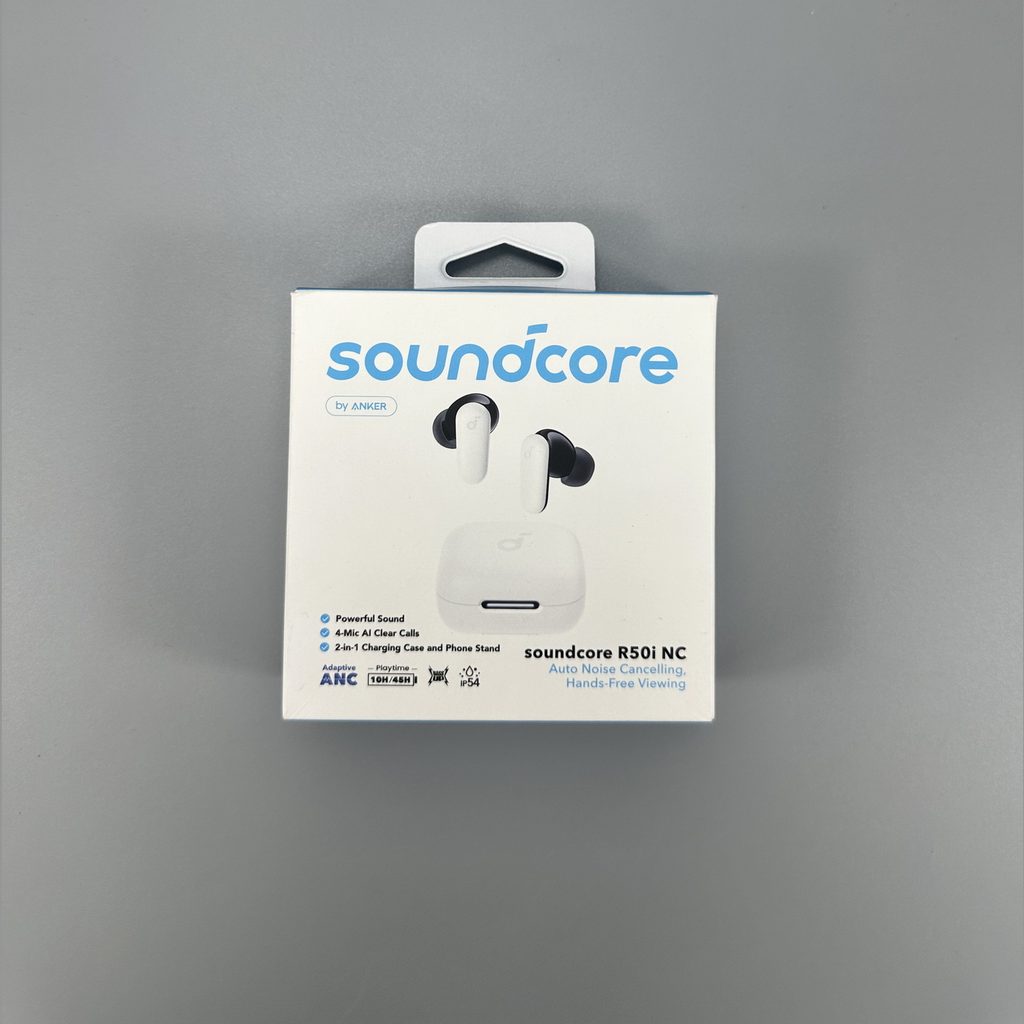
Choose Corrugated Mailer Boxes by Performance, Not Appearance
Corrugated mailer boxes combine liner papers with a fluted medium. Their protective performance depends on the board, structural design, converting quality, and complete packed configuration.
A premium print finish does not establish shipping suitability.
Compare Board Strength and Flute Construction
Ask suppliers to identify the proposed flute, board construction, and measurable strength requirements.
Two commonly discussed properties are:
– Edge crush strength: resistance to edgewise compression.
– Burst strength: resistance to pressure that ruptures the board.
These measurements describe different properties. Neither alone proves that a finished package will protect a fragile product.
Likewise, flute thickness is not a complete specification. A thin-profile construction may suit a compact, lightweight product with a validated insert. A heavier or more vulnerable item may require another board construction or an outer shipping carton.
Request the performance basis behind the recommendation, rather than accepting “heavy-duty” as a technical description.
Separate Presentation Packaging From Transit Packaging
A folding mailer can provide an attractive opening experience, but a tuck closure should not automatically be treated as a secure shipping seal.
Evaluate whether the design requires:
– External sealing tape.
– A validated adhesive strip.
– Reinforced corners or closure areas.
– A separate corrugated overbox.
For highly fragile goods, the best solution may be a branded mailer inside a protective outer carton—not a single mailer performing every function.
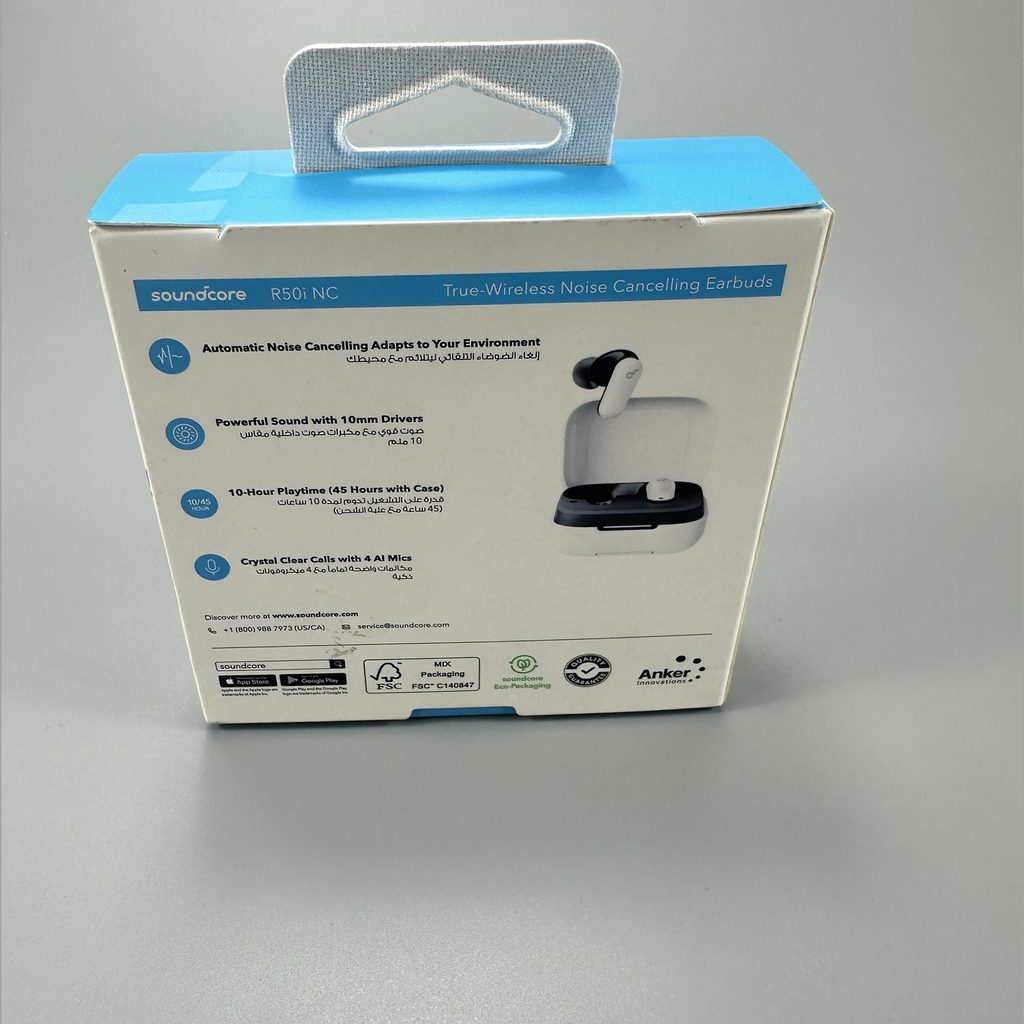
Design the Insert and Cushioning as One System
A stronger outer box cannot compensate for an unsupported product moving inside it.
Distinguish between void filling, restraint, and cushioning. Void fill occupies space. Restraint limits movement. Cushioning reduces transmitted shock. One material may perform several roles, but that should be demonstrated rather than assumed.
Match Protection to the Failure Mode
| Product vulnerability | Design direction to evaluate |
|---|---|
| Fragile handle or projection | Provide clearance and support the main body |
| Multiple glass items | Separate items with individual protective compartments |
| Sensitive decorative surface | Use a compatible, nonabrasive contact layer |
| Heavy, concentrated mass | Provide load-bearing support and suitable cushioning |
| Delicate electronics | Evaluate cushioning and any required electrostatic protection |
Corrugated inserts and molded pulp can organize products and provide support. Their suitability for shock protection depends on geometry, material properties, and the packed product.
Avoid squeezing delicate features simply to achieve a tight fit.
Consider Double-Boxing for High-Risk Products
Carrier guidance provides useful starting points. FedEx recommends double-boxing fragile items with approximately three inches of cushioning in and around the inner box. UPS also describes a two-box method for fragile goods.
These are packing guidelines, not universal custom-insert dimensions.
Use the applicable carrier guidance and validate the actual package. Do not reduce protective clearance solely to create a smaller mailer, and do not assume a generic cushioning thickness guarantees protection for every product.
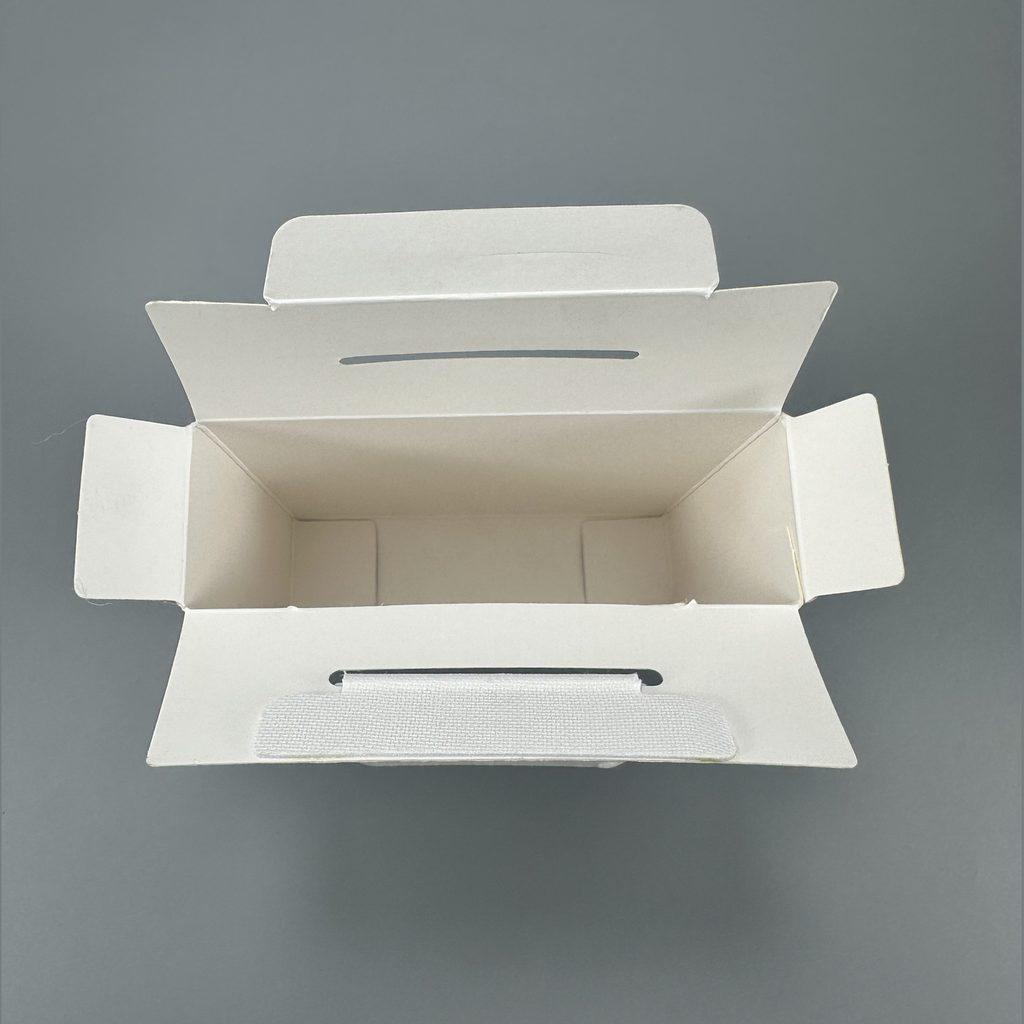
Right-Size Mailer Boxes Without Sacrificing Protection
Right-sizing means finding the smallest validated package—not the smallest box that closes.
Start with the product, add the required support and cushioning, and then establish internal box dimensions. Confirm the assembled external dimensions separately.
This distinction matters because shipping charges can reflect dimensional weight. FedEx explains that dimensional weight measures package volume relative to weight, and charges may use whichever is greater: actual or dimensional weight.
Evaluate Delivered Cost, Not Box Price
Use a purchasing model that includes:
> Expected delivered cost = packaging materials + packing labor + shipping charges + expected damage-related costs.
Damage-related costs may include replacement goods, reshipping, refunds, inspection, and support time.
A cheaper mailer is not automatically cheaper to use. Conversely, upgrading every order to a larger double-wall package may add cost without solving the actual failure mode.
Compare alternatives using measured packing times, applicable freight rates, and observed damage results.
Standardize Custom Mailer Boxes Across Fulfillment Centers
For multi-center shipping, packaging documentation is part of product protection.
Create one controlled specification for each approved configuration. Give it an identifiable revision and make obsolete instructions unavailable at packing stations.
Build a Warehouse-Ready Packaging Specification
Include:
1. Box and insert identification codes.
2. Internal dimensions and agreed tolerances.
3. Board construction and strength requirements.
4. Product orientation and insert placement.
5. Required cushioning material and quantity.
6. Sealing method and label position.
7. Photographs of acceptable finished packs.
8. Rules for substitutions and exceptions.
Specify approved alternatives before shortages occur. “Use similar paper” leaves too much interpretation.
A simple illustrated instruction sheet is usually more useful at the packing bench than a long technical document.
Design Out Operator Guesswork
Where practical, use inserts that make incorrect placement obvious.
Distinct compartments, visible orientation cues, and clearly counted components can simplify training. Limit unnecessary loose pieces, but do not remove protective components merely to accelerate packing.
During a pilot, observe different operators assembling the same package. Record variation as well as average packing time.
If success depends on one highly experienced packer, the design is not yet ready for broad deployment.
Validate the Complete Package Before Network Rollout
A board test does not replace a packaged-product test.
Test the product together with its production-intent box, insert, cushioning, and closure. Changes to any of these can affect the result.
Select a Test Protocol That Matches Distribution
ISTA Procedure 3A is a general simulation procedure for individual packaged products shipped through parcel delivery systems at 150 pounds, or 70 kilograms, or less. It covers standard, small, flat, and elongated package categories.
It includes transport-related stresses such as shock and vibration. A qualified laboratory should confirm the appropriate procedure, classification, conditioning, and current requirements.
One test does not reproduce every possible route. If orders also undergo pallet distribution, unusual storage exposure, or another distribution mode, discuss additional validation.
Define pass/fail criteria before testing, including cosmetic condition and functionality where relevant.
Add a Controlled Multi-Center Pilot
Laboratory testing and operational trials answer different questions.
A useful rollout sequence is:
1. Approve prototype fit and packing instructions.
2. Complete appropriate laboratory evaluation.
3. Run a limited pilot from representative fulfillment centers.
4. Inspect packaging consistency and delivery outcomes.
5. Correct weaknesses before wider release.
Choose pilot routes and order configurations deliberately. Include difficult conditions that are genuinely relevant to the network.
Do not describe a small number of successful deliveries as proof of a universal damage rate.
Use Damage Data to Identify the Real Problem
A network-wide average can hide a local packing issue.
Track confirmed product damage by fulfillment center, product, package revision, order configuration, and carrier service.
Calculate the rate consistently:
> Confirmed damage rate = confirmed damaged shipments ÷ shipments in the same reporting group × 100%.
Keep the reporting period and definition of “confirmed damage” consistent.
If damage increases at one center, inspect assembly, substitutions, storage, and inventory condition before changing the box everywhere.
If the same product feature fails across several centers, investigate the protective design.
Photographs help distinguish crushed cartons, internal collisions, abrasion, and closure failures. Use these observations to form hypotheses, then verify them through inspection and testing.
Make Reordering and Change Control Part of Supplier Selection
A successful prototype is only the beginning. Repeat orders must match the approved specification.
Ask a custom corrugated packaging manufacturer:
– Which material and dimensional characteristics will be checked?
– How will insert fit and closure alignment be controlled?
– How will approved samples be identified?
– What happens if a paper or component becomes unavailable?
– Which proposed changes require buyer approval?
Set a clear rule: material, structural, or closure substitutions require review before shipment.
Retest when a change could affect protective performance. Keep the approved reference sample and current documentation accessible to both procurement and fulfillment teams.
Plan Your Custom Mailer Box With Bonito Packaging
Send Bonito Packaging your product dimensions, weight, vulnerability details, order combinations, fulfillment locations, and current packaging photographs.
As a source manufacturer of custom corrugated boxes and premium paper packaging, we can discuss a packaging brief that balances protection, presentation, and practical assembly. Request a custom mailer box quotation and production-intent samples, then validate the complete packed configuration before committing to a multi-center rollout.
FAQs About Mailer Boxes for Fragile Products
1. Can corrugated mailer boxes safely ship glass products?
They can be suitable when the complete packaging system is designed and validated for the glass product. Individual separation, cushioning, restraint, and closure matter. Particularly vulnerable products may require double-boxing.
2. Are double-wall mailer boxes always better?
No. Additional board strength does not automatically prevent internal movement or protect a delicate projection. Choose board construction alongside the insert and cushioning, then evaluate the packed product.
3. Should every fulfillment center use the same mailer box?
Use the same approved configuration for equivalent products and distribution conditions. Where requirements differ materially, establish controlled alternatives rather than allowing each center to improvise.
4. How much cushioning should fragile products have?
The requirement depends on the product, material, package design, and distribution conditions. Carrier guidance offers starting points, including double-boxing recommendations. Confirm the final arrangement through appropriate testing.
5. How can we reduce packaging-related shipping costs?
Measure assembled external dimensions, review dimensional-weight charges, and remove unnecessary volume only after confirming protection. Also evaluate packing labor and damage costs. Reducing box price alone may increase total delivered cost.
6. When should a packaging design be reviewed again?
Review it after relevant changes to the product, board, insert, closure, order configuration, carrier, or distribution route. Investigate recurring damage promptly, even when the packaging previously passed testing.
References
The selection framework, operational checklists, and cost model are editorial recommendations synthesized for this article, not reported Bonito Packaging test results. Technical and carrier guidance draws on the sources below.
1. International Safe Transit Association. “Test Procedures”—procedure classifications and the scope of parcel-delivery testing under Procedure 3A. [View the procedure directory]. [ista]
2. International Safe Transit Association. “Procedure 3A Overview”—scope, package categories, atmospheric conditioning, shock, and vibration test overview. [Read the overview]. [ista]
3. FedEx. “General Packaging Guidelines”—fragile-item protection, individual wrapping, product placement, and double-boxing guidance. [Read the packaging guidelines]. [fedex]
4. UPS. “Packaging Guidelines”—cushioning, item separation, and the two-box packing method. [Read the packaging guidelines]. [ups]
5. FedEx. “What Is Dimensional Weight?”—the relationship between parcel volume, actual weight, and chargeable weight. [Read the dimensional-weight guide]. [fedex]
6. FedEx. “Packing Breakables 101″—box selection, cushioning placement, double-boxing, and sealing guidance. [Read the fragile-item packing guide]. [fedex]
 English
 Spanish
 French
 German
 Russian
 Japanese
 Portuguese
 Arabic