
Frustration-free packaging is packaging that protects a product in transit while allowing the customer to open, understand, reuse, and dispose of it with minimal effort. For e-commerce brands, this means replacing excessive layers, difficult plastic clamshells, oversized cartons, and confusing closures with right-sized, easy-open custom paper packaging that supports a better delivery experience.
En Bonito Packaging, we view frustration-free packaging as more than a simplified box. It is a practical packaging strategy that connects product protection, brand presentation, shipping efficiency, sustainability, and customer satisfaction. The best design should feel intuitive from the moment the parcel reaches the customer’s hands.
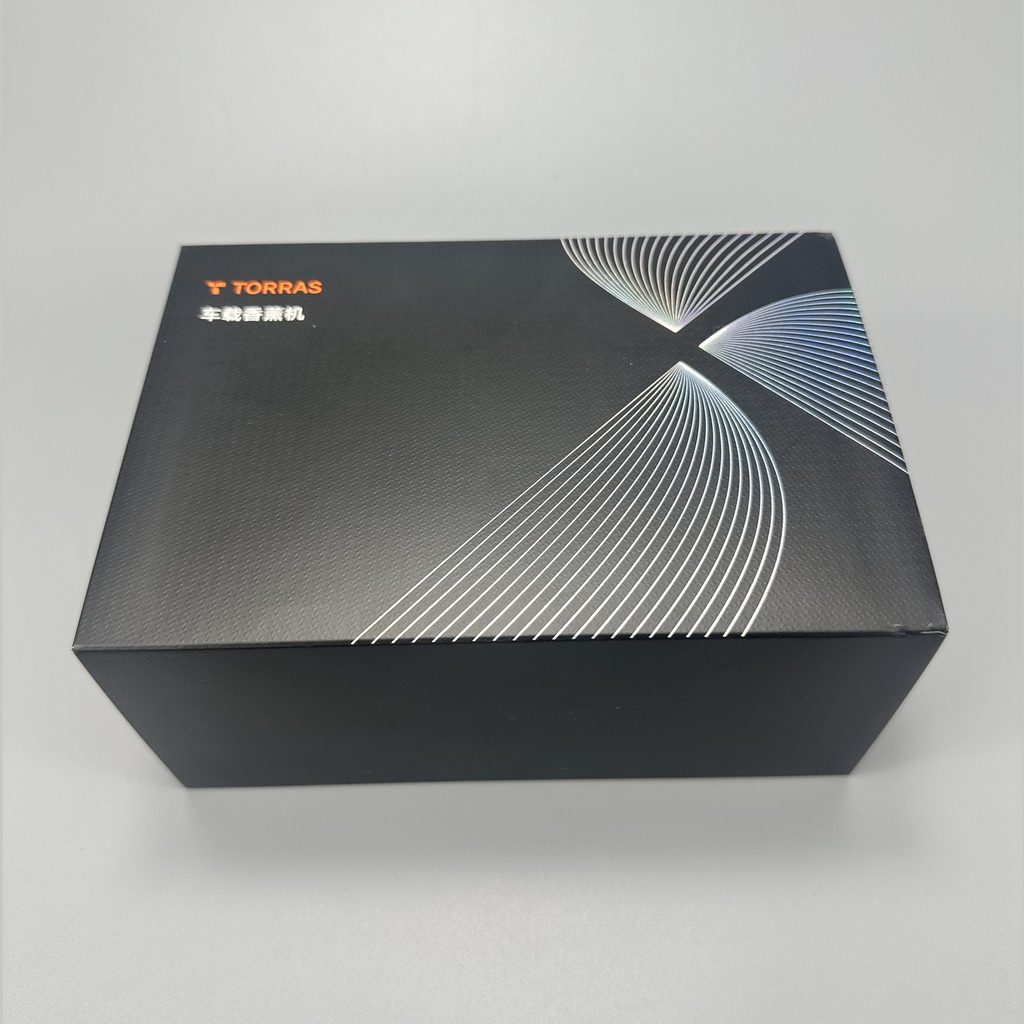
What Is Frustration-Free Packaging?
The phrase “frustration-free packaging” has two related meanings.
First, it can describe the broader packaging-design principle of making a package easy to receive, open, use, recycle, or dispose of. A customer should not need a knife, scissors, excessive force, or several minutes of trial and error to access a product.
Second, it is associated with Amazon’s Frustration-Free Packaging program. Under Amazon’s requirements, qualifying packaging must be easy to open, made from approved recyclable materials, tested for shipment durability, and designed to reduce unnecessary packaging components. Products should generally be removable within 120 seconds, with minimal use of cutting tools.
For brands selling through their own websites, retailers, marketplaces, subscription services, or Amazon, the broader lesson is the same: packaging should reduce friction instead of creating it.
A well-designed easy-open package can help a brand:
– Reduce negative unboxing experiences
– Minimize product damage during shipping
– Lower material consumption and shipping volume
– Improve recycling and disposal convenience
– Support premium brand positioning
– Increase the likelihood of repeat purchases
– Make fulfillment operations more efficient
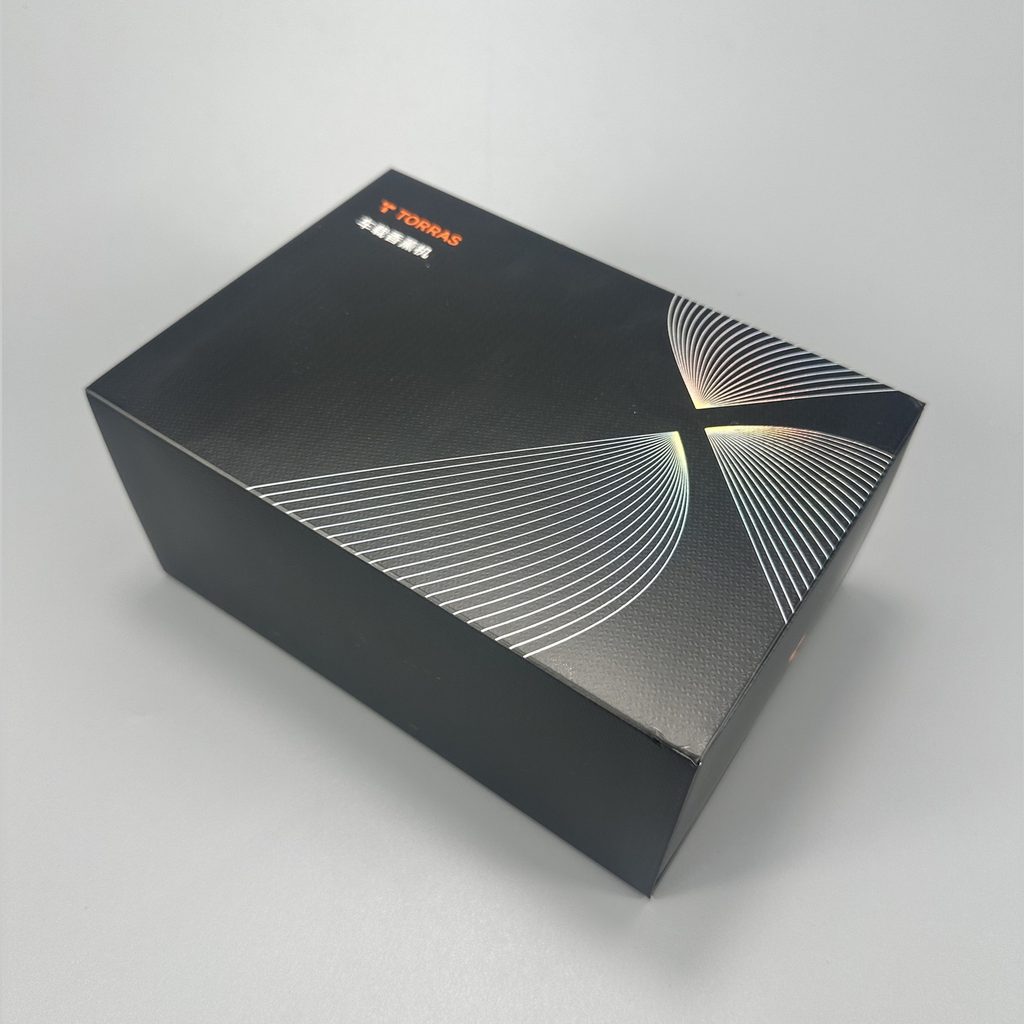
Why Frustration-Free Packaging Matters for E-Commerce Brands
In physical retail, customers can touch a product box before purchasing. In e-commerce, the package often becomes the first physical interaction between the customer and the brand.
That interaction matters. If a customer receives a package that is difficult to open, filled with excessive void fill, or much larger than the product inside, the delivery experience can feel wasteful and poorly planned. The product may be excellent, but the packaging has already added unnecessary friction.
Easy-open packaging is therefore a customer-experience tool, not merely a logistics requirement.
Packaging waste is also a commercial and environmental issue. The U.S. Environmental Protection Agency reported that containers and packaging generated 82.2 million tons of municipal solid waste in 2018, representing 28.1% of total municipal solid waste generation. Right-sizing packaging and reducing unnecessary components can help brands reduce waste while also lowering material and transportation costs.
The Cost of Over-Packaging
Over-packaging often creates hidden costs across the supply chain:
| Packaging Issue | Customer Impact | Business Impact |
|---|---|---|
| Oversized shipping box | Feels wasteful and inconvenient | Higher material and shipping costs |
| Excessive fillers | More disposal effort | Added packing labor and material use |
| Difficult-to-open seals | Frustration and potential product damage | Negative reviews and support requests |
| Plastic clamshells | Requires tools or force to open | Poor accessibility and recycling challenges |
| Weak paperboard box | Product may arrive damaged | Returns, replacements, and reputational loss |
| Unclear opening method | Confusing unboxing experience | Reduced perceived product quality |
The goal is not simply to use less packaging. The goal is to use the right amount of protective packaging, engineered for the product, distribution method, customer, and brand.
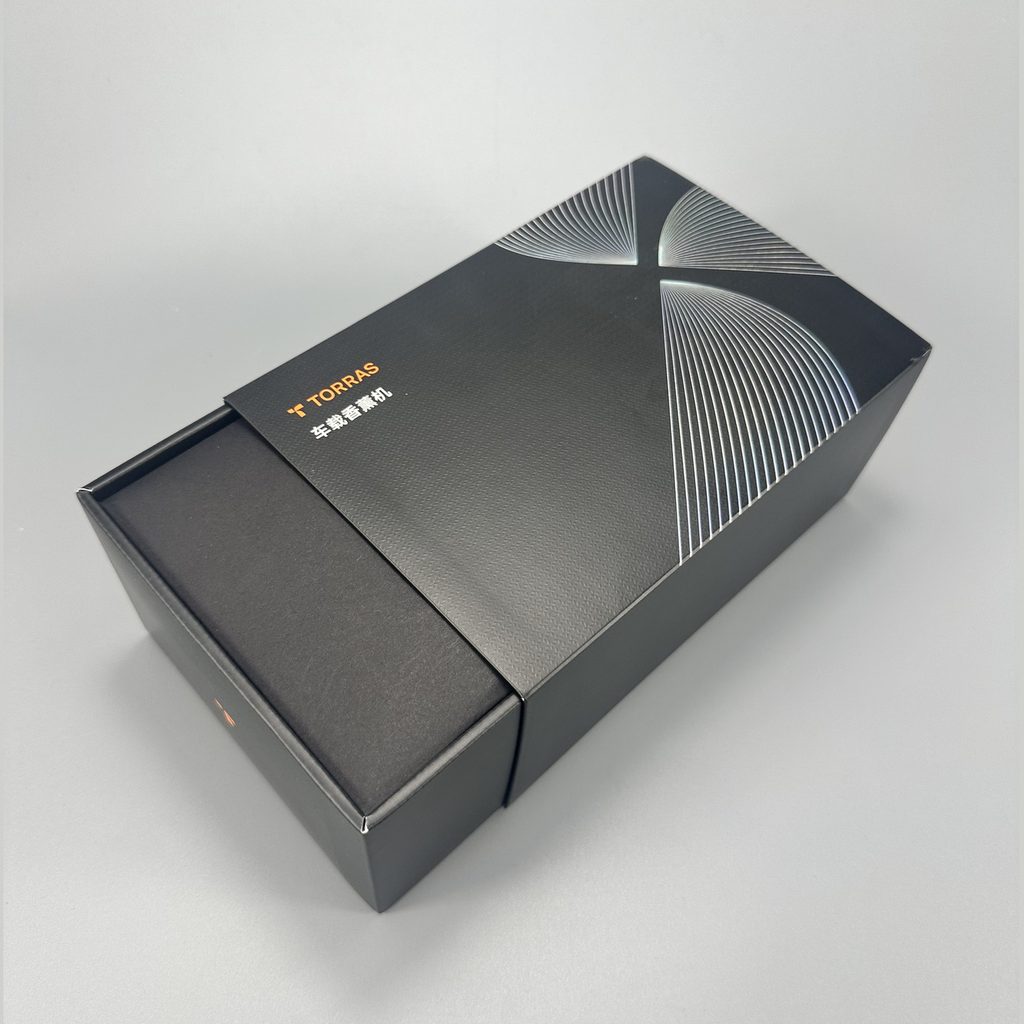
Frustration-Free Packaging vs. Standard Packaging
Traditional packaging is often designed around appearance, familiar production methods, or unit cost alone. Frustration-free packaging takes a more complete approach by considering the full customer journey.
| Factor | Standard Packaging | Frustration-Free Packaging |
|---|---|---|
| Opening experience | May require scissors, knives, or force | Designed for fast, intuitive opening |
| Package size | Often based on standard carton availability | Right-sized around product dimensions |
| Protección | May rely on excessive filler materials | Uses structural design and fit-for-purpose inserts |
| Materiales | Can involve mixed, hard-to-separate components | Prioritizes recyclable and simplified material systems |
| Instructions | Opening process may be unclear | Opening point and handling details are visible |
| Customer focus | Often product- or brand-led | Balances brand, protection, and customer usability |
| Disposal | May require separating several materials | Designed for easier recycling or disposal |
A premium package does not need to be complicated. A custom rigid box, corrugated mailer, folding carton, or paperboard insert can still look refined while remaining easy to open and easy to recycle.
The Core Elements of Easy-Open Packaging Design
1. Right-Size the Box Around the Product
Right-sizing is one of the most important principles in frustration-free packaging. A box should hold the product securely without leaving excessive empty space.
A poorly sized box can create several problems:
– The product moves during transportation
– Brands need extra void fill or plastic cushions
– More corrugated board is consumed
– Dimensional-weight shipping costs may rise
– Customers must dispose of more packaging than necessary
Instead, start with the product’s actual dimensions, weight, fragility, surface sensitivity, and shipping orientation. Then design a custom box with appropriate clearance for protective inserts.
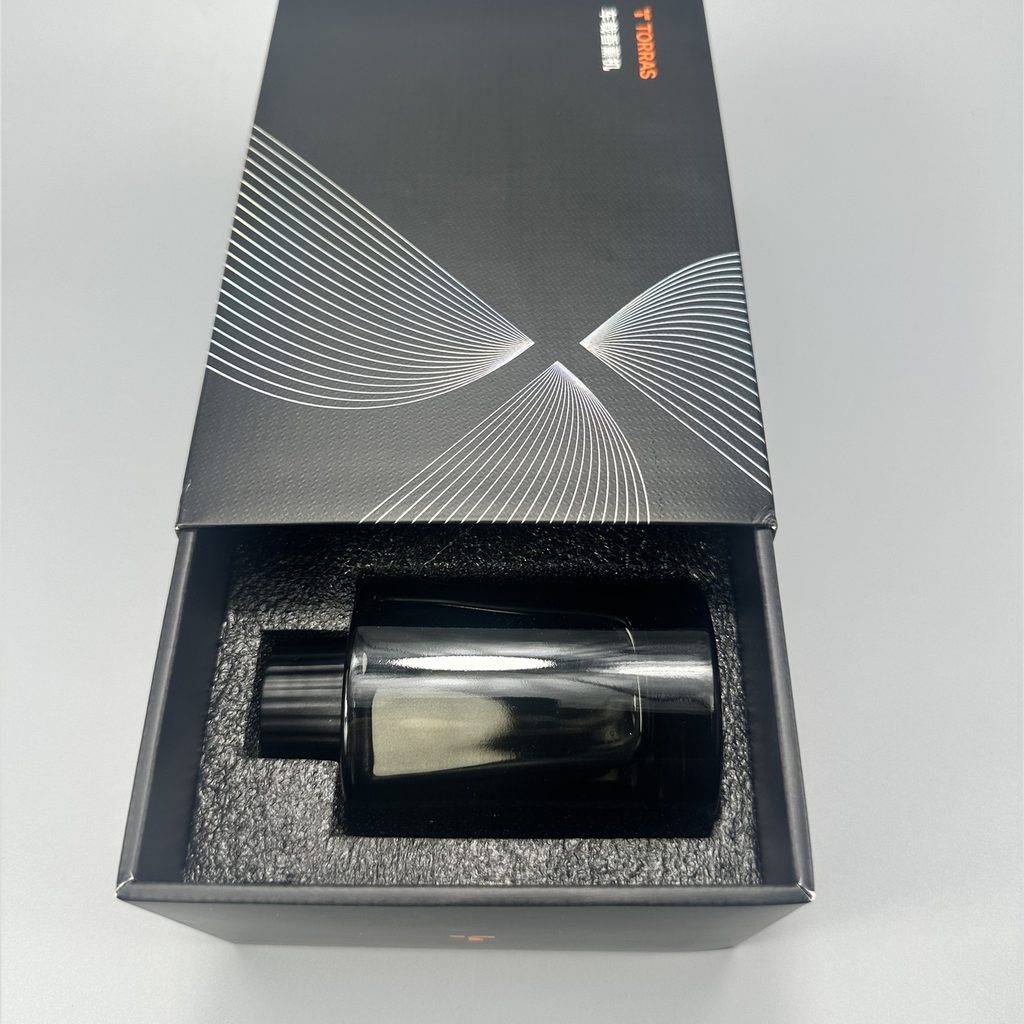
For example, a skincare brand shipping glass bottles may use a custom corrugated mailer with molded paper pulp or die-cut paperboard inserts. This can hold each bottle in position without relying on loose plastic air pillows.
2. Create a Clear Opening Path
A customer should quickly understand where and how to open the package.
Effective easy-open features include:
– Tear strips with visible pull tabs
– Perforated opening lines
– Peel-and-seal adhesive strips
– Thumb notches on tuck-end boxes
– Pull ribbons for rigid gift boxes
– Clearly marked “Open Here” instructions
– Tamper-evident paper seals
The opening mechanism should be obvious before the customer applies force.
Avoid designs that require customers to cut through several taped layers, tear thick laminated materials, or force open tightly locked tabs. These may protect the product, but they can also cause damage to the packaging, the product, or the customer’s hands.
3. Balance Easy Opening With Product Security
Frustration-free does not mean loosely packed. Packaging must still withstand handling, stacking, vibration, compression, and drops during fulfillment and delivery.
A strong design process balances three questions:
1. Can the package remain secure throughout shipping?
2. Can the customer open it without unnecessary tools or force?
3. Can the product be removed without damage?
For e-commerce shipping boxes, a peel-and-seal closure is often an effective solution. It can provide a reliable seal during transit while giving the customer a clean opening experience. For returnable packaging, a second adhesive strip can allow customers to reseal the box for returns.
4. Use Paper-Based Materials Where Practical
Paper-based packaging can support frustration-free design because it is versatile, printable, customizable, and widely accepted in many recycling systems. Corrugated cardboard, kraft paper, paperboard inserts, molded pulp, and folding cartons can be engineered into protective, lightweight, and visually appealing packaging systems.
The EPA notes that paper and paperboard packaging had an 80.9% recycling rate in 2018, although local recycling rules still vary by market and material construction.
For brands seeking a more recyclable packaging format, consider:
– Corrugated mailer boxes
– Custom printed shipping cartons
– Kraft folding cartons
– Paperboard dividers
– Die-cut corrugated inserts
– Molded pulp trays
– Paper tape and water-activated tape
– Paper-based void fill
However, recyclability should never be claimed without reviewing the complete packaging structure. Laminations, coatings, metallic effects, adhesives, windows, and mixed materials may affect recycling outcomes.
Amazon Frustration-Free Packaging Requirements
For Amazon sellers, “Frustration-Free Packaging” can refer to a certification pathway within Amazon’s Ships in Product Packaging program. The program is distinct from simply creating packaging that is easy for customers to open.
Amazon’s published guidance states that certified frustration-free packages should use curbside-recyclable materials where required, avoid certain difficult-to-recycle or difficult-to-open components, and allow customers to remove all contents within 120 seconds with minimal use of cutting tools. The program also involves packaging review and transit testing.
Common design considerations include:
– Avoiding welded clamshells
– Avoiding plastic blister packs
– Avoiding packaging peanuts and shredded paper
– Reducing unnecessary plastic inserts
– Designing durable ship-ready packaging
– Using appropriate tamper-evident closures
– Meeting product-to-package utilization expectations
– Completing applicable laboratory testing
Amazon packaging requirements can change by marketplace, product category, and program tier. Brands should always confirm current requirements directly in Seller Central or Vendor Central before finalizing a certification project.
A Practical Design Process for Frustration-Free Custom Packaging
A reliable packaging solution begins with a structured design process, not with a standard box template.
Step 1: Define the Product and Shipping Risks
Document the product’s:
– Dimensions and weight
– Fragility level
– Sharp edges or sensitive surfaces
– Liquid, powder, or food-contact requirements
– Temperature or moisture sensitivity
– Shipping distance and carrier conditions
– Sales channel and fulfillment model
A ceramic candle jar, for example, needs a very different package from a lightweight apparel item. The first may require a corrugated mailer and fitted protective insert; the second may only require a recyclable paper mailer or slim folding carton.
Step 2: Identify the Customer’s Opening Journey
Think through the package from the customer’s perspective.
Ask:
– Can the customer identify the opening point immediately?
– Will they need scissors, a knife, or excessive strength?
– Is the product visible or accessible after opening?
– Can they remove the product without tearing apart the package?
– Can they understand how to recycle or reuse the packaging?
This step is especially important for older customers, customers with limited hand strength, and customers opening packages with one hand.
Step 3: Select a Suitable Box Style
Different products require different structures.
| Product Need | Recommended Packaging Option |
|---|---|
| Lightweight direct-to-consumer product | Corrugated mailer box |
| Premium gift or cosmetics set | Rigid box with ribbon pull or magnetic closure |
| Subscription box | Custom mailer with tear strip and branded interior |
| Fragile bottle or jar | Corrugated shipper with die-cut paperboard insert |
| Small retail product | Folding carton with tuck tab or tear-open feature |
| Apparel and soft goods | Recyclable paper mailer or slim corrugated mailer |
The box style should be selected according to the product and distribution environment, not solely based on visual preference.
Step 4: Prototype and Test Before Mass Production
A digital render is useful, but it cannot replace physical testing.
Before large-scale production, test prototypes for:
– Opening time
– Tear-strip reliability
– Closure strength
– Product movement
– Drop resistance
– Compression performance
– Print durability
– Customer usability
– Recycling communication
Ask several people who were not involved in the design process to open the package. If they hesitate, use tools immediately, or damage the box while opening it, the structure likely needs improvement.
Step 5: Add Brand Value Without Adding Friction
Minimal packaging does not have to look generic. Brands can communicate quality through thoughtful print and structural details rather than excessive material layers.
Consider:
– Custom exterior printing
– Interior brand messaging
– QR codes for setup instructions or product education
– Paper-based thank-you cards
– Simple recycling guidance
– Embossing or debossing on premium paperboard
– Spot color printing instead of unnecessary mixed-material decoration
The best unboxing experience combines clarity, protection, and emotional impact.
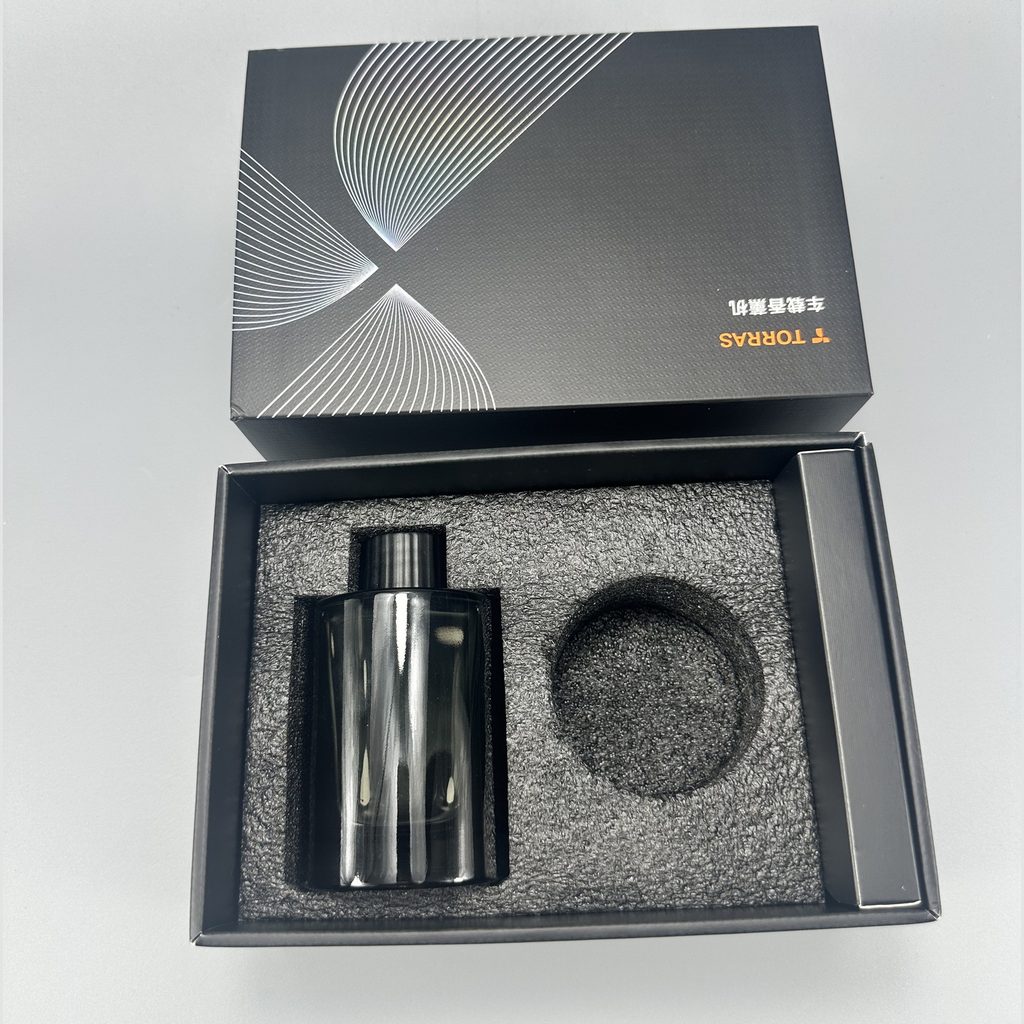
Common Frustration-Free Packaging Mistakes
Even well-intended packaging projects can fail when brands focus on only one objective.
Using Too Much Tape
Excessive tape may improve perceived security, but it creates a difficult opening experience and can complicate recycling. Use only the amount needed to protect the product.
Replacing Plastic Without Redesigning the Structure
Switching from plastic to paper is not enough if the box is still oversized, hard to open, or poorly protective. Material selection and structural engineering must work together.
Designing for Appearance Only
A visually impressive package that tears, collapses, or confuses customers will not create a premium experience. Good packaging must perform before it decorates.
Ignoring the Return Journey
For products with high return rates, consider a resealable mailer or dual-adhesive-strip design. This can make returns easier for customers while improving the overall service experience.
Making Unverified Sustainability Claims
Terms such as “eco-friendly,” “recyclable,” and “sustainable” should be used carefully. Confirm material composition, local recycling compatibility, and applicable regulations before making claims on packaging or marketing materials.
How Bonito Packaging Supports Better Unboxing Experiences
Bonito Packaging develops custom paper packaging solutions for brands that need protection, brand impact, and practical usability in one package.
Our team can help evaluate your product dimensions, shipping method, branding needs, material preferences, and opening requirements before recommending a packaging structure. Whether you need custom corrugated mailer boxes, folding cartons, rigid gift boxes, paper inserts, or branded e-commerce shipping cartons, we can help turn an initial concept into a production-ready packaging solution.
A frustration-free package should make the customer feel that your brand thought of every detail.
If you are developing custom packaging for an e-commerce launch, retail program, subscription box, or Amazon product, contact Bonito Packaging to discuss a right-sized, easy-open, and brand-ready packaging solution.
PREGUNTAS FRECUENTES
1. What is frustration-free packaging?
Frustration-free packaging is packaging designed to be easy to open, easy to understand, appropriately sized, protective during transit, and simpler to recycle or dispose of than unnecessarily complex packaging.
2. Is frustration-free packaging only for Amazon sellers?
No. Amazon has a formal Frustration-Free Packaging certification program, but the design principle applies to any brand selling through e-commerce, retail, subscription, wholesale, or direct-to-consumer channels.
3. What materials are best for easy-open sustainable packaging?
Corrugated cardboard, paperboard, kraft paper, molded pulp, and paper-based inserts are common options. The best material depends on product weight, fragility, shipping conditions, branding needs, and local recycling infrastructure.
4. How can I make a shipping box easier to open?
Use visible tear strips, pull tabs, perforations, peel-and-seal closures, thumb notches, or clearly marked opening instructions. Test the package with real users before mass production.
5. Can sustainable packaging still look premium?
Yes. Premium presentation can come from custom structural design, high-quality printing, textured paper, embossing, branded interiors, ribbon pulls, and well-designed inserts. A premium box should feel intentional, not excessive.
6. Does right-sizing packaging reduce costs?
Often, yes. Right-sized packaging can reduce corrugated material use, void fill, warehouse space, dimensional shipping charges, and packing time. Actual savings depend on product dimensions, shipping zone, order volume, and carrier pricing.
7. Does Amazon require frustration-free packaging certification?
Amazon requirements depend on the product, marketplace, fulfillment model, and current program rules. Some products may need to meet Ships in Product Packaging requirements, while others may not. Sellers should confirm the latest requirements through Amazon Seller Central or Vendor Central.
References
1. Amazon. “Amazon Packaging Certification Guidelines.”
[https://images-na.ssl-images-amazon.com/images/G/01/ffp/3p/ffp_guidelines.pdf]
2. U.S. Environmental Protection Agency. “Containers and Packaging: Product-Specific Data.”
3. U.S. Environmental Protection Agency. “Sustainable Packaging.”
[https://www.epa.gov/smm/sustainable-packaging]
4. International Safe Transit Association. “Amazon Packaging Support and Supplier Network.”
[https://ista.org/amazon-packaging-support-supplier-network.php]
5. Amazon. “Frustration-Free Packaging Program Certification Guidelines.”
6. OXO Packaging. “What Does Frustration Free Packaging Mean?”
[https://oxopackaging.com/blog/frustration-free-packaging.html]
 English
  Spanish
  French
  German
  Russian
  Japanese
  Portuguese
  Arabic