
Jewelry box dimensions determine more than whether a ring, necklace, or bracelet fits. They shape product protection, presentation, packing efficiency, and the customer’s first impression. The right custom jewelry box should hold the piece securely without pressing against delicate settings or wasting space.
My starting point is simple: fit comes before finish. Choose the jewelry’s display position and support system before approving the box size.
Para Bonito Packaging, a manufacturer of high-end custom paper packaging, this means treating the jewelry, insert, and box as one coordinated design—not three separate purchasing decisions.
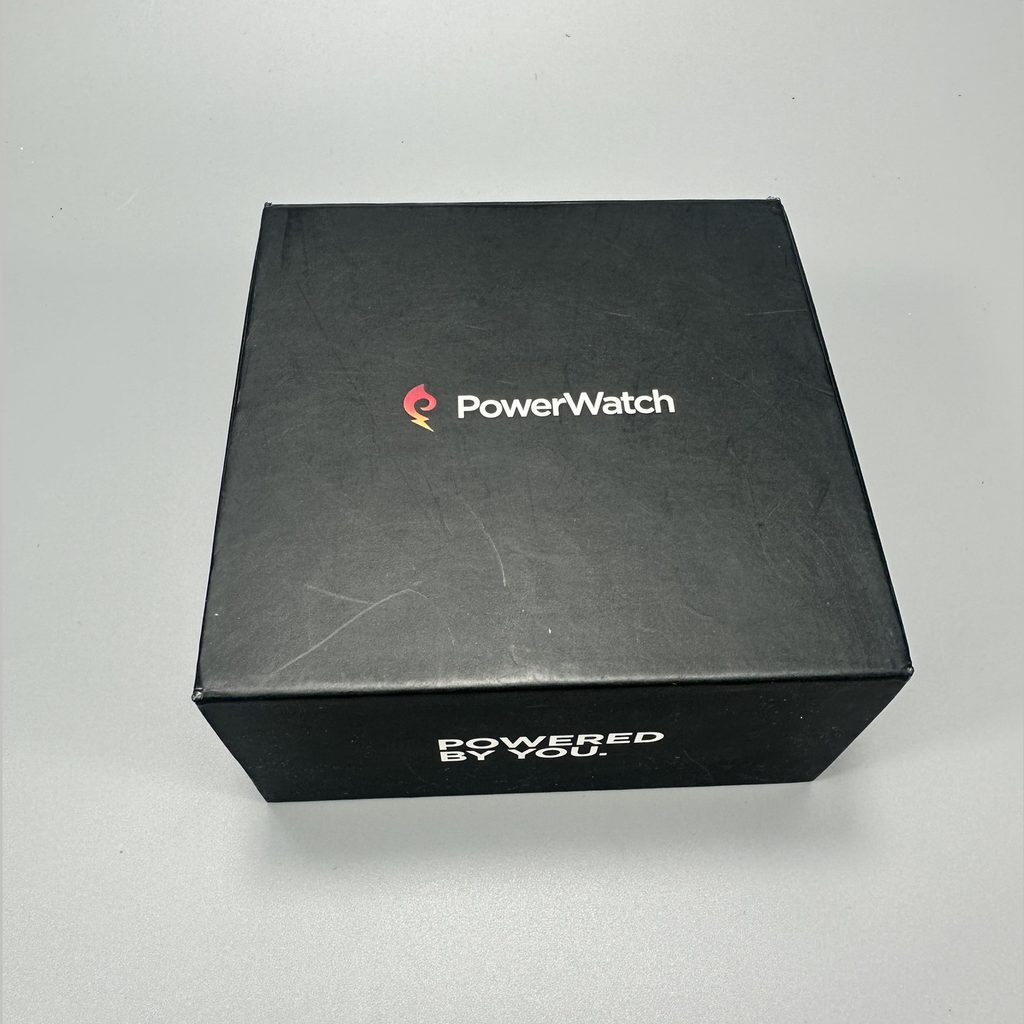
Understanding Jewelry Box Dimensions: Length, Width, and Height
Jewelry packaging specifications typically use length × width × height, or L × W × H. Confirm the orientation on the supplier’s drawing, particularly for square, hinged, or drawer-style boxes.
Three measurements deserve separate attention:
– Internal dimensions describe the box cavity before removable inserts.
– Usable dimensions describe the space available after inserts and linings.
– External dimensions describe the finished, closed box.
A box can have adequate internal dimensions yet insufficient usable height once its cushion is installed. For a tall gemstone ring, that distinction may determine whether the lid closes safely.
Specify millimeters for manufacturing discussions and include inches when useful for purchasing teams.
Jewelry Box Size Chart: Practical Starting Dimensions
There is no universal jewelry box size. Product geometry, display position, and insert construction determine the final specification.
The following reference sizes provide starting points for prototypes, not guaranteed fits or mandatory industry standards.
| Jewelry type | Illustrative internal L × W × H | Main sizing consideration |
|---|---|---|
| Ring | 2 × 2 × 1.5 inches | Stone height above the insert |
| Earrings | 3 × 2.5 × 1 inches | Posts, backs, and pair spacing |
| Necklace or pendant | 7 × 5 × 1 inches | Chain routing and pendant depth |
| Bracelet | 6 × 4 × 1.5 inches | Flexible chain versus rigid bangle |
| Watch | 5 × 4 × 2 inches | Cushion height and closed clasp |
| Jewelry set | 8 × 6 × 2 inches or larger | Separation between components |
These dimensions should be checked against physical products. A sculptural bangle may need more depth than a flexible bracelet, while a necklace displayed on a compact card may fit a smaller footprint.
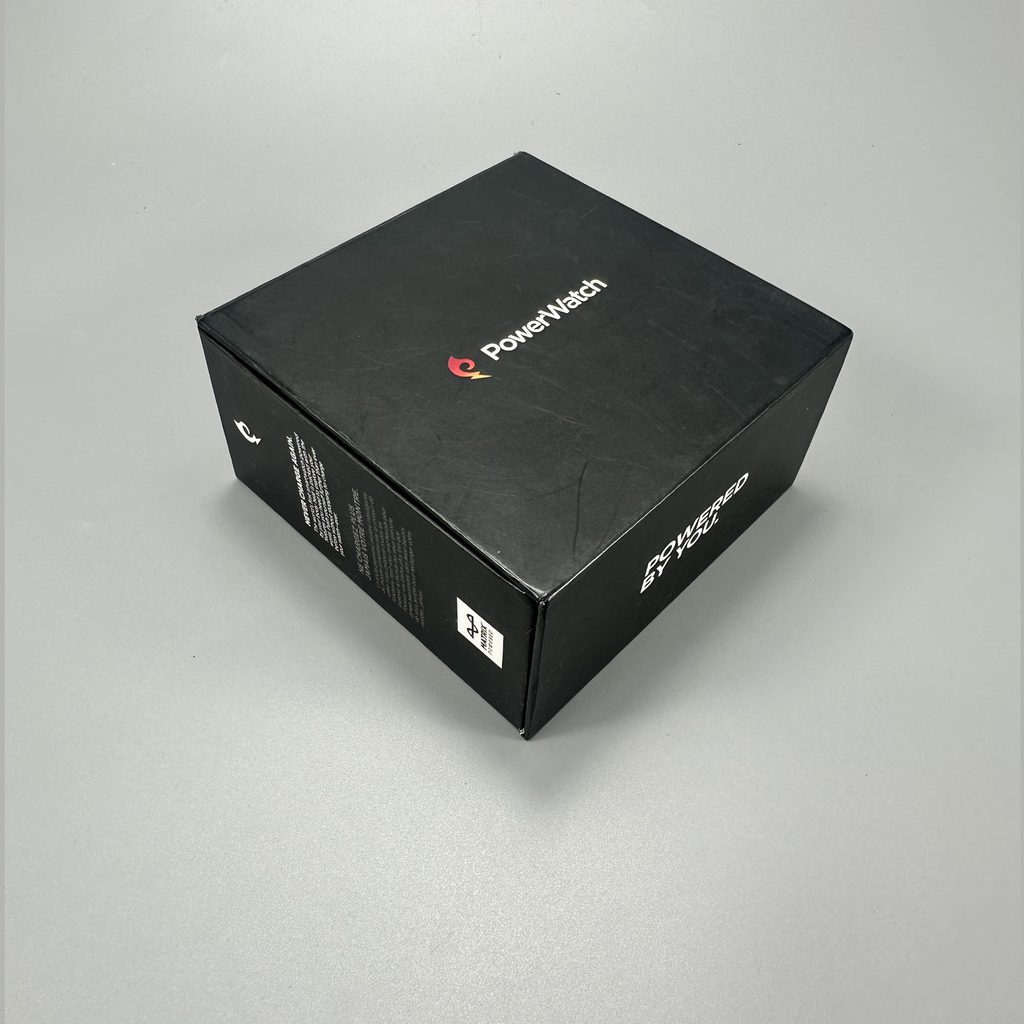
How to Measure Jewelry for a Custom Box
1. Establish the Presentation Position
Decide whether the jewelry will sit upright, lie flat, wrap around a cushion, or attach to a display card.
Measure it in that position. A necklace’s full chain length does not automatically equal the required box length.
2. Record Every Protruding Feature
Include clasps, earring backs, raised stones, pendant bails, and watch crowns.
For rings, measure from the insert’s support surface to the highest point of the setting. Checking the ring band alone can overlook the feature most likely to touch the lid.
3. Add the Support System
Define the insert thickness, slot position, cushion profile, and chain-storage area.
Then establish clearance around sensitive features. Avoid applying one fixed clearance allowance to every design; a flexible chain and a tall solitaire require different solutions.
4. Check the Complete Assembly
Close the sample with the actual jewelry installed. Confirm that the lid does not press against the piece and that removal feels natural.
Photograph the approved arrangement so production and fulfillment teams can reproduce it.
Why Inserts and Box Construction Change the Required Size
A custom jewelry box needs more than an attractive exterior. Its construction must preserve the space allocated to the product.
Rigid Box Walls and Closure Details
Rigid paper boxes use structural board covered with finishing materials. Wall build-up, wrapped edges, shoulders, hinges, and drawer components can affect available space.
Do not estimate the internal dimensions by subtracting a generic amount from the exterior. Request a drawing showing both.
Inserts That Secure Without Overpacking
Paperboard platforms, foam inserts, fabric-covered pads, and cushions create different support conditions.
Evaluate whether the insert:
– Holds the jewelry in its intended position.
– Prevents neighboring pieces from touching.
– Leaves access for fingers.
– Avoids pressure on prongs, posts, or fragile surfaces.
– Accommodates clasps and concealed chain sections.
For silver, an attractive lining is not automatically an anti-tarnish material. Pearls also need protection from scratching and unsuitable storage conditions. Confirm material compatibility rather than judging by softness or appearance alone.
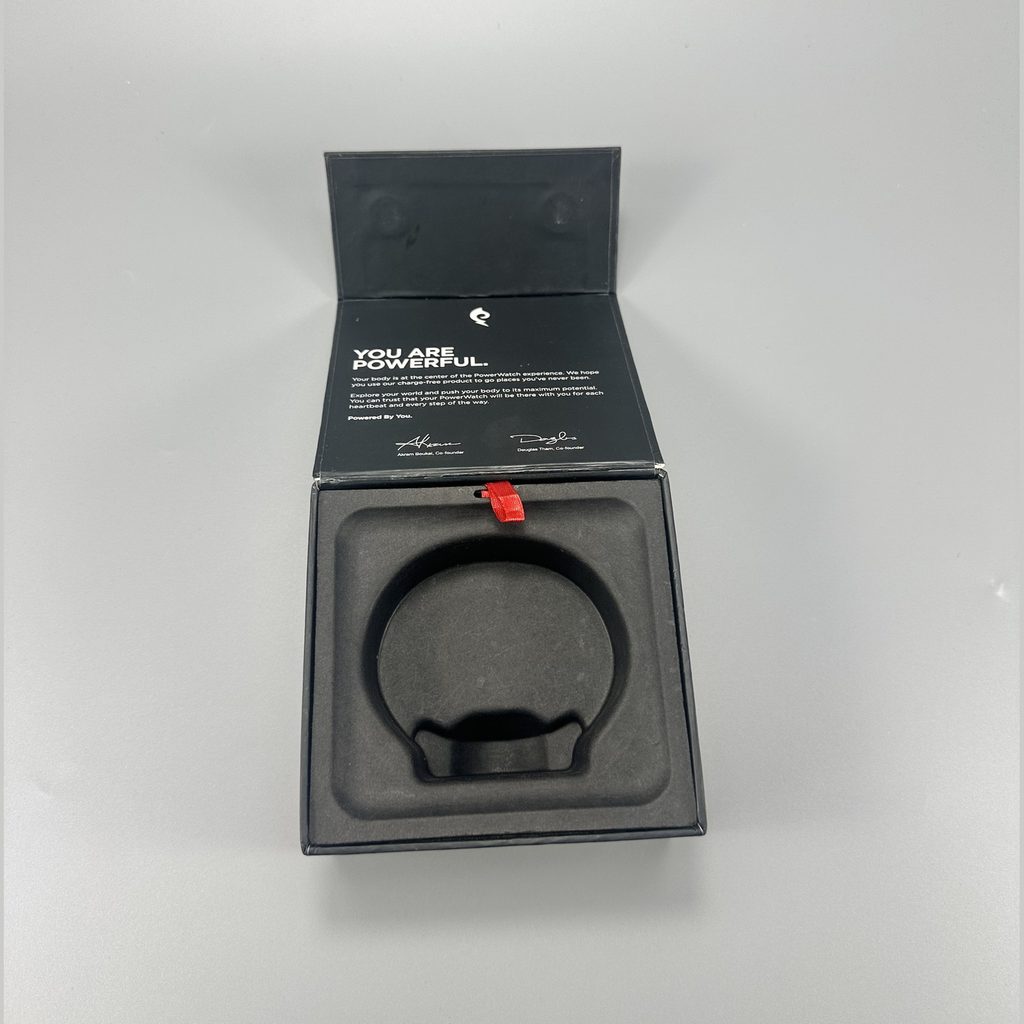
An Illustrative Ring Box Sizing Example
Suppose a ring extends 24 mm above its support surface. The proposed insert raises that surface 12 mm above the box floor.
The combined height is 36 mm before allowing for lid lining, clearance, and manufacturing variation.
A nominal 38 mm internal box height therefore leaves little room for the remaining design requirements. The appropriate response may be a lower insert, deeper box, or revised presentation angle.
This is an illustrative calculation, not a production specification. Its value is showing why ring height and box height cannot be compared without accounting for the insert.
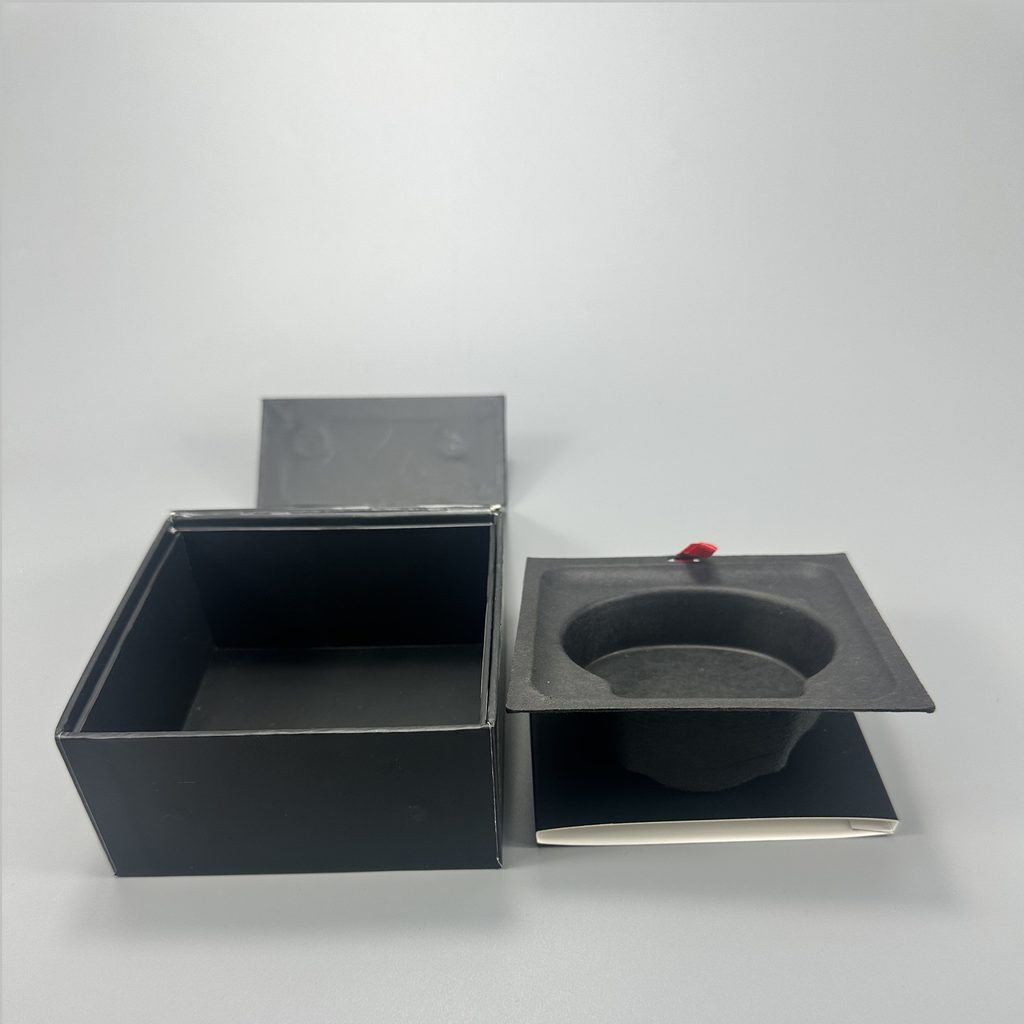
Prototype Testing: Approve More Than Appearance
A decorated sample can look convincing while hiding a poor fit. My recommended approval process includes three checks:
1. Fit check: Inspect the largest and most difficult product variants, including their backs and clasps.
2. Handling check: Open, close, pack, and unpack the box repeatedly. Look for snagging, abrasion, and insert movement.
3. Distribution check: Evaluate the complete shipping assembly under conditions relevant to the intended route.
An informal shake check can reveal obvious movement, but it does not replace appropriate transport testing.
Record acceptable dimensional tolerances in the approved specification. Without them, two parties may interpret “the same size” differently.
Right-Sizing Jewelry Packaging for Shipping and Product Ranges
The presentation box and shipping carton serve different purposes. A premium paper box should not automatically be treated as a parcel-ready shipping container.
Evaluate external shipping dimensions after adding the protective outer packaging. Dimensional weight relates package volume to a carrier-specific divisor, so unnecessary volume can affect shipping charges.
However, a smaller jewelry box does not guarantee lower freight costs. The finished parcel, service, destination, and applicable rate rules determine the result.
For multi-product collections, consider a limited family of box footprints with interchangeable inserts. This can simplify storage and packing while preserving product-specific support. Validate each combination rather than assuming one insert suits every item.
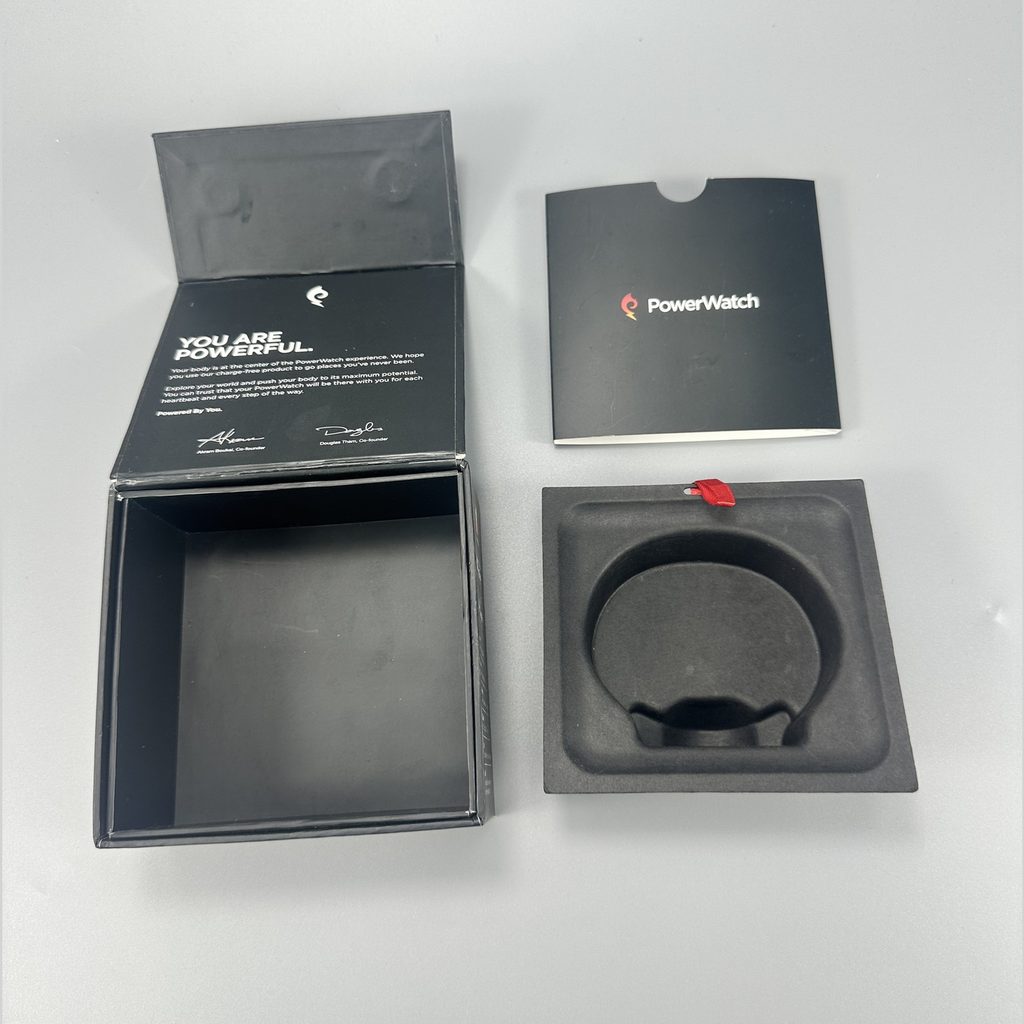
Request a Custom Jewelry Box Sized Around Your Product
Send Bonito Packaging your jewelry dimensions, product photographs, preferred display position, order quantity, and intended shipping method.
Include the largest product variant and any requirements for inserts, finishes, or care materials. Request a dimensioned proposal and physical prototype before approving bulk production.
A clear brief gives the manufacturer a stronger basis for developing packaging that balances protection, presentation, and practical handling.
Preguntas frecuentes
1. What are standard jewelry box dimensions?
There is no universal standard. Reference sizes vary by product and supplier; use them to begin sampling, not to replace measurements.
2. Should I specify internal or external dimensions?
Specify both. Internal and usable dimensions determine fit, while external dimensions support shipping, storage, and display planning.
3. How much clearance should jewelry packaging have?
Clearance depends on the jewelry, insert, closure, and production tolerances. Confirm it through drawings and samples rather than using a universal allowance.
4. What size box should I choose for a necklace?
Start with the intended chain arrangement and pendant dimensions. A compact pendant card and a statement necklace require different layouts.
5. Can one custom jewelry box fit several products?
Yes, when each product has suitable support. Interchangeable inserts may allow a shared box footprint without leaving smaller pieces unsecured.
References
1. [Custom Box Makers — “Jewelry Box Dimensions: Complete Size Guide & Considerations.”] Source article supplied for reconstruction; basis for the illustrative internal dimensions in the size chart. These figures are treated as starting points, not universal standards. [customboxmakers]
2. [Gemological Institute of America — “Tips on Caring for Jewelry.”] Supports the discussion of protective storage, separation, anti-tarnish storage for sterling silver, and special considerations for pearls and opals. [gia]
3. [Gemological Institute of America — “How Should I Care for My Pearls?”] Supports protection from rough objects, appropriate soft storage, and avoidance of dry, hot environments. [gia]
4. [UPS — “Package Dimensions, Size Limits and Weight Guide.”] Supports external parcel measurement and the explanation of dimensional weight and rate-dependent divisors. [ups]
5. [UPS — “How to Avoid Shipping Charge Corrections.”] Supports the importance of accurate finished shipping dimensions when evaluating charges. [ups]
 English
 Spanish
 French
 German
 Russian
 Japanese
 Portuguese
 Arabic