
Content Menu
● Why Packaging Design Matters for Brands
>> Packaging Design Builds Recognition
>> Packaging Design Supports Product Protection
>> Packaging Design Improves the Unboxing Experience
>> Packaging Design Helps Brands Differentiate
● The Core Elements of Effective Packaging Design
>> Structure: Start With Function, Not Decoration
>> Graphics: Make the Value Proposition Easy to Scan
>> Materials and Finishes: Match Perception With Performance
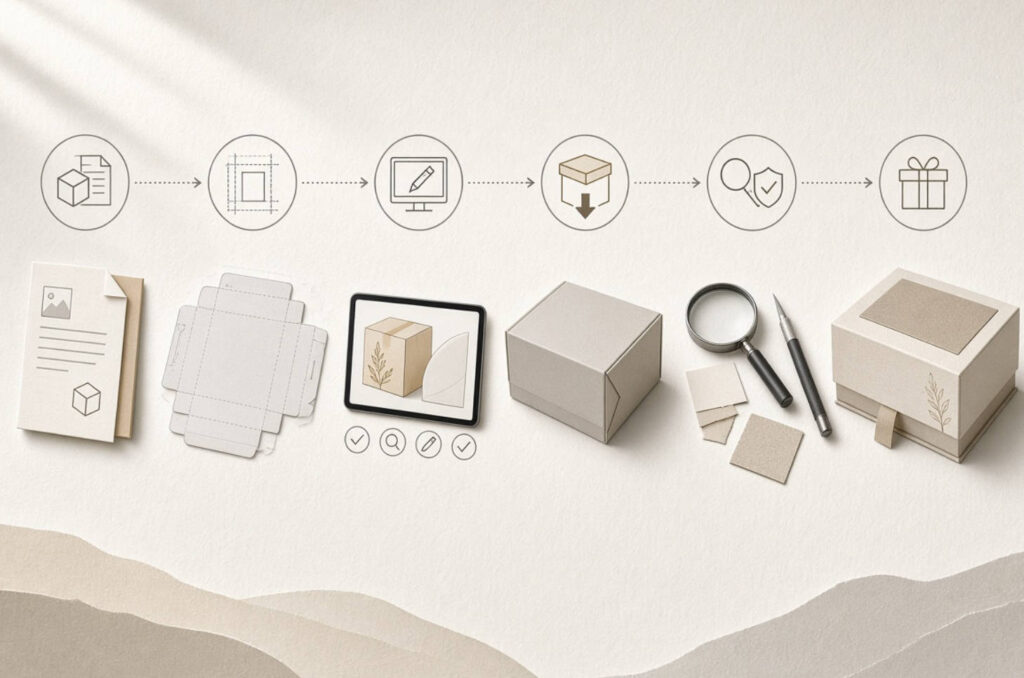
● How to Design Custom Packaging: A Manufacturer-Led Process
>> 1. Define the Packaging Brief
>> 2. Select the Right Packaging Structure
>> 3. Create Artwork With Production in Mind
>> 4. Prototype, Test, and Refine
>> 5. Approve Production Standards
● Packaging Design Trends That Matter in 2026
>> Sustainable Paper Packaging With Credible Choices
>> QR Codes With a Useful Purpose
>> Premium Minimalism and Tactile Detail
>> E-Commerce-Ready Packaging Systems
● Common Packaging Design Mistakes to Avoid
● Turn Packaging Into a Brand Asset
>> 1. What is the difference between packaging design and packaging printing?
>> 2. What should I prepare before requesting a custom packaging quote?
>> 3. Which packaging type is best for premium products?
>> 4. How can I make my packaging more sustainable?
>> 5. Why is a packaging prototype important?
>> 6. Can packaging design improve e-commerce customer experience?
Packaging design is the strategic process of shaping how a product is protected, presented, understood, opened, shipped, and remembered. For growing brands, effective envases personalizados design is not simply decoration on a box—it is a commercial system that connects product protection, brand recognition, customer experience, compliance, production efficiency, and sustainability.
En Bonito Packaging, we see packaging design as the point where creative direction meets manufacturing reality. A premium rigid box, folding carton, corrugated mailer, or custom paper bag succeeds only when it looks distinctive y performs reliably through printing, packing, warehousing, transport, and the customer’s unboxing moment.
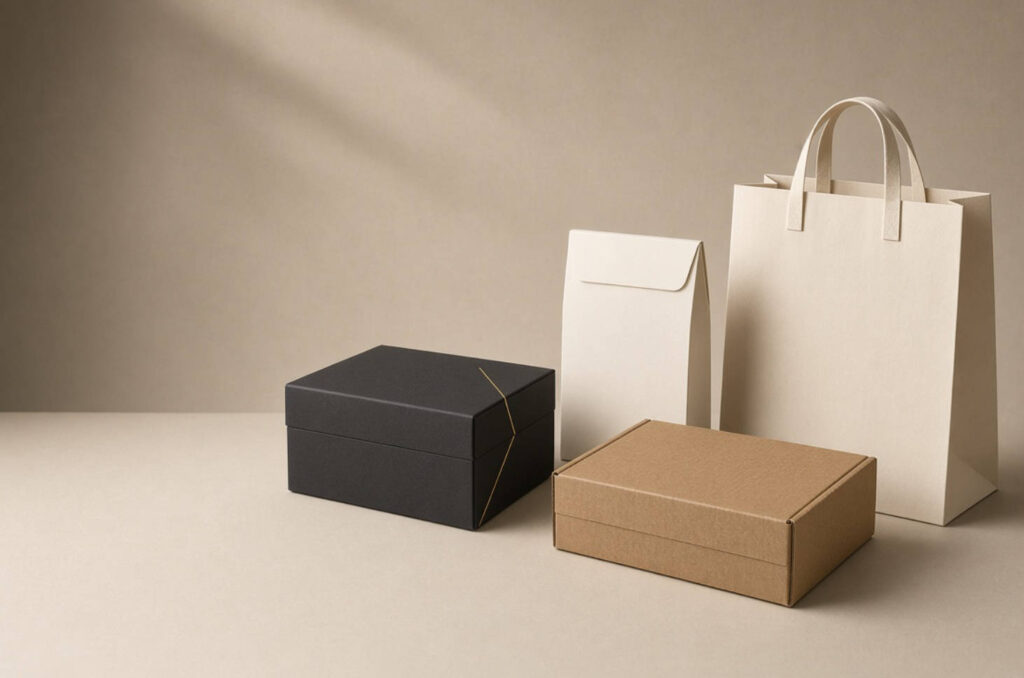
What Is Packaging Design?
Packaging design is the development of a package’s structure, graphics, materials, finishes, information hierarchy, and user experience. It determines how a product appears on a shelf, arrives through e-commerce delivery, communicates essential information, and supports the customer’s perception of quality.
A strong packaging design answers five immediate questions:
1. What is this product?
2. Who is it for?
3. Why should I trust or choose it?
4. How do I open, use, store, or recycle it?
5. Will the package protect the product until it reaches me?
For a cosmetics brand, packaging may need to signal elegance, ingredient transparency, and giftability. For an electronics company, it may need to secure fragile components, organize accessories, and simplify setup. For an e-commerce seller, the priority may be a lightweight custom mailer box that reduces void fill while creating a memorable delivery experience.
In other words, packaging is both a physical product system and a brand communication channel.
Why Packaging Design Matters for Brands
Customers often encounter packaging before they experience the product itself. That makes the package a high-impact brand touchpoint—especially in retail, gifting, subscription, direct-to-consumer, and export markets.
Research consistently shows that packaging attributes influence consumer perception and choice. However, brands should avoid treating design as a substitute for product quality. In current consumer research, price, product quality, food safety, and shelf life frequently remain more important than environmental claims alone. The best packaging strategy therefore combines a strong visual identity with protection, usability, credible material choices, and a competitive total cost.
Packaging Design Builds Recognition
Consistent use of brand colors, logo placement, typography, visual style, and structural cues helps customers recognize a product quickly. Over time, a recognizable package can reduce the effort required for customers to identify the brand across new product lines and sales channels.
For example, a skincare brand may use a signature soft-touch rigid box, muted color palette, and foil-stamped logo across sample kits, gift sets, and full-size products. Even when the box sizes change, the packaging system remains recognizably cohesive.
Packaging Design Supports Product Protection
A visually impressive package that fails in transit damages more than the item inside—it damages customer trust. Structural design must account for product dimensions, weight, fragility, shipping method, stacking conditions, and internal movement.
For paper-based packaging, this may involve:
– Selecting the correct paperboard or corrugated board grade
– Adding inserts, dividers, trays, or protective wraps
– Designing practical closure systems
– Allowing appropriate production and packing tolerances
– Testing the package with the real product, not just a digital mockup
Packaging Design Improves the Unboxing Experience
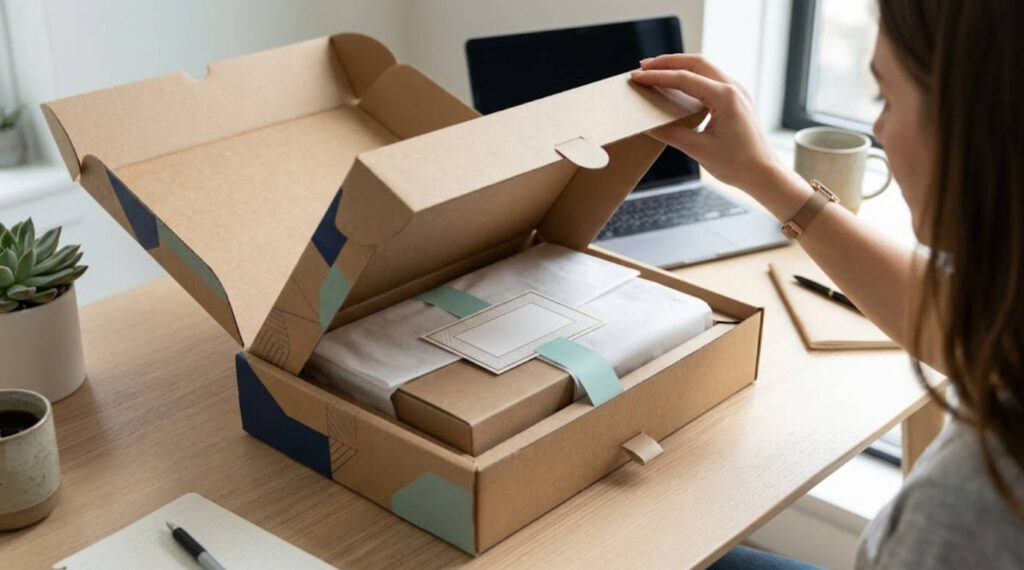
The unboxing experience is especially important for premium and e-commerce brands. Thoughtful details—such as a pull ribbon, clean reveal sequence, custom insert, printed interior, thank-you card, or easy-open mailer—can make the package feel intentional rather than purely functional.
The goal is not to add unnecessary layers. The goal is to create a customer journey that feels easy, polished, and worth sharing.
Packaging Design Helps Brands Differentiate
Many products compete in visually crowded categories. A differentiated packaging system helps a brand establish its position through a combination of structural choices and graphic clarity.
Differentiation may come from:
– A distinctive box shape or opening mechanism
– Premium textured paper or specialty finishes
– A bold color-blocking system
– Minimalist premium typography
– Illustrations that communicate origin or craftsmanship
– A reusable or multifunctional outer package
– Clear product benefits designed for fast scanning
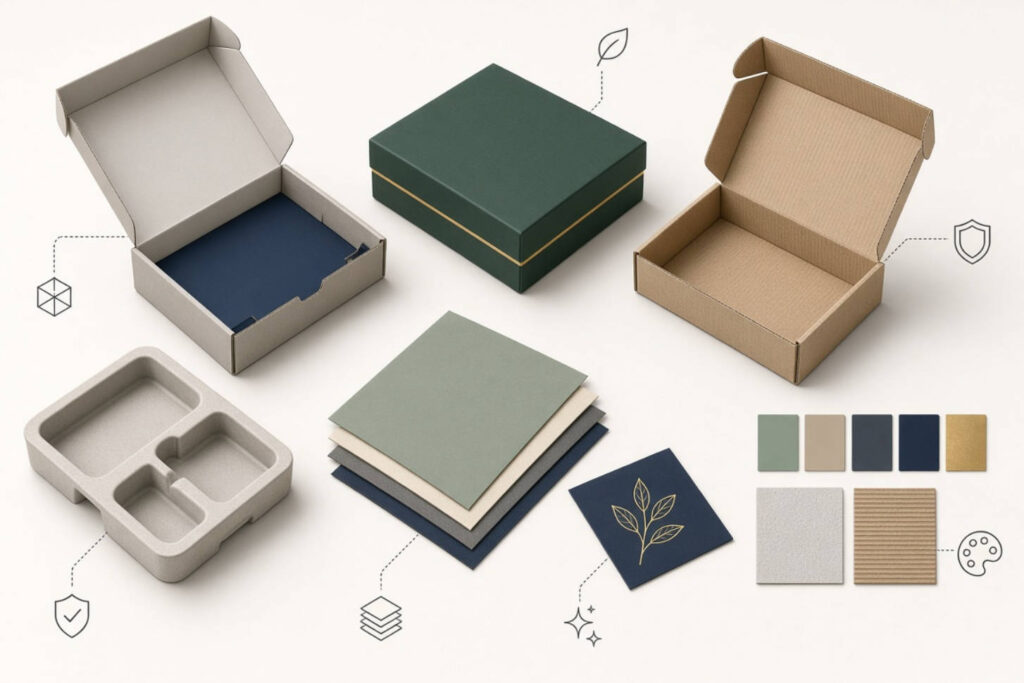
The Core Elements of Effective Packaging Design
Successful packaging design requires every component to work together. A premium package cannot rely only on a beautiful illustration, just as a strong box structure cannot compensate for confusing product information.
| Packaging Element | What It Does | Key Questions to Ask |
|---|---|---|
| Estructura | Defines shape, size, protection, opening, and assembly | Does it fit the product securely and ship efficiently? |
| Material | Affects durability, texture, print quality, weight, and recyclability | Is the material suitable for the product and market? |
| Graphics | Includes logo, imagery, typography, icons, and layout | Can a customer understand the product in seconds? |
| Color | Shapes attention, emotion, category cues, and brand recall | Does the color system work in print and across SKUs? |
| Información | Communicates product details, instructions, and required labels | Is the hierarchy clear, accurate, and market-appropriate? |
| Acabados | Adds visual and tactile value through foil, embossing, coatings, and more | Does the finish support the brand position and budget? |
| Internal Packaging | Holds, separates, and presents the product | Does it prevent movement while improving presentation? |
Structure: Start With Function, Not Decoration
The best custom packaging starts with the real product. Before choosing an artwork style, define the product’s dimensions, fragility, weight, packing orientation, accessories, and shipping route.
A rigid box may be suitable for luxury gifts, jewelry, fragrances, premium electronics, and collectible products. Folding cartons are often efficient for cosmetics, supplements, food-adjacent products, candles, and retail goods. Corrugated mailer boxes offer greater protection for direct shipping and can reduce the need for secondary packaging.
A common mistake is designing a package around a visual concept before confirming the structure. This can lead to wasted space, higher freight costs, difficult assembly, or inadequate protection.
Graphics: Make the Value Proposition Easy to Scan
Customers should not need to study the package to understand the product. Use a deliberate visual hierarchy:
1. Brand name or logo
2. Product name
3. Main benefit or category descriptor
4. Product variant, quantity, or key feature
5. Supporting information and required details
Avoid filling every surface with claims, icons, and decorative elements. White space can make premium packaging feel more confident and easier to navigate.
Materials and Finishes: Match Perception With Performance
Paper packaging offers a broad range of visual and tactile possibilities. Material and finish choices should support the intended market position without creating unnecessary complexity.
Popular options include:
– Uncoated paper: Natural, tactile, understated, and suitable for craft or eco-conscious positioning
– Coated paper: Smooth surface and strong color reproduction for retail graphics
– Textured paper: Adds a premium sensory quality for luxury boxes and invitations
– Matte lamination: Creates a refined, modern appearance
– Gloss lamination: Enhances color vibrancy and provides surface protection
– Hot foil stamping: Adds metallic detail for logos, borders, and focal points
– Embossing or debossing: Creates tactile brand recognition
– Spot UV: Highlights selected artwork areas with contrast and shine
Use finishes strategically. A single precisely placed foil logo can often feel more premium than multiple competing effects.
How to Design Custom Packaging: A Manufacturer-Led Process
A practical packaging design process reduces revisions, avoids costly production errors, and moves a project from concept to mass production with greater confidence.
1. Define the Packaging Brief
Begin with a clear brief that includes the product, customer, market, positioning, target retail or shipping channel, quantity, timeline, and budget.
A useful brief should specify:
– Product dimensions, weight, and fragility
– Required packaging type and target box size
– Target customer and price positioning
– Brand guidelines and product photography
– Sales channel: retail, e-commerce, wholesale, subscription, or gifting
– Desired print effects and finishes
– Required information, symbols, barcodes, and language versions
– Sustainability goals and material preferences
– Destination market and shipping conditions
The more complete the brief, the more accurately a packaging manufacturer can recommend materials, construction, and production methods.
2. Select the Right Packaging Structure
Choose the structure based on use, not trend. A premium magnetic closure box may be appropriate for a high-value gift set, but it could be excessive for a low-margin product that needs to ship in large volumes.
Evaluate each structure against four criteria:
– Protección: Can it withstand handling and transport?
– Presentation: Does it deliver the intended brand experience?
– Efficiency: Does it minimize material, assembly time, and shipping volume?
– Scalability: Can it be produced consistently at your planned order quantity?
3. Create Artwork With Production in Mind
Packaging artwork must work beyond the computer screen. Colors, thin lines, foil details, barcodes, folds, glue areas, and die-cut windows all require technical review before printing.
Work from an approved dieline and keep critical text away from fold lines, cut lines, perforations, and glue flaps. If your design uses precise brand colors, provide Pantone references where needed and request a proof before full production.
4. Prototype, Test, and Refine
A prototype helps verify the package’s fit, look, opening sequence, and assembly. It is also the best time to identify hidden problems, such as a product shifting inside the box or a lid that is too tight for repeated opening.
Test with actual products and typical shipping conditions. For export packaging, consider long-distance handling, humidity, stacking, and outer-carton requirements.
5. Approve Production Standards
Before mass production, align on key specifications:
– Final dimensions and tolerances
– Paper or board grade
– Printing method and color expectations
– Finishing details
– Insert construction
– Assembly method
– Quality inspection standard
– Packing configuration and delivery schedule
This step turns a creative concept into a repeatable manufacturing specification.
Packaging Design Trends That Matter in 2026
Trends can inspire packaging design, but they should never override brand fit or product function. The most useful trends are those that improve clarity, customer experience, or operational efficiency.
Sustainable Paper Packaging With Credible Choices
Demand for recyclable packaging remains meaningful, particularly for e-commerce and consumer products. Recent consumer research indicates that recyclable packaging is widely valued, while price, quality, safety, and shelf life remain decisive purchasing factors.
For brands, this means sustainability should be practical and specific. Instead of vague “eco-friendly” claims, focus on choices customers can understand:
– Use right-sized packaging to reduce excess material
– Select paper-based formats where they are appropriate for the product
– Design components for easier separation and disposal
– Avoid unnecessary plastic inserts or mixed materials where possible
– Communicate disposal instructions clearly and accurately
QR Codes With a Useful Purpose
A QR code can extend packaging beyond the physical surface. It can link to product instructions, authentication, tutorials, ingredient details, refill programs, loyalty content, or brand stories.
The code should offer real value. A generic homepage link is less useful than a page tailored to the specific product or campaign.
Premium Minimalism and Tactile Detail
Minimal packaging remains effective when it is intentional. Brands increasingly use clean layouts, strong typography, uncoated or soft-touch materials, and one or two tactile details to create a premium impression.
This approach can also improve readability, which is valuable when packaging includes product benefits, ingredients, instructions, or multilingual content.
E-Commerce-Ready Packaging Systems
For direct-to-consumer brands, packaging must work in a delivery network as well as in an Instagram post. Right-sized mailer boxes, protective inserts, tamper-evident features, and clean opening experiences are increasingly important.
The strongest e-commerce packaging is not the most elaborate. It is the one that arrives intact, feels on-brand, and avoids frustrating excess.
Common Packaging Design Mistakes to Avoid
Even attractive packaging can underperform when the process overlooks practical details.
– Designing before measuring the product: This creates fit problems, excess void space, and expensive changes.
– Using too much information on the front panel: Customers need a clear hierarchy, not a wall of text.
– Choosing finishes without considering the product position: Premium effects should reinforce value, not distract from it.
– Ignoring shipping conditions: Retail cartons and shipping mailers have different performance requirements.
– Skipping physical prototypes: Digital renderings cannot fully reveal structural, assembly, and tactile issues.
– Making unverified sustainability claims: Environmental messaging should be specific, accurate, and supported by the actual material system.
– Failing to plan for future SKUs: A packaging system should allow new flavors, sizes, colors, or collections without losing brand consistency.
Turn Packaging Into a Brand Asset
Great packaging design is a business decision as much as a creative one. It should protect the product, reduce avoidable operational costs, explain the offer clearly, and create an experience customers want to remember.
Bonito Packaging helps brands develop high-end custom paper packaging that balances structural reliability, print quality, premium finishing, and practical production requirements. Whether you need custom rigid boxes, folding cartons, corrugated mailer boxes, paper bags, or tailored inserts, the right process starts with your product and ends with a package built for the real customer journey.
Ready to develop packaging that looks premium and performs in the market? Contact Bonito Packaging with your product dimensions, artwork, quantity, and target market to discuss a custom packaging solution.
PREGUNTAS FRECUENTES
1. What is the difference between packaging design and packaging printing?
Packaging design covers the full concept: structure, dimensions, materials, user experience, graphics, and finishes. Packaging printing is one production stage within that process, focused on applying artwork and colors to the selected packaging material.
2. What should I prepare before requesting a custom packaging quote?
Prepare product dimensions, product weight, packaging style preferences, order quantity, destination market, artwork files or brand guidelines, desired material and finish, and the required delivery date. If possible, provide physical samples of the product.
3. Which packaging type is best for premium products?
Rigid boxes are commonly used for premium gifts, cosmetics, jewelry, electronics, and luxury retail because they offer strong presentation and structural value. The best choice still depends on the product’s weight, dimensions, shipping method, and budget.
4. How can I make my packaging more sustainable?
Start by reducing unnecessary size and layers. Choose paper-based packaging where suitable, minimize hard-to-separate mixed materials, use only necessary inserts, and provide accurate disposal guidance. Sustainability should always be balanced with product protection.
5. Why is a packaging prototype important?
A prototype lets you check product fit, opening experience, print appearance, assembly, and durability before mass production. It can prevent costly changes and quality problems later in the process.
6. Can packaging design improve e-commerce customer experience?
Yes. E-commerce packaging can improve delivery protection, simplify opening, reduce excess materials, organize products and accessories, and reinforce brand perception. A strong unboxing experience can also encourage repeat purchases and social sharing.
References
1. Packlane. “[What Is Packaging Design?]” Accessed August 2026.
2. McKinsey & Company. “[Sustainable Packaging 2025: Top Barriers for Packaging Purchasers]” 2025.
3. McKinsey & Company. “[Winning in Sustainable Packaging in 2025: Bringing It All Together]” 2025.
4. Two Sides North America. “[2025 Trend Tracker Reveals Consumer Preferences for Packaging]” 2025.
5. Two Sides. “[Consumers Favour Sustainable Packaging for Online and In-Store Purchases]” 2025.
6. Deng, H. “[Food Packaging Design Influence on Consumer Purchase Decisions]” *SPIE Digital Library*, 2026.
7. Pro Carton / interpack. “[Pro Carton Survey on Packaging: Consumers Like It Sustainable]” 2026.
Hot Tags: Custom Packaging, Manufacturers, Customized, Custom, Suppliers, Buy, Cheap, Quality, Advanced, Durable, in Stock, Made in China, Price, Quotation, Free Sample
 English
  Spanish
  French
  German
  Russian
  Japanese
  Portuguese
  Arabic