
について best Halloween packaging ideas do more than look spooky. They protect your product, communicate its value, and make seasonal buying feel special. For brands selling chocolates, bakery treats, candles, cosmetics, or gift sets, custom Halloween packaging should balance creative storytelling with practical manufacturing decisions.
で ボニート・パッケージング, we approach カスタムパッケージング from a paper-packaging manufacturer’s perspective: start with the product, choose a suitable structure, and then develop the seasonal design. A striking box loses its appeal if it arrives crushed, feels difficult to open, or costs more than the campaign can support.
This guide explores five creative concepts and the specifications that help turn them into commercially useful packaging.
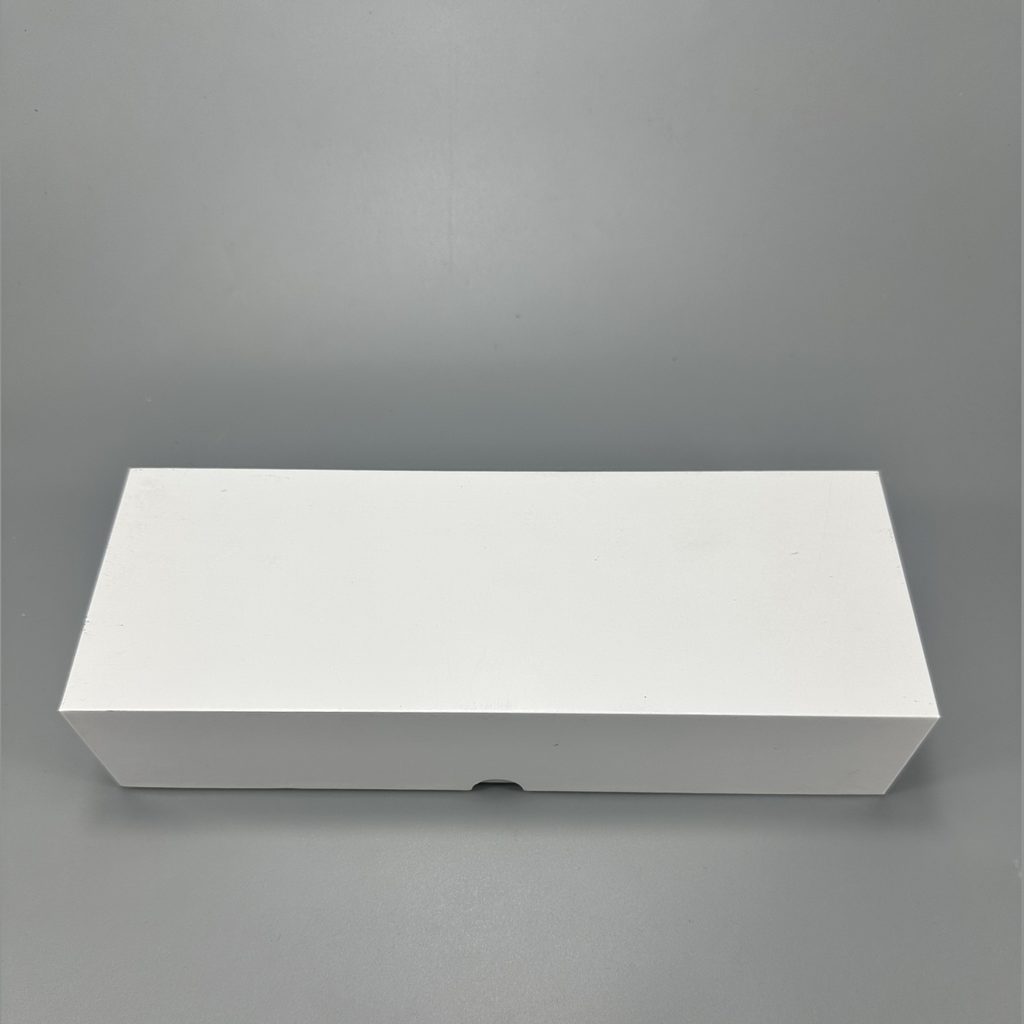
Why Halloween Packaging Needs More Than Seasonal Graphics
U.S. Halloween spending is projected to reach $13.5 billion in 2026. Meanwhile, 49% of surveyed consumers plan to begin shopping in September or earlier.
These figures describe consumer intentions—not guaranteed sales for individual brands. The practical takeaway is to prepare packaging before the selling season and make the value proposition clear.
For premium products, that value might come from thoughtful presentation, secure inserts, or a box suitable for gifting. Seasonal artwork should support your brand identity rather than conceal it.
Five Halloween Packaging Ideas for Different Products
1. Haunted House Treat Boxes for Bakery Collections
A haunted-house silhouette turns a standard treat box into a miniature scene. Printed windows, roof details, and illustrated doors create interest without requiring complicated moving parts.
For bakery collections, I would prioritize a stable base and straightforward closure before adding decorative features.
Consider:
– A wide opening for loading delicate products.
– Dividers to separate individually wrapped treats.
– Clearly designated areas for product information.
– A flat-packed structure where practical.
Avoid tall, fragile roof elements unless samples demonstrate that they survive handling.
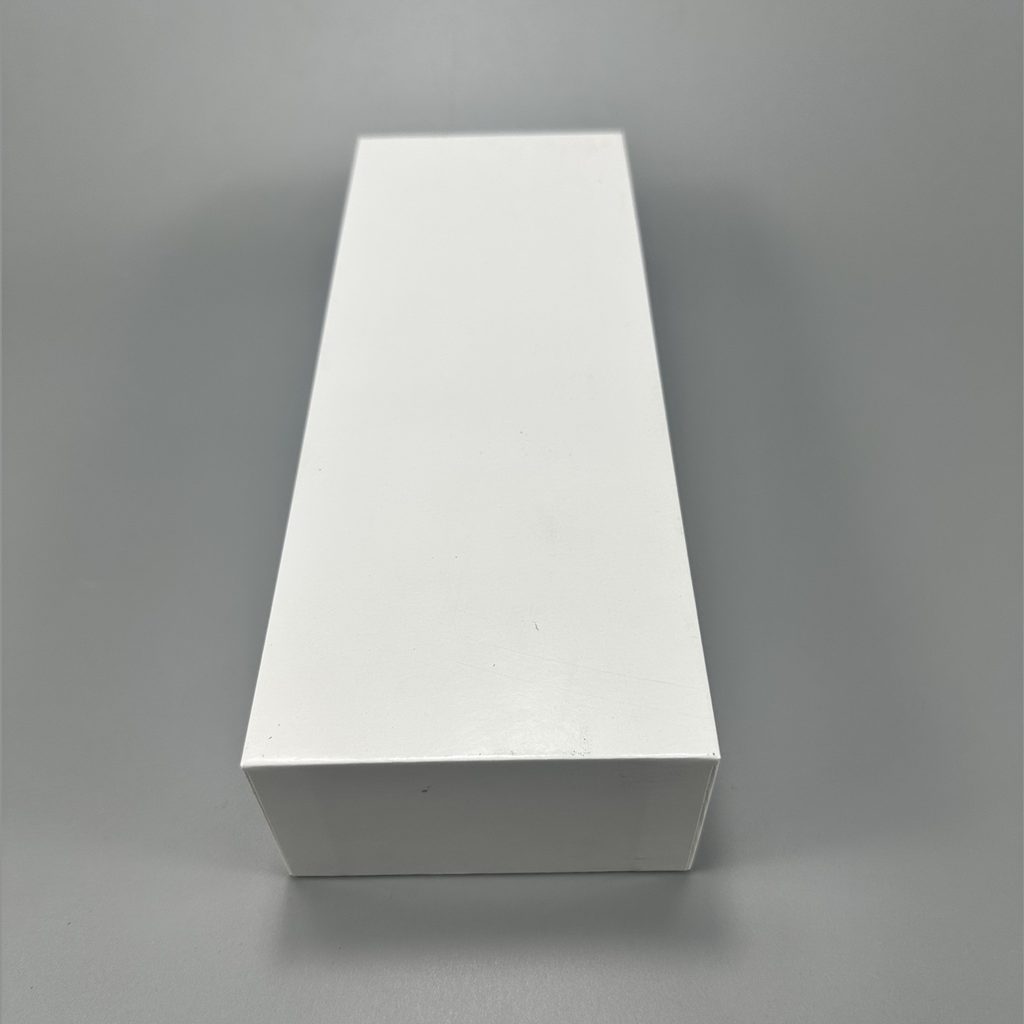
2. Monster Mouth Candy Boxes for Party Favors
Monster-mouth artwork works well for compact candy assortments and event giveaways. The opening can become part of the illustration, making the structure feel playful.
However, a mouth-shaped cutout should not expose loose candy directly. Use an appropriate inner pack or develop a food-contact solution for the intended product.
Keep assembly simple when staff must prepare hundreds of favors. An elaborate box can become expensive through labor, even when its material cost looks reasonable.
3. Coffin-Shaped Gift Boxes for Premium Products
Coffin-shaped packaging suits darker, more theatrical brand identities. It can accommodate chocolates, accessories, cosmetics, or a carefully arranged gift set.
The unusual shape introduces a practical challenge: wasted internal space. A fitted paperboard insert can organize contents and prevent movement.
For fragile products, treat the coffin box as presentation packaging until shipping tests establish otherwise. A decorative shape alone does not prove protective performance.
4. Spiderweb Paper Boxes for Understated Luxury
Spiderweb graphics offer a Halloween theme without changing the entire box structure. Fine-line patterns, restrained typography, and a contrasting interior can create a sophisticated presentation.
My design recommendation is to reserve intricate artwork for areas where it remains legible. Small web details can disappear against a busy background.
Start with a printed paperboard concept. Evaluate foil, coatings, or laminated finishes separately against budget, appearance, and end-of-life requirements.
5. Pumpkin-Themed Boxes for Seasonal Gift Assortments
Pumpkin packaging can be cheerful, elegant, or theatrical depending on the illustration style.
A rectangular carton with pumpkin artwork is a practical alternative to a fully sculpted pumpkin shape. It preserves the seasonal message while simplifying product arrangement.
For broader autumn use, consider a reusable core design with a removable Halloween sleeve. This gives the brand more flexibility if seasonal demand falls below expectations.
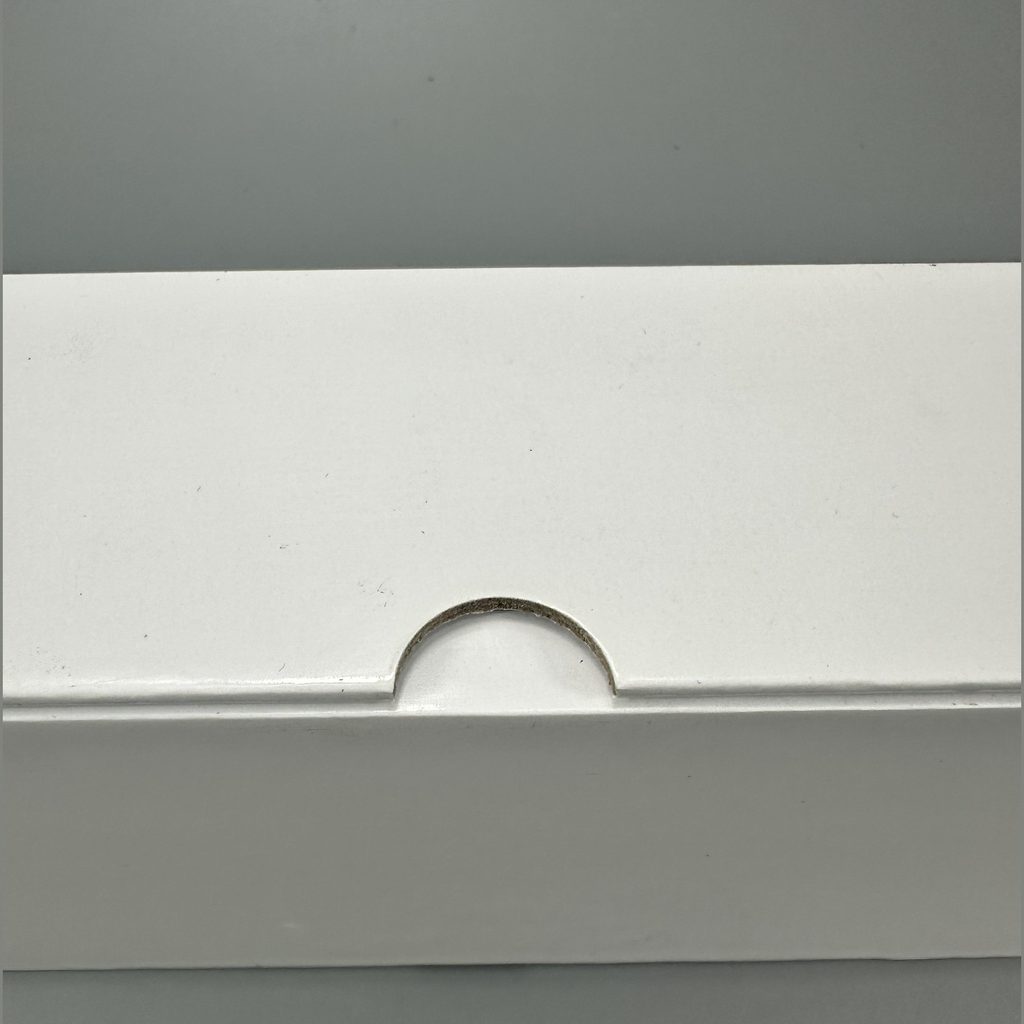
How to Choose Materials for Custom Halloween Packaging
Material selection should follow product weight, distribution conditions, and presentation goals—not color alone.
| Packaging approach | Suggested application | Main point to validate |
|---|---|---|
| Folding paperboard carton | Lightweight treats and cosmetics | Closure strength and product fit |
| Corrugated box | Shipping or heavier assortments | Protection under actual transit conditions |
| Rigid paperboard box | Premium presentation sets | Insert fit, storage space, and total cost |
| Printed paper sleeve | Seasonal updates to existing boxes | Secure fit and information visibility |
These are starting points for development, not universal specifications. Board grade, dimensions, construction, and inserts all affect the finished package.
Request a structural sample before approving the artwork. Check the box with the real product inside, including its primary wrapping.
Three Checks That Improve Packaging Performance
Food-Contact Suitability: Evaluate the Complete Construction
Paper packaging is not automatically suitable for direct food contact.
For U.S. food applications, assess the relevant components and their intended conditions of use. Paperboard, coatings, adhesives, and other substances may require different compliance considerations.
Tell your supplier whether the product is wrapped, greasy, moist, chilled, or placed directly against the packaging. Request documentation appropriate to that application rather than relying on a generic “food-safe” description.
Environmental Claims: Describe What You Can Substantiate
Avoid broad claims such as “100% eco-friendly” without supporting evidence.
A more useful approach identifies the material or verified attribute precisely. If claiming recycled content, specify the applicable component and percentage when supported.
Recyclability also depends on collection and processing availability. Finishes, liners, and added components should be considered when evaluating the complete package.
Brown kraft appearance alone does not establish environmental performance.
Cost Control: Compare the Complete Delivered Solution
Evaluate more than the quoted unit price.
Include tooling, sampling, printing, inserts, assembly labor, freight, storage, and likely leftover inventory. Ask suppliers to distinguish one-time charges from recurring production costs.
For an initial seasonal campaign, I would compare a new custom structure against an existing box with Halloween artwork or a sleeve. The latter may offer a simpler route, but the actual savings require a project-specific quotation.
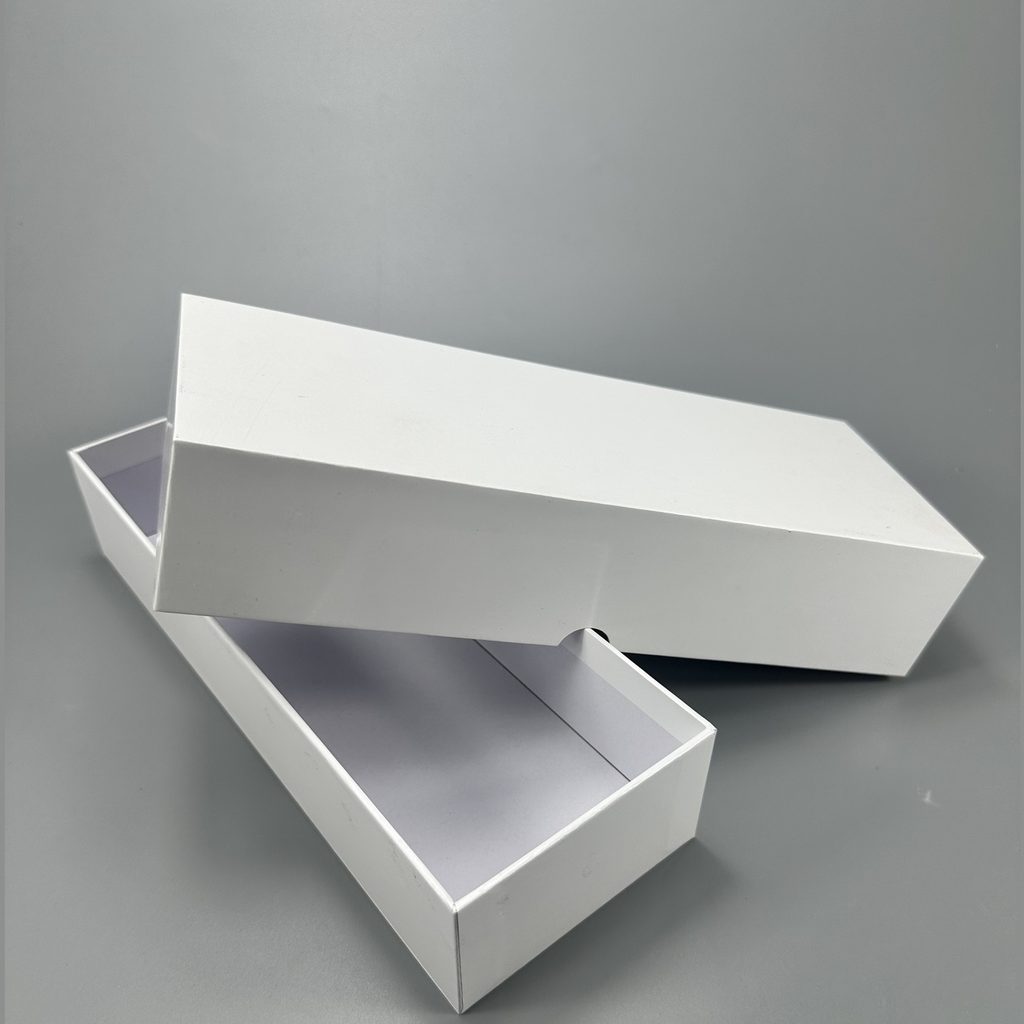
A Practical Workflow for Your Halloween Packaging Project
1. Define the product, audience, quantity, budget, and sales channel.
2. Provide product dimensions, weight, and wrapping details.
3. Select a structure and review a physical sample.
4. Confirm artwork, readable information, and finish requirements.
5. Validate product fit, assembly, and shipping performance.
6. Approve the production sample and agreed delivery schedule.
Work backward from your required in-stock date. Confirm manufacturing and freight timings with the supplier rather than treating a generic lead time as a delivery promise.
For performance measurement, compare seasonal packaging with your normal presentation using similar products, pricing, and sales conditions. Track conversion, damage reports, packing time, and unsold inventory—not social engagement alone.
Develop Your Halloween Packaging With Bonito Packaging
Share your product dimensions, target quantity, preferred box style, artwork requirements, destination market, and required delivery date with Bonito Packaging.
As a source manufacturer of high-end custom paper packaging, we can discuss your brief and help identify the structural and design questions that need resolving before production.
Request a project-specific quotation and sample proposal so your Halloween concept can be evaluated as a complete packaging solution.
FAQ: Custom Halloween Packaging
1. What are the best Halloween packaging ideas for premium brands?
Coffin-shaped gift boxes, understated spiderweb cartons, and coordinated seasonal sleeves are useful starting points. Choose the concept that matches your brand and product rather than relying on novelty alone.
2. Can paper Halloween boxes hold unwrapped food?
Only when the complete food-contact construction is suitable for the intended application. Confirm relevant documentation and usage conditions with your supplier before placing unwrapped food inside.
3. How can I reduce custom Halloween packaging costs?
Compare standard structures, fewer finishes, shared box sizes, and seasonal sleeves. Include assembly, freight, and leftover stock when assessing costs.
4. Are Halloween paper boxes recyclable?
That depends on the package construction and local recycling systems. Check coatings, windows, inserts, and other components before making a recyclability claim.
5. When should I start planning Halloween packaging?
Start early enough to complete sampling, artwork approval, production, and delivery before your launch. Confirm a project-specific schedule, particularly if you want products available to early seasonal shoppers.
6. What should I include in a packaging quotation request?
Provide product dimensions, weight, quantity, box style, printing requirements, inserts, destination, and deadline. Specify whether the packaging will directly contact food.
References
1. OXO Packaging. “5 Spooky Halloween Packaging Ideas Every Brand Should Try in 2025.” Waqas Khan Pitafi, August 25, 2025. Source article reviewed for the five creative themes; wording and manufacturing guidance have been independently restructured. [oxopackaging]
2. National Retail Federation. “NRF Halloween Survey Shows Consumer Spending Expected to Reach $13.5 Billion.” September 22, 2026. Source for projected spending and early-shopping figures. The survey covered 7,889 consumers and measured shopping intentions. [nrf]
3. U.S. Food and Drug Administration. “Determining the Regulatory Status of Components of a Food Contact Material.” Source for component-level compliance considerations and requesting documentation for the intended food-contact use. [fda]
4. Federal Trade Commission. “Guides for the Use of Environmental Marketing Claims,” 16 CFR Part 260. Source for substantiation and qualification of environmental claims, including recyclability. [ftc]
5. Federal Trade Commission. “Eco-Friendly and Green Marketing Claims.” Source for explaining recycled-content claims and the limits of local recyclability. [consumer.ftc]
6. Bonito Packaging’s supplied company description. Source for the company’s positioning as a manufacturer of high-end custom paper packaging. Structural recommendations and workflow suggestions are editorial guidance, not verified company case studies.
 English
 Spanish
 French
 German
 Russian
 Japanese
 Portuguese
 Arabic