
カスタムメーラーボックス with tear strips can make deliveries easier to open and returns simpler to prepare. However, easy opening and return readiness are not the same feature. A tear strip opens the package; a separate, unused adhesive strip allows customers to reseal it.
For brands comparing conventional mailers with return-ready packaging, that distinction matters. The best solution balances opening convenience, product protection, manufacturing cost, and reverse logistics.
で ボニート・パッケージング, our focus as a manufacturer of custom paper packaging is to connect presentation with practical structural requirements. My starting point for evaluating a mailer is simple: can the customer open, repack, and securely close it without unnecessary effort?
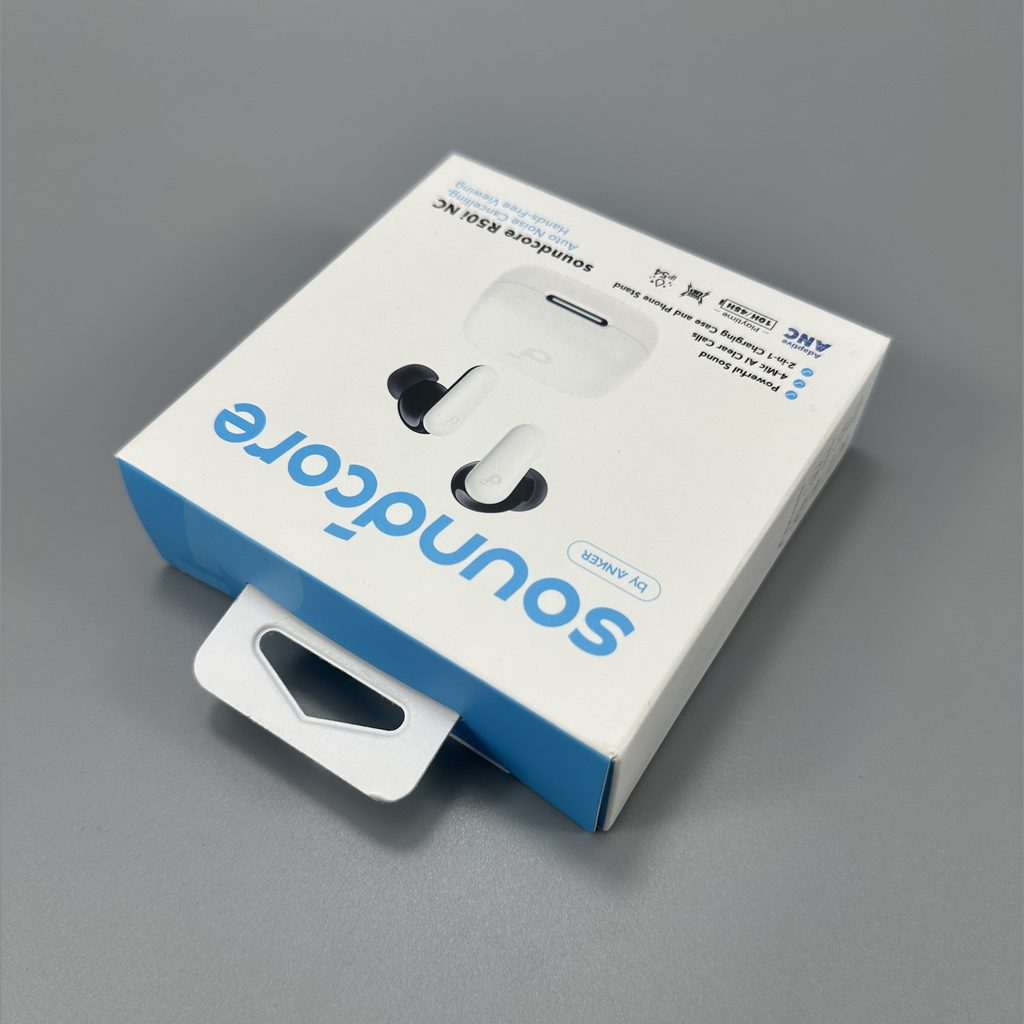
Custom Mailer Boxes with Tear Strips vs. Conventional Mailers
Conventional mailer boxes typically use tuck-in closures, external tape, or a combination of both. Tear-strip mailers incorporate a designated opening path. Return-ready versions add a second adhesive closure that remains available after opening.
| Evaluation factor | Conventional mailer | Tear-strip mailer with return adhesive |
|---|---|---|
| Opening method | Untuck flaps or cut external tape | Pull a designated tear strip |
| Return closure | Often requires additional tape | Uses a reserved adhesive strip |
| Customer instructions | Explain repacking and taping | Explain opening and second closure |
| Manufacturing requirements | Generally simpler converting | Additional strip placement and alignment |
| Reuse potential | Depends on opening damage | Depends on retained structure and closure |
| Best-fit application | Shipments where basic closure is sufficient | Shipments where convenient repacking matters |
Neither format automatically guarantees better protection. Board selection, dimensions, inserts, closure integrity, and shipping conditions remain critical.
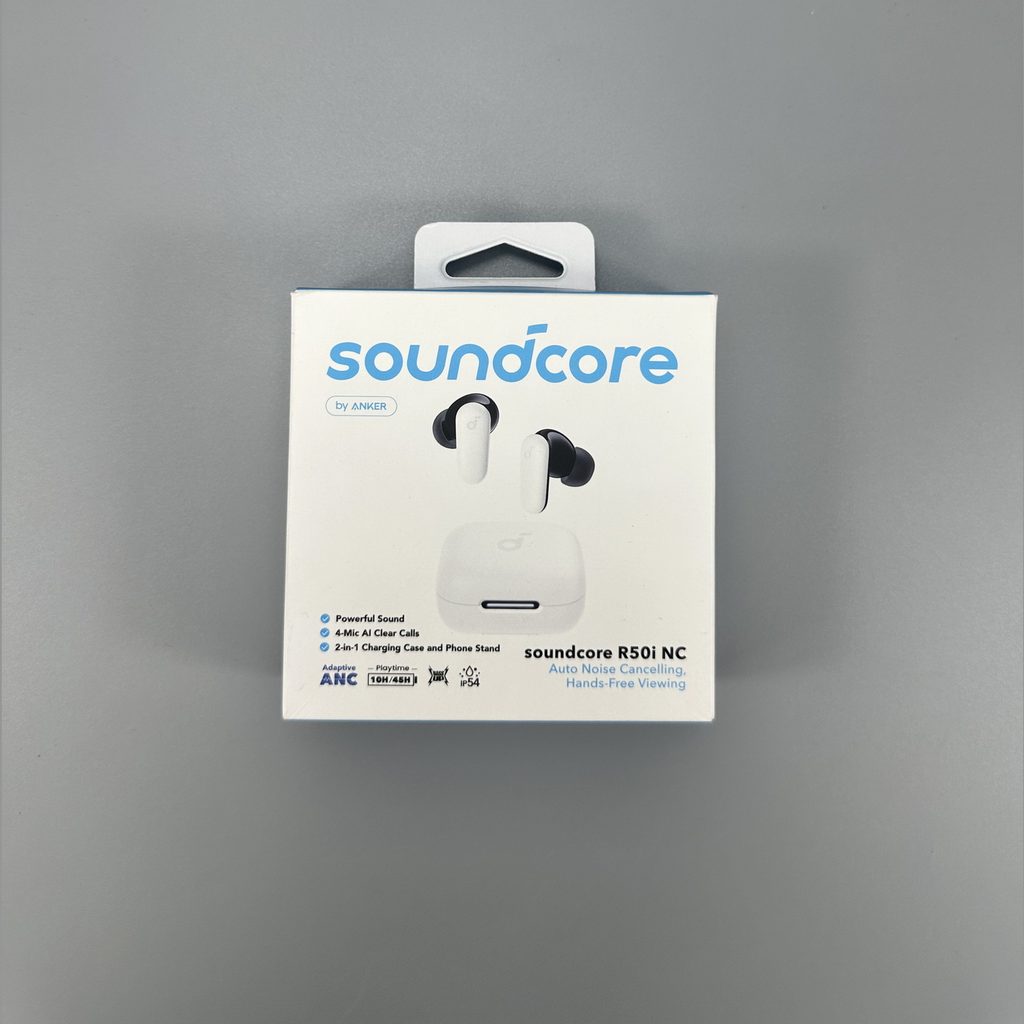
How Tear Strips Improve the Customer Returns Process
Easy Opening Preserves the Return Container
A designated tear strip gives customers an obvious opening route. When properly designed, it separates the opening section without requiring customers to cut through the main lid.
That matters because a damaged lid or torn sidewall may make the original package unsuitable for reuse. Preserving the box gives customers a practical repacking option.
Nevertheless, the tear path must be tested. A strip that is difficult to locate, breaks prematurely, or tears into the wall defeats its purpose.
A Second Adhesive Strip Enables Resealing
The most important distinction is resealability.
An opening feature alone does not make a mailer return-ready. The structure also needs a usable closing surface and a separate adhesive strip protected until the return shipment.
A typical sequence is:
1. The fulfillment team closes the outbound package using the first adhesive strip.
2. The customer opens it using the tear strip.
3. The customer replaces the product and protective components.
4. The customer removes the second release liner and presses the return closure firmly.
The exact arrangement depends on the box design. Approve a physical sample rather than relying on a flat drawing.
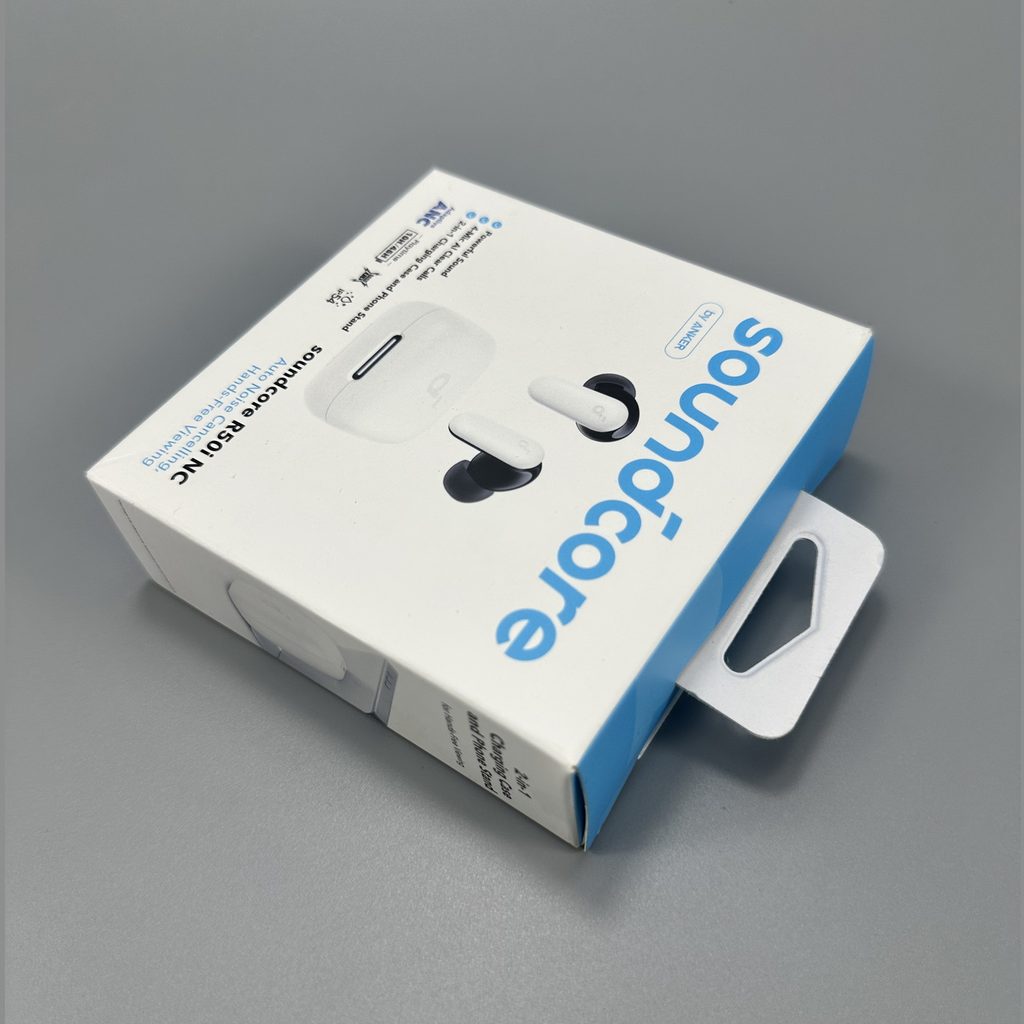
Structural Design: What Buyers Should Specify
Match the Board to the Packed Product
Avoid selecting board solely because a flute profile looks premium or feels rigid.
Specify the product’s packed weight, dimensions, fragility, and distribution conditions. Then evaluate the complete package, including inserts and closure components.
A compact apparel shipment and a fragile cosmetic gift set may require different structures even when their external dimensions are similar.
The useful question is not “Which board is strongest?” It is “Which construction protects this product through its intended journey?”
Separate Opening and Closing Functions
The tear path should leave enough undamaged material for the return closure. Adhesive placement must also avoid interfering with folding, opening, and product access.
Ask the manufacturer to demonstrate:
– Clean opening across the full tear path.
– Access to the unused return adhesive.
– Reliable alignment after customer repacking.
– Adequate product clearance around the opening feature.
These details deserve attention before artwork approval, not after production.
Make Instructions Part of the Structure
Use short instructions near the relevant feature:
– “Pull Here to Open.”
– “Keep This Box for Returns.”
– “Remove Liner and Press Firmly to Reseal.”
A useful design review checks whether customers can identify these actions without searching a separate instruction sheet.
Do not position essential instructions where opening removes them.
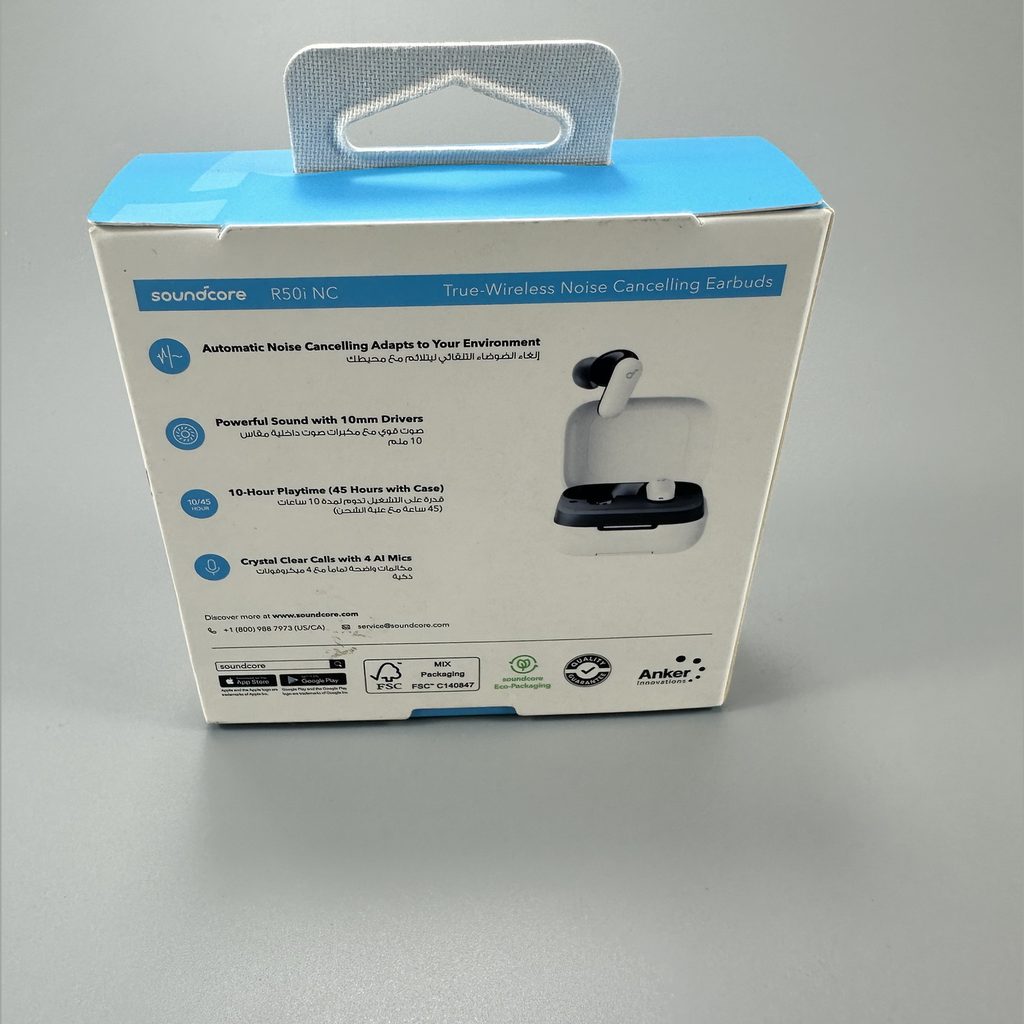
A Practical Two-Journey Testing Plan
A return-ready mailer should be evaluated beyond its unopened condition. My recommended approach is to examine the full sequence: outbound shipping, customer opening, repacking, and return shipping.
1. Test the Outbound Package
Use representative products, inserts, and production-equivalent materials. Select a distribution test appropriate to the shipment.
ISTA Procedure 3A, for example, addresses individual packaged products weighing 70 kilograms or less shipped through parcel delivery systems. It is not a universal guarantee against damage or a substitute for carrier requirements.
2. Test Opening and Customer Repacking
Ask participants unfamiliar with the design to open and reseal samples without coaching.
Observe whether they:
– Find the opening tab.
– Complete the tear without damaging essential panels.
– Retain and correctly replace protective inserts.
– Identify the second adhesive strip.
– Close the package fully.
Record failures, not just completion time.
3. Evaluate the Reclosed Package
Inspect closure performance and product protection after the first journey and opening cycle. Then evaluate the reclosed package against expected return-handling conditions.
Set acceptance criteria before testing. Examples include no unintended opening, acceptable product condition, and readable shipping information.
Cost Comparison: Measure More Than the Box Price
A return-ready mailer can require more converting operations and components than a basic mailer. Whether that premium is worthwhile depends on actual operational savings.
Use this decision model:
Incremental packaging cost per outbound order should be compared with return probability multiplied by verified savings per return.
For illustration only, suppose the packaging premium is $0.12, the return rate is 20%, and verified savings equal $0.80 per return. Expected savings would be $0.16 per outbound order, leaving $0.04 before other costs.
This is a hypothetical calculation, not a Bonito Packaging performance claim.
Validate assumptions through a pilot. Track replacement-packaging requests, repacking complaints, return damage, and inspection labor. Easier packaging alone does not necessarily reduce the underlying product return rate.
Reusability and Recycling: Avoid Overpromising
A box designed for a second shipment creates an opportunity for reuse. It does not prove that customers will reuse it or that its overall environmental impact is lower.
Actual outcomes depend on participation, material use, transport, damage, and end-of-life handling.
Also, paper-based construction does not establish the recyclability of every finished package. Adhesives, coatings, laminations, and local collection requirements need consideration.
Request component details and qualify environmental statements accordingly. Describe a verified feature—such as an unused return closure—rather than making unsupported claims about universal sustainability.
Plan Your Custom Mailer with Bonito Packaging
Bonito Packaging manufactures custom boxes and premium paper packaging. For a return-focused project, begin with the product and customer workflow rather than decoration alone.
Send Bonito Packaging your product dimensions, packed weight, expected order volume, destination markets, and current return-packaging problems. Request a structural review and physical sample to evaluate opening, repacking, resealing, and product protection before approving production.
よくある質問
1. Are all tear-strip mailer boxes suitable for returns?
No. A tear strip provides opening convenience. Return readiness also requires an intact reusable structure and a practical resealing method.
2. Do return-ready mailers eliminate packaging tape?
An integrated return adhesive can remove the need for additional closure tape when used correctly. Damaged packages or specific shipping requirements may still require alternative packaging.
3. Can custom tear-strip mailers protect fragile products?
Potentially, but the opening feature does not provide cushioning. Evaluate the complete package, including inserts, clearances, board construction, and transit performance.
4. Will easier repacking reduce product returns?
Not necessarily. It addresses packaging friction rather than issues such as fit, product quality, or purchasing decisions.
5. What should buyers approve before mass production?
Approve the dimensions, board specification, artwork, tear path, adhesive placement, instructions, and physical sample. Agree on performance criteria and inspection requirements with the manufacturer.
References
1. THIMM. “Folding Boxes Based on FEFCO 0201.” Manufacturer explanation of self-adhesive closures and tear-off strips, supporting the discussion of opening and packing functions. [thimm]
2. Labelprint24. “Carton Box with Hinged Lid and Adhesive Strip—FEFCO 0885.” Product documentation describing a tear strip and two adhesive closures for outbound shipments and returns. [labelprint24]
3. International Safe Transit Association. “Test Procedure 3A: Packaged-Products for Parcel Delivery System Shipment, 70 kg (150 lb) or Less—Overview.” Primary technical guidance on test scope, distribution hazards, and limitations. [ista]
4. International Safe Transit Association. “Test Procedure Training.” Guidance covering package classification, conditioning, evaluation, planning, and reporting for Procedure 3A. [ista]
5. FEFCO. “FEFCO Code.” Industry reference explaining the internationally applied classification system for corrugated packaging designs. [fefco]
 English
 Spanish
 French
 German
 Russian
 Japanese
 Portuguese
 Arabic