
Content Menu
● Why Sustainable Packaging Now Matters More Than Ever
● Understanding Compostable, Biodegradable, and Recyclable Materials
● 10 Proven Biodegradable and Recyclable Packaging Materials
>> 1. Kraft paper and kraft bags
>> 7. Mushroom (mycelium) packaging
>> 10. Organic fabric packaging
● How to Evaluate Sustainable Packaging Strategies
● From Cost Center to Competitive Advantage: Business Outcomes
● Practical Design Principles for Eco‑Friendly Packaging
● Strategic Role of a Source Manufacturer like Bonito Packaging
● Action Steps for Packaging Buyers in 2026
>> 1. What is the most cost‑effective biodegradable packaging material?
>> 2. How do I know if my compostable packaging will actually be composted?
>> 3. Is switching to sustainable packaging always more expensive?
>> 4. Which materials are best for fragile products?
>> 5. How can I communicate my packaging’s sustainability to customers?
In 2026, choosing biodegradable and recyclable packaging материалы is no longer a nice-to-have—it is a core business strategy that directly affects customer trust, regulatory compliance, and long‑term brand value. From my experience working with manufacturers and brand owners, the companies that treat экологичная упаковка as a strategic investment—rather than a cost problem—are the ones gaining market share and premium positioning. [mordorintelligence]
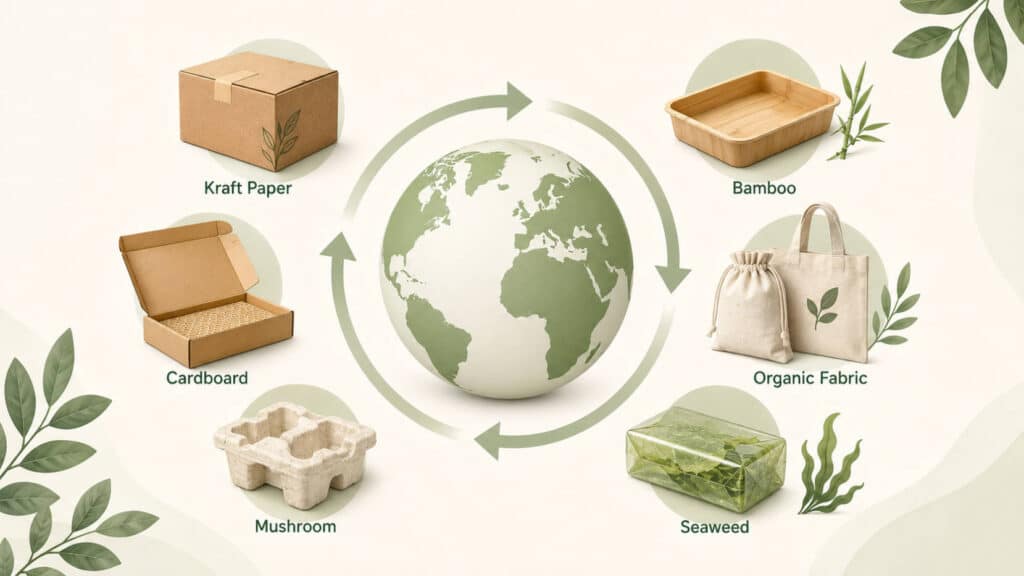
Why Sustainable Packaging Now Matters More Than Ever
Recent market research shows the global sustainable packaging market surpassing USD 319–325 billion in 2026, with steady growth expected through 2036. At the same time, consumer surveys indicate that over 80% of buyers are willing to pay more for sustainable packaging, confirming that eco‑friendly materials now influence purchase decisions—not just brand image. [dhl]
From a practical standpoint, three forces are driving this shift:
– Consumer expectations: Eco‑conscious customers actively avoid brands with “wasteful” packaging and reward those that communicate sustainability clearly. [linkedin]
– Regulation and compliance: More countries are banning single‑use plastics and setting minimum recycled content requirements, making traditional packaging strategies increasingly risky. [ecoenclose]
– Operational resilience: Brands that diversify into paper‑based, plant‑based, and circular systems are less exposed to volatility in conventional plastic supply chains. [ecoenclose]
As a packaging buyer or brand owner, you should treat sustainable packaging as a long‑term risk management and growth lever, not just a marketing claim. [packworld]
Understanding Compostable, Biodegradable, and Recyclable Materials
Before choosing materials, it’s critical to clarify three core concepts. [mordorintelligence]
Compostable materials
Compostable packaging is designed to break down into nutrient‑rich compost under specific conditions, returning value to soils and supporting regenerative agriculture. Typical examples include certain bioplastics, molded fiber, and plant‑based films that fully decompose within a defined composting cycle when collection systems exist. [dhl]
Biodegradable materials
Biodegradable materials are those that microorganisms can break down into natural components over time, ideally without leaving toxic residues or microplastics. Many paper‑based substrates (kraft, cardboard, paperboard) and plant‑based materials like bamboo, seaweed, and mushroom‑derived mycelium fall into this category. [linkedin]
Recyclable materials
Recyclable packaging is designed to be mechanically collected, sorted, and reprocessed into new materials that re‑enter the production cycle. Paperboard, corrugated cardboard, many forms of kraft paper, and some plastics with clear single‑material structures are widely recyclable—assuming suitable local infrastructure. [packworld]
For effective decision‑making, the key question is not “Is it recyclable?” but “Does it genuinely regenerate value and fit existing systems?” [ecoenclose]
10 Proven Biodegradable and Recyclable Packaging Materials
Below are ten practical materials that brand owners and packaging buyers increasingly rely on to align sustainability with performance. [mordorintelligence]
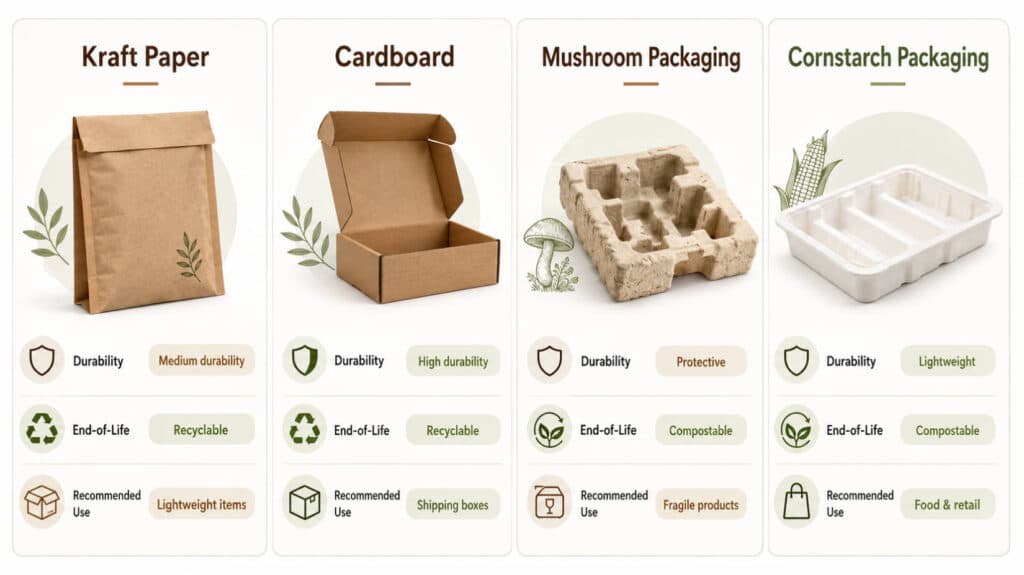
1. Kraft paper and kraft bags
Custom kraft packaging combines high tensile strength with excellent printability and natural aesthetics. Kraft is biodegradable, compostable, and recyclable, and its strength remains strong even after multiple recycling cycles, especially when thickness is increased. [packworld]
Best use cases:
– E‑commerce mailers, retail bags, lightweight boxes
– Food sleeves and wraps with appropriate barrier coatings
UX tip: Используйте bold, minimal printing and clear recycling/composting icons to guide disposal and reinforce eco‑friendly brand positioning. [linkedin]
2. Bioplastic bags
Traditional polyethylene adds long‑term pollution and microplastics to the environment, but bioplastics offer a more responsible alternative. These plant‑derived plastics are engineered to degrade under controlled conditions, reducing long‑term environmental impact while preserving the strength, clarity, and sealability brands rely on. [dhl]
Best use cases:
– Flexible pouches for food, cosmetics, and small accessories
– Inner liners that need barrier properties but should remain compostable in industrial systems
Buyer warning: Always align bioplastics with existing composting infrastructure; a “compostable” claim without collection and processing systems can mislead users and cause contamination. [ecoenclose]
3. Cardboard boxes
Personalized cardboard boxes are a core solution for brands seeking both premium shelf presence and sustainability. Cardboard is paper‑based, biodegradable, recyclable, and often compostable, and it can be easily die‑cut, printed, and finished to match your brand. [confetti]
Best use cases:
– Retail packaging for cosmetics, electronics, FMCG
– Subscription boxes and gift packaging
Design tip: Fold‑flat designs with lightweighting (using fewer materials while maintaining strength) reduce shipping emissions and unit costs. [dhl]
4. Bamboo packaging
Bamboo packaging is a fast‑renewable, wood‑based material known for high tensile strength and versatile forming options. It is 100% recyclable and a strong alternative to polystyrene for trays, clamshells, and cups. [mordorintelligence]
Best use cases:
– Food‑grade packaging including fresh produce trays and takeaway containers
– Reusable or semi‑reusable premium containers for personal care products
Strategic advantage: Bamboo’s rapid regrowth and low agricultural input make it attractive for brands communicating regenerative sourcing stories. [linkedin]
5. Seaweed packaging
Seaweed‑based packaging provides plastic‑like flexibility with a dramatically improved environmental profile. It is biodegradable, recyclable, and compostable, and does not leave toxic chemicals behind. [mordorintelligence]
Best use cases:
– Flexible wraps, sachets, and film alternatives
– Novel packaging experiences (e.g., edible pods for certain food categories)
Branding angle: Seaweed materials create strong storytelling opportunities around oceans, climate resilience, and marine conservation, which many consumers respond to. [dhl]
6. Cornstarch packaging
Cornstarch‑based packaging is widely used for containers, trays, bags, and single‑use items. It is durable, 100% biodegradable, and recyclable in appropriate systems, making it a robust alternative to petroleum‑based plastics. [vocal]
Market analysis suggests the cornstarch packaging market volume reached about US$ 233 million in 2023, with ongoing growth driven by food and retail brands. [vocal]
Best use cases:
– Protective inserts and molded shapes replacing EPS or styrofoam
– Food service packaging where composting infrastructure is available
7. Mushroom (mycelium) packaging
Mushroom packaging uses mycelium (the vegetative part of fungi) combined with agricultural by‑products to create resilient, cushioning structures. It is biodegradable, recyclable, and an effective replacement for styrofoam, especially for fragile items. [vocal]
Best use cases:
– Protective corner blocks and molded inserts for electronics, glassware, and decor
– High‑end unboxing experiences where sustainability is central to brand storytelling
Practical note: Mushroom packaging often grows directly into the needed shape, reducing manufacturing steps and waste. [vocal]
8. Paperboard packaging
Картон is a lighter, more flexible paper‑based material often made from recycled kraft or corrugated cardboard. It is biodegradable and recyclable, and supports high‑quality printing despite its porous surface. [confetti]
Best use cases:
– Folding cartons for pharmaceuticals, cosmetics, and food
– Sleeves and wraps for bottles, jars, and multipacks
If tensile strength is a concern, you can simply increase thickness or combine layers to maintain durability while staying within recyclable material streams. [packworld]
9. Corrugated cardboard
For shipping, corrugated cardboard boxes remain the gold standard for combining strength and sustainability. Their multilayer flute structure provides cushioning and impact resistance, while being fully recyclable and widely recovered in most markets. [ecoenclose]
Best use cases:
– E‑commerce shipping cartons
– Bulk packaging and logistics units
Optimization tip: Work with your packaging partner to engineer right‑size boxes that minimize air space, reduce void fill, and cut transport emissions. [packworld]
10. Organic fabric packaging
Organic fabric bags—such as hemp, linen, jute, or recycled cotton—offer durable, reusable alternatives to plastic euro or tote bags. Many of these fabrics are recyclable and partially biodegradable, leaving a significantly lower carbon footprint compared to conventional plastics. [mordorintelligence]
Best use cases:
– Retail shopping bags and promotional totes
– Reusable gift bags and subscription packaging add‑ons
Customer impact: Reusable fabric packaging not only reduces waste, but also acts as walking outdoor media for your brand. [linkedin]
How to Evaluate Sustainable Packaging Strategies
Drawing on best practices from industry experts, a structured framework makes it easier to compare materials and design options. [linkedin]
Key evaluation criteria
When assessing biodegradable and recyclable materials, consider:
– Material safety: Free from toxic additives and safe for food or skin contact. [linkedin]
– End‑of‑life outcome: Realistic pathways for recycling or composting, based on local infrastructure. [ecoenclose]
– Carbon and energy footprint: Overall impact from production through disposal or reuse. [mordorintelligence]
– Circularity: Ability to regenerate value rather than follow a linear “take‑make‑waste” path. [ecoenclose]
– Micro‑pollution risk: Potential to generate microplastics or other persistent pollutants. [linkedin]
– Infrastructure compatibility: Fit with existing sorting, recycling, and composting systems. [packworld]
Lifecycle Assessment (LCA) tools such as those highlighted by the Sustainable Packaging Coalition help quantify these factors and guide smarter material selections over time. [confetti]
From Cost Center to Competitive Advantage: Business Outcomes
One recurring mistake I see is treating sustainable packaging as only a cost increase instead of a strategic lever. In reality, several documented outcomes show the opposite: [vocal]
– Brands that communicate material choices transparently retain customers significantly longer than those who focus solely on product features. [dhl]
– Retailers and distributors increasingly prioritize suppliers with verified sustainability credentials, unlocking better shelf placement and partnership opportunities. [ecoenclose]
– Companies that adopt compostable and regenerative materials often reduce customer acquisition costs and mitigate regulatory and supply chain risks. [vocal]
In one case study, a brand that switched from conventional plastic pouches to compostable packaging saw customer acquisition costs drop by more than 30% within six months, alongside expanded retail partnerships requiring sustainability standards. [linkedin]
The conclusion is clear: biodegradable and recyclable packaging materials support both environmental responsibility and long‑term business growth. [vocal]
Practical Design Principles for Eco‑Friendly Packaging
When you transition to sustainable materials, design decisions matter as much as the substrate itself. [confetti]
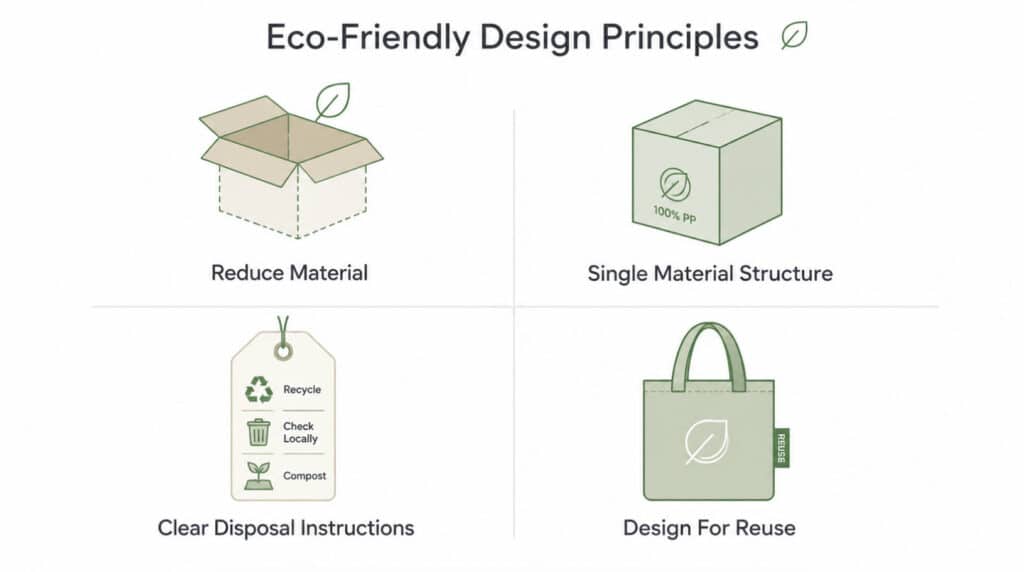
Core design best practices
– Reduce material usage: Use thinner but stronger materials, eliminate unnecessary layers, and optimize box sizes. [dhl]
– Favor single‑material structures: Avoid complex laminates that hinder recycling and recovery. [ecoenclose]
– Provide clear disposal instructions: Use icons, short text, and QR codes to guide users on how to recycle or compost. [dhl]
– Design for reuse: Build packaging that can be repurposed or refilled, extending its lifecycle and brand touchpoints. [confetti]
Strategic Role of a Source Manufacturer like Bonito Packaging
For brands that want truly custom, high‑end paper packaging, partnering with an experienced source manufacturer is key to executing these principles consistently. [mordorintelligence]
A specialist in custom paper‑based packaging can help you:
– Match material choices (kraft, cardboard, paperboard, specialty papers) to your product category, shipping profile, and sustainability targets. [packworld]
– Optimize box structure and printing for strength, brand expression, and recyclability across multiple markets. [mordorintelligence]
– Integrate eco‑friendly finishes (water‑based coatings, soy inks, minimal laminates) that keep packaging in recyclable and biodegradable streams. [packworld]
Working with a technically strong OEM/ODM‑style packaging partner transforms sustainability strategy from a slide in your brand deck into consistent, physical execution at scale. [vocal]
Action Steps for Packaging Buyers in 2026
If you’re responsible for packaging decisions, here is a practical sequence to follow. [packworld]
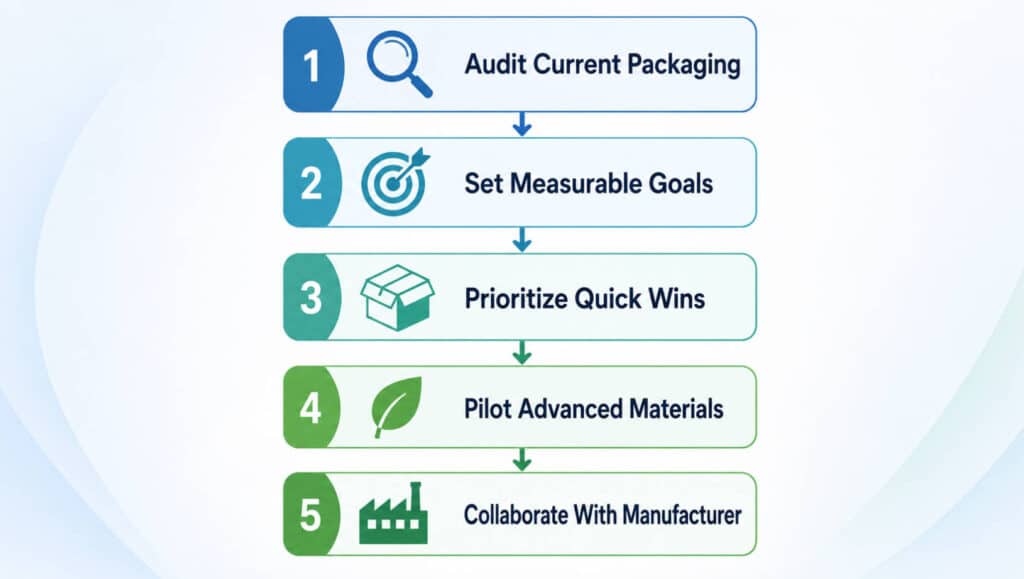
1. Audit current packaging: Map materials, unit weights, failure points, and disposal pathways.
2. Set measurable goals: Define targets for recycled content, compostable share, and carbon reduction.
3. Prioritize quick wins: Shift outer cartons and mailers to certified paper‑based solutions (kraft, cardboard, corrugated). [mordorintelligence]
4. Pilot advanced materials: Test cornstarch, mushroom, bamboo, or seaweed solutions on selected SKUs with clear communication to customers. [vocal]
5. Collaborate with a specialist manufacturer: Co‑develop structures and artwork that maximize both sustainability and brand impact. [ecoenclose]
By approaching biodegradable and recyclable materials with a clear strategy and trusted manufacturing partner, you position your packaging as a powerful signal of brand values—before customers even touch the product. [dhl]
Часто задаваемые вопросы
1. What is the most cost‑effective biodegradable packaging material?
Paper‑based solutions like kraft and cardboard are typically the most cost‑effective because they are widely available, easily recyclable, and compatible with existing manufacturing lines. Costs can be optimized through lightweighting and right‑sizing without sacrificing protection. [dhl]
2. How do I know if my compostable packaging will actually be composted?
You need to align your packaging with local composting infrastructure and clearly explain disposal steps on pack. Without accessible collection systems, compostable materials may still end up in landfills, reducing their environmental benefit. [linkedin]
3. Is switching to sustainable packaging always more expensive?
Not necessarily. While some advanced materials (e.g., certain bioplastics or seaweed films) can be more expensive per unit, brands often offset these costs through higher customer retention, better retail positioning, and lower acquisition costs. Paper‑based upgrades can be cost‑neutral or even cost‑saving when designed efficiently. [vocal]
4. Which materials are best for fragile products?
For fragile items, corrugated cardboard и mushroom (mycelium) packaging provide excellent cushioning and impact resistance while remaining biodegradable and recyclable. These materials can be engineered to custom shapes, making them ideal for electronics, cosmetics, and decor. [mordorintelligence]
5. How can I communicate my packaging’s sustainability to customers?
Используйте clear icons, short on‑pack statements, and QR codes linking to a simple sustainability page explaining materials and end‑of‑life routes. Transparent communication about your choices has been shown to increase loyalty and reinforce your brand’s environmental credibility. [dhl]
References
1. OXO Packaging. “10 Biodegradable and Recyclable Materials for Packaging.”
https://oxopackaging.com/blog/biodegradable-and-recyclable-materials-for-packaging.html [mordorintelligence]
2. DHL. “Top Sustainable Packaging Trends for 2026.”
https://www.dhl.com/discover/en-ca/logistics-advice/sustainability-and-green-logistics/sustainable-packaging-trends [dhl]
3. Mordor Intelligence. “Sustainable Packaging Market Size, Drivers & Opportunities 2026.”
https://www.mordorintelligence.com/industry-reports/sustainable-packaging-market [mordorintelligence]
4. Future Market Insights. “Sustainable Packaging Market – Global Market Analysis Report 2036.”
https://www.futuremarketinsights.com/reports/sustainable-packaging-market [futuremarketinsights]
5. Vocal Media. “Biodegradable Packaging Market Outlook: Sustainable Materials Demand and Growth Opportunities.”
https://vocal.media/futurism/biodegradable-packaging-market-outlook-sustainable-materials-demand-and-growth-opportunities [vocal]
6. EcoEnclose. “Sustainable Packaging Trends for 2026: What Eco‑Conscious Brands Need to Know.”
https://www.ecoenclose.com/blog/sustainable-packaging-trends-for-2026 [ecoenclose]
7. Confetti Design. “Sustainable Packaging Design: Complete Guide to Eco‑Friendly Packaging.”
https://confetti.design/blog/sustainable-packaging-design [confetti]
8. LinkedIn. “Best Practices for Eco‑Friendly Packaging Design.”
https://www.linkedin.com/top-content/design/packaging-design-for-products/best-practices-for-eco-friendly-packaging-design/ [linkedin]
9. Packworld. “10 Tips for Sustainable Package Design.”
https://www.packworld.com/sustainable-packaging/article/13359132/10-tips-for-sustainable-package-design [packworld]
10. PR Newswire. Consumer attitudes toward sustainable packaging (quoted in OXO Packaging article).
https://www.prnewswire.com/ [mordorintelligence]
Hot Tags: Custom Packaging, Manufacturers, Customized, Custom, Suppliers, Buy, Cheap, Quality, Advanced, Durable, in Stock, Made in China, Price, Quotation, Free Sample
 English
  Spanish
  French
  German
  Russian
  Japanese
  Portuguese
  Arabic