
Knowing how to pack glass for shipping means more than wrapping an item and choosing a sturdy box. Successful glass packaging combines cushioning, separation, structural support, and testing. Each component must work together to protect the product during handling and delivery.
For brands selling glassware, candles, bottles, or premium gifts, packaging also shapes the customer experience. A beautiful presentation loses its value if the product arrives cracked.
Unter Bonito-Verpackungen, our perspective as a custom paper packaging manufacturer is straightforward: design around the product’s vulnerabilities first, then build the branding around that protective structure.
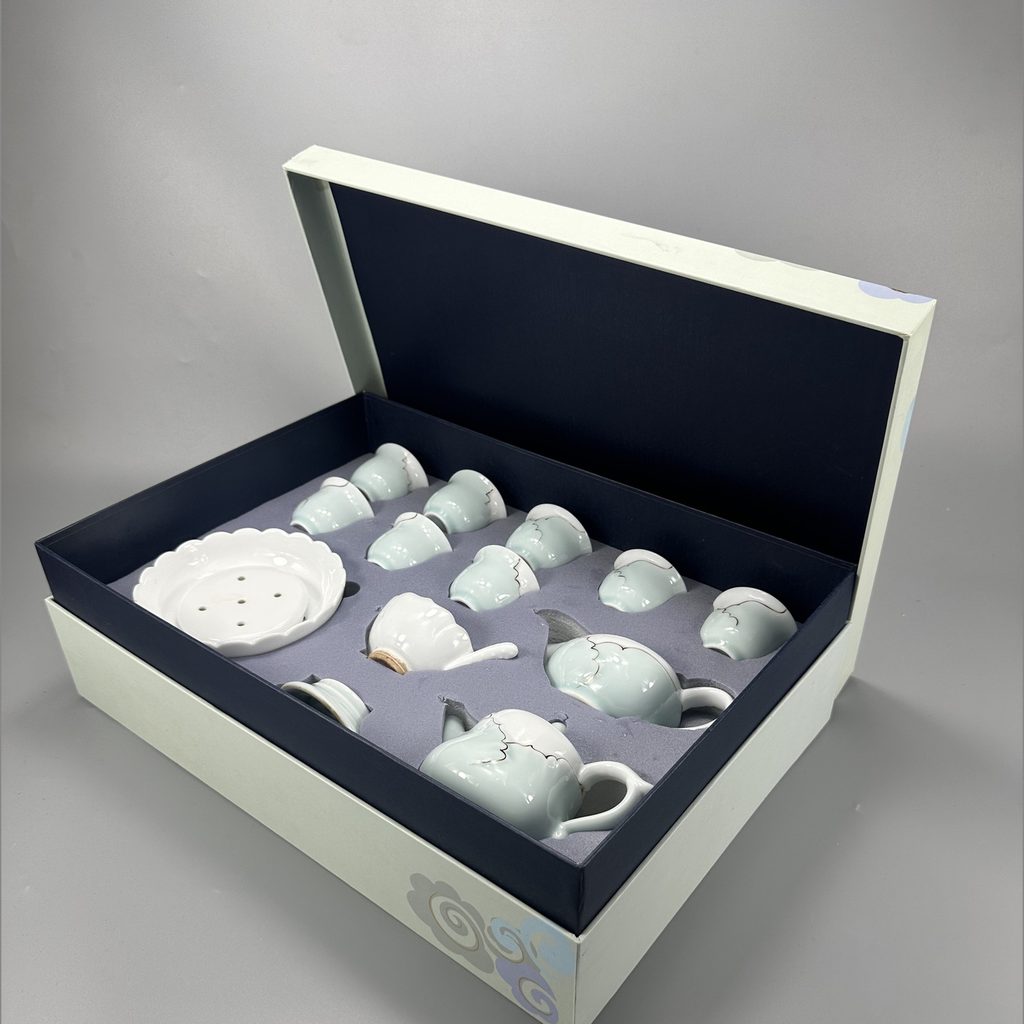
Why Glass Breaks During Shipping
Glass products can fail when they strike another object, move inside their packaging, or receive concentrated pressure at a vulnerable point.
Rims, stems, handles, and narrow necks deserve particular attention. A package that protects a tumbler may not adequately protect a wine glass of similar dimensions.
Plan for three risks:
– Impact when the package is dropped or knocked.
– Repeated movement that loosens cushioning or causes contact.
– External pressure that deforms the shipping carton.
The objective is protection, not simply a tight fit. Holding glass firmly against a hard surface can transfer impact rather than absorb it.
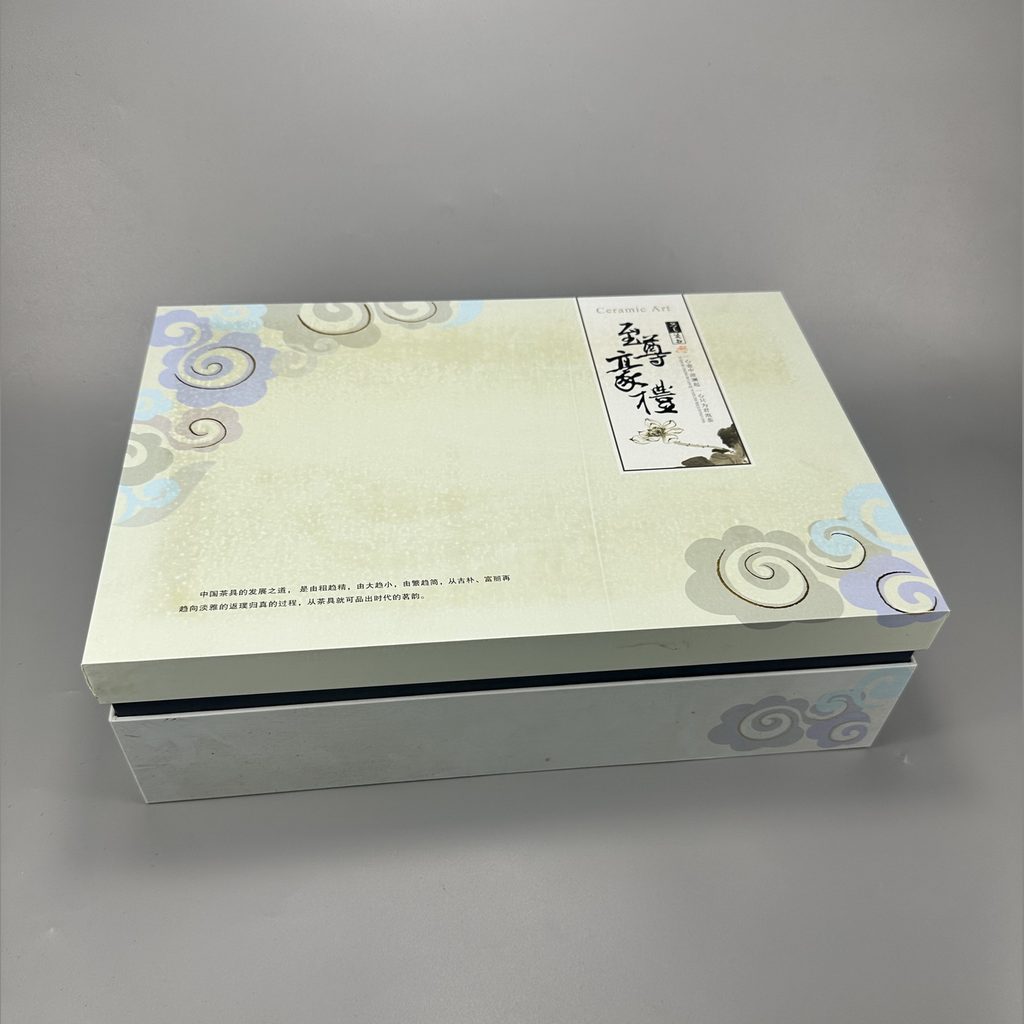
How to Pack Glass for Shipping Step by Step
1. Measure the Product and Identify Weak Points
Record the product’s dimensions, weight, and shape. Include handles, lids, stems, and other protruding features.
For multiple items, measure the complete set and decide how each piece will remain separated.
Create a short packaging specification covering:
– Product dimensions and manufacturing tolerances.
– Fragile areas requiring additional clearance.
– Number of items per shipment.
– Sales channel and delivery conditions.
– Required appearance after arrival.
This specification helps prevent a visually attractive box from being designed around incomplete measurements.
2. Choose a Protective Shipping Box
Use a sound corrugated carton with strength appropriate to the packed weight and distribution conditions.
A premium rigid gift box provides presentation, but it should not automatically be treated as a parcel-ready shipping container. Where necessary, place it inside a protective corrugated outer carton.
Allow enough space for cushioning without creating unnecessary empty volume. A box that is too small leaves inadequate protection; an oversized box requires more material and can allow movement.
For fragile shipments, consider double-boxing: secure the product inside an inner box, then cushion that box inside an outer carton.
3. Wrap and Separate Every Glass Item
Wrap each piece individually with a suitable protective material. Protect protruding features without forcing them into a stressed position.
Keep tape away from finished glass surfaces whenever possible.
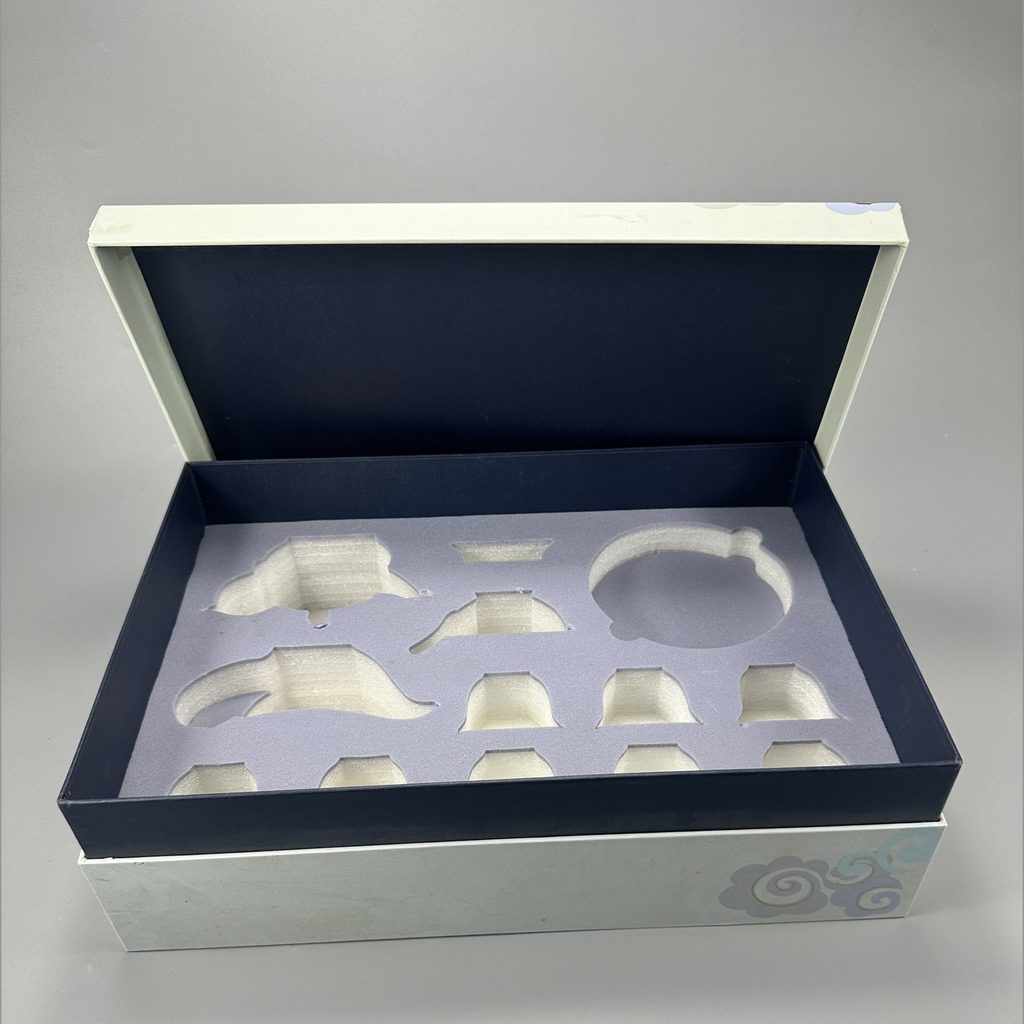
For sets, use individual compartments or dividers so that glass cannot touch glass. Check separation above and below the divider, not just at its center.
Avoid relying on one shared layer of wrapping around several products. If the wrapping shifts, the items may collide.
4. Cushion All Sides and Control Movement
Provide cushioning beneath, above, and around the product.
General carrier guidance includes at least two inches of appropriate cushioning between items and container surfaces. Treat this as a starting point, not a universal guarantee: heavy, unusually shaped, or highly fragile glass may need a different tested design.
Fill voids without compressing cushioning until it becomes ineffective.
A gentle movement check can reveal loose contents. However, silence inside the carton does not prove that the packaging will survive transit.
5. Seal and Label the Carton
Apply suitable shipping tape using the H-taping method: cover the center seam and the two edge seams on both the top and bottom.
Position the shipping label on a flat, visible surface.
“Fragile” markings may communicate the contents, but do not build a packaging strategy around special handling. The package must protect the glass even when its orientation changes.
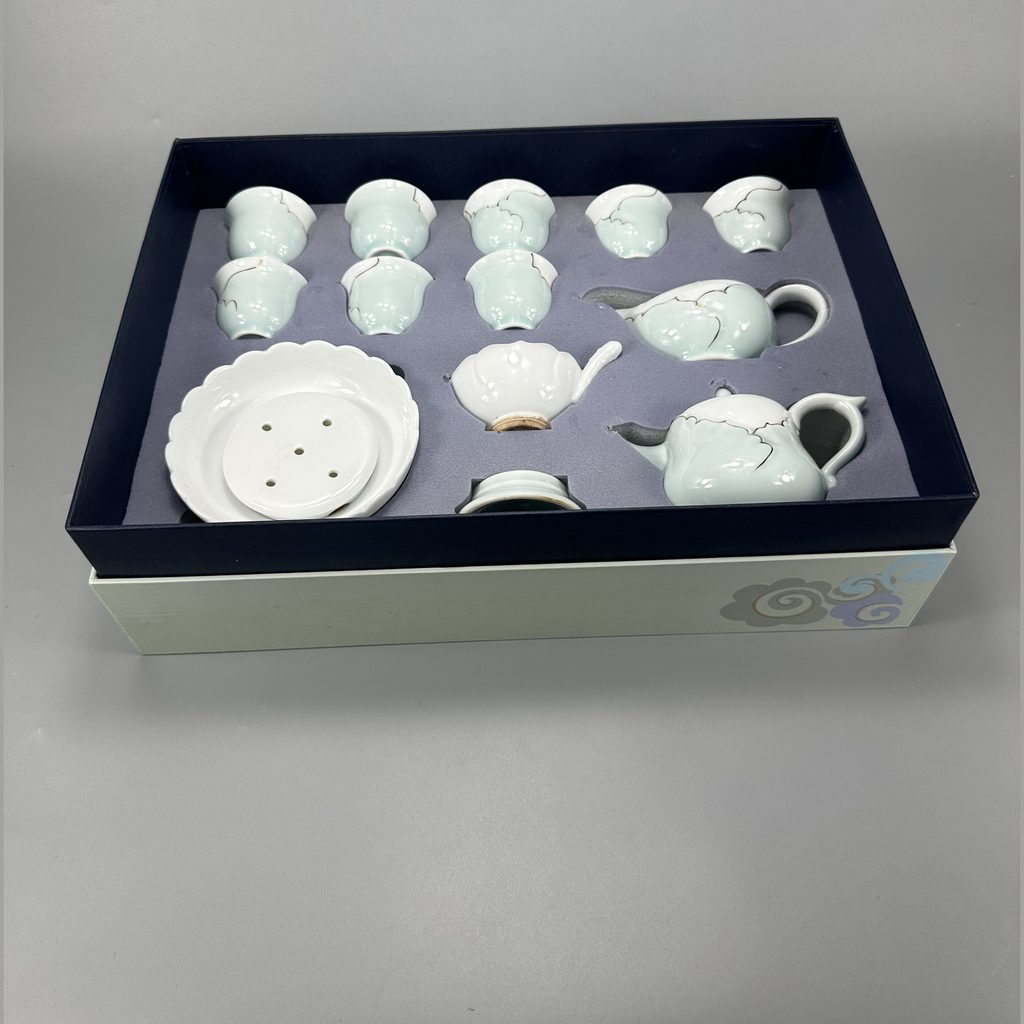
Choosing Custom Paper Packaging for Glassware
Paper-based structures can combine product separation, presentation, and efficient packing. Their suitability depends on geometry, material specification, and testing.
| Packaging component | Main purpose | Design consideration |
|---|---|---|
| Corrugated outer carton | Shipping protection | Match strength to packed weight and delivery conditions |
| Die-cut corrugated insert | Positioning and separation | Avoid concentrated pressure on fragile features |
| Folding carton compartments | Organization and presentation | Validate suitability for heavier glass |
| Molded pulp insert | Shaped support | Check fit, cushioning, and surface contact |
| Rigid presentation box | Premium unboxing | Assess the need for a separate shipping carton |
A divider separates products; it does not necessarily provide sufficient cushioning.
When developing custom packaging for glassware, ask where the product is supported, where impact energy is absorbed, and what prevents movement in every direction.
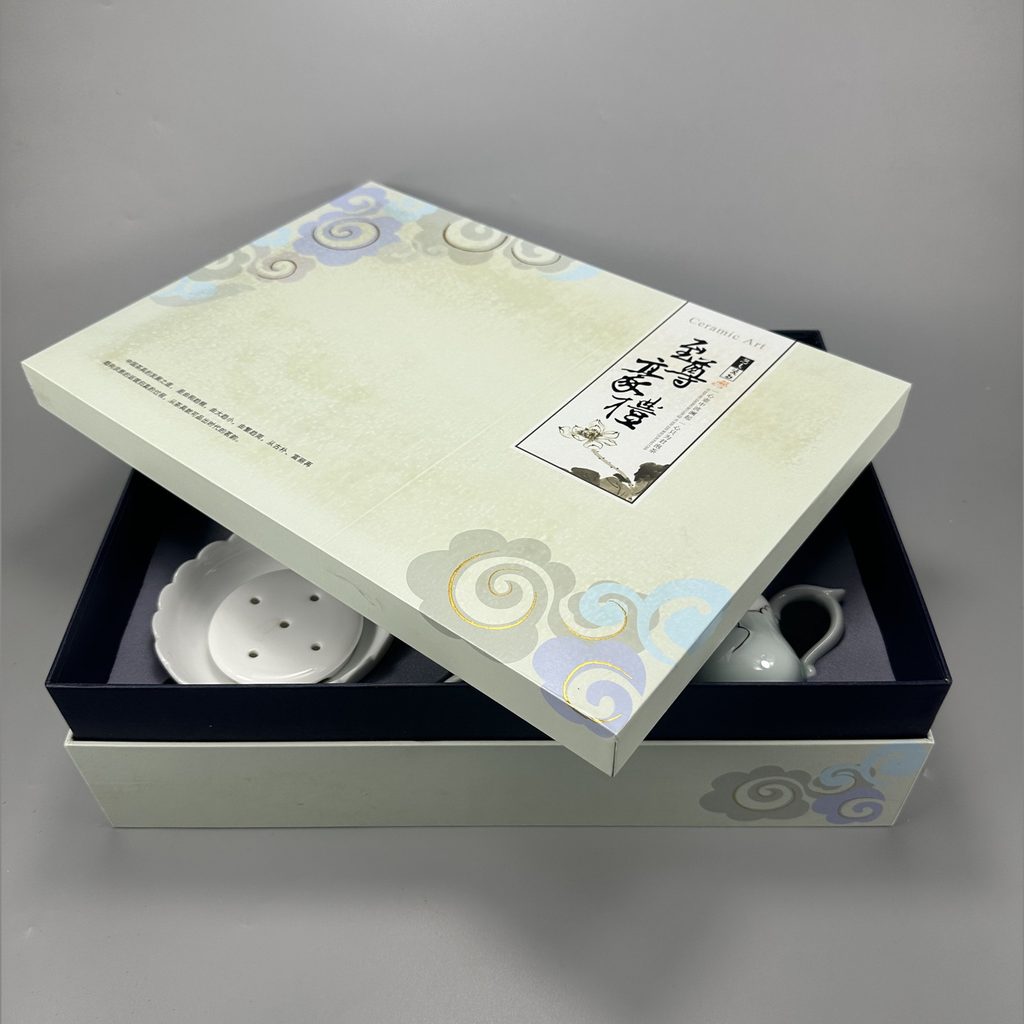
Design Inserts Around Fragile Features
A common design mistake is supporting a glass product wherever it is easiest to hold, rather than where it can safely carry loads.
For stemware, avoid making the stem the primary support point. For handled glassware, prevent surrounding material from pressing directly against the handle.
Consider a hypothetical two-glass gift set. Instead of placing both glasses in one open cavity, create separate compartments with protective clearance around the rims. Then evaluate the full assembly inside its shipping carton.
This is a design example, not a claim about a completed customer project. Its purpose is to show how product geometry should guide the structure.
Test the Complete Package Before Production
An attractive prototype is not evidence of shipping performance.
Test the actual product, inserts, presentation box, outer carton, and closures together. Define acceptable outcomes before testing:
– No cracks, chips, or broken components.
– No unacceptable surface marks.
– No loss of separation between products.
– No damage that compromises the intended presentation.
For parcel shipments, discuss an appropriate distribution test with a qualified laboratory. ISTA 3A addresses individual packaged products weighing 70 kilograms or less and evaluates relevant parcel-distribution hazards.
Test more than one sample when appropriate. Reassess the design after changes to glass weight, insert materials, box dimensions, or packing methods.
Compare Packaging Cost With Damage Cost
The cheapest box is not always the lowest-cost solution.
Compare the complete cost per successfully delivered order:
– Packaging materials.
– Packing labor.
– Freight and package dimensions.
– Replacement products and repeat shipping.
– Refund handling and customer service.
Track damage by product, packaging version, and delivery route. Record where the glass failed and photograph the packaging condition.
This evidence helps distinguish an insert problem from insufficient cushioning or an unsuitable carton.
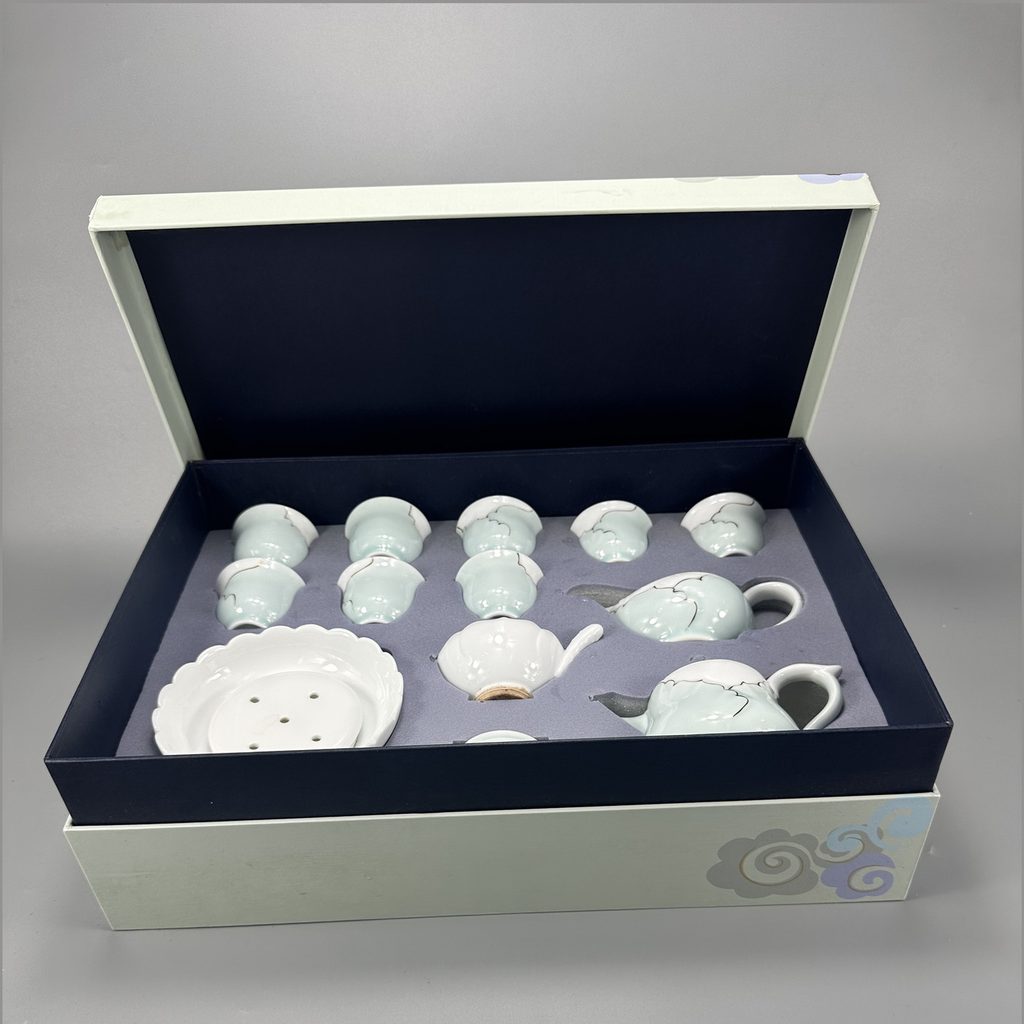
Build Better Glass Packaging With Bonito Packaging
Effective glass packaging starts with the product, not a stock box size.
Bonito Packaging manufactures high-end custom paper packaging for brands seeking coordinated protection and presentation.
Send us your product dimensions, weight, photographs, order quantity, and intended shipping method. Include any existing damage photos. These details create a stronger brief for discussing box structures, paper inserts, and prototype requirements before production.
Häufig gestellte Fragen
1. What is the best way to pack glass for shipping?
Wrap items individually, prevent glass-to-glass contact, cushion every side, and use an appropriate corrugated carton. Validate the complete package for the intended delivery conditions.
2. Can I ship glass without bubble wrap?
Potentially. Engineered paper cushioning, corrugated structures, or molded pulp may work. Their performance must be verified with the actual product rather than assumed from appearance.
3. Does every glass product need double-boxing?
No. The appropriate structure depends on fragility, weight, value, and testing. Double-boxing is an option when a single package does not provide sufficient protection.
4. Are “Fragile” labels enough to protect glassware?
No. Labels do not replace cushioning, separation, or structural protection. Design the package to tolerate normal shipping hazards without depending on preferential handling.
5. How should I package glass bottles containing liquid?
Protect each bottle and separate it from neighboring items. Use secure closures and assess secondary containment, absorbent material, and applicable carrier requirements for the specific contents.
6. Can a luxury rigid box serve as a shipping box?
Not automatically. A rigid box may deliver excellent presentation while still requiring a corrugated outer carton. Evaluate both boxes as one protective system.
References
1. – PakFactory, “How to Safely Pack and Ship Glass Items,” by Shanon Dunlap. Original article reviewed for its wrapping, cushioning, bottle-separation, labeling, and custom-packaging guidance. The rewritten structure and additional decision frameworks are original editorial synthesis. [pakfactory]
2. – UPS, “Packaging Guidelines.” Basis for the general recommendation to use at least two inches of appropriate cushioning between internal items and container surfaces; not presented as a product-specific performance guarantee. [ups]
3. – FedEx, “How to Pack Fragile Items.” Supports sturdy-box selection, individual wrapping, void filling, H-taping, and label placement. [fedex]
4. – International Safe Transit Association, “Test Procedure 3A Overview.” Supports the parcel-shipment scope of 70 kilograms or less and the recommendation to evaluate multiple samples for fragile and liquid products. The overview does not replace the full procedure. [ista]
5. – International Safe Transit Association, “Test Procedure Training.” Supports the distinction between informal packing checks and a structured process involving conditioning, test planning, and post-test evaluation. [ista]
 English
 Spanish
 French
 German
 Russian
 Japanese
 Portuguese
 Arabic