
Custom packaging cost is never a single fixed number. For a premium paper packaging project, the final price depends on the box structure, material, dimensions, order quantity, printing method, finishes, inserts, quality requirements, and shipping plan.
На сайте Упаковка Bonito, we manufacture custom paper packaging for brands that need more than a standard box. From folding cartons and corrugated mailer boxes to rigid gift boxes, paper bags, and custom inserts, we help buyers balance brand impact, product protection, production efficiency, and landed cost. The key is not simply choosing the lowest unit price. It is choosing a packaging solution that performs well through packing, shipping, retail display, unboxing, and repeat purchase.
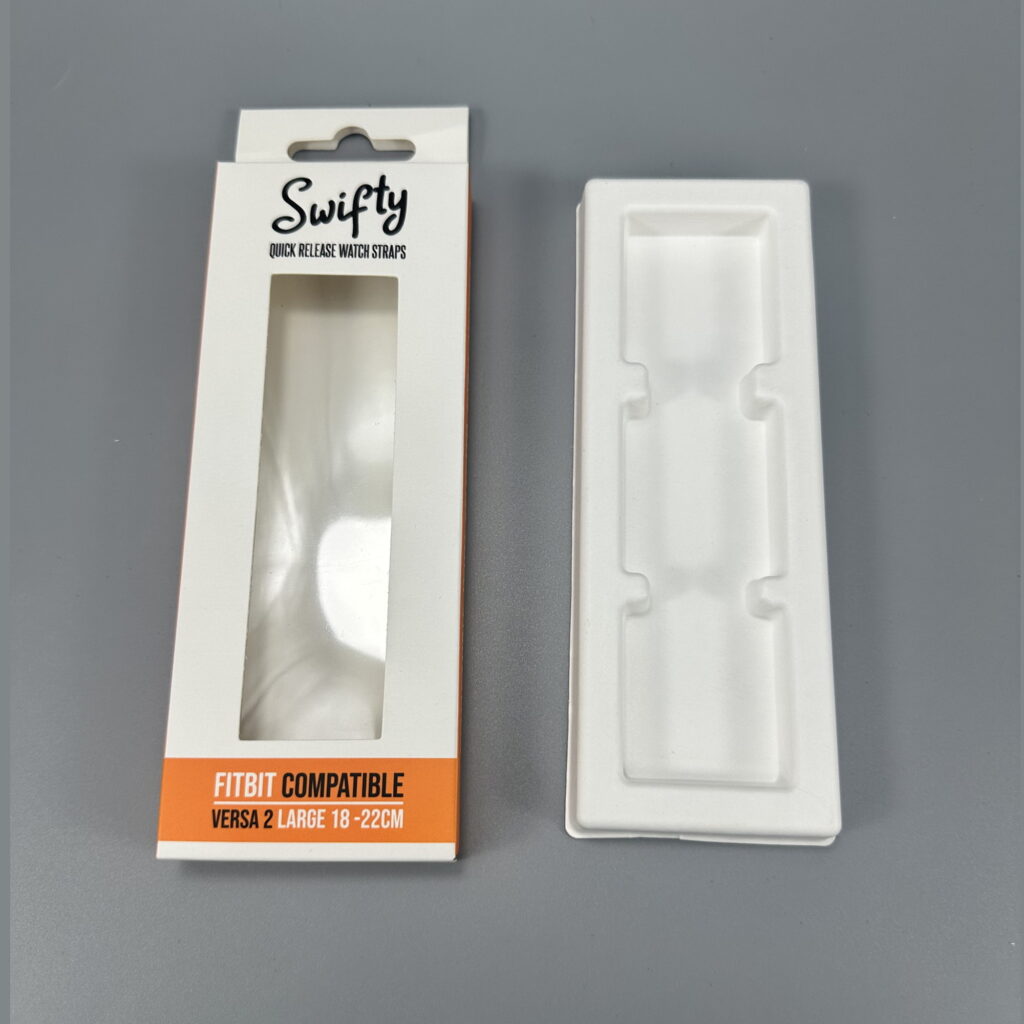
Quick Answer: What Is the Cost of Custom Packaging?
Most custom packaging projects are priced per unit, but the unit price only tells part of the story. A basic custom printed folding carton may cost significantly less than a luxury rigid box with foil stamping, magnets, and a fitted insert. Meanwhile, a low-cost box can become expensive if it is oversized, poorly designed for shipping, or requires excessive protective filler.
A useful way to evaluate custom packaging cost is to look at the complete project cost:
Total Packaging Cost=Design+Sampling+Materials+Printing+Finishing+Inserts+Manufacturing+Freight+Duties/Handling
For many growing brands, the right question is not “What is the cheapest custom box?” It is:
“What packaging configuration delivers the required protection and brand experience at the lowest realistic total cost?”
That distinction matters. A lower material price may not reduce your true cost if the packaging increases damage rates, takes too long to assemble, occupies too much warehouse space, or creates high international freight charges.
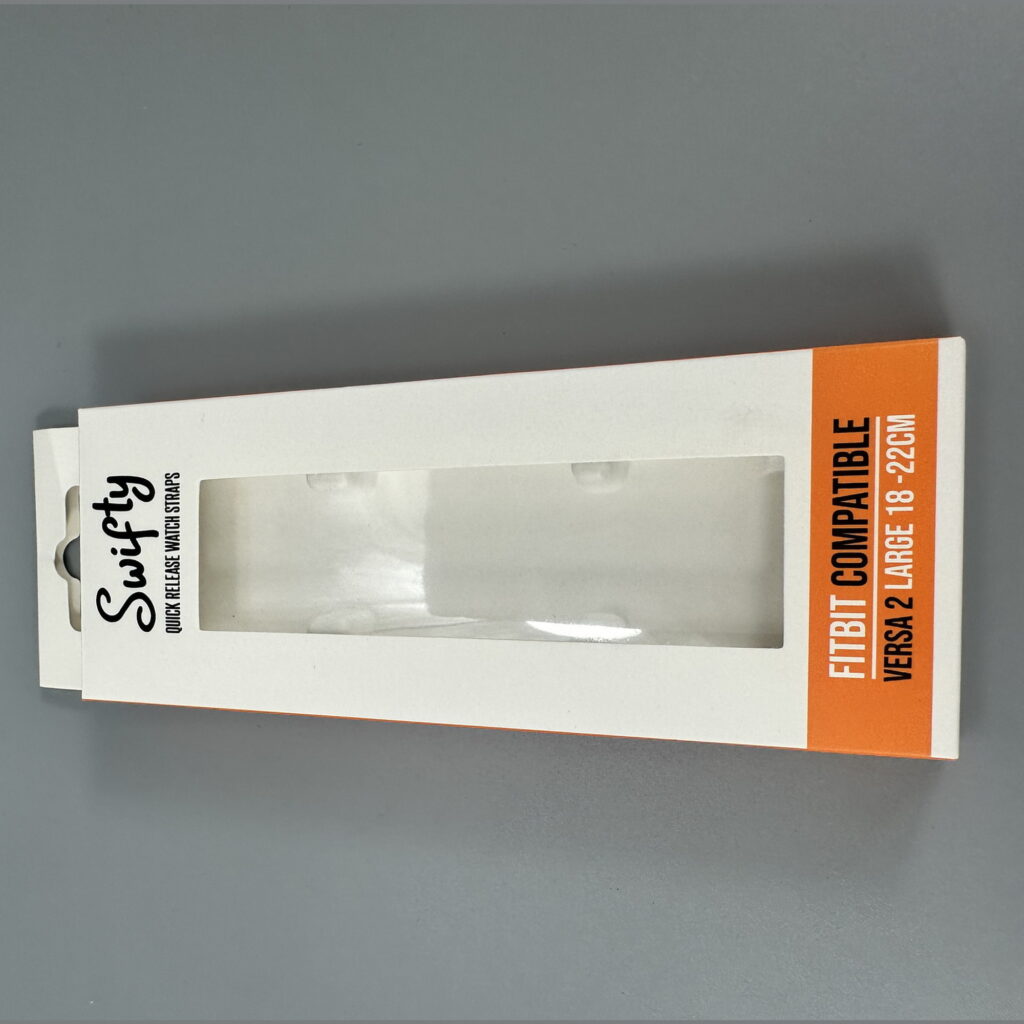
The Seven Main Factors That Affect Custom Packaging Cost
1. Order Quantity and MOQ
Order quantity is often the largest cost lever in custom packaging. Most packaging production includes setup work, such as preparing artwork files, creating dies, setting up printing equipment, calibrating color, and arranging production.
Those fixed setup costs are divided across the total number of boxes produced.
For example, a 500-piece order and a 10,000-piece order may use the same box structure and artwork, but the larger order usually has a much lower cost per unit. This is why manufacturers often provide tiered pricing.
However, ordering the highest possible quantity is not always the smartest decision. Excess inventory creates hidden costs:
– Warehouse space and handling
– Capital tied up in unused stock
– Potential changes to product dimensions or branding
– Obsolete packaging after a product update
– Risk of damage, moisture, or discoloration during long storage periods
The best order quantity is usually the one that gives you a competitive unit price while matching your realistic sales forecast and inventory cycle.
2. Box Type and Structural Complexity
The style of box directly affects labor, materials, production time, and shipping volume. Standard structures generally cost less because they are easier to die-cut, fold, glue, and pack.
| Тип упаковки | Типичное использование | Уровень затрат | Main Cost Driver |
|---|---|---|---|
| Folding carton | Cosmetics, food, supplements, small retail items | Low to medium | Paperboard grade, printing, finish |
| Corrugated mailer box | E-commerce, subscription boxes, electronics | Средний | Flute type, board strength, print coverage |
| Corrugated shipping carton | Bulk transport and protective shipping | Low to medium | Size, board grade, compression strength |
| Rigid setup box | Luxury gifts, jewelry, premium cosmetics | Высокий | Greyboard, hand assembly, wrapped paper |
| Magnetic closure box | High-end gifts, influencer kits, premium retail | Высокий | Magnet, structure, manual assembly |
| Drawer box | Jewelry, technology, gift packaging | Высокий | Multiple components and assembly |
| Paper bag | Retail, events, fashion, gifting | Средний | Paper weight, handles, printing, finish |
A standard tuck-end folding carton is usually more cost-efficient than a custom-shaped box with multiple locking tabs. A simple two-piece rigid box often costs less than a magnetic closure box with an EVA foam insert and foil-stamped logo.
Structural complexity should always be intentional. If a feature does not improve protection, shelf impact, usability, or perceived value, it may not justify the added cost.
3. Material Selection and Board Thickness
Materials establish the foundation of a custom packaging project. The best choice depends on the product’s weight, fragility, retail environment, shipping journey, and desired brand position.
Folding Carton Materials
Folding cartons are typically made from paperboard and are popular for lightweight consumer products. Common options include:
– SBS paperboard: Smooth white surface with strong print quality; suitable for cosmetics, skincare, food, and retail products
– FBB paperboard: Lightweight but rigid paperboard with good stiffness and printability
– Kraft paperboard: Natural-looking surface often used for eco-conscious, handmade, organic, or minimalist brands
– CCNB board: Cost-conscious recycled paperboard option for certain secondary packaging applications
Paperboard thickness is usually measured in points or millimeters. A thicker board can improve stiffness and perceived quality, but it also adds material and freight cost.
Corrugated Board Materials
Corrugated packaging uses fluted paper between liner sheets. It provides stronger cushioning and stacking resistance than standard folding carton stock.
Common flute options include:
– E-flute: Thin profile, clean print surface, suitable for retail-ready mailer boxes
– B-flute: Good puncture resistance and strength for heavier products
– C-flute: Widely used for shipping cartons and protective packaging
– Double-wall board: Used for heavier, bulkier, or more demanding transport conditions
A stronger board is not always better. Over-specifying board strength can increase costs without adding practical value. The correct material should match the product weight, distribution channel, and transportation risk.
4. Custom Printing Method
Printing is a major component of custom packaging pricing, especially when the artwork includes full-color photography, gradients, multiple Pantone colors, or detailed decorative elements.
Digital Printing for Short Runs
Digital printing works well for small to medium quantities, test launches, seasonal campaigns, and variable designs. It usually has lower setup requirements and faster artwork changes.
It is particularly useful when brands need:
– Smaller production runs
– Multiple SKUs with different artwork
– Fast market testing
– Personalized or limited-edition packaging
– Shorter lead times
The per-unit cost may be higher at volume, but it can be economical for projects where flexibility matters more than scale.
Offset Printing for High-Quality Packaging
Offset printing is commonly selected for premium folding cartons and rigid box wrapping paper. It delivers sharp detail, accurate color reproduction, and a refined appearance.
Because offset printing requires setup and plates, it is often more cost-effective for larger production quantities. It is a strong choice for brands that need consistent branding across high-volume retail packaging.
Flexographic Printing for Corrugated Boxes
Flexographic printing is frequently used for corrugated shipping cartons and mailers, especially when the artwork uses one or a few spot colors. It can be efficient at high volumes, but the cost of printing plates should be included in the quote.
5. Finishes and Decorative Features
Premium finishes can transform a basic box into a high-value brand touchpoint. They also increase cost, so the best approach is to use them selectively.
Common packaging finishes include:
– Matte lamination for a soft, luxury look
– Gloss lamination for vibrant color and surface protection
– Soft-touch lamination for a smooth, premium tactile effect
– Точечный ультрафиолет to highlight logos, patterns, or product names
– Hot foil stamping in gold, silver, holographic, or custom colors
– Embossing and debossing for dimensional logo treatment
– Textured paper for a tactile, artisanal, or luxury feel
– Window patching to display the product inside
– Водное покрытие for practical protection and an attractive finish
A common cost-saving strategy is to choose one focal enhancement rather than applying every available finish. For instance, a matte laminated folding carton with a single foil-stamped logo may look more premium than a design crowded with multiple decorative treatments.
6. Inserts, Internal Protection, and Assembly
The outer box is only one part of the packaging system. Internal packaging may be necessary to prevent product movement, improve presentation, organize accessories, or create a memorable unboxing experience.
Common insert options include:
| Тип вставки | Уровень защиты | Sustainability Profile | Relative Cost |
|---|---|---|---|
| Paperboard insert | Умеренный | Recyclable | Низкий |
| Corrugated insert | Хорошо | Recyclable | Low to medium |
| Molded pulp insert | Хорошо | Often recyclable and compostable | От среднего до высокого |
| EVA foam insert | Высокий | Less environmentally favorable | Высокий |
| EPE foam insert | Высокий | Less environmentally favorable | Средний |
| Tissue paper or shredded paper | Light | Depends on material choice | Низкий |
For fragile products, a custom paperboard or corrugated insert can be a highly cost-effective solution. It may provide sufficient protection while supporting a paper-based packaging strategy.
For luxury products, foam inserts can create a premium display effect. But brands should compare that benefit against the added material cost, assembly time, sustainability expectations, and international shipping weight.
7. Shipping, Freight, and Landed Cost
A packaging quote that excludes freight is not a complete purchasing decision. Custom packaging is often lightweight, but it can be bulky. Freight is therefore frequently calculated using dimensional volume rather than actual weight.
This is especially important for rigid boxes. They may look compact individually, but assembled rigid boxes require more shipping space than flat-packed folding cartons.
Before approving a design, ask these questions:
1. Can the box be shipped flat to reduce freight and storage costs?
2. What are the master carton dimensions and gross weight?
3. How many units fit in a pallet or container?
4. Does the structure increase dimensional weight?
5. Will the product be packed inside the box before shipping, or will packaging and products be shipped separately?
6. What shipping terms and destination charges are included in the quote?
7. Is the packaging designed to reduce void space in outer cartons?
A collapsible rigid box can be an effective compromise. It preserves the premium appearance of a luxury box while reducing storage and freight volume compared with a fully assembled rigid setup box.
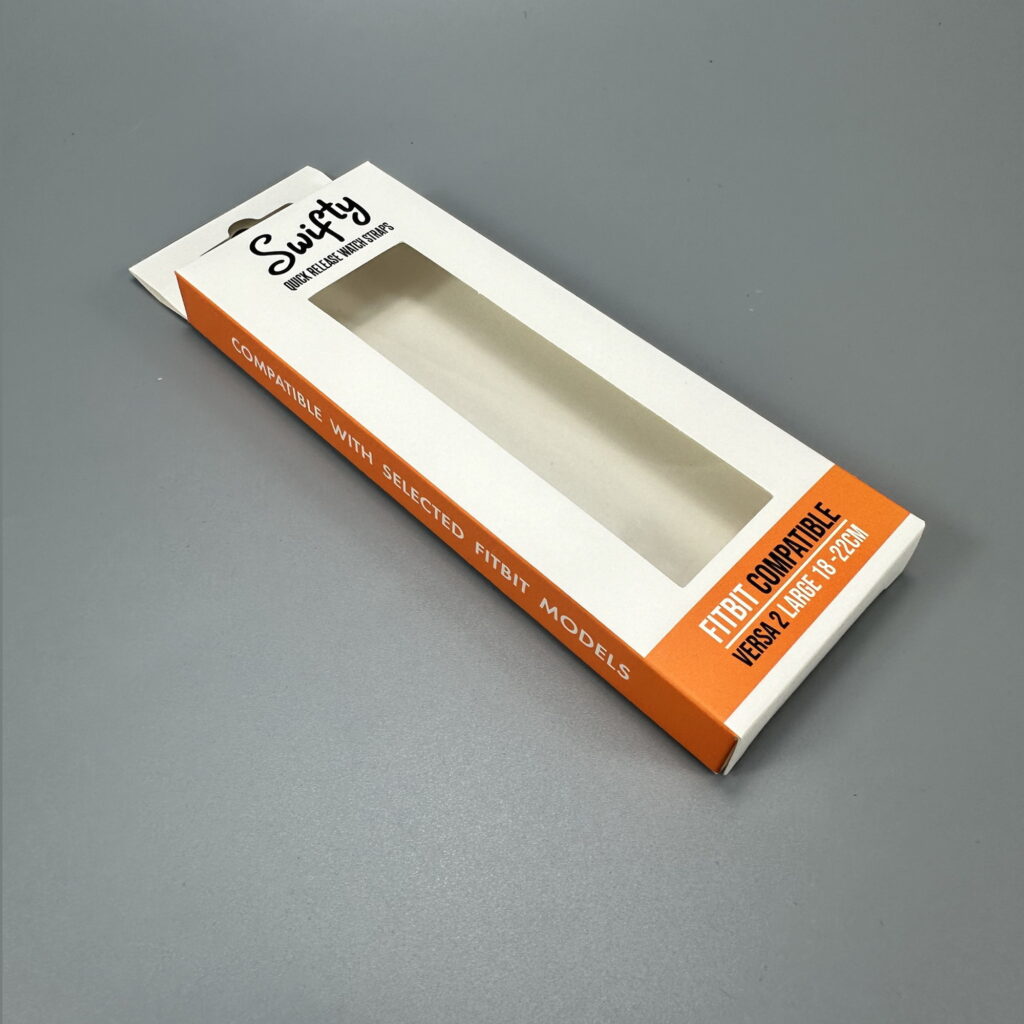
How to Estimate Your Custom Packaging Budget
A reliable packaging budget starts with a clear project brief. The more complete your specifications are, the more accurate your quotation will be.
Step 1: Define the Product Requirements
Provide the manufacturer with:
– Product dimensions: length, width, height, and weight
– Product photos or a physical sample
– Fragility level and protection needs
– Target market and sales channel
– Retail display, e-commerce shipping, or gift-use requirements
– Required product information, warnings, barcodes, or compliance labels
Always use internal box dimensions when discussing fit. The packaging must hold the product comfortably while minimizing unnecessary empty space.
Step 2: Choose the Packaging Level
Not every product needs a luxury rigid box. Match the box to the customer experience and commercial objective.
Например:
– A skincare serum may need a printed folding carton with a protective insert.
– A fragile ceramic item may need a corrugated mailer and molded pulp protection.
– A premium holiday gift set may justify a rigid magnetic box with custom compartments.
– An e-commerce apparel brand may choose a lightweight mailer box with one-color printing and tissue paper.
Step 3: Set a Realistic Quantity Range
Request pricing at several quantities, such as 1,000, 3,000, 5,000, and 10,000 units. This helps you identify the point where unit savings become meaningful.
Do not compare quotes only by the lowest unit price. Compare the full specifications:
– Box size
– Material grade and thickness
– Printing colors
– Finish type
– Insert material
– Setup charges
– Sample charges
– Packaging method
– Lead time
– Freight and shipping terms
Step 4: Approve a Sample Before Mass Production
A physical sample is one of the most important investments in a packaging project. It lets you check the real-world fit, color, structure, material feel, folding accuracy, insert performance, and overall presentation.
Before approval, test the packaging with the actual product. Open and close it repeatedly. Check whether labels scan correctly. Confirm that the product does not shift during handling. If the packaging will be shipped, perform a basic transit test or work with a qualified testing process for more demanding products.
Expert Cost-Control Strategies Without Sacrificing Quality
The most successful packaging projects do not simply remove features. They optimize the entire system.
Use Standard Structures Where Possible
Custom dimensions can still be used with proven structures such as tuck-end boxes, mailer boxes, two-piece rigid boxes, and standard paper bags. This can reduce engineering complexity and avoid unnecessary production risk.
Design for Efficient Shipping
A visually impressive box can become expensive if it wastes carton space. Reduce oversized cavities, avoid excessive external dimensions, and consider flat-pack or collapsible designs when appropriate.
Simplify the Artwork, Not the Brand
A minimal design can look premium when it uses strong typography, a well-chosen color palette, quality paper, and one purposeful finish. Expensive packaging does not always create a better customer experience.
Consolidate Components
If possible, use a paperboard insert instead of several separate protective components. Fewer parts can reduce material cost, assembly labor, packing time, and fulfillment complexity.
Plan Early
Urgent production frequently creates avoidable expenses. Early planning gives you more flexibility to compare materials, approve samples, choose sea freight when appropriate, and prevent costly last-minute revisions.
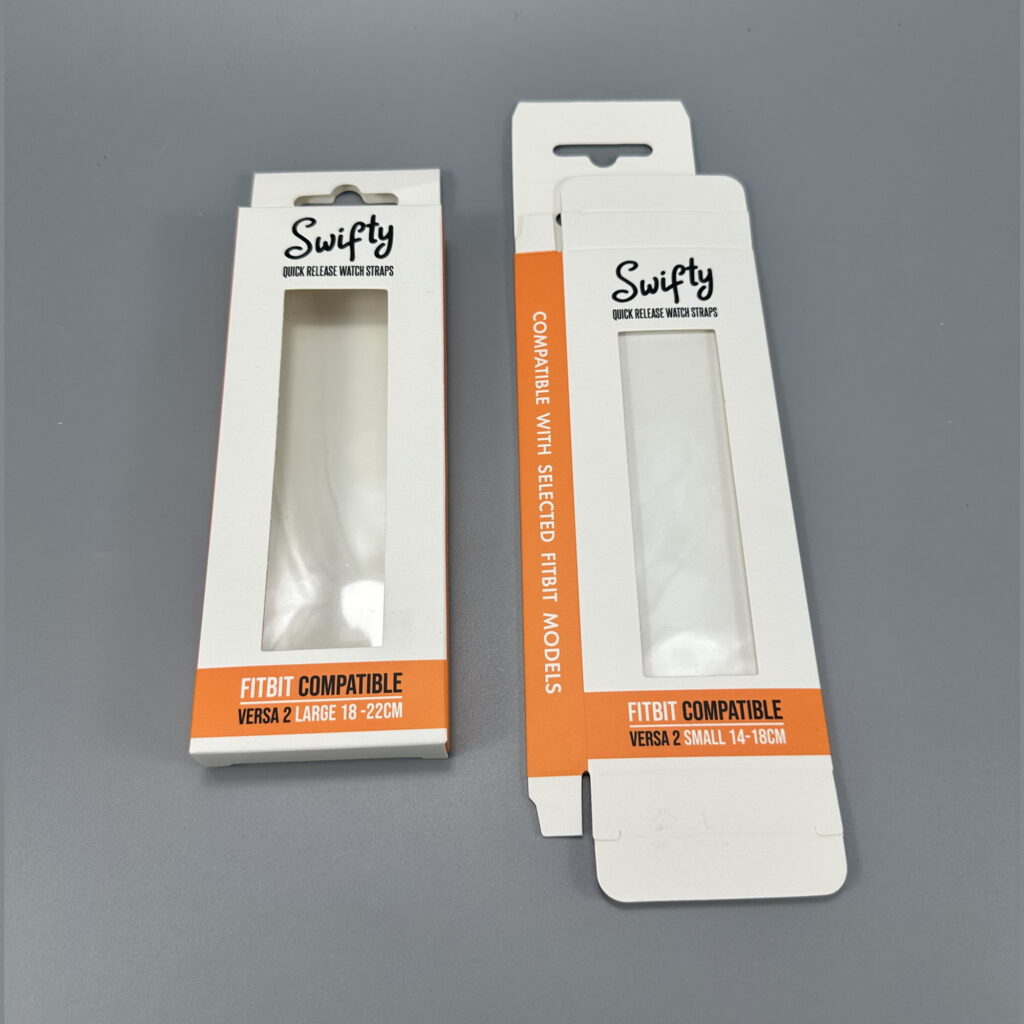
A Practical Example: Choosing the Right Packaging
Imagine a premium candle brand selling a glass jar candle through both retail stores and e-commerce.
The brand may initially request a rigid box with magnetic closure, foil stamping, foam insert, and full-color printed mailer. This presentation would look impressive, but it may create a high unit cost and substantial shipping volume.
A more balanced solution could include:
– A high-quality folding carton with matte lamination
– A custom corrugated mailer box for e-commerce orders
– A die-cut paperboard insert to stabilize the jar
– One foil-stamped logo on the retail carton
– A simple one-color shipping box design
This approach separates the retail presentation layer from the shipping protection layer. The result can protect the product, look premium on the shelf, and control freight costs more effectively than placing every luxury feature into one oversized box.
Why Work With a Direct Custom Packaging Manufacturer?
Working with a direct manufacturer can create better cost transparency when the supplier has strong capabilities in structural design, paper sourcing, printing, finishing, sample development, production management, and quality control.
At Bonito Packaging, our role is to help brands convert packaging ideas into production-ready paper packaging. That includes reviewing box structures, recommending appropriate materials, preparing samples, confirming print requirements, and manufacturing custom packaging that aligns with your product, order quantity, and target budget.
A productive packaging partnership should provide more than a price. It should help you understand trade-offs before production begins.
Request a Custom Packaging Quote From Bonito Packaging
The best way to determine how much your custom packaging will cost is to submit your real specifications. A detailed quote can reveal where to invest, where to simplify, and how to reduce total landed cost without weakening your brand experience.
Send Bonito Packaging your product size, desired box style, order quantity, artwork, finish preferences, insert requirements, and delivery destination. Our packaging team can help you develop a custom paper packaging solution that is practical, premium, and ready for production.
Request your custom packaging quote today and turn your packaging concept into a cost-effective, brand-ready product experience.
ЧАСТО ЗАДАВАЕМЫЕ ВОПРОСЫ
1. How much does custom packaging cost per unit?
Custom packaging cost per unit varies widely based on box type, order quantity, material, printing, finishes, inserts, and freight. Basic folding cartons generally cost less than rigid luxury boxes, while larger orders usually reduce the per-unit manufacturing cost.
2. What is the cheapest type of custom packaging?
Simple folding cartons and standard corrugated boxes are usually among the most cost-effective custom paper packaging options. They become even more affordable when you use standard structures, limited colors, simple finishes, and efficient dimensions.
3. Why is a rigid box more expensive than a folding carton?
Rigid boxes use thicker board, require wrapped outer paper, often involve more manual assembly, and typically take up more space during storage and shipping. Their premium appearance and stronger construction make them suitable for luxury products, gift sets, and high-value retail packaging.
4. Is digital printing or offset printing cheaper for custom boxes?
Digital printing is often more economical for short runs because it has lower setup requirements. Offset printing generally becomes more cost-effective at higher quantities because its setup cost is distributed across more units while delivering high-quality color and detail.
5. How can I reduce custom packaging costs?
You can reduce costs by choosing efficient box dimensions, using standard structures, ordering an appropriate quantity, limiting decorative finishes, selecting the right material strength, consolidating inserts, designing for flat packing, and planning production early enough to avoid rush freight.
6. Should I order a sample before custom packaging production?
Yes. A physical sample helps verify product fit, structural performance, color accuracy, print quality, material feel, and unboxing experience before you commit to mass production. It can prevent expensive production mistakes and reduce the risk of receiving packaging that does not meet expectations.
7. What information do I need for a custom packaging quote?
For an accurate quote, provide the box style, internal dimensions, quantity, product weight, material preference, printing requirements, finishing options, insert needs, artwork files, shipping destination, and desired delivery date. Product photos or a physical sample can also help refine the structural recommendation.
References
1. PakFactory. “How Much Does Custom Packaging Cost?”
[https://pakfactory.com/blog/how-much-does-custom-packaging-cost/]
2. PakFactory. “Custom Packaging, Custom Boxes, and Wholesale Boxes.”
3. Fibre Box Association. “Corrugated Packaging and Box Basics.”
4. Paper and Packaging Board. “Paper-Based Packaging Information and Resources.”
[https://paperandpackaging.org/]
5. Sustainable Packaging Coalition. “Sustainable Packaging Design and Material Resources.”
[https://sustainablepackaging.org/]
6. International Safe Transit Association. “Packaging Testing and Transport Packaging Resources.”
7. U.S. Environmental Protection Agency. “Sustainable Materials Management and Packaging Information.”
Hot Tags: Custom Packaging, Manufacturers, Customized, Custom, Suppliers, Buy, Cheap, Quality, Advanced, Durable, in Stock, Made in China, Price, Quotation, Free Sample
 English
  Spanish
  French
  German
  Russian
  Japanese
  Portuguese
  Arabic