

Content Menu
● Why Gen Z Values Matter in Rigid Box Design
● Rigid Box Design vs. Gen Z Consumer Values
● Build Sustainability Into the Structure, Not Just the Message
>> Choose Paper-Based Materials Carefully
>> Make Recycling Instructions Clear
>> Design for Reuse Before Recycling
● Use Authentic Design Details to Earn Trust
>> Replace Empty Claims With Proof Points
>> Let Craftsmanship Be Visible
● Balance Minimalism With Shareable Unboxing
>> Choose the Right Rigid Box Style
● Personalization Without Creating Excess Waste
>> Low-Waste Personalization Options
>> Build Community Into the Interior
● Add Digital Touchpoints That Serve a Real Purpose
● A Practical Gen Z Rigid Box Design Checklist
>> Ask These Questions Before Production
● Partner With a Rigid Box Manufacturer Early
● FAQs About Gen Z Rigid Box Design
>> 1. What do Gen Z consumers want from premium packaging?
>> 2. Are rigid boxes sustainable?
>> 3. Which rigid box style is best for Gen Z brands?
>> 4. How can brands avoid greenwashing on packaging?
>> 5. Should a Gen Z packaging design include a QR code?
>> 6. Can luxury rigid boxes still appeal to sustainability-conscious consumers?
>> 7. How can a brand personalize rigid box packaging cost-effectively?
Gen Z does not see packaging as a disposable outer layer. They see it as part of the product, the brand story, and the proof behind a company’s values. For brands selling beauty, fashion, jewelry, electronics, candles, gifts, and premium lifestyle products, жёсткий ящик design can influence whether Gen Z perceives the product as authentic, responsible, premium, and worth sharing.
На сайте Упаковка Bonito, we work from the manufacturing side of custom paper packaging. That perspective matters. A premium rigid box must do more than look good in a product photograph. It must protect the product, survive shipping, open smoothly, communicate material choices clearly, and be practical to produce at scale. The strongest Gen Z packaging strategies connect visual appeal with real, verifiable design decisions.
This guide explains how to align custom rigid box packaging with the consumer values that increasingly shape Gen Z purchasing behavior: sustainability, authenticity, inclusivity, personalization, convenience, and digital engagement.
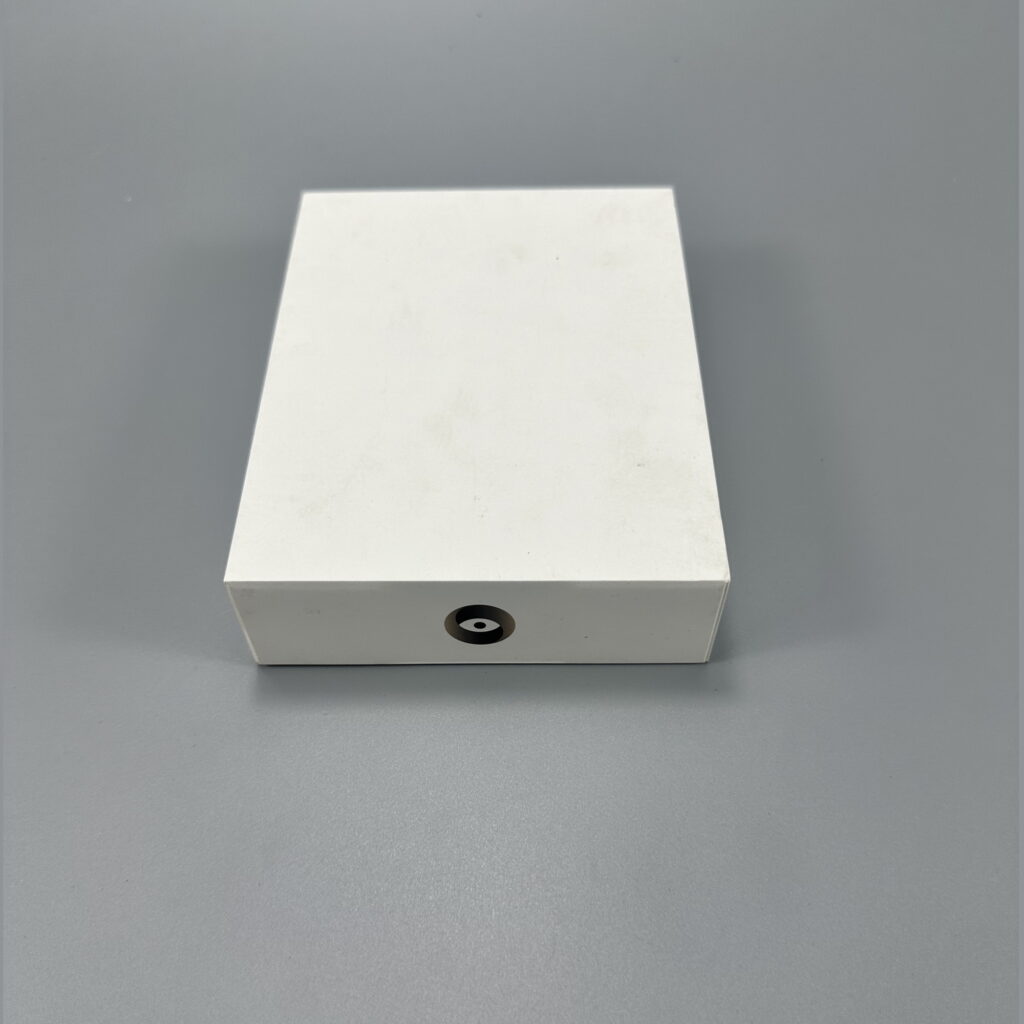
Why Gen Z Values Matter in Rigid Box Design
Gen Z consumers are digital natives, but their expectations are not only digital. They are highly aware of how products are made, how brands communicate, and whether a company’s actions match its claims. Packaging is one of the first physical brand touchpoints they experience after clicking “buy.”
For premium brands, this creates an important opportunity: a thoughtfully engineered custom rigid box can turn an ordinary delivery into a memorable brand experience.
Gen Z is often associated with sustainability, but this audience is not motivated by one issue alone. Their decision-making tends to combine several expectations:
– Environmental responsibility without vague green claims
– Authenticity rather than overly polished corporate messaging
– Personal expression through color, design, and customization
– Inclusive representation in visuals, language, and brand experience
– Digital shareability for social platforms and peer recommendations
– Convenience and usability during opening, storage, reuse, and recycling
– Value for money, especially when premium packaging is part of a higher-priced product
The key lesson for brands is simple: Gen Z does not necessarily reject luxury packaging. Instead, many consumers reject packaging that feels excessive, misleading, inconvenient, or disconnected from the product’s actual value.
A rigid box is particularly effective when it communicates durability, intentionality, and reusability. Unlike lightweight folding cartons, a well-made setup box can become part of the product experience long after the initial purchase.
Rigid Box Design vs. Gen Z Consumer Values
The phrase “Gen Z packaging” can be misleading if it is treated as a single visual trend. Bright colors, bold typography, and viral unboxing moments may attract attention, but design decisions need to reflect deeper consumer expectations.
The table below shows how common Gen Z values translate into practical rigid box design choices.
| Gen Z Consumer Value | What It Means for Packaging | Rigid Box Design Response | Common Mistake to Avoid |
|---|---|---|---|
| Устойчивое развитие | Materials and claims should be credible | Use responsibly sourced paperboard, reduce plastic components, optimize box size | Adding “eco-friendly” messaging without explaining the material or disposal path |
| Authenticity | Brand messaging should feel honest and specific | Show material details, practical care instructions, and real production information | Using generic sustainability icons with no supporting details |
| Персонализация | Consumers want products that feel relevant to them | Use variable print, personalized cards, color variants, or QR-led content | Over-customizing every component until cost and waste increase |
| Social shareability | The unboxing experience should be visually memorable | Create a clean opening sequence, photogenic interior, and strong focal point | Designing for photography only while ignoring product protection |
| Inclusivity | Packaging should welcome different customers and identities | Use accessible language, inclusive visuals, and adaptable color choices | Relying on stereotypes or trend-driven messaging that excludes customers |
| Functionality | The package must be easy to open, keep, and recycle | Use intuitive magnetic closures, ribbon pulls, trays, and clear recycling guidance | Using too many layers, inserts, and hard-to-separate materials |
| Premium value | Quality should be visible and tactile | Choose sturdy board, refined wrapping paper, controlled embossing, and precise construction | Adding excessive decorative finishes that make the box feel wasteful |
A successful Gen Z-oriented rigid box is not necessarily minimal, colorful, recycled, or personalized in every situation. It is purposeful. Each material, finish, and structural element should have a reason to exist.
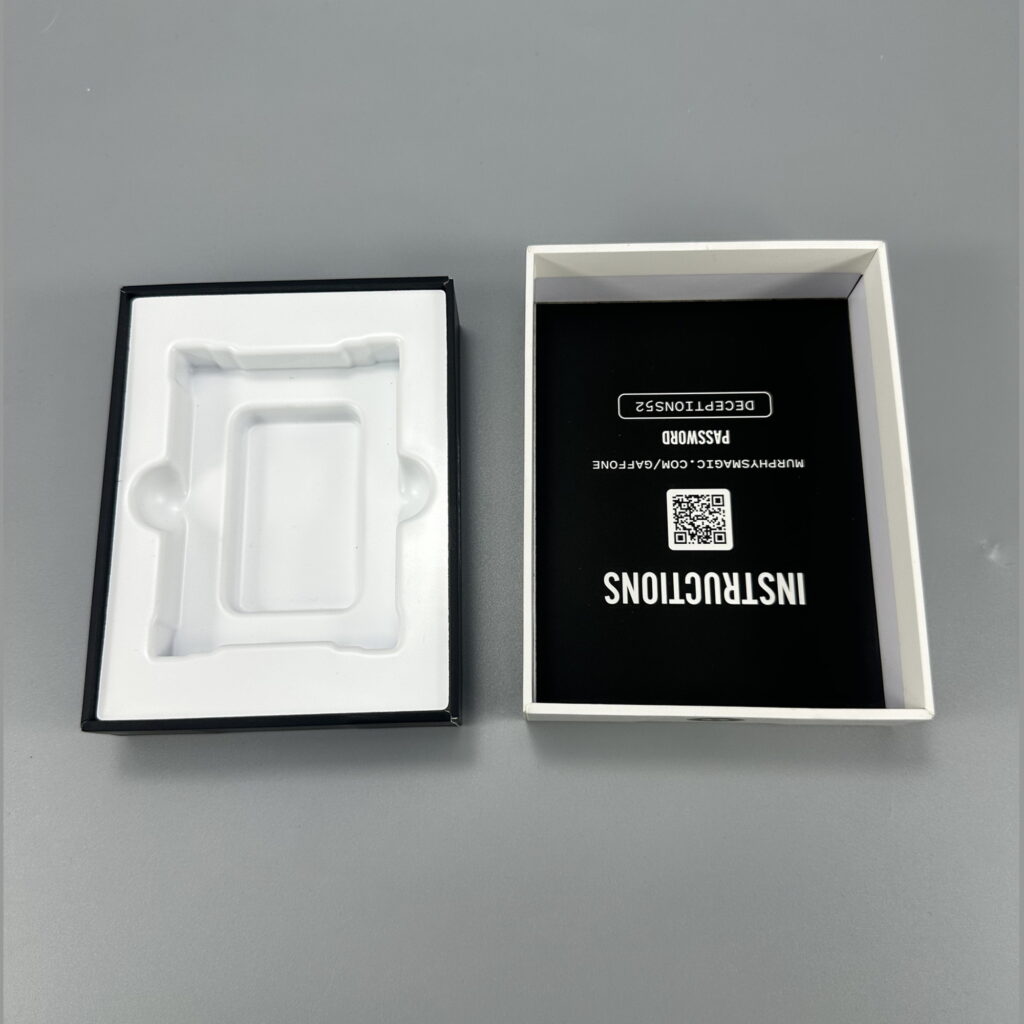
Build Sustainability Into the Structure, Not Just the Message
Sustainability is one of the most visible Gen Z consumer values, but it is also one of the easiest areas for brands to mishandle. Younger consumers increasingly notice when a package has too much empty space, unnecessary plastic, difficult-to-remove magnets, or claims that cannot be verified.
For custom rigid box packaging, the most credible approach is to begin with engineering.
Choose Paper-Based Materials Carefully
Rigid boxes are generally constructed with thick paperboard and wrapped with printed or specialty paper. This gives brands a strong foundation for creating paper-forward packaging, but material choices still matter.
Consider the following options during the design stage:
– Use recycled-content paperboard where product requirements allow.
– Select FSC-certified or responsibly sourced paper materials when available.
– Reduce plastic windows, plastic lamination, and difficult-to-separate accessories.
– Avoid unnecessary foam inserts when molded pulp, paperboard dividers, or folded paper supports can protect the product.
– Choose water-based or lower-impact ink and coating options when compatible with the design.
– Size the box around the product to reduce material use and shipping volume.
A premium unboxing experience does not need five separate layers. In many cases, one well-designed lift-off lid box or magnetic closure rigid box, a functional insert, and a concise product card are more effective than a heavily layered package.
Make Recycling Instructions Clear
Consumers should not need to search online to understand whether a package can be recycled. Add simple, visible guidance in a discreet but accessible location, such as the bottom panel, inside lid, or product information card.
For example, a brand can use straightforward copy such as:
“Box: paper-based rigid packaging. Please remove the ribbon before recycling where local facilities accept paperboard.”
This is more useful than broad claims like “100% green packaging” or “planet-friendly luxury.”
Specificity builds trust. If the box includes magnets, foil, fabric ribbon, or other mixed materials, acknowledge that honestly. Clear instructions are more credible than perfect-sounding language.
Design for Reuse Before Recycling
Rigid boxes have a natural advantage: they are durable enough to become storage boxes for jewelry, stationery, accessories, keepsakes, or small household items.
A reusable rigid box can extend the life of the packaging and keep the brand present in the customer’s daily environment. To support reuse:
– Use sizes that are practical for storage.
– Avoid permanent campaign dates on the outer box.
– Make the box sturdy enough to open and close repeatedly.
– Use an interior color or printed message that makes the box enjoyable to keep.
– Design removable inserts so the box remains useful after the product is removed.
Use Authentic Design Details to Earn Trust
Gen Z consumers are highly exposed to advertising. They can often recognize generic brand language, copied visual trends, and performative sustainability claims. For packaging, authenticity is created through details that feel real, useful, and consistent with the brand.
A custom rigid box should answer three silent questions:
1. Why is this package designed this way?
2. Does the quality match the price of the product?
3. Can I believe what the brand is telling me?
Replace Empty Claims With Proof Points
Instead of placing large, vague sustainability statements on the box, use small but meaningful proof points. These may include:
– Material composition
– Recycling guidance
– Paper sourcing certification details, where applicable
– A QR code leading to a packaging materials page
– A short explanation of why a certain insert or closure was selected
– A product care or refill instruction that extends product life
For example, a skincare brand could print: “Designed as a reusable keepsake box. Paper-based structure with a removable product insert.” This communicates purpose without overpromising.
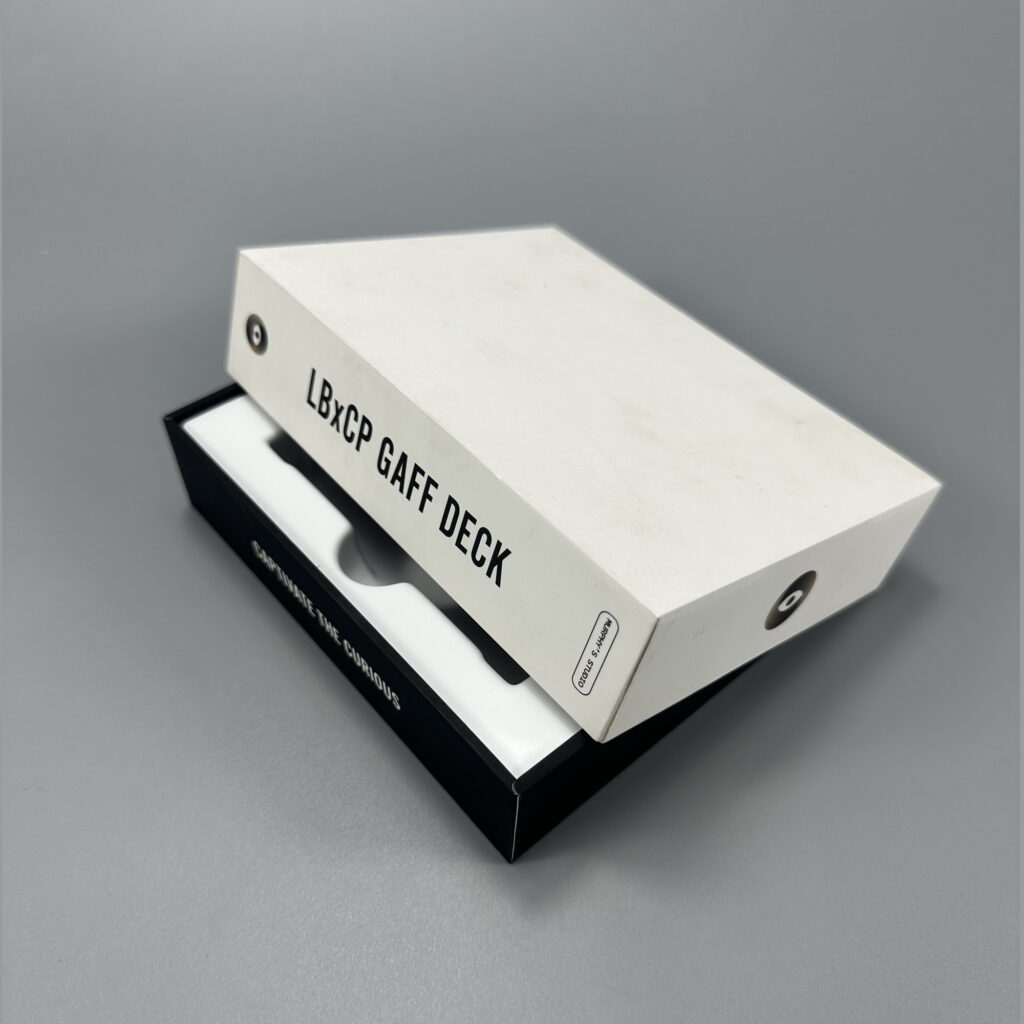
Let Craftsmanship Be Visible
Luxury and authenticity are not opposites. In fact, good construction can make a sustainable design feel more desirable.
Details that support a premium, genuine experience include:
– Tight wrap alignment at corners
– Clean board edges and consistent lid fit
– Soft-touch paper alternatives rather than heavy plastic films
– Debossing or blind embossing instead of excessive foil coverage
– Simple color palettes supported by high-quality printing
– Carefully positioned ribbon pulls or thumb notches
– A well-fitted paperboard or molded-pulp insert
At Bonito Packaging, we recommend reviewing physical samples before confirming final production. Screen visuals cannot fully show board density, lid friction, wrapping quality, paper texture, emboss depth, or insert performance. Tactile quality is part of the brand message.
Balance Minimalism With Shareable Unboxing
Gen Z is often drawn to products that photograph well, but social shareability should not mean clutter. The most effective unboxing experiences are usually easy to understand in seconds.
A strong rigid box unboxing sequence often includes:
1. A recognizable outer visual identity
2. A satisfying opening mechanism
3. A clean first interior reveal
4. A product presentation moment
5. A concise brand message or digital interaction
6. A package worth keeping after use
For example, a premium candle brand may use a two-piece rigid box with a matte paper wrap, a debossed logo, an interior color reveal, and a removable paperboard collar that holds the candle securely. This design can feel premium without relying on plastic trays, excessive metallic finishes, or multiple disposable layers.
Choose the Right Rigid Box Style
Different structures support different Gen Z-focused brand experiences.
| Rigid Box Style | Лучший пример использования | Gen Z Value It Supports | Design Consideration |
|---|---|---|---|
| Lift-off lid rigid box | Candles, apparel, gifts, beauty sets | Simplicity, reuse, premium value | Use a precise lid fit and practical interior insert |
| Magnetic closure box | Influencer kits, cosmetics, premium electronics | Unboxing, social shareability, luxury | Limit unnecessary magnets and clearly consider end-of-life separation |
| Drawer rigid box | Jewelry, fragrance, accessories | Discovery, personalization, gifting | Add a ribbon pull and avoid overly tight drawer movement |
| Shoulder-neck rigid box | High-end spirits, watches, collectibles | Craftsmanship, exclusivity, durability | Use this structure when the product value supports a more complex build |
| Collapsible rigid box | E-commerce, apparel, subscription gifting | Shipping efficiency, storage convenience | Test fold strength and assembly experience carefully |
The right format depends on the product, shipping channel, target retail price, and brand narrative. There is no universal “best” rigid box. The best option is the one that supports the product without creating needless material use or production complexity.
Personalization Without Creating Excess Waste
Personalization is a powerful way to make packaging feel relevant to Gen Z consumers. However, personalization should be strategic. A name printed on every box may be effective for a campaign, but it can complicate inventory, increase waste, and create production inefficiencies.
Instead, brands can create personalization at different levels.
Low-Waste Personalization Options
– Variable-data printed thank-you cards
– Personalized product labels rather than fully customized rigid boxes
– Color-coded box sleeves for product variants
– Seasonal inner cards that can be updated without changing the main box
– QR codes that lead to personalized digital content
– Reusable sticker sheets, where appropriate
– Modular inserts for different product bundles
This approach keeps the outer rigid box durable and evergreen while allowing the campaign, customer name, creator collaboration, or seasonal message to change.
Build Community Into the Interior
The inside of the box is an underused brand space. A short, genuine interior message can create an emotional connection without adding extra materials.
Examples include:
– “Made to protect what you chose.”
– “Keep this box. Make it yours.”
– “Designed for your next ritual.”
– “Scan to meet the makers behind your product.”
– “A better package starts with fewer unnecessary layers.”
Avoid copying slang simply to sound young. Gen Z audiences are diverse, and forced language can quickly make a brand feel out of touch. Use a natural brand voice that is clear, respectful, and specific.
Add Digital Touchpoints That Serve a Real Purpose
A QR code can add value, but only if it leads somewhere useful. A generic homepage link is rarely compelling. Instead, use QR-enabled packaging to answer questions that arise after purchase.
Useful QR code destinations include:
– Product care instructions
– Refill or reorder options
– Ingredient or material information
– Packaging disposal guidance
– Behind-the-scenes manufacturing content
– Loyalty programs
– Product authentication
– User-generated content galleries
– Creator tutorials or styling ideas
For a premium rigid box, QR placement should be discreet. Consider placing it under the lid, on the inside sidewall, or on a removable information card. Keep the primary exterior design clean.
A practical example: a jewelry brand can place a QR code inside a drawer rigid box that leads to care guidance, a warranty registration page, and styling videos. The code becomes useful after the unboxing moment rather than interrupting the visual design.
A Practical Gen Z Rigid Box Design Checklist
Before approving a rigid box design, evaluate it from the customer’s perspective as well as the factory’s production perspective.
Ask These Questions Before Production
– Does the box protect the product during shipping and retail handling?
– Is the board thickness appropriate for the product weight?
– Can the package be opened without frustration or damage?
– Is every component necessary?
– Can customers understand how to reuse or recycle the package?
– Are sustainability claims accurate and specific?
– Does the design reflect the brand’s real identity rather than a short-term trend?
– Is the interior experience as considered as the exterior?
– Can the design be produced consistently at the required order quantity?
– Have physical samples been tested for fit, finish, color, and transport performance?
Test With Real Customers
Brands should not rely only on internal opinions. Before a large packaging order, test samples with customers, creators, retail staff, or a small focus group.
Ask participants to rate:
– First impression
– Ease of opening
– Perceived product value
– Material quality
– Likelihood of reusing the box
– Clarity of recycling information
– Likelihood of sharing the unboxing online
This feedback often reveals issues that a design team may miss. A ribbon may be difficult to pull. A lid may be too tight. A matte finish may scuff during shipping. A sustainability message may be unclear. Small corrections before mass production can prevent expensive rework later.

Partner With a Rigid Box Manufacturer Early
The best custom packaging is created through collaboration between the brand, designer, and manufacturer. Bringing a rigid box manufacturer into the process early can improve structural feasibility, material selection, cost control, and production consistency.
At Bonito Packaging, we help brands translate packaging concepts into manufacturable custom rigid boxes. That includes reviewing box structure, board selection, wrapping paper, inserts, print methods, surface finishes, and shipping requirements before full production begins.
A Gen Z-ready package should not be designed only for a mood board. It should work in the real world: on a retail shelf, in an e-commerce carton, in a customer’s hands, and eventually in a reuse or recycling system.
Ready to create premium packaging that reflects your brand values? Contact Bonito Packaging to discuss your custom rigid box project, request structural recommendations, and develop samples that balance sustainability, durability, and an unforgettable unboxing experience.
FAQs About Gen Z Rigid Box Design
1. What do Gen Z consumers want from premium packaging?
Gen Z consumers often look for packaging that feels authentic, visually appealing, functional, and responsible. They value clear sustainability information, thoughtful design, easy usability, and an experience that feels worth sharing or keeping.
2. Are rigid boxes sustainable?
Rigid boxes can support a more sustainable packaging strategy when they use responsibly sourced paper-based materials, avoid unnecessary plastic components, fit the product efficiently, and are designed for reuse. Sustainability depends on the full material and structural design, not simply on the fact that a box is made from paperboard.
3. Which rigid box style is best for Gen Z brands?
There is no single best style. Lift-off lid boxes work well for reusable premium packaging, magnetic closure boxes create a strong unboxing experience, drawer boxes add a sense of discovery, and collapsible rigid boxes can improve e-commerce shipping efficiency. The right choice depends on the product, price point, and intended customer experience.
4. How can brands avoid greenwashing on packaging?
Avoid broad claims such as “eco-friendly” unless they are supported by clear information. State the materials used, provide disposal instructions, describe any certifications accurately, and be transparent about mixed-material components such as magnets, ribbons, or coatings.
5. Should a Gen Z packaging design include a QR code?
A QR code can be useful when it provides real value, such as product care instructions, recycling guidance, authentication, refill options, loyalty rewards, or behind-the-scenes content. Avoid adding QR codes solely as decoration or linking them to a generic homepage.
6. Can luxury rigid boxes still appeal to sustainability-conscious consumers?
Yes. Luxury and sustainability can work together when the box is durable, reusable, appropriately sized, and transparent about its materials. Premium quality should come from thoughtful construction, tactile paper, smart structure, and long-term usefulness rather than excessive layers or unnecessary decoration.
7. How can a brand personalize rigid box packaging cost-effectively?
Use a durable, evergreen outer box and personalize lower-waste components such as product cards, stickers, sleeves, labels, inserts, or QR-led digital experiences. This preserves the premium box structure while allowing campaigns and customer messaging to change more easily.
References
1. [Deloitte Global Gen Z and Millennial Survey 2026]
2. [McKinsey: State of Consumer 2026]
3. [DHL Guide to Environmentally Friendly Packaging]
4. [McKinsey: State of Beauty Industry Trends 2026]
5. [MDPI: Understanding Generation Z Purchasing Behaviour on Online Marketplaces]
6. [Smurfit Westrock: Custom Rigid Boxes]
7. [FSC: Forest Stewardship Council]
Hot Tags: Rigid Box, Manufacturers, Customized, Custom, Suppliers, Buy, Cheap, Quality, Advanced, Durable, in Stock, Made in China, Price, Quotation, Free Sample
 English
  Spanish
  French
  German
  Russian
  Japanese
  Portuguese
  Arabic