
Packaging design inspiration websites can help you discover distinctive colors, structures, and storytelling ideas for custom packaging. But an attractive image is only a starting point. The real challenge is translating inspiration into paper packaging that fits your product, communicates your brand, and can be manufactured consistently.
At Bonito Packaging, our manufacturing perspective starts with one question: what must this design accomplish beyond looking beautiful?
This guide compares ten useful resources, explains what to study on each, and provides a practical route from saved images to a production-ready packaging brief.
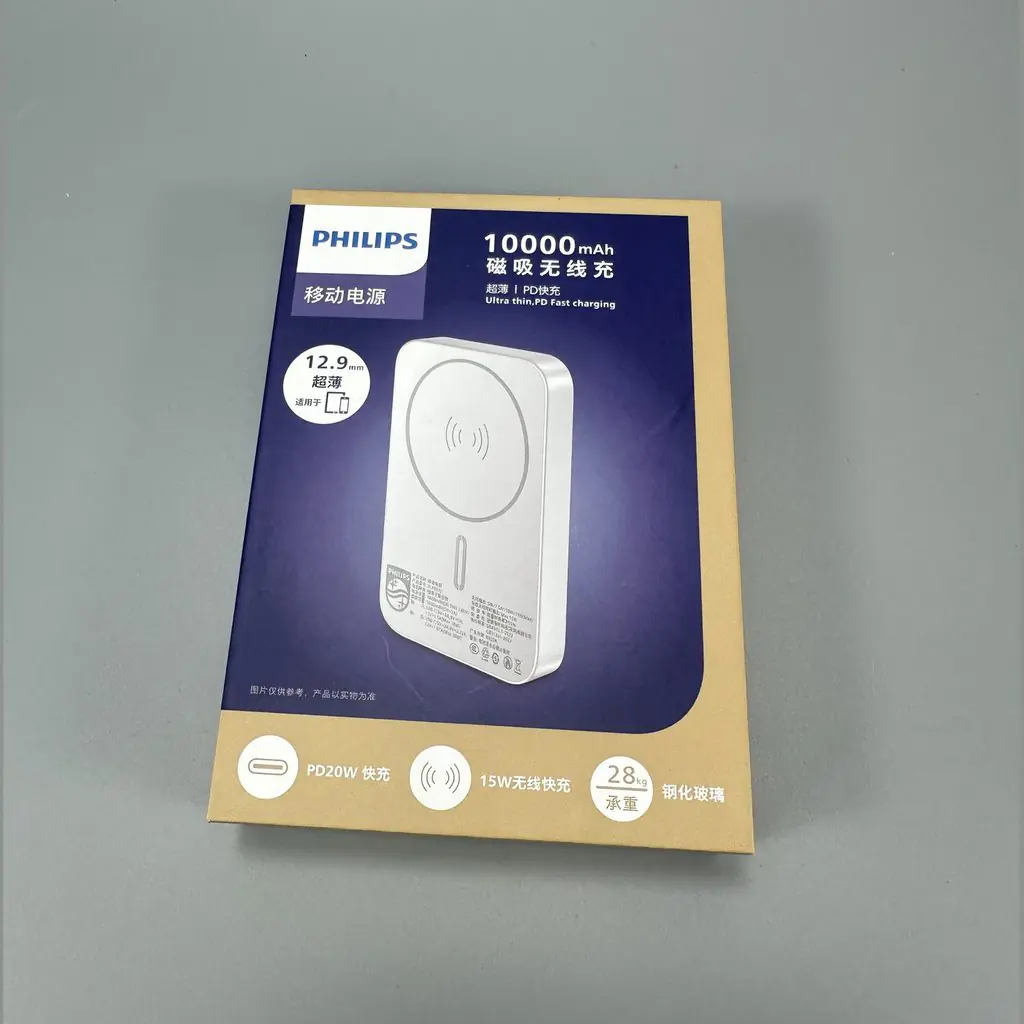
How to Choose Packaging Design Inspiration Websites
Different resources answer different questions. Editorial publications explain design decisions. Portfolio platforms reveal creative development. Award galleries highlight work selected by professional juries.
Use this comparison to focus your research:
| Website | Best research use | What to examine |
|---|---|---|
| DIELINE | Packaging concepts and industry context | Brand positioning and visual storytelling |
| Packaging of the World | Broad category exploration | Materials, formats, and regional approaches |
| World Brand Design Society | Brand identity systems | Consistency across packaging ranges |
| BP&O | Critical design interpretation | Typography, composition, and rationale |
| Behance | Detailed creative presentations | Artwork development and product families |
| Designspiration | Visual direction | Color, texture, and composition |
| Inspiration Grid | Cross-disciplinary ideas | Illustration and graphic expression |
| Initial moodboards | Recurring themes and search vocabulary | |
| Pentawards | Award-recognized packaging | Presentation and conceptual distinction |
| GDUSA Design Gallery | Commercial packaging references | Category communication and credited work |
These are complementary resources, not a ranked performance comparison. Start with platforms that answer your immediate design question rather than browsing all ten without a brief.
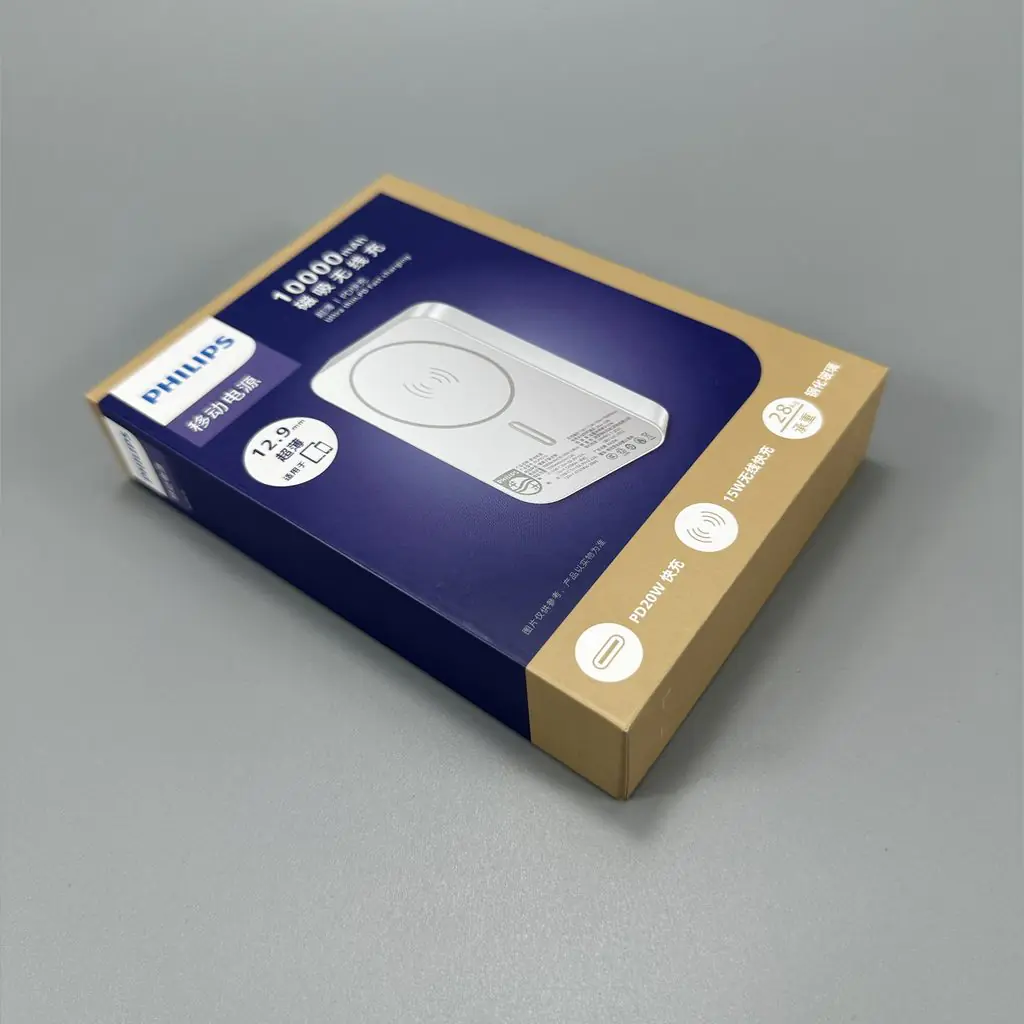
10 Websites for Packaging Design Inspiration
1. DIELINE: Explore Packaging Concepts and Brand Stories
DIELINE combines packaging projects with reporting on branding, design, and material innovation.
Use it to examine how a concept connects the product, audience, and presentation. For luxury paper packaging inspiration, look beyond finishes and ask whether the design communicates a recognizable brand idea.
2. Packaging of the World: Compare Categories and Materials
Packaging of the World offers a curated archive organized around categories, materials, and countries.
It is useful when researching beyond direct competitors. A tea carton might suggest a presentation approach for skincare, while confectionery packaging could inspire a gift collection. Translate the principle rather than reproducing the artwork.
3. World Brand Design Society: Study Complete Brand Systems
World Brand Design Society presents branding and packaging projects from different markets.
Study how one identity works across multiple products. Look at logo placement, variant colors, and information hierarchy. This is particularly useful when planning a coordinated range of custom printed boxes rather than a single launch package.
4. BP&O: Understand Why a Design Works
BP&O combines branding and packaging coverage with critical commentary.
Use it to develop a more precise design vocabulary. Instead of requesting something “premium,” identify whether the appeal comes from restrained typography, generous spacing, illustration, or material contrast. Specific observations create more useful discussions with designers.
5. Behance: Review Detailed Packaging Presentations
Behance hosts packaging portfolios covering branding, artwork, and product presentation.
Some projects show multiple views and development stages. However, establish whether a project is a concept or a manufactured product. A convincing rendering does not establish the board specification, finishing method, or practical opening experience.
6. Designspiration: Build a Focused Visual Direction
Designspiration supports discovering and saving creative references, including colors and imagery.
Use it when your team needs to agree on a mood before developing artwork. Combine references for palette, texture, and composition, then connect each selection to your audience and brand rather than personal taste alone.
7. Inspiration Grid: Find Ideas Outside Packaging
Inspiration Grid covers design, illustration, typography, photography, and other creative disciplines.
This broader scope helps avoid repetitive category styling. An illustration technique or editorial composition can become a starting point for original packaging graphics without borrowing another brand’s recognizable box design.
8. Pinterest: Organize Early Research
Pinterest is useful for collecting visual references into themed boards.
Create separate boards for structure, graphics, and finishes. Trace important images back to their original creators where possible. Treat a pin as a research lead, not proof of the material, manufacturing process, or ownership of the design.
9. Pentawards: Examine Award-Recognized Packaging
Pentawards provides packaging competitions, winner galleries, and design publications.
Use the galleries to discuss conceptual ambition and presentation quality. Recognition can make a project worth studying, but it does not establish suitability for your budget, distribution conditions, or production quantity.
10. GDUSA Design Gallery: Review Commercial Examples
The GDUSA Design Gallery includes award-winning package design with credited designers and organizations.
Use these examples to compare how packages communicate product type and variation. Examine whether shoppers can understand the product before appreciating the decorative details.
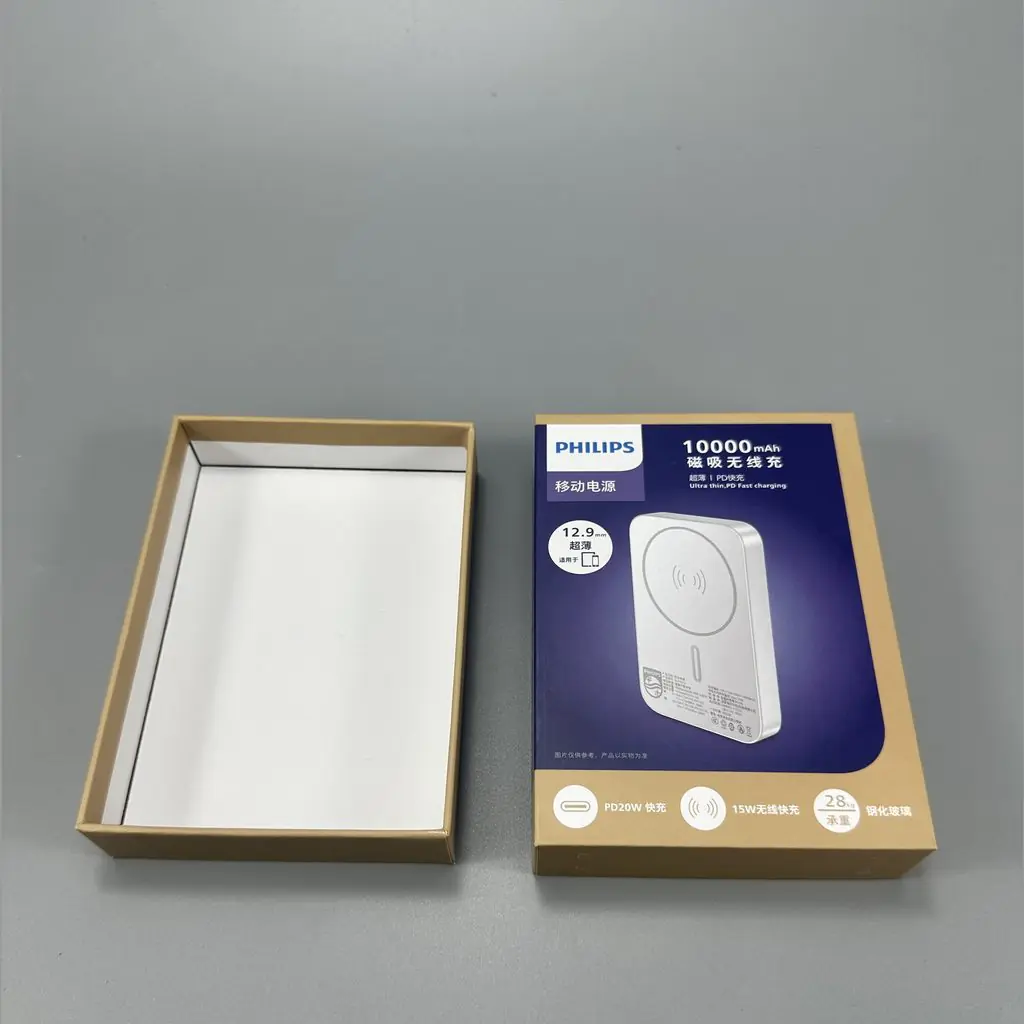
Turn Custom Packaging Inspiration into a Manufacturing Brief
My recommended approach is to convert every reference into a decision. A moodboard should explain intent, not simply collect attractive pictures.
1. Define the product, target buyer, sales channel, quantity, and budget range.
2. Select references for structure, graphics, materials, and opening experience.
3. Annotate what matters in each image and what should not be copied.
4. Ask the manufacturer to confirm the structure and supply the correct dieline.
5. Review physical samples before approving production.
A dieline is the flat structural drawing showing how packaging will be cut, creased, and assembled. Artwork must follow the approved structure, with bleed and safe areas confirmed for the project.
Check Manufacturing Feasibility Before Approving Artwork
A photograph cannot confirm how a package performs.
For premium custom paper packaging, discuss:
– Product dimensions, weight, and required protection.
– Board construction and intended opening method.
– Print surfaces, finishes, and acceptable color variation.
– Assembly, storage, and shipping requirements.
– Quantity, tooling, sampling, and delivery expectations.
Compare complete specifications when requesting quotations. Similar-looking boxes may use different constructions or finishing processes.
A physical sample provides evidence that a rendering cannot: product fit, closure behavior, handling comfort, and actual surface appearance. Confirm which materials and finishes the sample represents before treating it as a production reference.
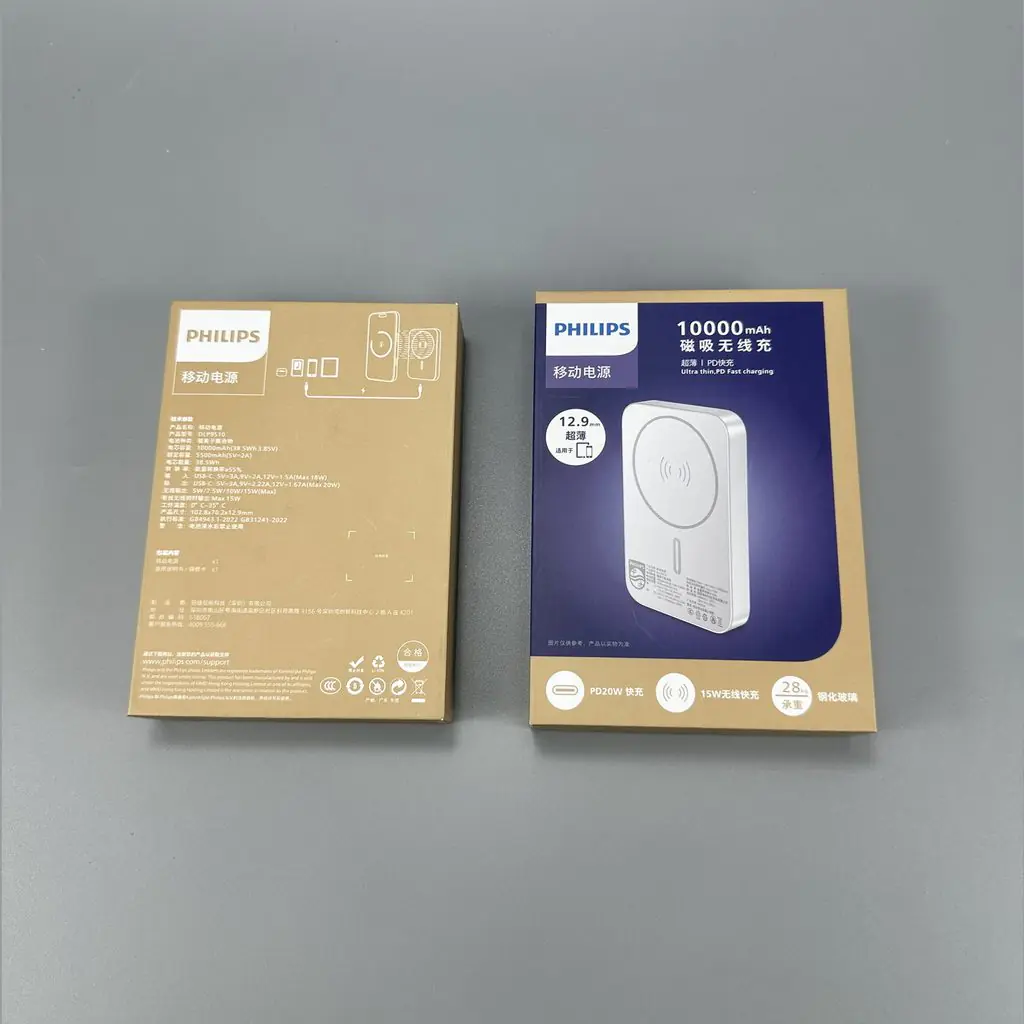
Use Customer Feedback Without Inventing Proof
No verified customer reviews were supplied for this article. For your own project, collect feedback on samples rather than relying on general statements such as “looks expensive.”
Ask participants to identify the product, open the package without instructions, and explain anything confusing.
Record the task, observation, proposed change, and retest result. If someone struggles to remove the product, investigate access and fit before adding decoration. Keep aesthetic preferences separate from repeated usability problems.
Develop Your Packaging with Bonito Packaging
Bring Bonito Packaging your product dimensions, intended quantity, target market, and a small set of annotated references.
As a manufacturer specializing in high-end custom paper packaging, we can discuss your requirements and the next steps toward a packaging specification. Request a project review before finalizing artwork so the creative direction and manufacturing requirements develop together.
Frequently Asked Questions
1. Which packaging design inspiration website should I use first?
Start with Packaging of the World for broad exploration, DIELINE for editorial context, or Behance for project presentations. Choose according to the question you need answered.
2. Can I copy packaging found online?
Use references to identify principles, not reproduce distinctive artwork or branding. Commission original work and confirm permission before using third-party images or assets.
3. How many references should a packaging moodboard contain?
There is no universal requirement. Choose a small, focused selection that communicates structure, graphics, materials, and opening experience without conflicting directions.
4. Can a manufacturer produce a box from a photograph?
A photograph can communicate intent, but it cannot replace dimensions and specifications. The manufacturer still needs product details, construction requirements, quantities, and artwork.
5. Should I approve a digital rendering or a physical sample?
Use renderings to review appearance and layout. Use physical samples to assess fit, structure, and handling, while confirming whether they represent the proposed production materials and finishes.
References
1. Packwire. “A Curated List of the Best 10 Inspirational Websites for Package Design.” Published October 26, 2018. Original article used to assess topic coverage and identify practical information gaps. [packwire]
2. DIELINE. Official publication covering packaging design, brand strategy, and material innovation. Supports the platform overview. [thedieline]
3. Packaging of the World. Official curated packaging archive, organized by category, material, and country. Supports the platform overview and research applications. [packagingoftheworld]
4. World Brand Design Society. Official project publication covering brand identity and packaging design. Supports the platform overview. [worldbranddesign]
5. BP&O. “Branding, Packaging and Opinion.” Official publication featuring design reviews and commentary. Supports the description of its editorial approach. [bpando]
6. Behance. “Packaging Projects.” Official project search page showing packaging and branding portfolios. Supports the platform overview. [behance]
7. Designspiration. Official website describing creative discovery and tools for saving inspiration, colors, links, and notes. [designspiration]
8. Domestika. “12 Packaging Websites and Blogs to Inspire Your Designs.” Published September 29, 2022. Additional context for packaging resources and Inspiration Grid’s cross-disciplinary coverage. [domestika]
9. Pentawards. Official website covering its packaging design competition, winner galleries, publications, and community. [pentawards]
10. GDUSA Design Gallery. “Best Package Design: GDUSA Award Winners, 2015 to 2026.” Supports the description of its credited packaging project archive. [gallery.gdusa]
11. EngView. “What Is a Dieline? A Guide to Packaging Design.” Published September 10, 2026. Technical basis for dielines, artwork placement, and structural prototyping. [engview]