
Custom subscription box packaging should do more than look impressive. It must protect changing product assortments, support efficient fulfillment, and create a recognizable experience every month. For subscription brands, the right packaging balances presentation with practical economics.
At Bonito Packaging, we approach custom packaging from a manufacturing perspective: define the products, shipping conditions, and packing process before choosing decorative finishes. A beautiful box is valuable only when the complete package works reliably.
This guide explains how to select materials, control recurring costs, test prototypes, and use customer feedback to improve your next production run.
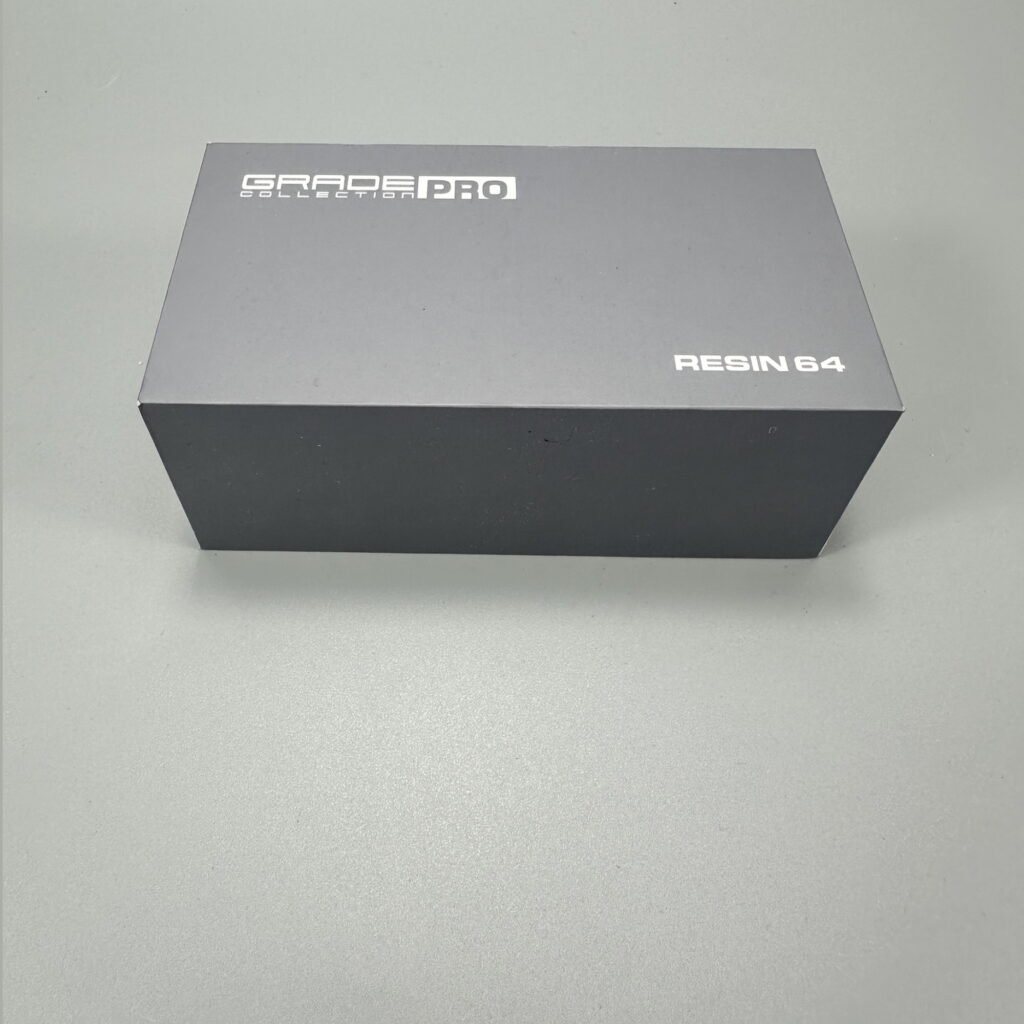
Start Your Subscription Box Packaging Design with the Product
Before discussing colors or foil, create a packaging brief covering:
– Product dimensions, weights, and quantities.
– Fragile surfaces, leak risks, and sharp edges.
– Smallest and largest planned monthly assortments.
– Shipping destinations and fulfillment methods.
– Target packaging budget and launch schedule.
Distinguish internal dimensions from external shipping dimensions. The first determines product fit; the second affects storage and transportation.
My starting recommendation is simple: design around realistic monthly variations, not just the launch assortment. Otherwise, one oversized item can force an expensive redesign.
Consider a stable outer box with interchangeable paperboard dividers. This can accommodate assortment changes without replacing every packaging component.
Choose the Right Custom Subscription Box Materials
Different box structures solve different problems. Premium appearance alone does not establish shipping suitability.
| Packaging format | Suitable applications | Main consideration |
|---|---|---|
| Corrugated mailer | Recurring deliveries of mixed products | Select board construction for the packed weight and shipping conditions |
| Rigid presentation box | Premium gifts and collectible subscriptions | May require a separate protective shipping carton |
| Folding carton | Lightweight products or inner retail packaging | Assess whether additional transport protection is needed |
| Mailer with fitted paper insert | Products needing separation or controlled positioning | Check fit across product and manufacturing tolerances |
Match Board Construction to Protection Needs
Kraft describes a paper appearance or material category, not a guaranteed strength rating. Likewise, a white printing surface does not automatically make a box stronger.
Ask your manufacturer to specify the board construction and explain why it suits your application. Compare samples using the actual products, inserts, and closure method.
For glass containers, protecting the base and separating adjacent items may matter more than simply increasing the outer board thickness.
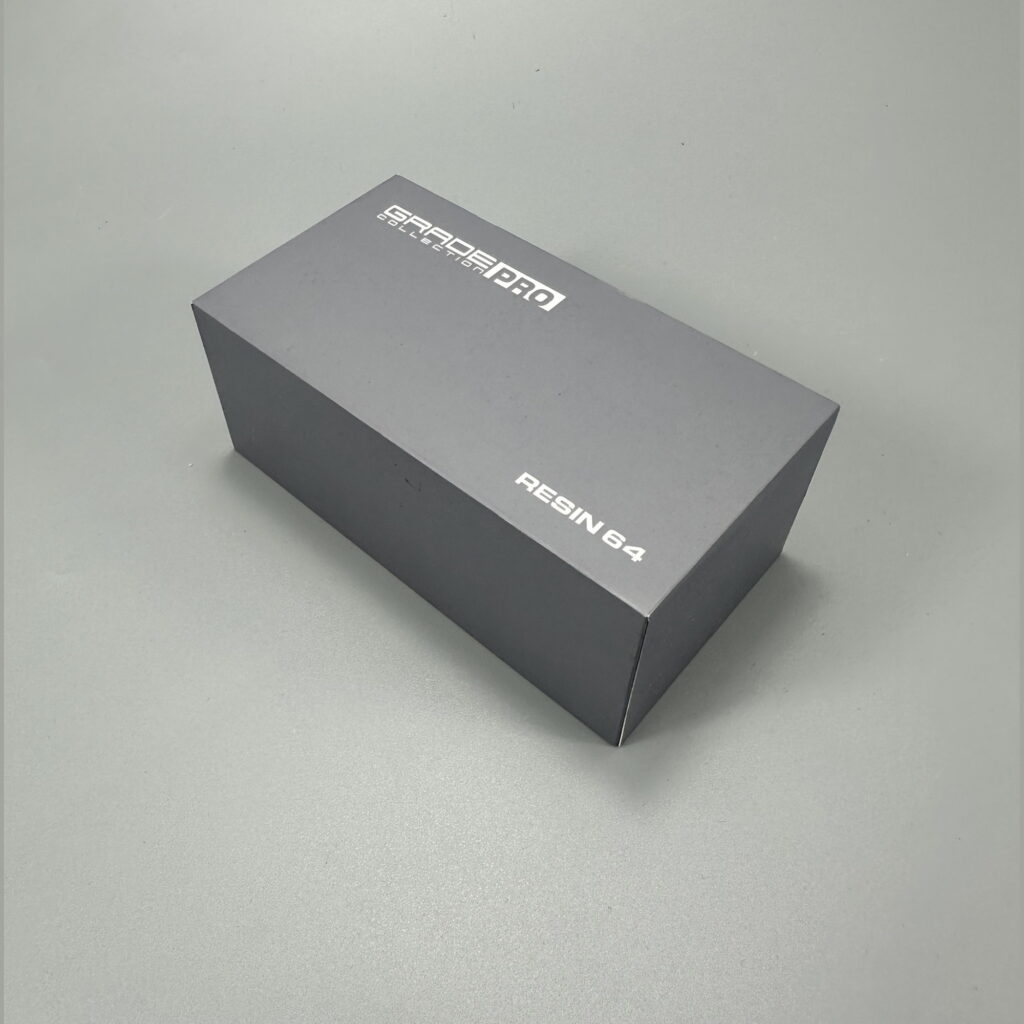
Evaluate Inserts as Part of the Package
Paperboard dividers, corrugated partitions, and molded fiber inserts offer different positioning and cushioning characteristics.
Avoid an insert that grips so tightly that customers struggle to remove products. Equally, avoid loose cavities that allow products to collide.
The goal is controlled movement, easy removal, and repeatable packing.
Create a Premium Unboxing Experience Without Excess
An effective unboxing sequence has three stages: recognition, reveal, and reassurance.
Recognition comes from consistent colors, typography, and brand placement. Reveal comes from the opening sequence and product arrangement. Reassurance comes from intact products, clear instructions, and an orderly presentation.
Use decoration selectively:
– Put your strongest message inside the opening lid.
– Keep shipping-label areas free of essential artwork.
– Use one clear product-information card instead of several overlapping inserts.
– Reserve specialty finishes for elements customers will actually notice.
For recurring subscriptions, consistency can be more useful than constant reinvention. Maintain the core visual identity while changing a sleeve, card, or interior message.
Premium should feel intentional, not complicated.
Calculate Total Packaging Cost, Not Just Box Price
A low unit quotation can conceal higher fulfillment or transportation costs. Compare proposals using the same specification and order quantity.
Total packaging cost includes more than the printed box:
– Outer packaging and protective inserts.
– Printing setup, tooling, and finishing.
– Assembly and packing labor.
– Freight, storage, and handling.
– Expected damage-related replacements.
Use a Transparent Cost Scenario
Consider an illustrative order of 5,000 shipments. An upgraded insert costing $0.12 more per shipment adds $600.
If that change prevents 30 replacement shipments costing $25 each, it avoids $750 in replacement expenses. The modeled net benefit is $150.
These are hypothetical figures, not Bonito Packaging results. Their purpose is to show how to evaluate a packaging change using your own costs.
Compare the full system, then validate the assumptions through testing and shipment records.
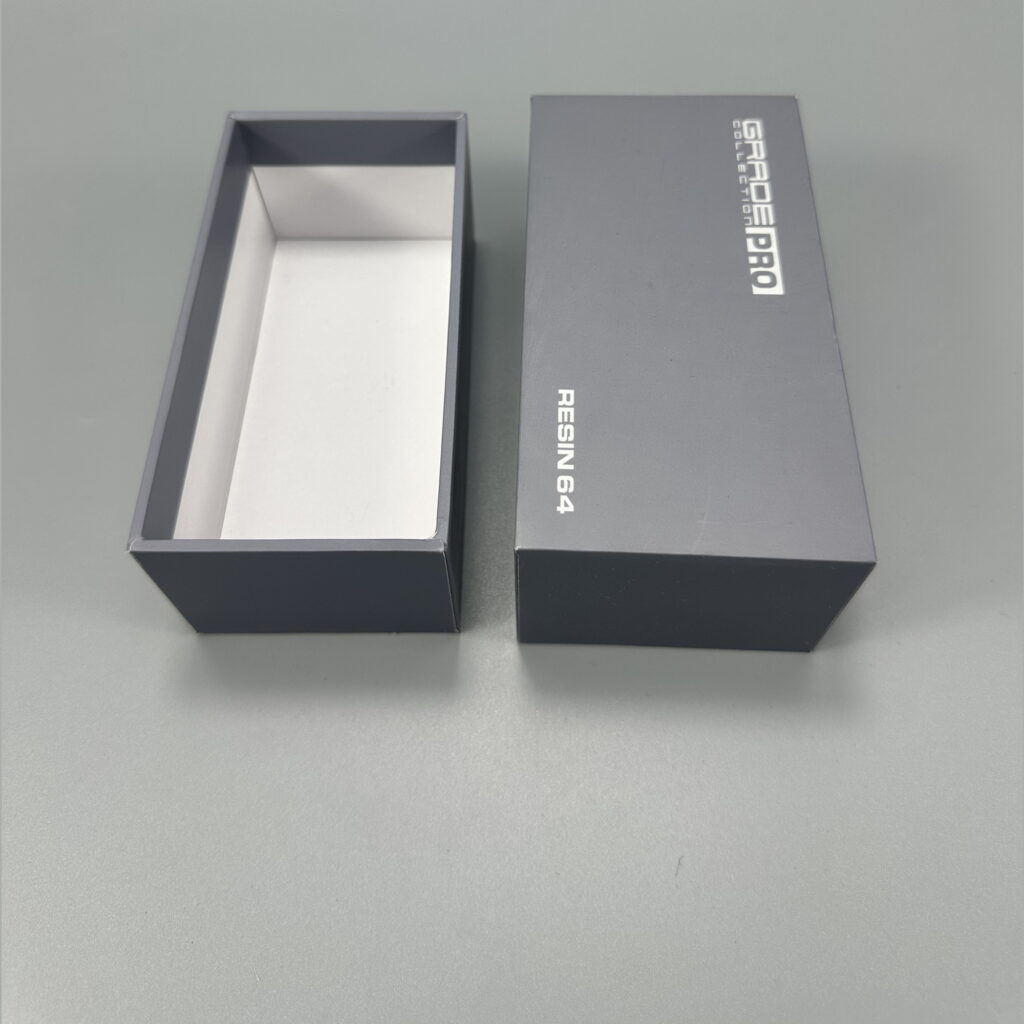
Test Subscription Packaging Before Approving Production
A visual mockup checks appearance. A packed prototype checks whether the design works.
Use this approval sequence:
1. Load the prototype with the actual assortment.
2. Check product clearance, closure, and removal.
3. Time assembly and packing.
4. Inspect print, folds, adhesive areas, and finish durability.
5. Evaluate transport performance.
6. Approve a documented reference sample.
ISTA Procedure 3A addresses individual packaged products shipped through parcel-delivery systems weighing 150 lb or less. Ask a qualified laboratory whether this procedure suits your distribution conditions.
Testing evaluates the complete product-and-package combination. It does not establish that an empty box will protect every possible assortment.
If the products, insert, or outer structure change substantially, reassess whether further testing is needed.
Make Sustainable Packaging Claims Specific
Paper-based packaging is not automatically recyclable everywhere, and recycled content is different from recyclability.
Describe the attribute you can substantiate. For example, state a verified recycled-content percentage rather than relying on broad environmental language.
For U.S. marketing, FTC guidance says recyclable claims should be qualified when appropriate recycling facilities are unavailable to at least 60% of consumers or communities where the product is sold.
Evaluate coatings, liners, inserts, and other components before making claims about the entire package. Give disposal instructions that reflect the finished construction and destination market.
Reducing unnecessary material is worthwhile, but not when inadequate protection creates avoidable product waste.
Turn Customer Feedback into Packaging Improvements
Customer reviews are useful when they reveal a specific failure or friction point. Compliments alone rarely explain what to change.
Create a simple feedback log:
| Feedback theme | What to investigate | Possible response |
|---|---|---|
| Products arrived damaged | Movement, separation, closure, shipping conditions | Revise protection and retest |
| Box felt wasteful | Empty space and unnecessary components | Trial a smaller format |
| Opening was difficult | Tabs, tape, and product access | Simplify the opening sequence |
| Presentation felt inconsistent | Print variation and packing execution | Clarify production and packing standards |
Treat these as diagnostic categories, not actual customer quotations.
Track complaints per shipment rather than comparing raw totals between months with different shipment volumes. Review the results after each meaningful packaging change.
Plan Your Next Box with Bonito Packaging
Bring Bonito Packaging your product list, dimensions, shipment quantities, target budget, and preferred presentation.
Request a proposal covering the outer structure, insert layout, material specification, printing, sampling, and production schedule. Confirm minimum order quantities and available finishes for your particular project.
Start with a packaging brief and prototype review before committing to a full production run.
Frequently Asked Questions
1. What is the best packaging for subscription boxes?
Corrugated mailers are a practical starting point for many subscriptions. The final choice depends on product fragility, packed weight, presentation requirements, and transport conditions.
2. Can one subscription box size accommodate different monthly products?
Yes, within defined limits. Establish an assortment size range and consider interchangeable inserts. Test both the smallest and largest planned configurations.
3. Are rigid boxes suitable for direct shipping?
Some constructions may be, but presentation quality alone is insufficient. Assess the complete packed box and whether it needs a protective outer carton.
4. How can I reduce custom subscription box packaging costs?
Review dimensions, unnecessary components, packing time, and print complexity. Compare total delivered cost rather than choosing solely by the lowest box quotation.
5. What should I approve before mass production?
Approve the structural sample, artwork, materials, product fit, closure, and relevant testing results. Keep a signed reference sample and written specifications for repeat orders.
References
1. [Packwire — “Packaging For Your Subscription Box: What To Look For”]. Published October 26, 2018. Original editorial starting point for branding, box formats, stickers, and stamping; historical commercial figures were not carried into the rewritten article. [packwire]
2. [International Safe Transit Association — “Test Procedures”]. Authoritative overview of transport-testing categories and Procedure 3A’s application to individual parcel-delivery packages weighing 150 lb or less. Supports the testing section. [ista]
3. [International Safe Transit Association — “Procedure 3A Overview”]. Technical overview of scope, package categories, and packaged-product testing considerations. Supports the distinction between evaluating an empty box and evaluating a complete packed product. [ista]
4. [Federal Trade Commission — “Environmental Claims: Summary of the Green Guides”]. Explains environmental-claim qualification, recycled-content statements, and the 60% recycling-access threshold discussed in the article. [ftc]
5. [Federal Trade Commission — “Eco-Friendly and Green Marketing Claims”]. Explains the distinctions among recycled content, recyclability, and broader environmental claims. Supports the recommendation to use specific, substantiated packaging statements. [consumer.ftc]