
Mailer boxes for monthly subscription product variations need to do more than hold a changing assortment. They must protect different products, support efficient packing, and deliver a recognizable brand experience every month.
At Bonito Packaging, our focus is high-end custom paper packaging, including corrugated boxes. My recommended starting point for subscription packaging is simple: adaptability. Keep the elements customers recognize, while adjusting the components that control product fit.
The strongest solution is rarely one oversized box for everything. It is a coordinated system of box sizes, interchangeable inserts, and flexible graphics.
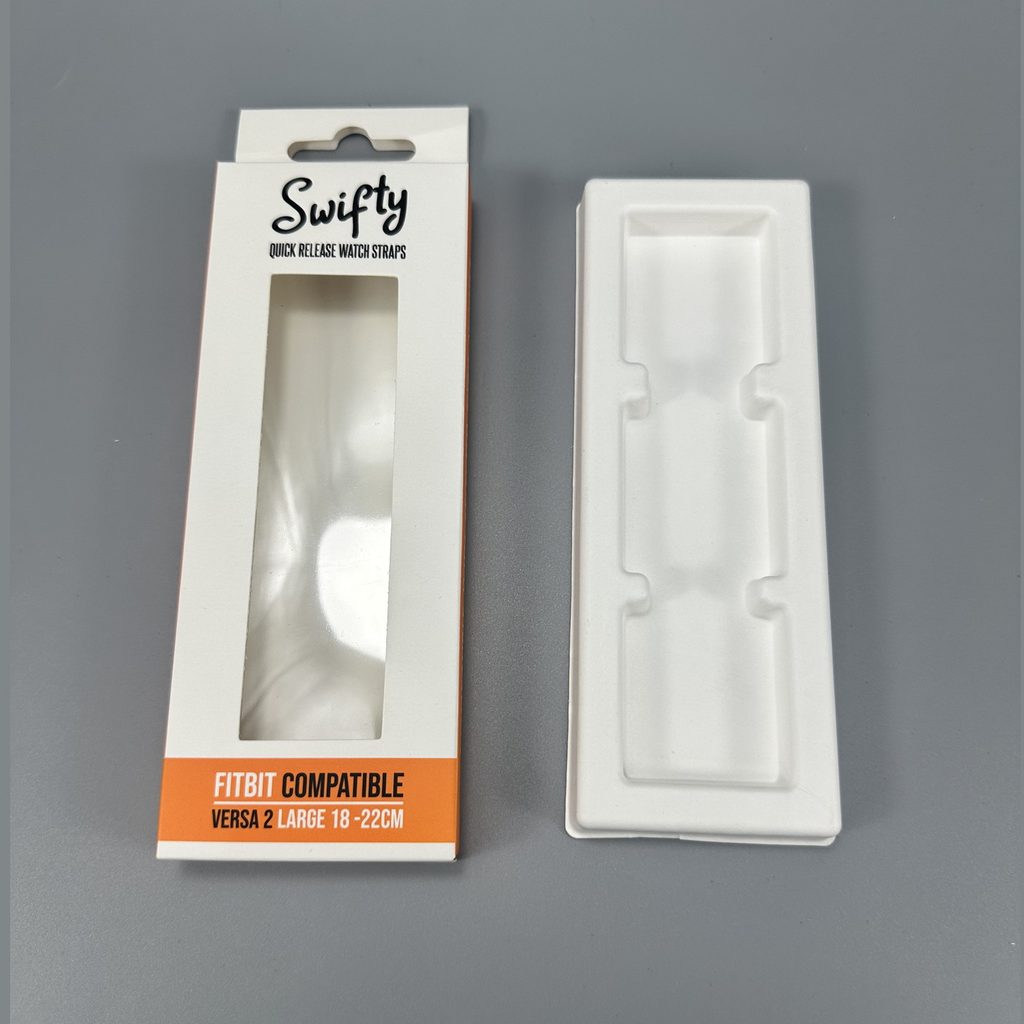
Why Monthly Subscription Packaging Needs a Flexible System
Subscription assortments change in several ways:
– Product dimensions and quantities fluctuate.
– Glass, liquids, and delicate items introduce different protection needs.
– Seasonal promotions add gifts or larger products.
– Personalized subscriptions create multiple combinations within one shipment cycle.
These changes affect more than appearance. A loosely packed bottle can strike neighboring products. An unnecessarily large box can increase shipping costs. A complicated insert can slow fulfillment.
I recommend separating packaging decisions into three layers: the outer corrugated mailer, the protective interior, and the monthly storytelling elements. Each layer should change only when necessary.
Choosing Corrugated Mailer Boxes for Changing Products
Build a Product Variation Matrix First
Before requesting a custom box quotation, map the likely product combinations across several upcoming subscription cycles.
Record product dimensions, weight, orientation, fragility, and any leakage risks. Measure products in their actual primary packaging, not as bare items.
| Product variation | Main concern | Packaging response to evaluate |
|---|---|---|
| Small skincare samples | Movement and presentation | Compartmented paperboard insert |
| Glass cosmetic bottles | Impact and product contact | Fitted corrugated dividers |
| Apparel with accessories | Uneven product profiles | Flexible arrangement with localized restraint |
| Seasonal premium bundle | Greater volume or weight | Larger validated mailer format |
| Mixed snacks and jars | Crushing and breakage | Separated compartments and suitable cushioning |
This matrix reveals which assortments can share a structure and which require a separate format.
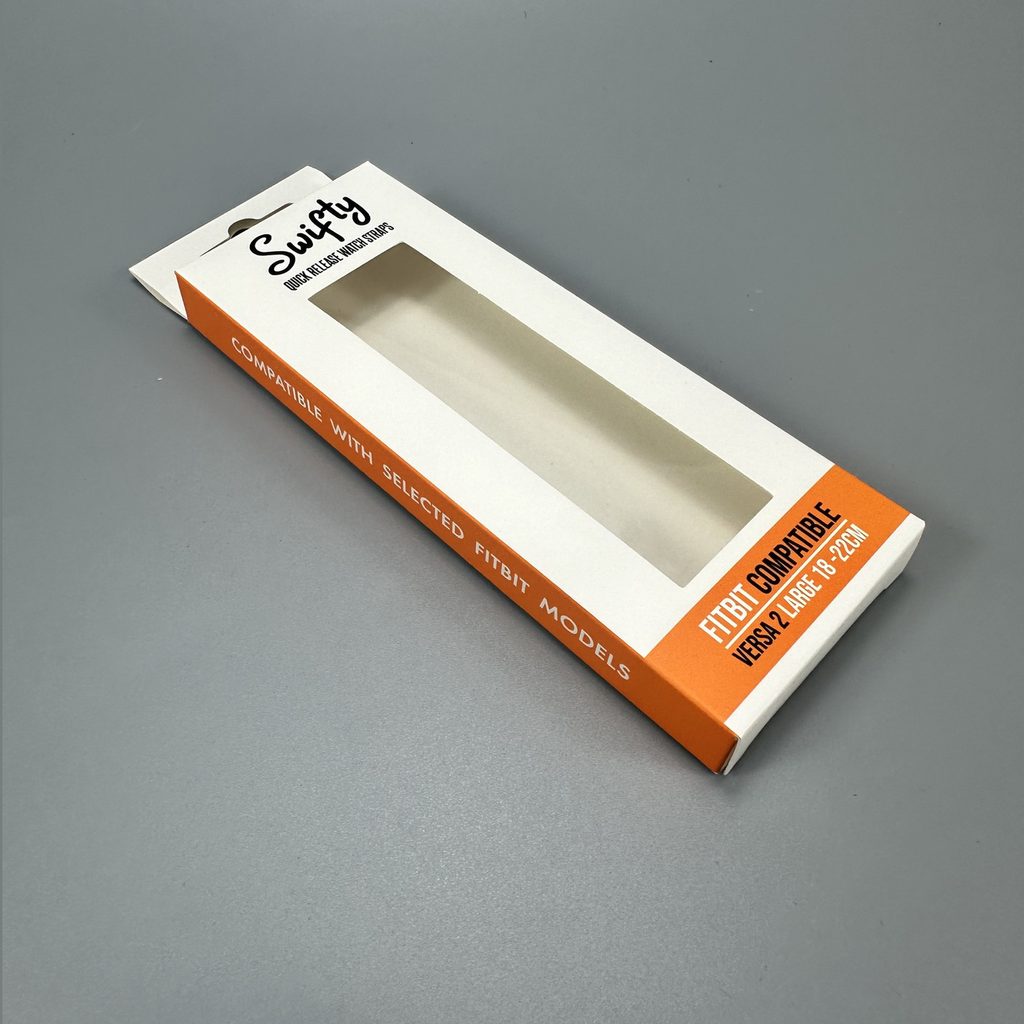
Select Board Construction Around the Shipment
Avoid choosing corrugated board solely by thickness or appearance. The appropriate construction depends on packed weight, product fragility, box dimensions, storage conditions, and distribution hazards.
A lightweight sample collection and a heavy glass assortment may need different board specifications, even when their boxes look similar.
Ask the manufacturer to explain the proposed board construction, dimensional tolerances, closure method, and validation plan. A premium print finish cannot compensate for inadequate protection.
Design Modular Inserts for Monthly Product Variations
A stable outer box with interchangeable inserts can accommodate different assortments without changing the entire packaging design.
Possible components include:
– Removable corrugated partitions.
– Folded paperboard platforms.
– Interchangeable product sleeves.
– Separate cushioning for fragile items.
– Printed cards that cover unused presentation space.
However, modularity has limits. An insert should restrain products without excessive pressure, particularly around pumps, caps, and delicate finishes.
My practical rule is to standardize the outer box only when the interior can secure every approved assortment efficiently. If a variation needs excessive filler or difficult assembly, reconsider the box size.
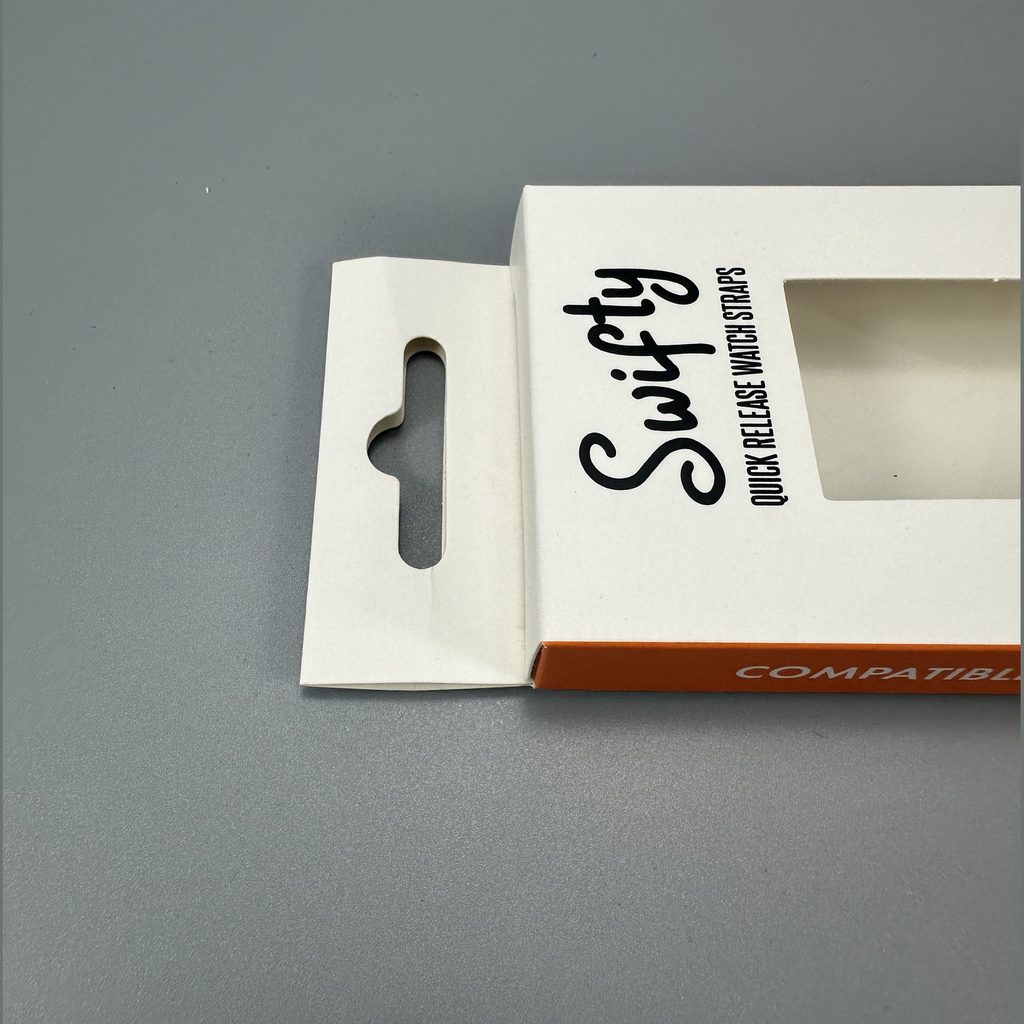
One Box Size or a Small Family of Sizes?
One universal mailer simplifies inventory, but it can create empty space and unnecessary material use.
A small family of sizes offers another approach. For example, a brand could evaluate compact, standard, and premium formats, then assign each product combination to the smallest validated option.
The decision should reflect total delivered cost:
Box + insert + packing labor + freight + expected damage and replacement costs.
Do not assume that the lowest box price produces the lowest shipment cost.
Carriers may calculate charges using dimensional weight when a package occupies substantial space relative to its actual weight. Measure the finished shipping exterior, including bulging panels, rather than relying on internal box dimensions.
Keep Custom Packaging Recognizable Without Monthly Redesigns
A subscription should feel consistent without becoming repetitive.
Keep core brand elements stable:
– Logo placement.
– Main brand colors.
– Opening sequence.
– Typography.
– Interior welcome message.
Then refresh lower-commitment components, such as a product card, sleeve, sticker, or printed insert.
This separates structural purchasing from monthly creative updates. It also reduces the risk of holding large quantities of obsolete themed boxes.
For personalized subscriptions, reserve a clear area for variable information. Product selection codes and packing instructions should remain easy for fulfillment teams to identify.
An Illustrative Three-Month Packaging Plan
Consider a hypothetical beauty subscription with three planned assortments:
1. Month one includes lightweight sample tubes.
2. Month two introduces two glass bottles.
3. Month three adds a larger promotional accessory.
The first two assortments might share an outer mailer but require different inserts. The third may justify a larger box rather than forcing the accessory into the original format.
This is a planning example, not a documented customer result. Its lesson is useful: group products by packaging compatibility, not simply by calendar month.
A shared monthly theme does not mean every assortment belongs in the same structure.
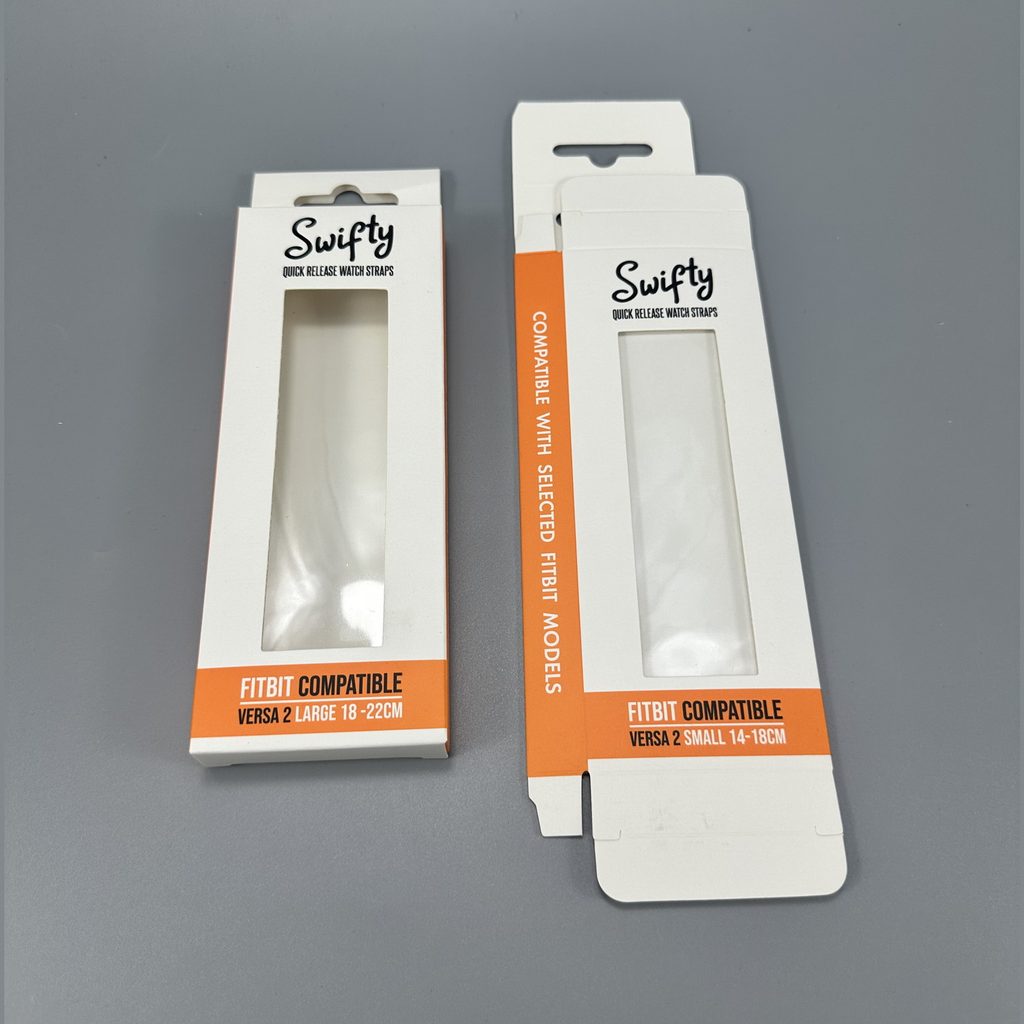
Validate Subscription Mailer Packaging Before Production
Test the Complete Packed Configuration
Testing an empty mailer does not establish how a finished subscription shipment will perform.
Evaluate the complete assembly: products, inserts, cushioning, printed materials, closure, and shipping label placement. Select a transit-testing approach appropriate to the distribution route. ISTA Procedure 3A is one established option for individual parcel shipments within its stated scope.
Check for:
– Broken or leaking products.
– Product-to-product contact.
– Insert displacement.
– Accidental opening.
– Unacceptable cosmetic damage.
– Labels becoming unreadable or detached.
A passed configuration does not automatically validate every future product combination.
Measure Packing Performance
Run a pilot with the people who will pack actual orders.
Record assembly time, packing errors, material consumption, and any difficulty identifying the correct insert. Define acceptable product and package damage before testing.
Track damage complaints by packaging configuration after launch. This makes recurring problems easier to connect to a specific assortment rather than treating every issue as an isolated event.
Make Sustainability Claims Specific
Paper-based construction alone does not justify every environmental claim.
Evaluate the complete package, including coatings, windows, adhesives, inserts, and decorative finishes. Recycling access also varies by location.
Prefer precise, supportable statements over broad claims such as “completely eco-friendly.” Distinguish recycled content from recyclability: they describe different attributes.
Where components require separation, provide clear disposal instructions appropriate to the markets served.
Plan Your Subscription Packaging With Bonito Packaging
A successful subscription mailer combines reliable protection, recognizable presentation, and manageable monthly change.
Send Bonito Packaging your product dimensions, packed weights, assortment forecast, order quantities, delivery markets, and artwork requirements. Use that brief to request a custom packaging proposal covering box formats, insert options, materials, and sampling priorities.
The goal is not simply a beautiful custom box. It is a repeatable packaging system that remains practical as your subscription evolves.
Frequently Asked Questions
1. Can one mailer box accommodate every monthly subscription variation?
Sometimes, but only when all approved combinations fit securely. Widely different product dimensions or weights may justify multiple box sizes.
2. What inserts work best for subscription mailer boxes?
Corrugated dividers and folded paperboard inserts are options to evaluate. The best choice depends on fragility, product shape, restraint requirements, and packing efficiency.
3. Should subscription brands print new boxes every month?
Not necessarily. A consistent branded mailer with changing cards, sleeves, or inserts can refresh the experience without replacing the structural design.
4. How can brands reduce subscription packaging costs?
Review the complete shipment cost. Compare box dimensions, insert complexity, packing time, freight charges, and damage-related replacements rather than box price alone.
5. When should a subscription packaging design be retested?
Reassess it when products, packed weight, board construction, inserts, closures, or shipping conditions change enough to affect protective performance.
References
1. UPS. “Shipping Dimensions and Weight.” Explains package measurement, dimensional-weight calculations, and how package volume can affect shipping charges. [ups]
2. International Safe Transit Association. “Test Procedures.” Describes Procedure 3A and its application to individual packaged products shipped through parcel delivery systems. [ista]
3. International Safe Transit Association. “Getting Started with Design & Testing.” Supports selecting appropriate distribution tests and defining product-damage tolerance and package-degradation allowances before testing. [ista]
4. International Safe Transit Association. “Guidelines for Selecting and Using ISTA Test Procedures and Projects.” Provides guidance on test selection, representative samples, and repeat testing. [ista]
5. Federal Trade Commission. “Environmental Claims: Summary of the Green Guides.” Explains qualifications for recyclable claims and the distinction between environmental attributes such as recycled content and recyclability. [ftc]
6. Federal Trade Commission. “Green Guides.” Provides the broader framework for substantiating and qualifying environmental marketing claims. [ftc]
 English
 Spanish
 French
 German
 Russian
 Japanese
 Portuguese
 Arabic