
Custom carton packaging does far more than hold a product. It shapes the first impression, supports safe distribution, communicates brand value, and can simplify the customer’s unboxing experience.
For growing brands, retailers, e-commerce sellers, and manufacturers, the right solution is rarely just “a box.” It is a balance of material performance, product fit, print quality, shipping efficiency, sustainability goals, and cost control. At Bonito-Verpackungen, we approach every project from a manufacturer’s perspective: start with how the product moves through the supply chain, then engineer the paper packaging around its real-world needs.
What Is Carton Packaging?
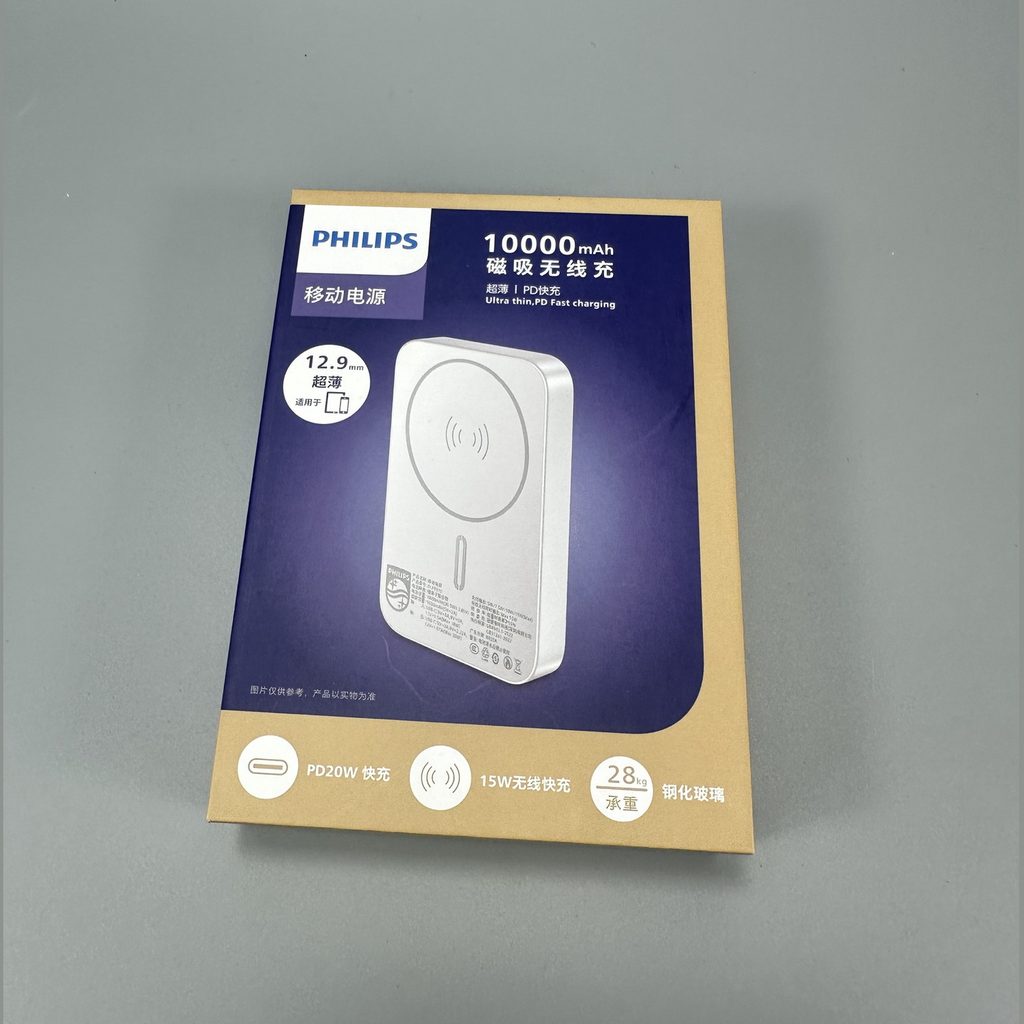
Carton packaging is a broad term for paper-based packaging made from paperboard, cardboard, or corrugated board. It can include lightweight retail cartons, branded folding boxes, mailer boxes, shipping cartons, product sleeves, rigid-style paper boxes, and protective corrugated packaging.
However, buyers should not treat all “cartons” as the same material.
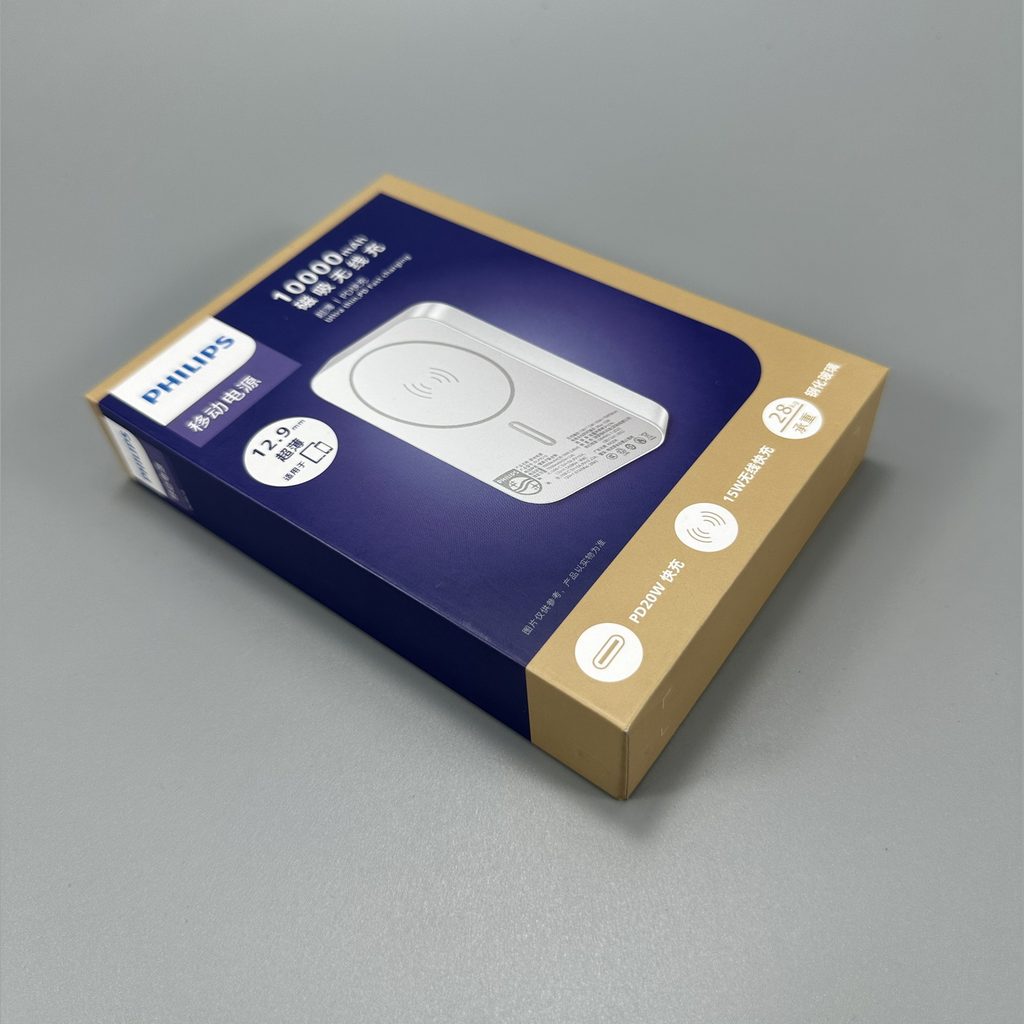
A folding carton is usually made from paperboard and is commonly used for consumer-facing products such as cosmetics, supplements, food, candles, electronics accessories, and personal-care items. It is designed primarily for presentation, shelf visibility, printed information, and light product protection.
A corrugated box uses fluted paper medium positioned between linerboards. This layered construction adds strength, cushioning, and compression resistance. It is typically the better choice for e-commerce shipping, export transport, bulk packing, fragile goods, and heavier products.
The most effective packaging strategy often uses both: a printed folding carton for retail presentation and a corrugated outer box for transport protection.
Folding Carton vs. Corrugated Box
| Merkmal | Folding Carton Packaging | Corrugated Box Packaging |
|---|---|---|
| Primary material | Pappe | Fluted corrugated board with liners |
| Main purpose | Product presentation and retail display | Shipping, storage, and transport protection |
| Typical products | Cosmetics, food, skincare, accessories | E-commerce orders, appliances, bottles, industrial parts |
| Print potential | High-detail graphics and premium finishes | Strong branding options, especially for mailers and shipper boxes |
| Protection level | Light to moderate | Mäßig bis hoch |
| Best for | Shelf-ready consumer packaging | Logistics, export, and last-mile delivery |
From a production viewpoint, the mistake we see most often is choosing a visually attractive retail box for a shipping environment it was not built to handle. A premium folding carton may look excellent on a store shelf, but it can crush, tear, or deform when exposed to stacking pressure, vibration, humidity, or repeated warehouse handling.
Packaging should be selected according to the product journey—not only the product appearance.
Why Custom Carton Packaging Matters
Product Protection Starts With Structure
Packaging protection is not simply about using thicker material. It is about matching the packaging structure to the product’s weight, fragility, dimensions, and transportation risks.
For example, a glass skincare bottle may need a printed folding carton for visual appeal, an internal insert to prevent movement, and a corrugated shipping carton for e-commerce fulfilment. A lightweight T-shirt may require only a branded corrugated mailer. A heavy electronics accessory may need a reinforced corrugated box with partitions or protective inserts.
A properly engineered carton packaging system can help reduce:
– Product movement inside the box
– Corner damage during handling
– Compression failure during pallet stacking
– Damage caused by empty space
– Overuse of loose-fill materials
– Returns related to transit damage
Corrugated board is valued in distribution because the fluted center layer offers both structural rigidity and cushioning. Industry sources also note that corrugated packaging is lightweight while providing protection for heavy or fragile products.
Custom Boxes Improve Brand Recognition
In retail and e-commerce, packaging is one of the few brand touchpoints that customers physically handle. A plain brown box can be functional, but a well-designed custom carton can make the delivery feel intentional, premium, and trustworthy.
Your packaging can communicate:
– Product benefits
– Brand story
– Usage instructions
– Sustainability information
– Compliance details
– QR codes and digital experiences
– Seasonal campaigns
– Cross-selling opportunities
For a new brand, custom printed packaging can create consistency across product lines. For an established business, it can refresh market perception without changing the product itself.
A simple example is a premium coffee brand. Its folding carton can use matte lamination, spot UV, foil details, and clear brewing instructions. Its corrugated shipping box can include a one-color logo, handling instructions, and an interior message that reinforces the brand’s origin story. The two boxes serve different functions but create one consistent brand experience.
Better Fit Can Reduce Logistics Costs
Oversized packaging creates problems that are often overlooked during design approval. It increases void fill, consumes more warehouse space, can raise dimensional shipping charges, and allows products to move during transit.
A right-sized custom corrugated box can improve efficiency by:
1. Reducing unused internal volume
2. Limiting the need for additional protective materials
3. Improving pallet utilization
4. Supporting faster packing operations
5. Helping control freight and storage costs
Before approving a carton, manufacturers should review the product dimensions, product weight, orientation, insert requirements, outer-box dimensions, and intended shipping method. A box that is only slightly too large may become expensive when multiplied across thousands of shipments.
Common Types of Carton Packaging
Straight Tuck End Boxes
Straight tuck end boxes have top and bottom closure panels that fold in the same direction. They create a clean appearance and work well for lightweight retail products.
They are often used for:
– Cosmetics
– Skincare products
– Small electronics
– Supplements
– Tea and confectionery
– Personal-care products
This style offers strong print visibility and straightforward assembly. However, it may not be the best standalone choice for heavy items or direct parcel shipping.
Reverse Tuck End Boxes
Reverse tuck end boxes use top and bottom tuck flaps that close in opposite directions. They are common for retail packaging because they are practical, cost-efficient, and easy to open.
This carton style is suitable for:
– Pharmacy products
– Cosmetic items
– Small consumer goods
– Food packaging
– Lightweight accessories
The reverse closing pattern can make automated packing easier in certain production settings.
Auto-Bottom Cartons
Auto-bottom cartons have a pre-glued base that opens into place when the box is erected. They are faster to assemble than manually locked-bottom boxes and can support more weight.
They are a practical option for:
– Bottled products
– Candles
– Jars
– Heavier cosmetics
– Small electronics
– Premium retail goods
For brands packing large quantities by hand, an auto-bottom design can reduce assembly time and improve packing consistency.
Corrugated Mailer Boxes
Corrugated mailer boxes are a popular choice for direct-to-consumer shipping. They provide a strong unboxing surface, protect products during parcel delivery, and can be printed inside and outside.
They work especially well for:
– Subscription boxes
– Apparel
– Gift sets
– E-commerce orders
– Influencer kits
– Product samples
– Small electronics
A custom mailer can eliminate the need for an additional outer box when the product and transport conditions allow it.
Regular Slotted Cartons
Regular slotted cartons, often called RSC boxes, are among the most widely used corrugated shipping box designs. Their flaps meet in the middle when closed, making them efficient for storage, packing, and transport.
They are commonly used for:
– Bulk shipment
– Warehouse distribution
– Export orders
– Industrial products
– Retail replenishment
– E-commerce fulfillment
For many businesses, an RSC corrugated carton is the foundation of a reliable logistics system.
Die-Cut Corrugated Boxes
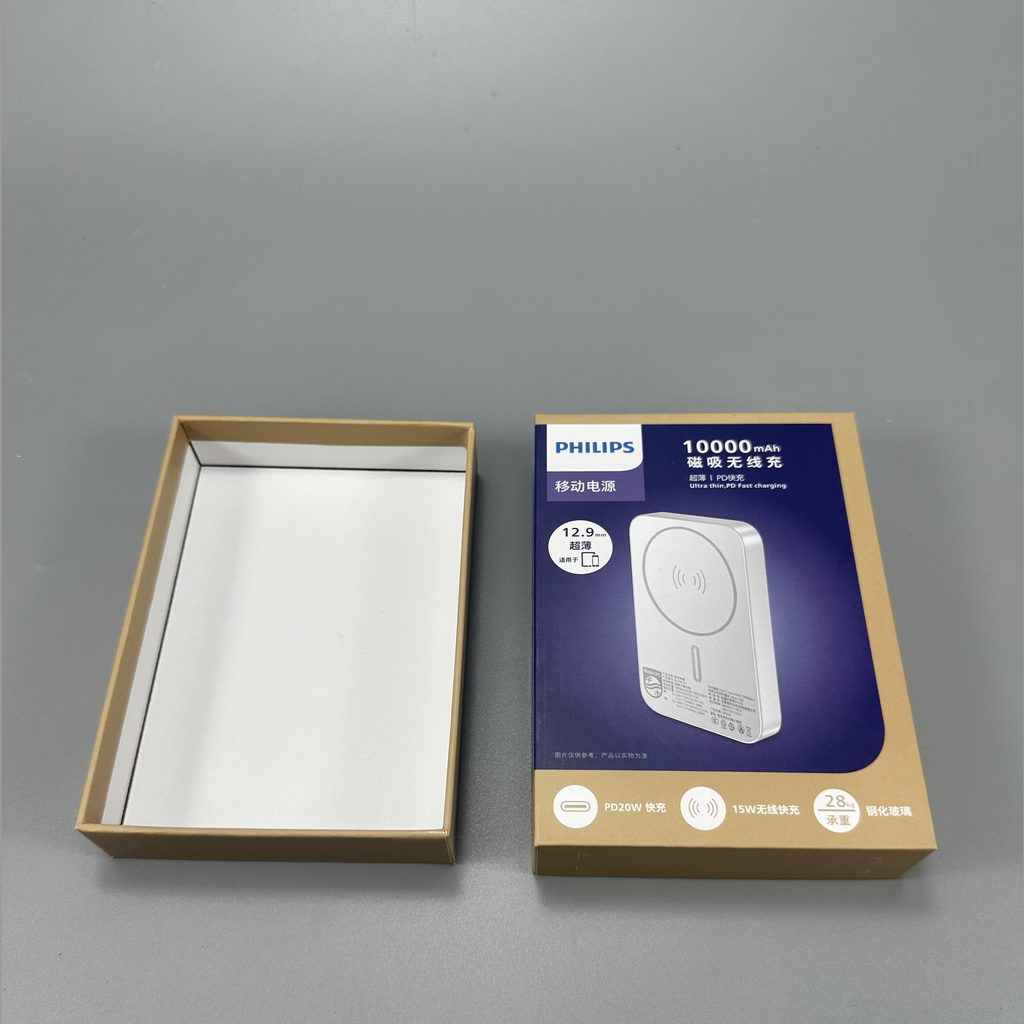
Die-cut corrugated boxes are custom-shaped and can include locking tabs, self-sealing structures, handles, display features, inserts, or unusual openings.
They are ideal when a standard shipping carton cannot provide the right fit or customer experience. Although die-cut boxes may require more design planning, they can reduce extra packing materials and make the final package more distinctive.
How to Choose the Right Carton Material
The right material depends on the product and its complete journey. At Bonito Packaging, we recommend asking the following questions before selecting a box style.
1. How Heavy Is the Product?
Weight affects the board grade, closure design, insert requirements, and bottom structure. A lightweight cosmetic tube may work in a standard folding carton. A glass jar, metal part, or multi-item gift set may need a stronger corrugated structure.
2. Is the Product Fragile?
Fragile products may need more than a box. Consider internal dividers, corrugated inserts, molded pulp, paper cushioning, or custom trays. The goal is to prevent movement rather than simply surround the product with more material.
3. Will It Be Shipped Individually?
If customers receive the package through parcel networks, assume it will face drops, vibrations, compression, and frequent handling. A retail carton alone may not survive this environment.
For direct shipping, use a properly sized corrugated mailer or shipper box and validate the design through real transport testing.
4. Does the Product Need Retail Shelf Impact?
If the product will be displayed in stores, prioritize clear branding, legible product information, attractive finishes, and a structure that stays neat on the shelf. Folding cartons are particularly useful for this role.
5. What Are the Sustainability Requirements?
Sustainability claims should be specific and honest. A paper-based box may be recyclable in many recycling systems, but coatings, laminations, adhesives, food contamination, and local infrastructure can affect actual recyclability.
In the United States, cardboard recycling was estimated at 70% to 75% in 2025, while around 45 million tons of paper were recycled overall. This makes fiber-based packaging an important material stream, but brands should still design for efficient recovery by minimizing unnecessary mixed materials.
Designing Carton Packaging for Recycling
Sustainable packaging should not mean sacrificing product protection. Damaged products, replacement shipments, and excess secondary packaging can undermine environmental goals.
A practical design-for-recycling approach includes:
– Choosing responsibly sourced paper-based materials
– Avoiding unnecessary plastic windows
– Limiting hard-to-separate mixed materials
– Using water-based or recyclable-compatible coatings where suitable
– Reducing oversized packaging
– Printing recycling instructions clearly
– Designing inserts that can be separated easily
– Selecting box sizes that reduce void fill
Corrugated packaging is often collected and recycled into new fiber-based products. The Fibre Box Association reports that corrugated packaging is made from renewable resources and is widely recovered for recycling.
The key word is appropriate. A fully recyclable box that fails during shipping is not a successful package. Sustainability and performance must be designed together.
A Manufacturer’s Packaging Development Process
Choosing custom carton packaging should be a structured process rather than a quick visual decision.
Step 1: Define the Product Requirements
Provide accurate product dimensions, weight, photos, intended packing orientation, fragility level, and shipping method. If the product has multiple components, identify whether they need separation inside the box.
Step 2: Select the Packaging Format
Choose between a folding carton, corrugated mailer, shipping carton, tray and sleeve, rigid-style box, or a combination of these solutions.
Step 3: Engineer the Structure
The packaging manufacturer should assess board type, box strength, dimensions, closure style, insert design, and expected handling conditions. This stage is where product protection is built into the package.
Step 4: Create the Artwork
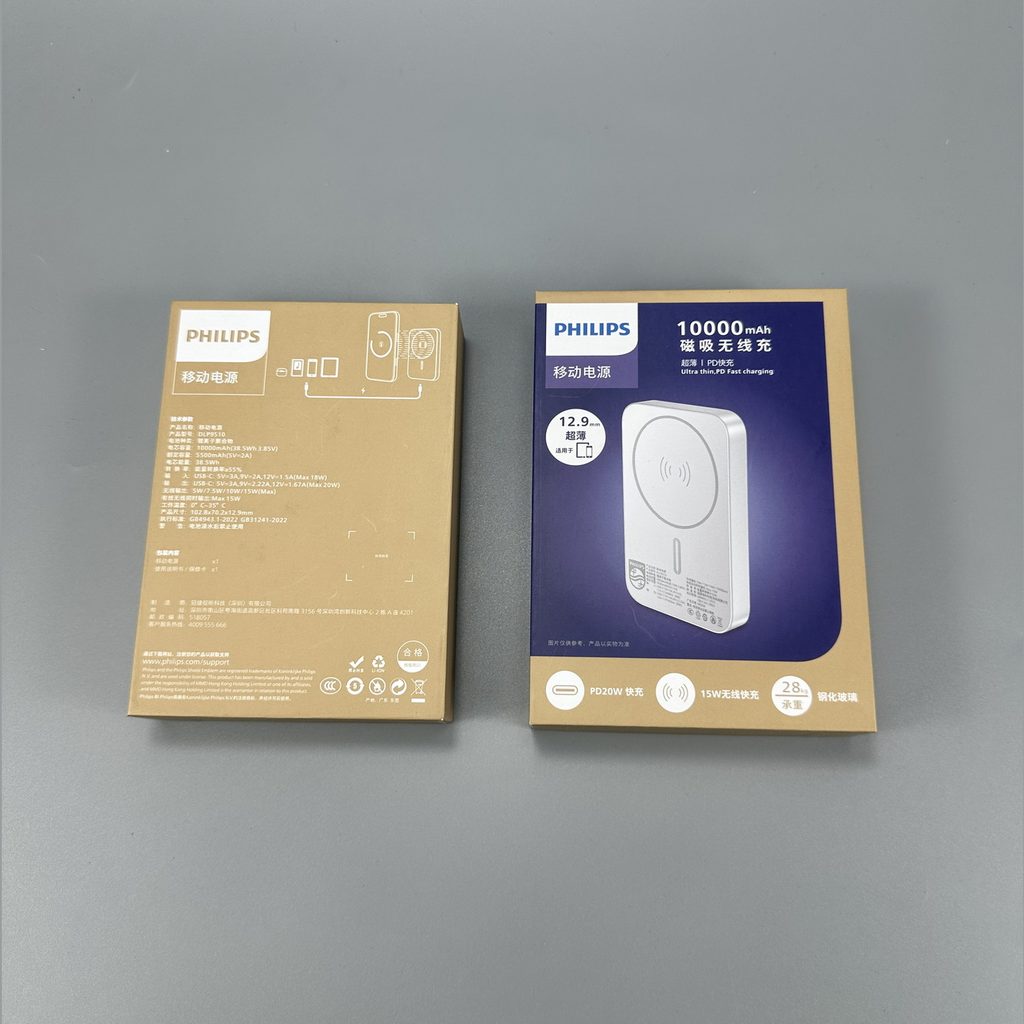
Good packaging artwork balances branding with usability. Important information should remain readable, including product names, instructions, warnings, barcode areas, and legal copy.
Step 5: Review a Sample
A physical prototype can reveal issues that digital artwork cannot show. Check fit, assembly, color, opening experience, structural strength, and product movement.
Step 6: Validate Before Full Production
For shipping packaging, conduct practical testing. Pack the actual product, simulate stacking, inspect corners and closures, and evaluate how the package performs after handling.
Do not approve packaging only because it looks good on screen. Real products, real weight, and real handling conditions should guide final approval.
Practical Expert Insight: One Box Rarely Solves Every Problem
The most successful brands separate packaging roles.
Use the retail carton to communicate brand quality. Use the protective inner packaging to stabilize the product. Use the corrugated outer carton to manage transport risk.
This approach can improve presentation while reducing costly damage claims. It also gives businesses more flexibility: the consumer-facing packaging can remain visually refined, while the logistics packaging can be optimized for strength, stacking, and efficient fulfillment.
For export-oriented brands, this distinction is especially important. Products may pass through multiple warehouses, ports, pallets, vehicles, and climate conditions before reaching the final buyer. A custom corrugated shipping solution is not an afterthought—it is an operational safeguard.
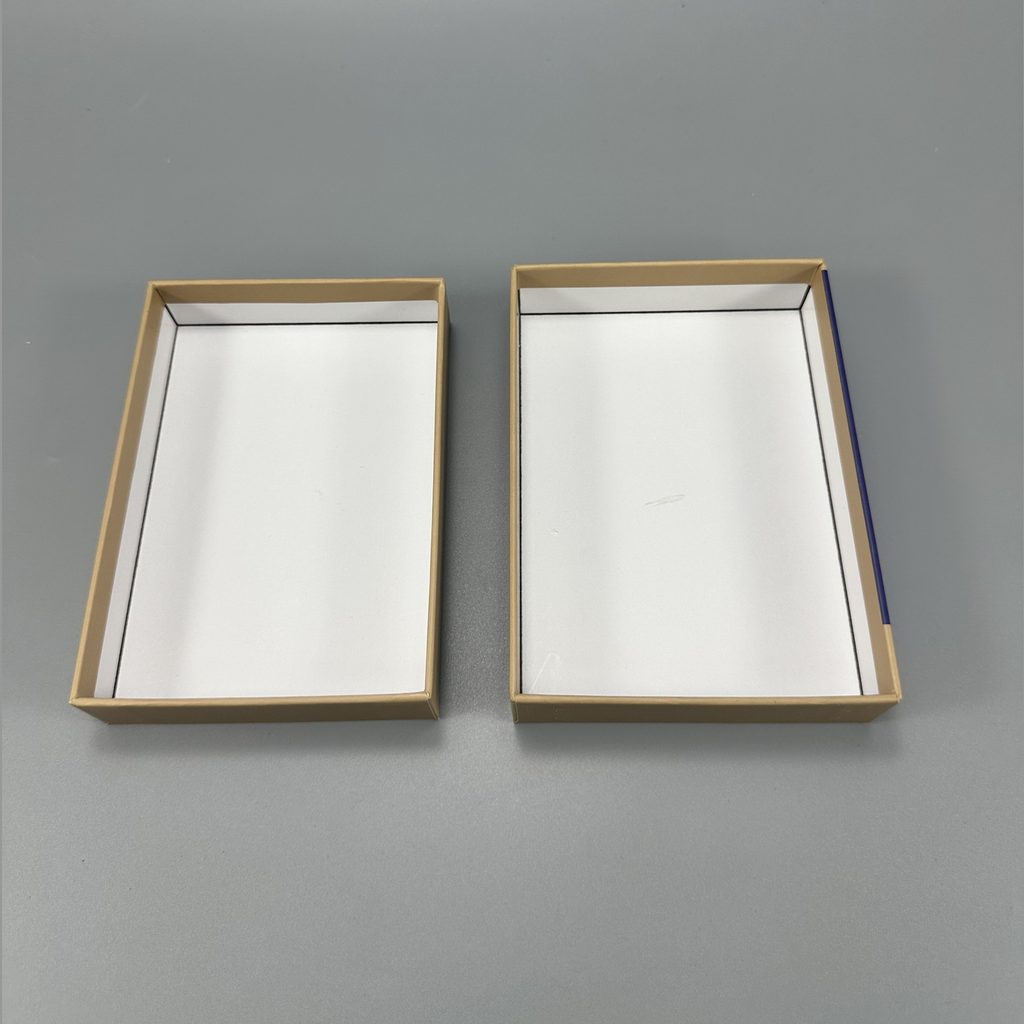
Work With Bonito Packaging
Bonito Packaging manufactures high-end custom paper packaging, including corrugated boxes, folding cartons, mailer boxes, product boxes, inserts, and branded shipping packaging. We help brands turn packaging requirements into practical, production-ready solutions.
Whether you need a premium retail carton, a durable corrugated shipper, or an integrated packaging system for e-commerce and export distribution, our team can help you evaluate structure, materials, printing, and protective performance.
Request a custom packaging quotation from Bonito Packaging today. Share your product dimensions, quantity, target market, artwork requirements, and shipping method, and we will help you build packaging that protects your product and strengthens your brand.
FAQ
1. What is the difference between carton packaging and corrugated packaging?
Carton packaging is a broad term that can include paperboard folding cartons and corrugated boxes. Folding cartons are generally used for retail presentation, while corrugated packaging is built for shipping strength, cushioning, and transport protection.
2. Are corrugated boxes suitable for luxury packaging?
Yes. Corrugated boxes can be designed for premium experiences through custom printing, interior graphics, high-quality finishes, inserts, die-cut structures, and branded unboxing elements. They are especially valuable for luxury e-commerce packaging because they combine presentation with shipping protection.
3. What information should I provide for a custom box quote?
Provide product dimensions, product weight, quantity, preferred box style, printing requirements, shipping method, destination market, desired material, and whether you need inserts or protective dividers.
4. Can a folding carton be mailed directly to customers?
It can be mailed for some lightweight, low-risk products, but it may not provide enough protection for parcel shipping. Most products benefit from an additional corrugated mailer or shipping carton.
5. How can I make carton packaging more sustainable?
Use right-sized packaging, reduce unnecessary layers, select recyclable paper-based materials, avoid hard-to-separate components, use minimal plastic, and ensure the package protects the product effectively during delivery.
6. What is the best corrugated box for e-commerce shipping?
The best option depends on product size, weight, fragility, and fulfillment method. Corrugated mailer boxes work well for smaller consumer products, while regular slotted cartons or die-cut shippers may be better for heavier, larger, or fragile items.
References
1. [U.S. Environmental Protection Agency — Paper and Paperboard: Material-Specific Data]
2. [American Forest & Paper Association — Paper and Cardboard Recycling Facts]
3. [American Forest & Paper Association — Recycling Information]
4. [Fibre Box Association — Corrugated Packaging Industry]
5. [Fibre Box Association — The Corrugated Industry]
6. [OXO Packaging — Everything You Need to Know About Carton Packaging]
Hot Tags: Carton Packaging, Manufacturers, Customized, Custom, Suppliers, Buy, Cheap, Quality, Advanced, Durable, in Stock, Made in China, Price, Quotation, Free Sample
 English
  Spanish
  French
  German
  Russian
  Japanese
  Portuguese
  Arabic