
Choosing between different types of mailers starts with one question: what must your packaging protect against? A folded T-shirt, an art print, and a glass skincare bottle face different shipping risks. The right choice balances product protection, shipping costs, presentation, and practical disposal.
Unter Bonito-Verpackungen, we manufacture kundenspezifische Boxen und premium paper packaging. Our starting principle is simple: product protection comes first. Printing and finishes should enhance a suitable structure, not disguise an unsuitable one.
This guide compares common shipping mailers and explains how to select, sample, and evaluate packaging before production.
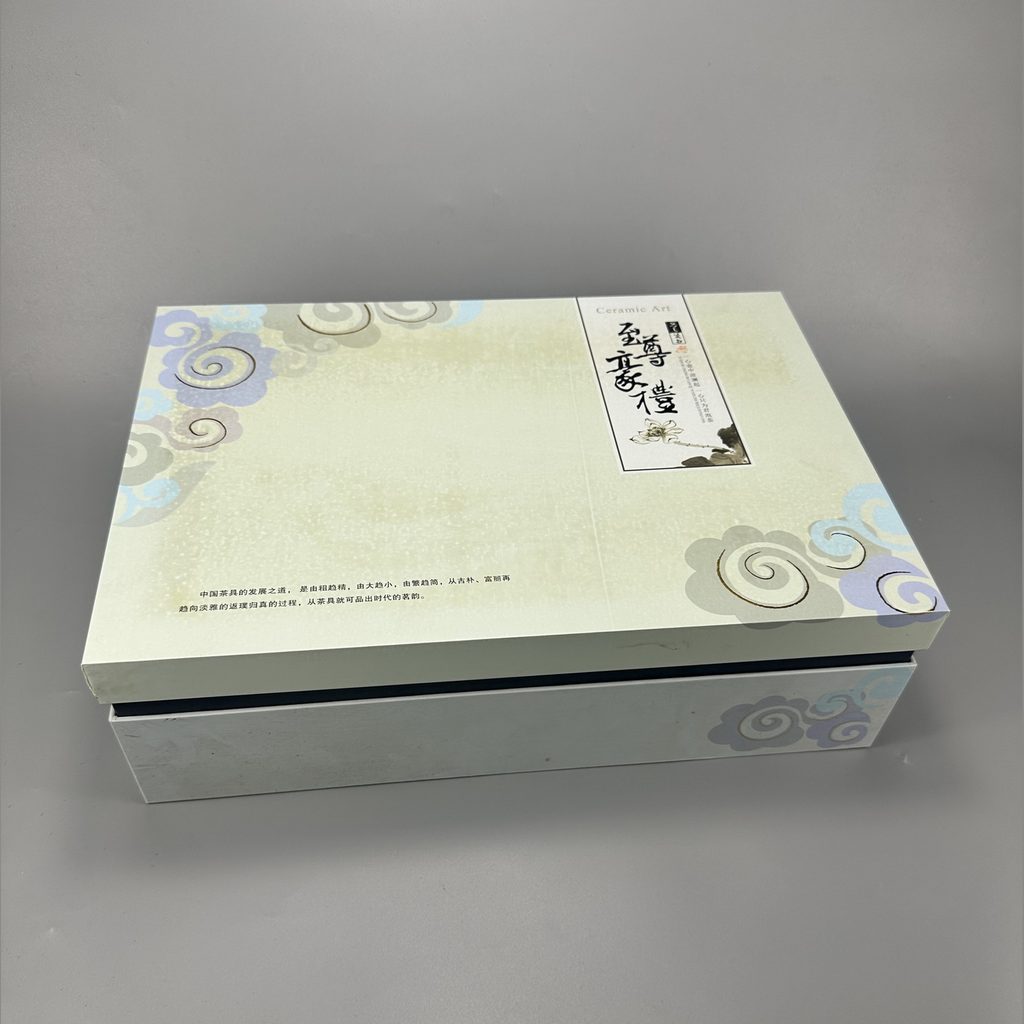
Different Types of Mailers Compared
“Mailer” describes several packaging formats, not one material. Kraft describes a paper material or appearance; corrugated describes a board structure; gift packaging describes an application. These categories can overlap.
| Mailer type | Typical applications | Main limitation |
|---|---|---|
| Corrugated mailer boxes | Subscription kits, boxed cosmetics, accessories | Fragile products may require inserts |
| Rigid paperboard mailers | Documents, photographs, unframed prints | Limited cushioning and depth |
| Unpadded paper mailers | Textiles and lightweight, non-fragile goods | Limited crush and moisture protection |
| Bubble or padded mailers | Small accessories needing surface cushioning | Limited resistance to compression |
| Poly mailers | Clothing and soft goods | Little structural protection |
| Literature and record mailers | Books, catalogs, vinyl records | Must match item dimensions closely |
Corrugated Mailer Boxes
Corrugated mailers combine liner sheets with a fluted paper layer. Their three-dimensional structure makes them a useful starting point for products needing more protection than an envelope provides.
Custom corrugated mailer boxes suit subscription kits, retail cartons, and coordinated product sets. However, the box alone does not solve every shipping risk. A glass jar still needs restraint and appropriate cushioning.
Specify the board construction, dimensions, closure, and internal protection together.
Rigid Paperboard Mailers
Rigid mailers are relatively stiff envelopes for flat products such as certificates, photographs, and unframed artwork.
Do not confuse them with luxury rigid boxes. A paperboard envelope helps resist bending but provides little cushioning for a three-dimensional object.
Check usable internal dimensions rather than relying only on the advertised envelope size.
Paper and Kraft Mailers
Unpadded paper mailers can suit soft, non-fragile products. Kraft paper can also form the outer surface of corrugated boxes or padded envelopes.
Brown paper is not automatically stronger or more sustainable than white paper. Evaluate the complete construction, including coatings, adhesives, and any lining, before selecting it.
Bubble and Padded Mailers
Padded mailers add cushioning around small products. Depending on construction, the cushioning may use plastic bubbles or paper-based material.
They can suit accessories that need surface protection but tolerate some pressure. They are not substitutes for a protective box when products can crack, leak, or deform under compression.
Mixed-material versions also require clear disposal instructions.
Poly-Mailer
Poly mailers are flexible plastic shipping bags commonly used for apparel and other soft goods.
Their lightweight construction and moisture resistance can be useful, but they offer little resistance to crushing. Sharp corners may puncture the film.
Water resistance should not be treated as a guarantee that every seam and closure is waterproof.
Literature, Record, and Gift Mailers
Literature mailers wrap around books or printed materials. Record mailers use dimensions and protective features suited to records and sleeves.
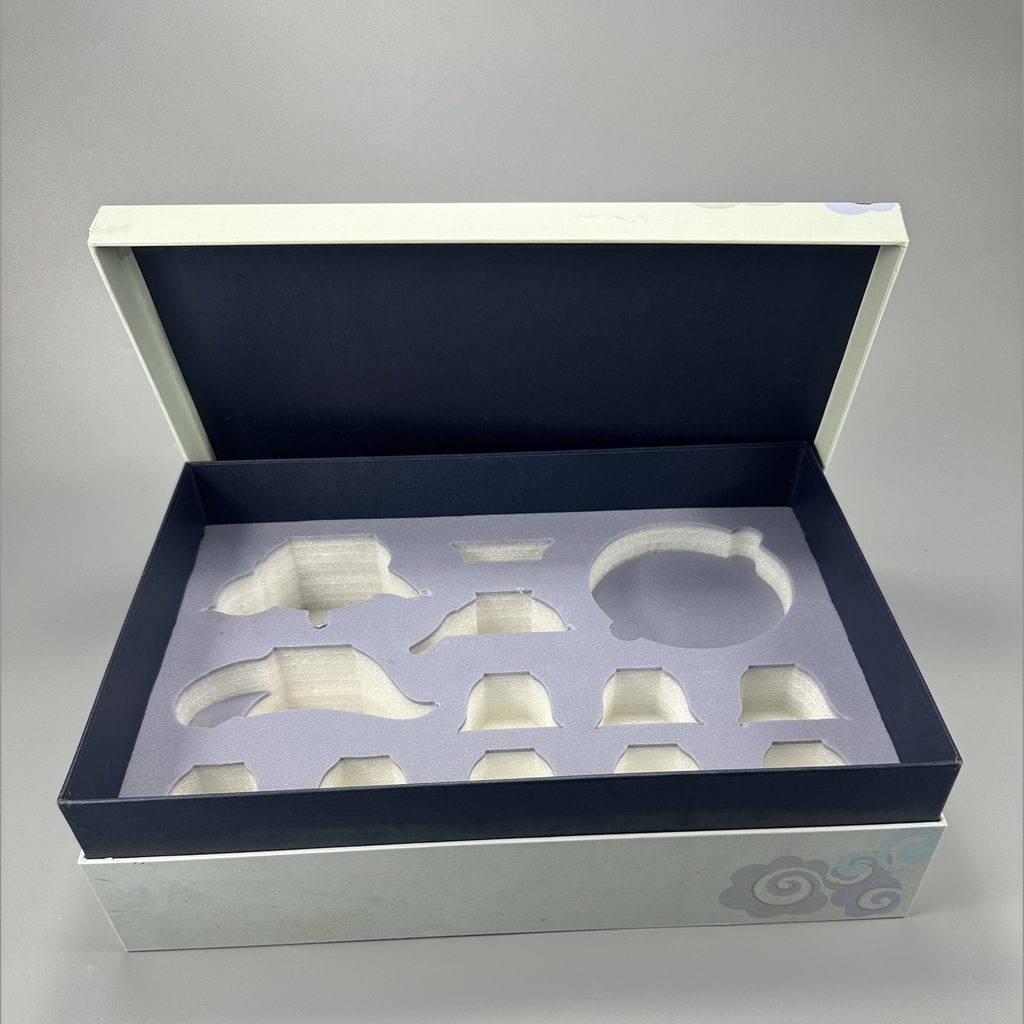
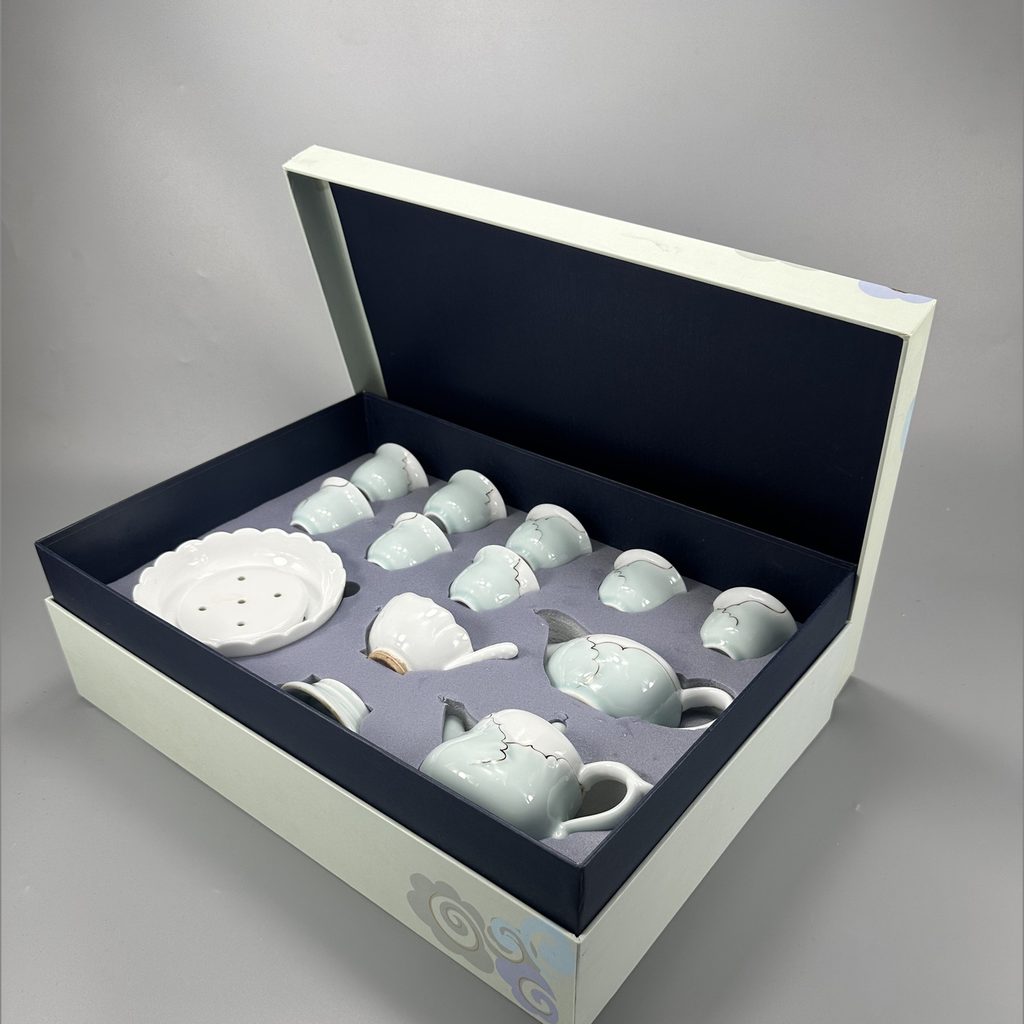
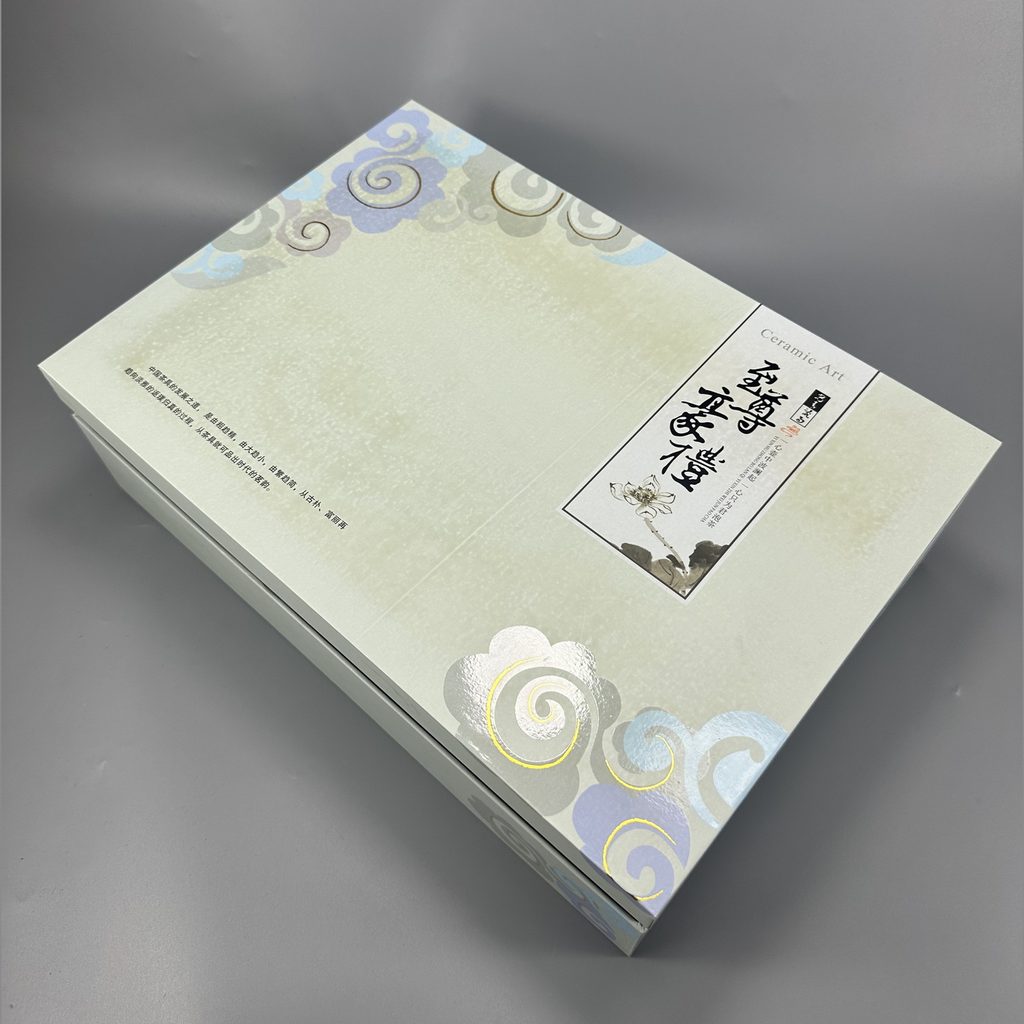
Gift mailer boxes prioritize presentation, but appearance does not establish shipping suitability. A decorative paperboard box or luxury rigid box may need a separate corrugated shipping carton.
How to Choose the Right Mailer: A Five-Step Process
1. Identify the Product’s Failure Points
Start with what could go wrong:
– Glass may crack after an impact.
– Printed surfaces may scuff.
– Books may develop damaged corners.
– Bottles may leak.
– Multi-item kits may collide internally.
This produces a more useful brief than simply requesting “strong packaging.”
2. Measure the Complete Packed Product
Include retail packaging, inserts, protective wrapping, and accessories.
Distinguish internal box dimensions from external shipping dimensions. Leave enough clearance for packing, but avoid unnecessary empty space that allows movement or increases shipping volume.
3. Select Structure Before Decoration
Agree on board construction, product restraint, closure, and opening method before approving decorative finishes.
For premium custom paper packaging, review a physical sample. Screen artwork cannot reveal how a closure feels, whether an insert holds securely, or how easily the customer removes the product.
4. Compare Total Delivered Cost
The cheapest mailer is not necessarily the lowest-cost option.
Compare packaging, packing labor, freight, and expected damage-related expenses. An insert may increase material cost while simplifying assembly or improving product positioning.
Treat these benefits as possibilities to measure, not guaranteed savings.
5. Run a Controlled Shipping Pilot
Send representative packed samples through the intended delivery route.
Record product damage, closure failures, surface marks, packing time, and customer opening difficulties. Use the findings to revise the packaging before committing to a larger order.
Three Details That Change Packaging Performance
Right-Sizing Can Affect Shipping Charges
Carriers may consider dimensional weight as well as actual weight. Dimensional weight relates package volume to a carrier-specific divisor:
Dimensional weight=Length×Width×Height/Divisor
Use the carrier’s current rules for your service, market, and account. Measure the finished parcel, including bulges, rather than assuming the box specification equals its shipping dimensions.
Reducing unnecessary depth is worth investigating, provided protection remains adequate.
Test the Product and Packaging Together
A strong-looking box is not proof of transit performance.
ISTA Procedure 3A addresses individual packaged products shipped through parcel delivery systems, within its stated weight scope. It provides a structured basis for evaluating relevant distribution hazards.
Ask a qualified testing provider which procedure fits your product and route. Agree on acceptance criteria beforehand, including product function, appearance, leakage, and closure integrity.
A sample shipment is useful, but it is not equivalent to documented laboratory testing.
Make Environmental Claims Specific
Avoid describing packaging simply as “green” or “eco-friendly.”
Instead, identify the relevant feature: documented recycled content, reduced material use, or a particular disposal route.
Under U.S. FTC guidance, recyclable claims need qualification when appropriate facilities are unavailable to at least 60% of consumers or communities where the product is sold. Review the complete package, not just its paper exterior.
What to Include in a Custom Mailer Packaging Brief
To obtain comparable proposals, provide:
– Product dimensions, weight, and photographs.
– Fragile components or sensitive finishes.
– Shipping destinations and delivery method.
– Order quantity and anticipated repeat orders.
– Insert, closure, and return requirements.
– Artwork, finishing preferences, and target budget.
– Sampling expectations and required delivery date.
For Bonito Packaging, these details create a clearer starting point for discussing a custom paper packaging structure that suits both the product and its presentation.
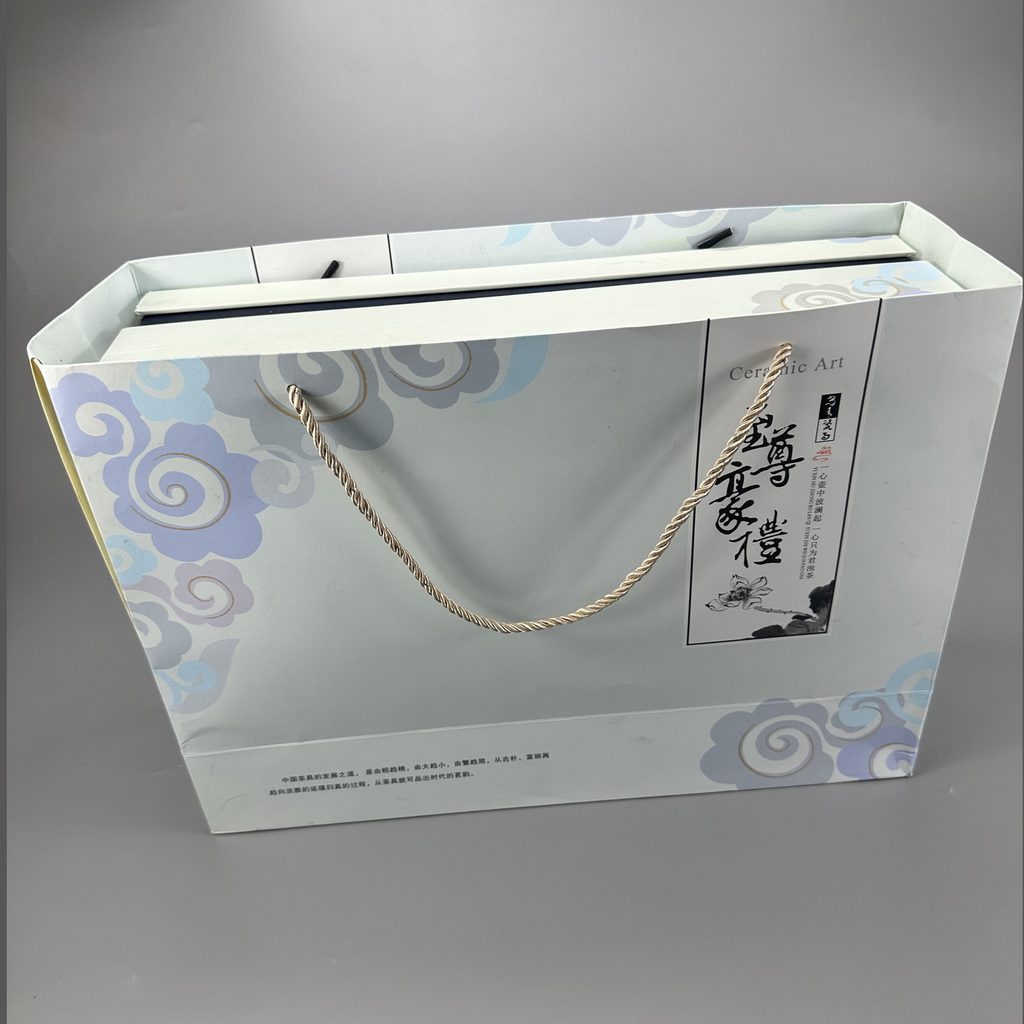
Start Your Custom Mailer Project
Share your product dimensions, weight, quantity, destination, and artwork requirements with Bonito Packaging. Request a quotation and discuss a physical sample before approving production, so protection, fit, and presentation can be evaluated together.
Häufig gestellte Fragen
1. What Are the Main Types of Mailers?
Common options include corrugated boxes, rigid paperboard envelopes, paper mailers, padded mailers, poly bags, and specialized literature or record mailers.
2. Which Mailer Is Best for Fragile Products?
Start by evaluating a protective box with suitable restraint and cushioning. The final choice depends on product fragility and verified shipping performance.
3. Are Kraft Mailers Always Recyclable?
No. Linings, coatings, adhesives, contamination, and local collection rules can affect acceptance. Check the finished package and destination requirements.
4. Is a Rigid Mailer the Same as a Rigid Box?
No. A rigid mailer is generally a stiff envelope. A luxury rigid box is a separate presentation structure and may need an outer shipper.
5. Can Custom Mailer Boxes Reduce Shipping Costs?
Possibly. Better sizing may reduce dimensional weight, but savings depend on carrier rules, product protection, packing labor, and the complete shipping arrangement.
References
1. [Shop Rigid Boxes — “Different Types of Mailers & How to Choose the Right One.”] Original article and supplier-hosted testimonials reviewed for topic coverage and purchasing concerns. These testimonials are not Bonito Packaging customer evidence. [shoprigidboxes]
2. [UPS — “Package Dimensions, Size Limits and Weight Guide.”] Source for dimensional-weight principles and the need to apply service-specific measurement and rating rules. [ups]
3. [International Safe Transit Association — “Test Procedures.”] Source for Procedure 3A’s application to individual packaged products in parcel delivery systems weighing 150 lb (70 kg) or less. [ista]
4. [U.S. Federal Trade Commission — “Environmental Claims: Summary of the Green Guides.”] Source for environmental marketing guidance and the 60% availability threshold for qualifying recyclable claims. [ftc]
5. [U.S. Federal Trade Commission — “Eco-Friendly and Green Marketing Claims.”] Supporting guidance on recycled-content claims and local recycling availability. [consumer.ftc]
 English
 Spanish
 French
 German
 Russian
 Japanese
 Portuguese
 Arabic