
Eco-friendly jewelry packaging is no longer limited to plain kraft boxes or minimal branding. For modern jewelry brands, sustainable jewelry packaging must protect delicate products, communicate premium value, create an unboxing experience, and make environmental claims that can be supported. The best custom jewelry packaging combines recyclable paper materials, right-sized structures, reusable design, and clear disposal guidance.
Unter Bonito-Verpackungen, we see that the most effective approach is not simply choosing a “green” material. It is designing the entire packaging system—from jewelry box and insert to shipping carton and printed message—to use fewer resources while preserving the luxury customers expect.
What Makes Jewelry Packaging Eco-Friendly?
Eco-friendly jewelry packaging is designed to reduce waste and environmental impact across its life cycle. In practice, that means considering the material source, packaging weight, product protection, recyclability, reusability, printing process, and end-of-life disposal.
A package is not automatically sustainable just because it uses paper. For example, a rigid jewelry box may contain paperboard, foam, plastic-coated ribbon, magnetic closures, metallic lamination, and glued fabric inserts. These components can make sorting and recycling more difficult.
A better starting point is this question:
Can the package protect the jewelry, create a premium presentation, and use the simplest possible material combination?
The U.S. Environmental Protection Agency places source reduction—using less material in the first place—above recycling in its waste-management hierarchy. Lightweighting, eliminating unnecessary layers, and designing packaging for reuse can therefore be more meaningful than adding decorative materials that consumers cannot easily recover.
Best Sustainable Materials for Jewelry Packaging
The ideal material depends on your jewelry type, price point, delivery method, and target market. A lightweight earring card needs a different packaging solution than a high-value engagement ring or luxury necklace.
| Material | Best use | Sustainability advantage | Watch out for |
|---|---|---|---|
| Recycled paperboard | Folding cartons, jewelry boxes, sleeves | Widely versatile, printable, premium-looking | Avoid unnecessary plastic lamination |
| FSC-certified paper | Branded boxes, cards, tissue paper | Supports responsible forest management when properly sourced | Certification should be traceable |
| Wellpappe | E-commerce mailers, shipping boxes | Strong protection with low material weight | Use right-sized dimensions to reduce void fill |
| Molded pulp | Protective inserts and trays | Recyclable and fiber-based alternative to foam | Detail and surface finish may be limited |
| Cotton or hemp pouches | Reusable jewelry pouches | Durable, tactile, and suitable for repeat use | Higher material cost and more complex sourcing |
| Recycled PET fabric | Premium pouches or soft inserts | Can incorporate recycled content | Mixed-material construction may limit recovery |
| Pergaminpapier | Inner wraps and protective sheets | Paper-based, lightweight alternative to some plastic films | Confirm local recyclability requirements |
For most brands, recycled paperboard jewelry boxes with molded-pulp or paper-based inserts offer the best balance of luxury appearance, product protection, cost control, and recyclability.
Avoid Overcomplicated Material Combinations
A common packaging mistake is using multiple materials for visual effect: foam inserts, velvet flocking, magnets, ribbons, metallic films, plastic windows, and laminated paperboard in one box.
These details may look luxurious at first, but they can create three problems:
– They increase material consumption.
– They make disposal instructions unclear.
– They may weaken a recyclability claim.
Where possible, use a mono-material or easy-to-separate packaging design. If a component must be removable, make that obvious to the customer with simple instructions such as “Remove ribbon before recycling” or “Reuse this pouch for travel storage.”
How to Design Sustainable Luxury Jewelry Packaging
Luxury does not require excess. In fact, a restrained structure, tactile paper stock, precise printing, and thoughtful details often feel more premium than a heavily decorated package.
1. Reduce Packaging Before Replacing Materials
The most sustainable box is often the one that uses less material without compromising jewelry protection.
Start by reviewing:
– Oversized rigid boxes for small items.
– Empty space inside e-commerce mailers.
– Double-boxing that adds no protection.
– Excess tissue paper, cards, ribbons, and filler.
– Inserts that are thicker than necessary.
A well-engineered custom jewelry box should fit the jewelry securely. Reducing internal movement can protect the product while minimizing the need for foam, plastic air pillows, or excessive void fill.
2. Choose Reusable Jewelry Box Structures
Reusable packaging extends the useful life of a package. Jewelry customers often keep high-quality boxes to store rings, earrings, bracelets, or personal keepsakes.
Consider reusable formats such as:
– Drawer-style jewelry boxes with paper pull tabs.
– Sturdy two-piece rigid boxes without plastic windows.
– Magnetic-free hinged paperboard boxes.
– Cotton drawstring pouches for travel jewelry storage.
– Branded keepsake boxes with replaceable paper inserts.
The key is to make reuse intentional. A durable box with a clean, timeless design is more likely to remain in the customer’s home than a highly seasonal or overly promotional package.
3. Use Responsible Printing and Finishing
Printing choices matter. For custom paper jewelry packaging, prioritize water-based or low-impact inks when suitable, and avoid finishes that make the paper difficult to recycle.
More sustainable design options include:
– One- or two-color logo printing.
– Debossing or embossing instead of plastic-coated embellishments.
– Uncoated or lightly coated paper textures.
– Minimal foil accents used only where necessary.
– Paper labels instead of plastic stickers.
A small embossed logo on recycled textured paper can look more refined than full-coverage ink, film lamination, and multiple decorative layers.
Build a Better E-Commerce Jewelry Packaging System
For online jewelry brands, the jewelry box is only one part of the experience. The shipping package must also prevent damage, reduce returns, and support efficient fulfillment.
A Practical Packaging System
A complete eco-friendly jewelry packaging system may include:
1. A compact branded jewelry box made from recycled paperboard.
2. A paper-based insert designed specifically for the jewelry size.
3. Tissue paper or glassine wrap for surface protection.
4. A right-sized corrugated mailer.
5. A printed care card and disposal instruction card.
6. A shipping label designed to remain readable without excessive plastic overwrap.
This system helps control damage risk while reducing unnecessary components. It also creates a more consistent brand experience from warehouse to customer.
Make Environmental Claims Carefully
Words such as “eco-friendly,” “recyclable,” “biodegradable,” and “compostable” can influence purchase decisions. They must also be accurate.
The Federal Trade Commission’s Green Guides explain that marketers should not misrepresent whether packaging is recyclable or compostable. A recyclable claim should reflect whether the package can be collected, separated, or recovered through established recycling programs. Compostable claims require competent and reliable scientific evidence, including clarity about the conditions required for composting.
Instead of making broad claims, use specific language:
| Avoid | Use instead |
|---|---|
| “100% eco-friendly packaging” | “Box made with recycled paperboard” |
| “Fully recyclable” | “Paper box is recyclable where paperboard recycling is available” |
| “Compostable packaging” | “Home-compostable paper insert, where accepted” |
| “Zero-waste luxury box” | “Designed with fewer materials and no plastic window” |
Specific claims are more credible, easier to verify, and more useful for customers.
Expert Checklist Before Production
Before approving a sustainable jewelry packaging order, ask your packaging manufacturer these questions:
– What percentage of recycled content is used in the paperboard?
– Is the box made from one primary material or several bonded materials?
– Can the insert be removed easily?
– Is lamination necessary for durability or appearance?
– Does the structure protect the jewelry during shipping?
– Can the package be resized to reduce shipping volume?
– Are the inks, adhesives, ribbons, and labels compatible with the intended disposal route?
– Can you provide material specifications or relevant certifications?
– What is the minimum order quantity for a custom eco-friendly jewelry box?
– Can the packaging be sampled before full production?
This process helps brands avoid a common failure: investing in sustainable-looking packaging that is expensive, difficult to recycle, or too weak for real-world delivery conditions.
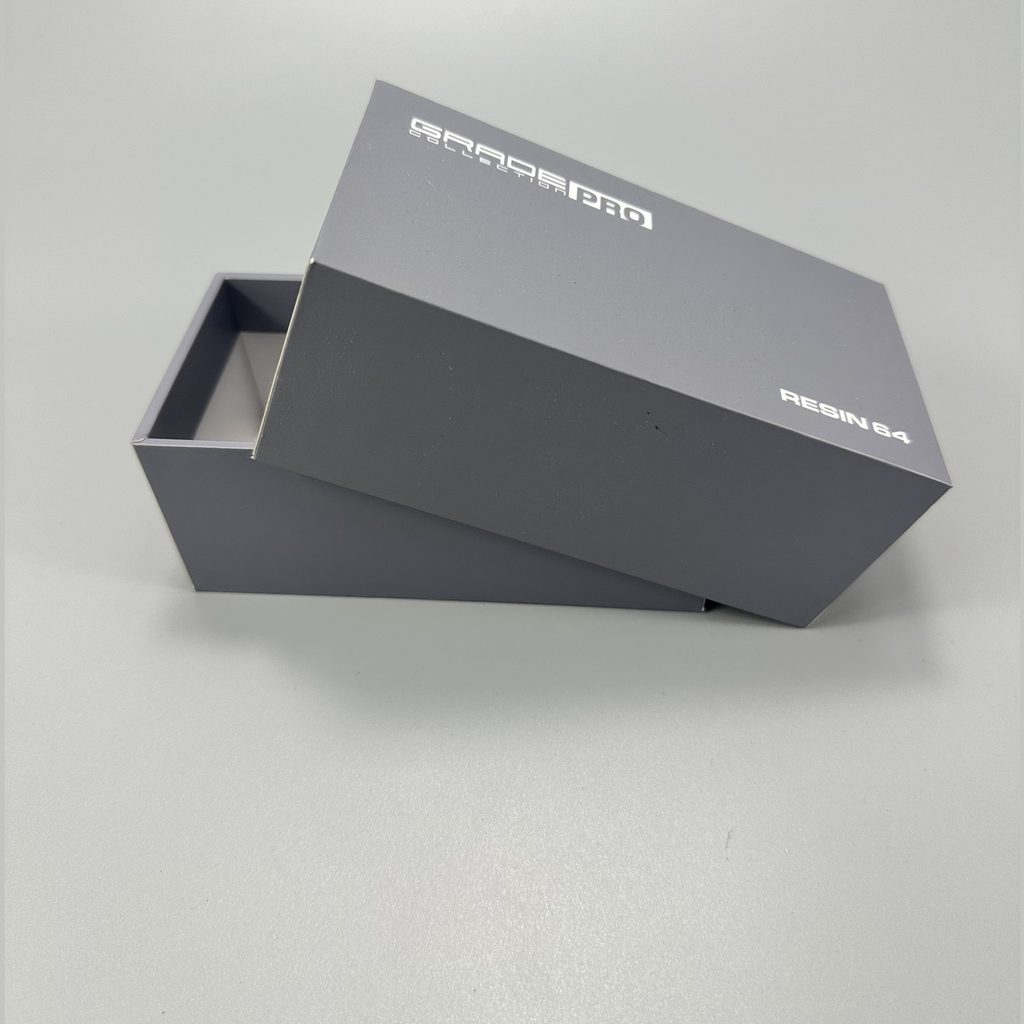
Why Sustainable Jewelry Packaging Supports Brand Growth
Sustainability and premium branding do not conflict. The strongest jewelry packaging communicates care: care for the product, care for the customer, and care in the choice of materials.
A refined, paper-based custom jewelry box can help your brand:
– Reduce packaging waste and unnecessary shipping volume.
– Create a more memorable unboxing experience.
– Improve consistency across retail and e-commerce channels.
– Support responsible material storytelling.
– Build trust through transparent, specific environmental messaging.
At Bonito Packaging, we help jewelry brands develop custom sustainable packaging that aligns with product requirements, brand positioning, and practical manufacturing needs. From recyclable folding cartons to premium paper jewelry boxes and protective e-commerce mailers, the goal is simple: create packaging that looks exceptional and works responsibly.
Ready to develop eco-friendly custom jewelry packaging for your brand? Contact Bonito Packaging to discuss your box structure, material options, printing requirements, and custom sampling plan.
FAQ
1. What is the most eco-friendly packaging for jewelry?
For many jewelry brands, recycled paperboard boxes with paper-based or molded-pulp inserts are among the most practical choices. They can provide strong branding, premium presentation, and easier end-of-life handling than packaging that combines foam, plastic, fabric, ribbon, and lamination.
2. Can luxury jewelry packaging be recyclable?
Yes. Luxury packaging can be recyclable when it uses recyclable paper-based materials and avoids hard-to-separate components. A tactile uncoated paper, embossed logo, and well-designed insert can create a high-end experience without relying on plastic windows or heavy lamination.
3. Is a rigid jewelry box sustainable?
A rigid jewelry box can be a responsible option if it is durable enough for long-term reuse, made with responsibly sourced or recycled paperboard, and designed with minimal mixed materials. It is less sustainable when it contains excessive non-recyclable decorative layers.
4. Should jewelry brands use biodegradable packaging?
Biodegradable materials may be suitable in certain applications, but brands should not use the term casually. The disposal environment matters. Some materials require industrial composting facilities and may not break down properly in home composting or landfill conditions.
5. How can I reduce plastic in jewelry packaging?
Replace plastic windows with die-cut paper designs, substitute foam inserts with molded pulp or folded paper inserts, use paper-based wrap instead of plastic film, remove unnecessary shrink wrap, and select paper labels or directly printed branding where possible.
6. What should be printed on sustainable jewelry packaging?
Include your logo, product-care information, brand story, and simple disposal instructions. Keep environmental claims specific and supportable. For example, state the material used and provide clear instructions for separating removable components before disposal.
References
1. [PakFactory — How Do You Package Jewelry Eco-Friendly?]
2. [U.S. Environmental Protection Agency — Sustainable Packaging]
4. [Federal Trade Commission — Green Guides]
5. [Federal Trade Commission — Guides for the Use of Environmental Marketing Claims]
6. [World Packaging Organisation — Packaging Design for Recycling]
 English
  Spanish
  French
  German
  Russian
  Japanese
  Portuguese
  Arabic