
Tamper-evident packaging for medicine helps consumers recognize when a package may have been opened or compromised. Four practical options are blister packs, sealed pouches, induction-sealed bottles, and shrink bands or film wrappers. Each creates visible evidence of entry, but none makes a medicine impossible to tamper with.
At Bonito Packaging, our focus is premium custom paper packaging. From that manufacturing perspective, the key question is not simply whether a box looks secure. It is whether the complete packaging system makes interference recognizable while protecting essential product information.
This guide explains the four options, where custom medicine boxes fit, and what buyers should check before approving production.
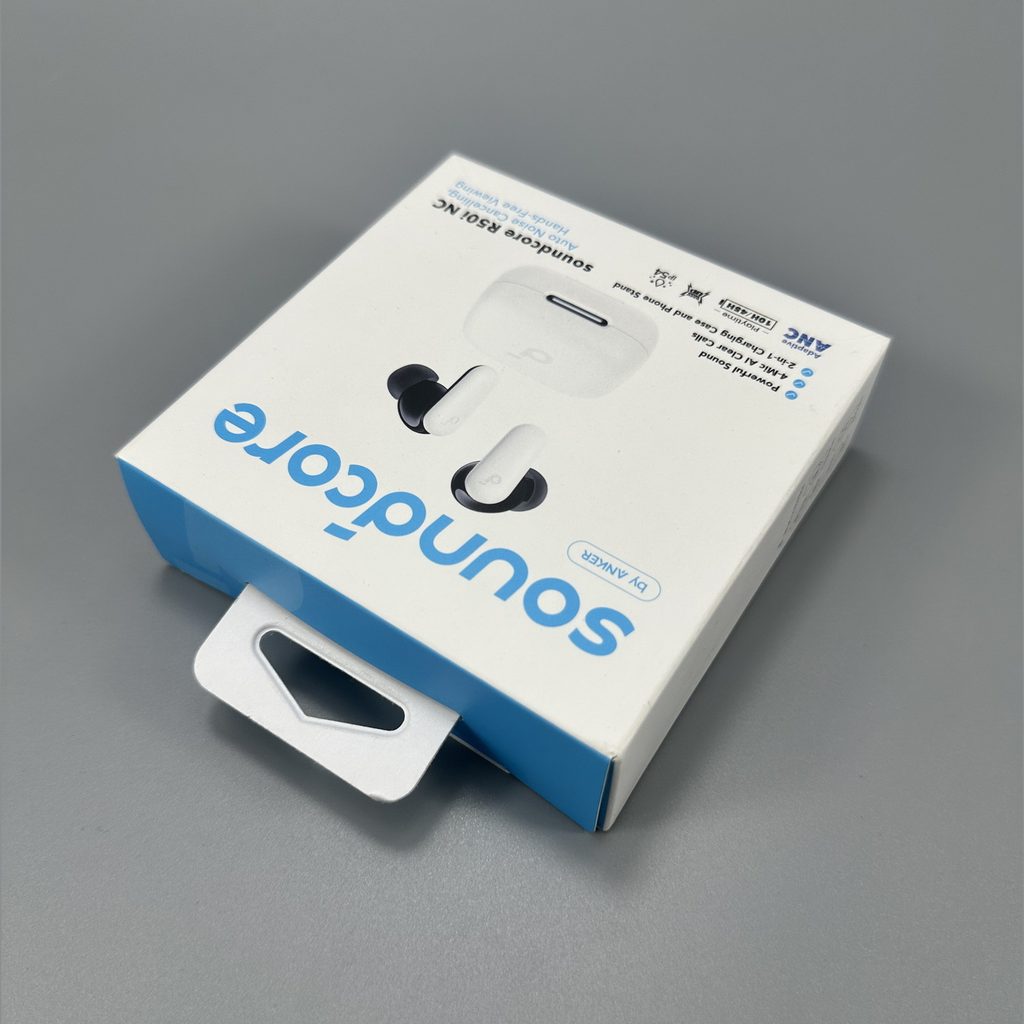
What Makes Medicine Packaging Tamper-Evident?
Tamper-evident packaging uses an indicator or barrier that reveals visible evidence when breached or missing. Examples include torn blister foil, a damaged bottle-mouth seal, or a broken shrink band.
Three terms deserve clear separation:
– Tamper-evident describes packaging that reveals interference.
– Tamper-resistant describes measures intended to make interference more difficult.
– Child-resistant describes packaging designed to impede access by young children.
A push-and-turn cap may be child-resistant without showing whether someone previously opened it. Likewise, a sealed blister is not automatically child-resistant.
Avoid describing packaging as “tamper-proof” or “childproof.” These terms suggest guarantees that packaging cannot provide.
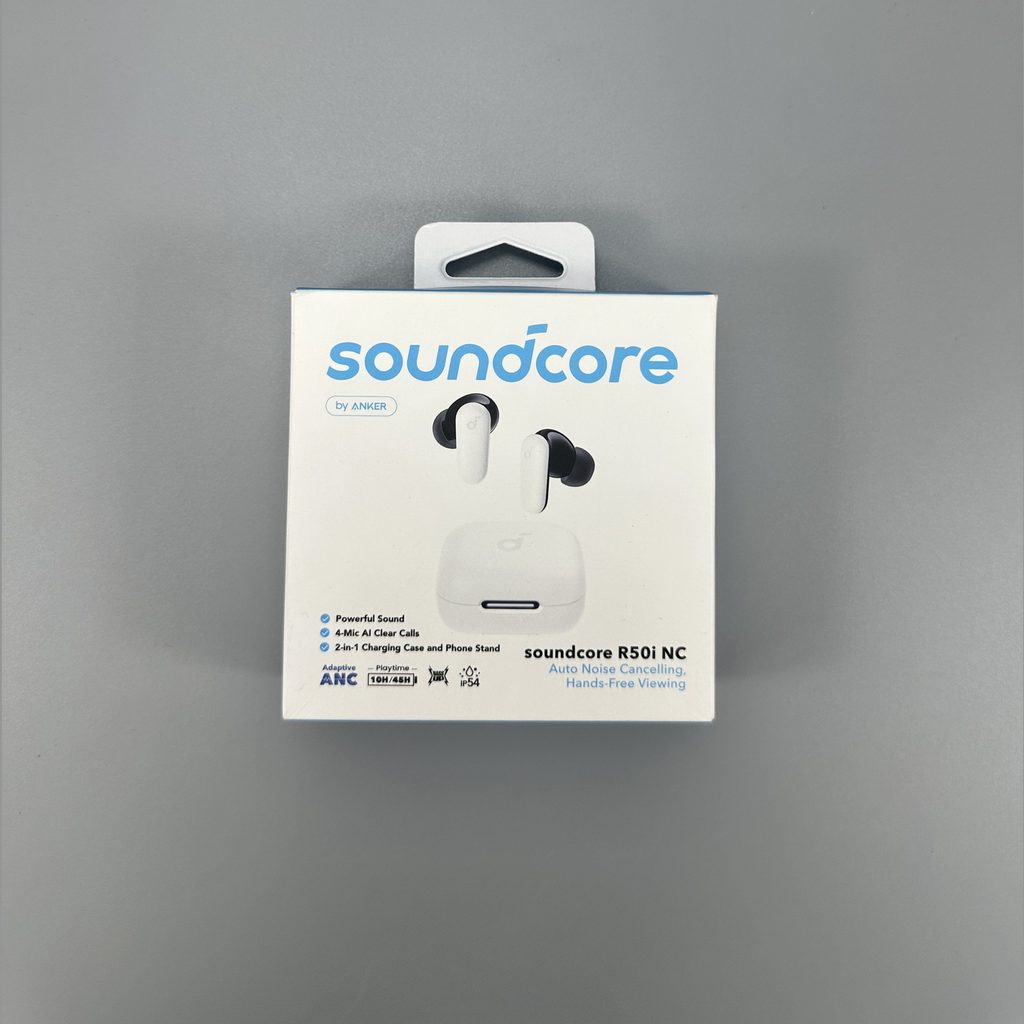
Four Types of Tamper-Evident Packaging for Medicine
1. Blister Packs: Evidence at the Individual Tablet Level
Blister packs hold tablets or capsules in separate cavities covered by sealed backing material. Access requires breaking or peeling that barrier.
Their strength is localized evidence: an opened cavity can be distinguished from adjacent unopened cavities.
However, the backing must not separate and then be replaced without visible evidence. A blister shape alone does not establish effective protection.
For custom pharmaceutical packaging, a fitted paperboard carton can organize blister cards and carry instructions. It should not bend the cards or obscure inspection of their seals.
2. Sealed Pouches and Strip Packs: Protection Around Individual Units
Sealed pouches enclose a product within bonded packaging material. Strip packs seal dosage units between layers rather than placing them in preformed cavities.
Both rely on a straightforward principle: access must visibly disrupt the package.
Buyers should examine the seams as carefully as the opening notch. If a seam can be separated and resealed without recognizable damage, the intended evidence is weakened.
“Unit-dose packaging” describes the quantity supplied, not a specific security technology. Its tamper-evident performance depends on the actual materials and seals.
3. Induction-Sealed Bottles: A Barrier Beneath the Cap
Induction sealing bonds a compatible liner to the bottle mouth. Consumers must remove or break that seal before accessing the contents.
This separates two functions: the cap closes the bottle, while the inner seal indicates first access.
The complete bottle-and-liner combination needs evaluation. An attractive cap cannot compensate for an incomplete seal.
A paperboard insert can help position the bottle inside its carton. However, neither the insert nor the carton replaces the bottle-mouth barrier.
4. Shrink Bands and Film Wrappers: Visible Evidence Around Closures
Shrink bands fit around the junction between a container and its closure. Film wrappers can surround the entire container or carton.
To function effectively, they must require tearing or cutting for access and must not slip off intact.
Where identifying characteristics are required, a generic transparent band alone is insufficient. Distinctive printing should be coordinated with the package statement describing the feature.
These systems also need usable opening instructions. Consumers should understand what an intact band looks like and where to inspect it.
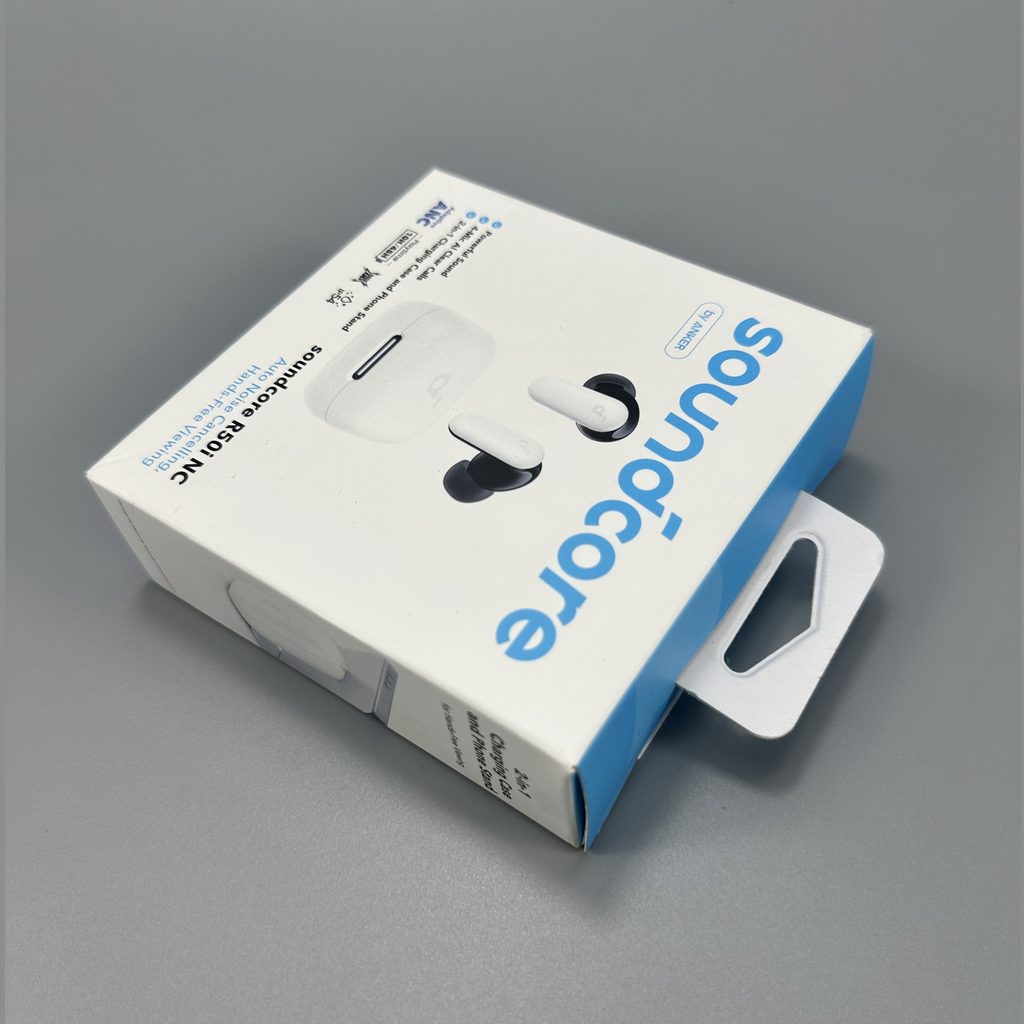
Compare Medicine Packaging Options Before Choosing
| Packaging type | Visible evidence | Main purchasing checkpoint |
|---|---|---|
| Blister pack | Broken backing or opened cavity | Backing cannot be removed and replaced invisibly |
| Sealed pouch or strip pack | Torn material or disrupted seam | Seams resist undetectable separation |
| Induction-sealed bottle | Broken or missing mouth seal | Bottle, liner, and sealing process work together |
| Shrink band or wrapper | Torn, cut, or missing film | Film cannot be removed and reapplied intact |
These are four useful categories, not an exhaustive list. Selection should reflect the medicine, its container, the distribution environment, and destination-market requirements.
Where Custom Paper Packaging Adds Value—and Where It Stops
Custom medicine boxes can organize primary packs, protect printed information, and provide space for clear inspection instructions.
However, an ordinary tuck-end carton is not automatically tamper-evident. Neither is a magnetic rigid box.
FDA’s packaging guidance also cautions that simply gluing paperboard end flaps does not establish a compliant tamper-resistant feature. A proposed carton-based solution needs evidence that entry cannot occur without recognizable change.
Our recommendation is to separate presentation from security during development:
– Choose the carton structure for fit, handling, and information layout.
– Define the tamper-evident feature independently.
– Evaluate how both perform together.
Foil stamping, embossing, and premium finishes should never make warnings or opening indicators harder to see.
U.S. Requirements: Scope and Labeling Matter
For covered U.S. retail OTC medicines accessible to the public, 21 CFR 211.132 requires tamper-evident packaging. The rule contains exceptions, including dermatological, dentifrice, insulin, and lozenge products.
Covered two-piece hard gelatin capsules must also use an acceptable capsule-sealing technology in addition to the package feature.
The required package statement must identify the relevant features, appear prominently, and remain unaffected if those features are breached or missing.
Do not place the only explanation on a removable band or inside an insert.
These requirements should not be generalized to every medicine or export destination. Obtain product-specific regulatory review before approving artwork and construction.
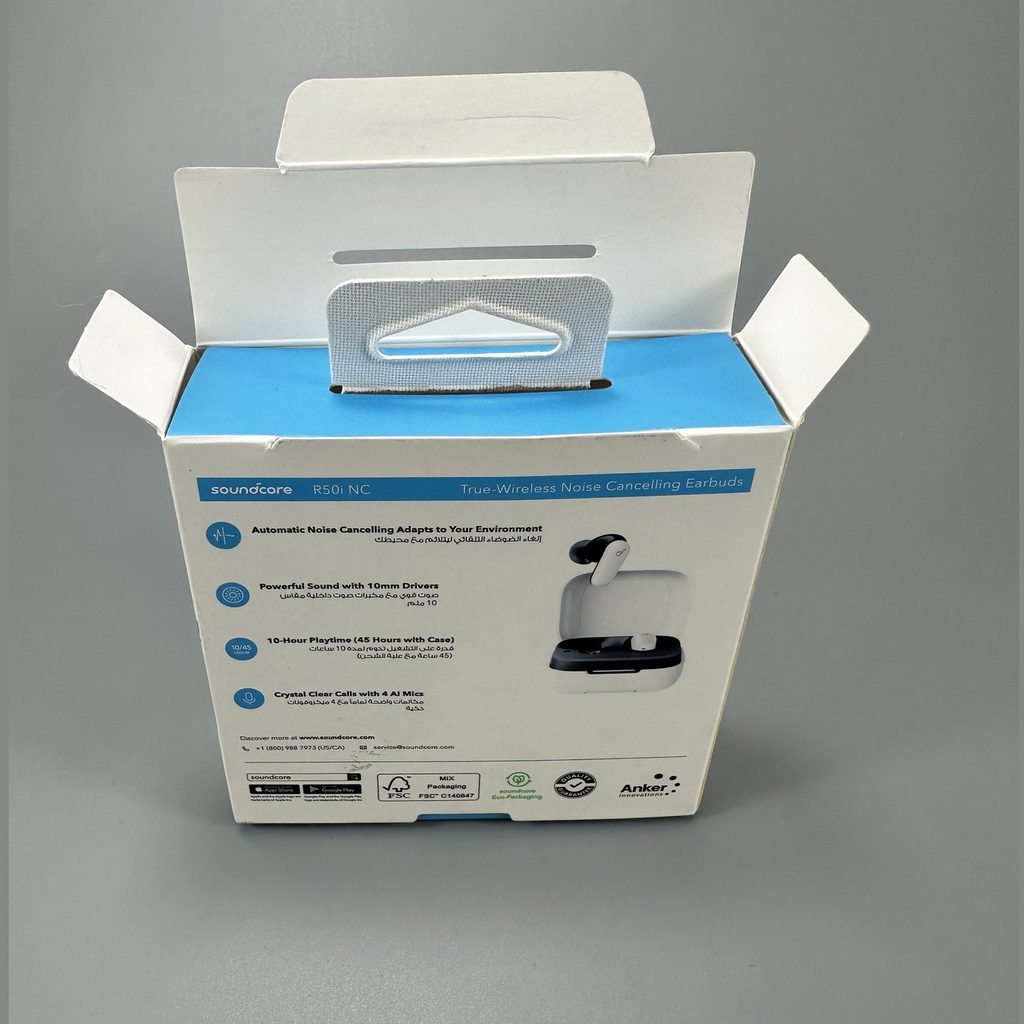
A Practical Preproduction Checklist for Packaging Buyers
Treat the following as development checkpoints, not a substitute for formal validation:
1. Map access routes. Examine closures, seams, carton ends, and removable components.
2. Define visible failure. Record what tearing, residue, broken bridges, or material damage should appear.
3. Check reapplication risk. Determine whether removed components can look unopened again.
4. Review handling durability. Confirm that normal distribution does not destroy the indicator prematurely.
5. Check user understanding. Ask representative users to identify the feature and recognize damage.
6. Document approval. Record materials, artwork, component specifications, acceptance criteria, and change-control responsibilities.
For paper packaging, evaluate the actual printed and finished sample. A seal demonstrated on uncoated board may behave differently on the final surface.
Plan Your Custom Medicine Packaging With Bonito Packaging
Send Bonito Packaging your primary-container dimensions, product format, destination market, order quantity, and proposed tamper-evident system.
As a source manufacturer of premium custom paper packaging, we can use that brief to discuss carton structure, inserts, print layout, and sampling requirements. Your pharmaceutical quality and regulatory teams should approve the complete protection system before production.
Frequently Asked Questions
1. Is child-resistant packaging also tamper-evident?
Not necessarily. Child resistance impedes access by young children. Tamper evidence reveals previous interference. A package may combine both functions, but each requires separate assessment.
2. Can a paper medicine box provide tamper evidence?
Potentially, if its complete construction provides recognizable evidence of entry. An ordinary tuck box, glued carton, or decorative rigid box does not establish that performance by itself.
3. Are blister packs better than sealed bottles?
Neither is universally better. Blisters reveal access to individual cavities. Bottle-mouth seals reveal first access to the container. Selection depends on product and packaging requirements.
4. Does a QR code replace a physical security seal?
No. A printed code does not, by itself, show whether a closure or barrier has been breached. Any authentication function should be evaluated separately from physical tamper evidence.
5. What should consumers do if a medicine seal looks damaged?
Do not use the medicine until the concern has been resolved. Keep the packaging and contact the dispensing pharmacist, retailer, or manufacturer for guidance.
References
1. Shop Rigid Boxes. [“Four Types of Packaging That Prevent Tampering With Medicine.”] Updated June 26, 2025. Original article reviewed for topic coverage, classification problems, and content gaps; its testimonials are not attributed to Bonito Packaging. [shoprigidboxes]
2. Electronic Code of Federal Regulations. [“21 CFR § 211.132—Tamper-evident packaging requirements for over-the-counter (OTC) human drug products.”] Basis for the definition, regulatory scope, exceptions, capsule-sealing requirements, distribution integrity, and labeling provisions. [ecfr]
3. U.S. Food and Drug Administration. [“CPG Sec. 450.500—Tamper-Resistant Packaging Requirements for Certain Over-the-Counter Human Drug Products.”] May 1992. Technical guidance covering blisters, pouches, inner seals, wrappers, bands, tape seals, and paperboard-carton limitations. Current regulatory requirements take precedence where historical wording differs. [fda]
4. U.S. Food and Drug Administration. [“Child-Resistant Packaging Statements in Drug Product Labeling: Guidance for Industry.”] August 2019. Basis for distinguishing child resistance from childproof claims and for requiring support for child-resistant labeling statements. [fda]