
Great gift packaging does more than protect a product—it creates anticipation, communicates brand value, and turns an ordinary purchase into a memorable experience. For retailers, ecommerce brands, bakeries, beauty labels, and corporate gift programs, custom gift packaging can make the product feel more thoughtful before the recipient even sees what is inside.
Em Embalagem de Bonito, we see one principle repeatedly: the most effective gift packaging balances visual appeal, practical protection, brand consistency, and responsible material choices. A beautiful box that arrives damaged, uses excessive materials, or feels difficult to open will weaken the experience. The ideas below help brands create gift packaging that looks premium while remaining functional and scalable.
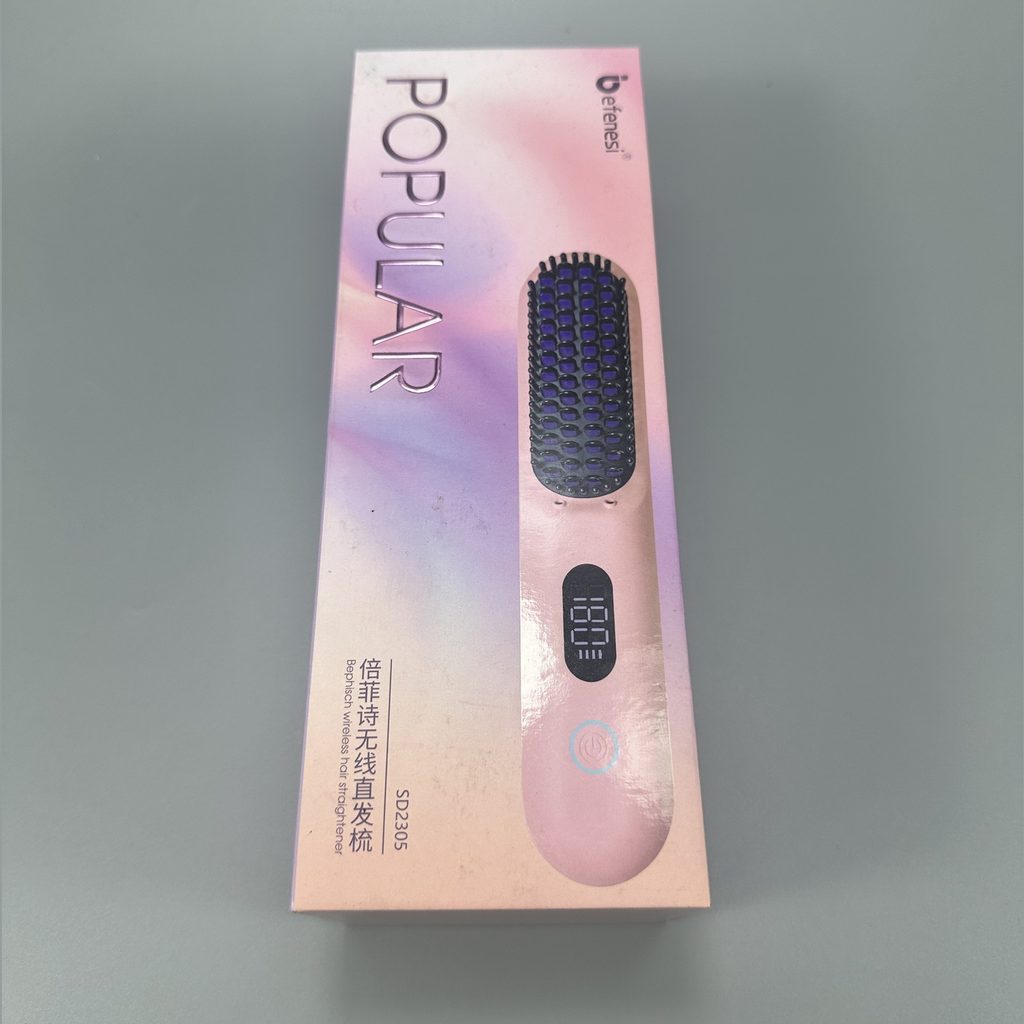
Why Gift Packaging Matters for Modern Brands
Gift-ready packaging has become an important part of product presentation, especially for direct-to-consumer brands. Packaging design influences how customers perceive quality, professionalism, and value. In one consumer survey cited by FedEx, 72% of purchasing decisions were influenced by package design.
For gift purchases, the packaging often becomes part of the product itself. It can reduce the need for extra wrapping, help recipients feel valued, and create an unboxing moment worth sharing.
A strong custom gift packaging strategy should achieve four outcomes:
– Protect the product during handling and shipping
– Reflect the brand identity through color, print, shape, and finishing
– Feel easy and enjoyable to open
– Support realistic sustainability goals through recyclable, reusable, or reduced-material designs
1. Use Minimalist Kraft Gift Boxes
Minimalist packaging remains one of the most versatile gift packaging ideas. A natural kraft box paired with black ink, white foil, a logo sticker, or cotton ribbon can look refined without becoming visually overwhelming.
This approach works particularly well for:
– Artisan food and beverage brands
– Handmade products
– Skincare and wellness kits
– Sustainable fashion accessories
– Corporate gifting programs
Choose a clean layout with one dominant visual element. For example, print a centered logo, add a short brand message inside the lid, and use custom tissue paper to create a finished presentation.
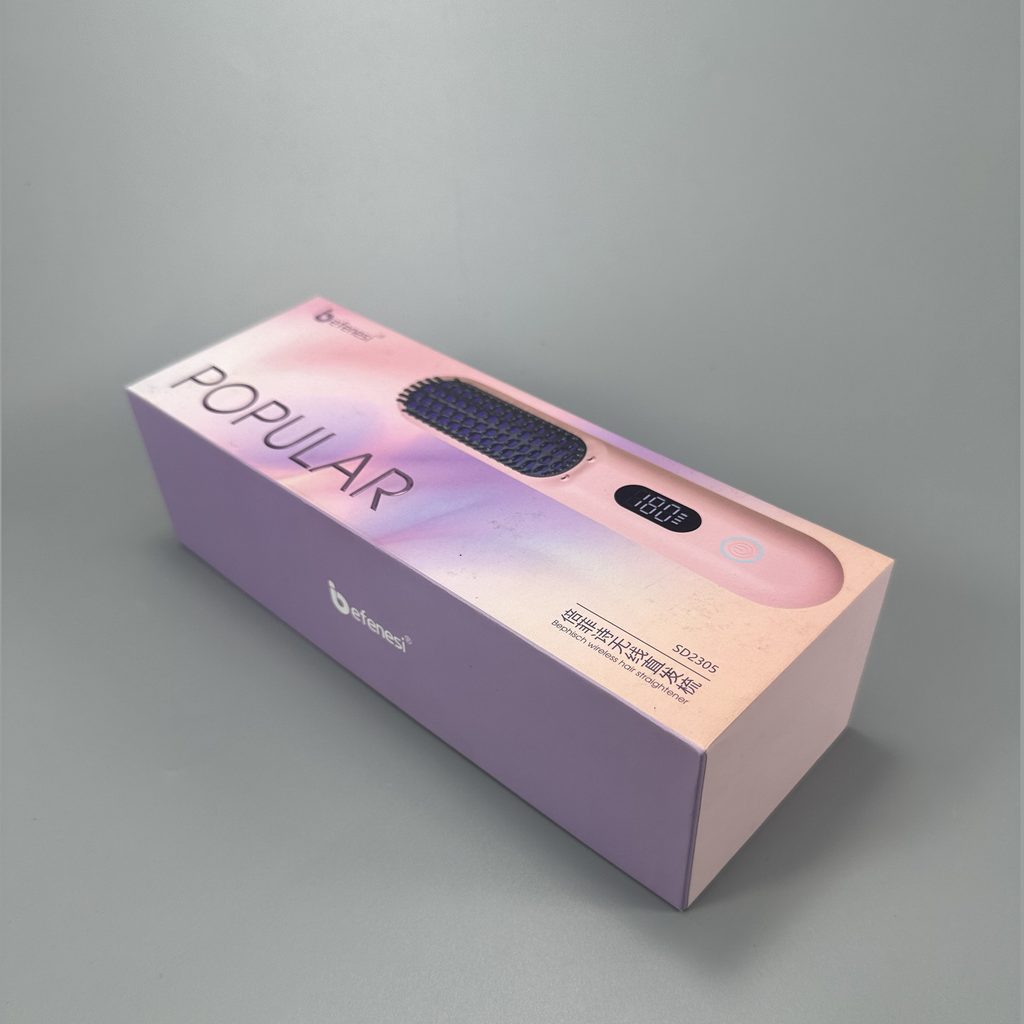
2. Create Premium Rigid Gift Boxes
When the item has a higher perceived value, a rigid gift box can reinforce that position. These boxes are sturdy, reusable, and ideal for products that need a luxury presentation.
Popular premium formats include:
– Magnetic closure boxes
– Two-piece lid-and-base boxes
– Drawer-style gift boxes
– Shoulder-neck rigid boxes
– Book-style boxes with ribbon pulls
A magnetic rigid box is especially useful for jewelry, cosmetics, candles, electronics, promotional kits, and VIP client gifts. Add foam, paperboard, or molded inserts to prevent products from shifting during transit.
3. Make the Inside of the Box Part of the Experience
Many brands invest in exterior printing but overlook the inside of the package. This is a missed opportunity because the interior is revealed at the emotional peak of the unboxing experience.
Consider adding:
– A printed thank-you message inside the lid
– Brand storytelling or product-care instructions
– A seasonal greeting
– A QR code that leads to a tutorial, loyalty page, or customer community
– A personalized note for limited-edition gift campaigns
The outside of the box earns attention. The inside can build connection.
4. Use Custom Tissue Paper for an Affordable Upgrade
Custom tissue paper is one of the simplest ways to make standard packaging feel intentional. It adds softness, protects delicate products from scuffs, and creates a layered reveal when customers open the box.
For a polished result, use tissue paper with:
– Repeating logo patterns
– Seasonal illustrations
– One-color brand icons
– Custom thank-you phrases
– Coordinated colors that match the outer box
Avoid using too many competing patterns. If the box has complex printing, choose simple tissue paper. If the outer box is plain, the tissue paper can carry more visual personality.
5. Add Custom Inserts for Product Protection
A premium presentation must still perform its basic job: keeping the product safe. Custom inserts are essential when packaging fragile, multi-piece, or high-value items.
Common insert options include:
| Tipo de inserção | Melhor para | Key Benefit |
|---|---|---|
| Paperboard insert | Cosmetics, small bottles, retail sets | Recyclable and cost-effective |
| Foam insert | Jewelry, electronics, luxury gifts | High cushioning and clean presentation |
| Molded pulp insert | Sustainable products, glassware | Protective and paper-based |
| Corrugated insert | E-commerce kits, heavier products | Strong and shipping-friendly |
| Die-cut card insert | Small accessories and samples | Lightweight and customizable |
A well-designed insert prevents movement, minimizes breakage risk, and makes the product appear carefully curated rather than loosely packed.
6. Design Gift Packaging Around a Seasonal Theme
Seasonal gift packaging can generate urgency and make a familiar product feel fresh. Instead of redesigning every part of the packaging, brands can use small seasonal changes that remain recognizable.
Examples include:
– Red, green, gold, and winter illustrations for Christmas gift boxes
– Pastel florals for Mother’s Day or spring campaigns
– Heart-shaped details for Valentine’s Day packaging
– Dark metallic colors for Black Friday or luxury holiday launches
– Warm earth tones for autumn gift sets
The most effective seasonal packaging preserves the core brand identity. A customer should still recognize your product even when the box uses holiday colors or limited-edition artwork.
7. Choose Window Boxes for Visual Products
Window packaging is ideal when the product itself has visual appeal. A die-cut window lets customers preview the item while keeping it protected and organized.
Custom window gift boxes work well for:
– Cookies and confectionery
– Bath and body sets
– Handmade candles
– Gift baskets
– Apparel accessories
– Stationery and craft products
Use a clear window strategically. It should reveal enough to create interest without making the package look cluttered. For brands with sustainability goals, consider whether the window material can be minimized, removed, or replaced with an appropriate recyclable alternative according to the local recycling system.
8. Build a Reusable Packaging Concept
The best packaging does not always end at unboxing. A reusable box can stay on a desk, vanity, shelf, or closet long after the original product is gone.
Design reusable packaging by considering its second life:
– A rigid box that stores jewelry or small accessories
– A drawer box that organizes office supplies
– A magnetic box that holds keepsakes
– A branded tin or paperboard container for seasonal reuse
– A fabric-wrapped box that feels suitable for display
Reusable packaging can improve perceived value while reducing the likelihood that the box is discarded immediately.
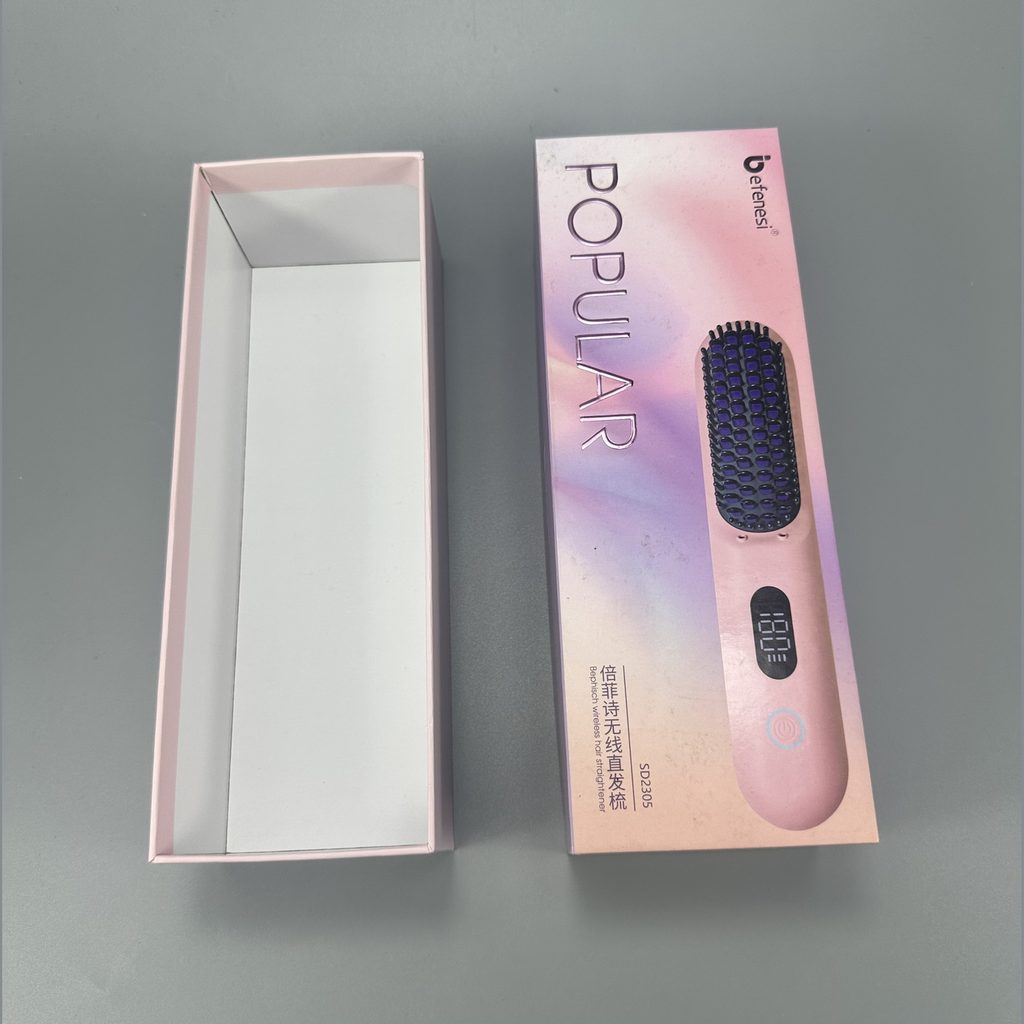
9. Use Sustainable Paper-Based Materials Thoughtfully
Sustainability should be more than a marketing statement. It should be reflected in material choices, package sizing, design simplicity, and clear disposal guidance.
Paper and cardboard remain popular choices because consumers often associate them with recyclability and environmental responsibility. In a 2025 packaging trend survey, 67% of U.S. consumers preferred paper packaging because they considered it the most compostable or biodegradable option, while 46% said it was the easiest material to recycle.
However, brands should avoid assuming that all gift wrap or paper packaging is recyclable. The U.S. Environmental Protection Agency notes that shiny or laminated gift wrap may not be recyclable, while reuse of gift bags, boxes, and tissue paper is encouraged.
Practical sustainable packaging choices include:
– Right-sized custom boxes that reduce empty space
– Recycled-content paperboard
– Uncoated kraft paper
– Paper tape instead of plastic tape where suitable
– Minimal ink coverage where appropriate
– Reusable gift boxes and bags
– Clear recycling or reuse instructions
10. Add a Personalization Layer
Personalized gift packaging helps brands transform a standard shipment into a more meaningful delivery. This does not always require variable printing on every box.
Simple personalization ideas include:
– Printed recipient-name labels
– Customized gift cards
– Seasonal sleeves
– Personalized thank-you notes
– Sticker seals with campaign-specific messages
– QR codes linked to personalized landing pages
– Custom ribbon colors for different customer tiers
For corporate gifting, personalization can include the recipient’s name, the sender’s company logo, or an event-specific message. This works well for employee appreciation, client onboarding, product launches, and conference gifts.
11. Create a Layered Unboxing Sequence
A memorable unboxing experience usually unfolds in stages. The goal is not to add unnecessary materials—it is to create a clear, organized reveal.
A practical sequence may look like this:
1. A branded shipping box or protective mailer
2. A clean presentation layer, such as tissue paper or a belly band
3. A short welcome or thank-you card
4. The protected product in a fitted insert
5. A small value-add item, such as a sample, care guide, or discount card
Each layer should have a purpose. If it does not protect, inform, delight, or guide the customer, consider removing it.
12. Use Ribbon, Belly Bands, and Seals
Small finishing details often make a major difference. A simple folding carton can look significantly more premium when paired with a belly band, custom ribbon, or branded seal.
These elements are useful because they:
– Add visual contrast
– Keep products secure inside the box
– Support seasonal customization
– Make plain packaging feel gift-ready
– Create a more ceremonial opening moment
For high-volume campaigns, printed paper belly bands can be more efficient than adding complex printing to multiple box sizes.
13. Design Packaging for Ecommerce Reality
Gift packaging must look good, but it must also survive the shipping journey. For ecommerce brands, the ideal solution often combines an attractive inner gift box with a durable outer corrugated mailer.
Before approving a packaging design, evaluate:
– Product weight and fragility
– Shipping distance and carrier handling
– Required cushioning
– Box compression strength
– Dimensional-weight implications
– Ease of assembly for fulfillment teams
– Unboxing appearance after transit
A beautiful box that arrives crushed can damage trust. Prioritize structural performance before adding luxury finishes.
14. Include Clear Recycling Guidance
Customers may want to dispose of packaging responsibly but remain unsure which components belong in recycling, compost, or trash. Clear communication improves the user experience and makes sustainability claims more credible.
A simple printed message can help:
Reuse this box for storage. Recycle paper components where accepted locally. Remove non-paper inserts or decorative materials before recycling.
Keep disposal language accurate. Do not label a package “recyclable” unless the complete package and local recycling conditions support that claim.
15. Turn Custom Gift Packaging Into a Brand Asset
Custom packaging should not be treated as a last-minute operational expense. It is a brand touchpoint that can support customer retention, gifting, social sharing, and perceived product value.
Research reported by VistaPrint found that 89% of surveyed consumers said packaging quality influenced how they perceived the product inside. The same survey found that 86% considered packaging important when buying a gift.
The opportunity is clear: when packaging is well-designed, useful, protective, and visually consistent, it helps customers feel more confident about both the product and the brand.
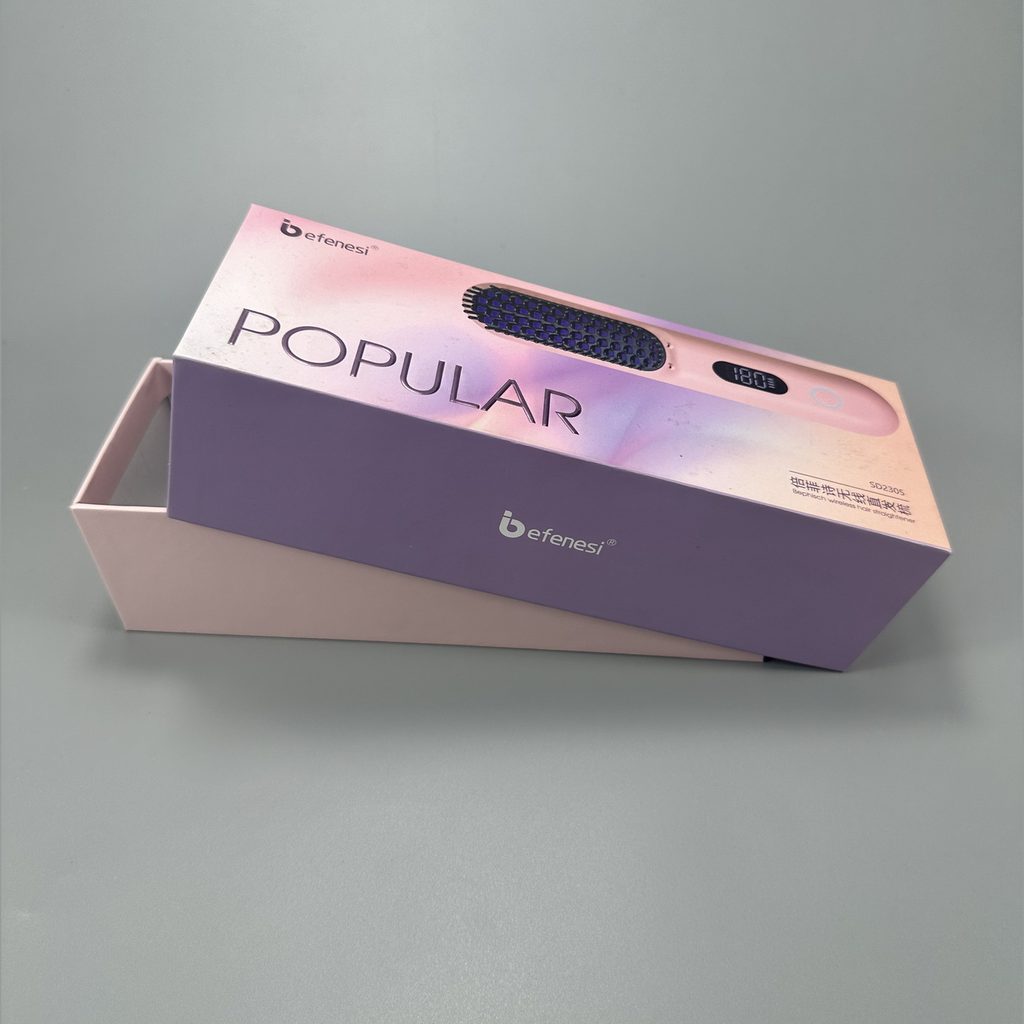
How to Choose the Right Gift Packaging
Before selecting a box style, ask these practical questions:
– What must the packaging protect?
– Is the product sold in retail stores, online, or both?
– Should the package feel affordable, premium, playful, or luxurious?
– Does the customer need to see the product before opening?
– Is reuse or recyclability a primary brand objective?
– Will the package be used for a seasonal campaign or year-round?
– What printing, finishing, and order quantity are realistic for the project?
For example, a luxury skincare set may need a magnetic rigid box with custom inserts and foil stamping. A subscription brand may need a lightweight corrugated mailer with branded tissue paper and a printed thank-you card. The right solution depends on the customer journey, not simply on what looks attractive in a product photo.
Create Gift Packaging That Customers Remember
The strongest gift packaging combines thoughtful design with operational discipline. It should protect the product, communicate the brand, fit the occasion, and make customers feel that the purchase was made specifically for them.
Bonito Packaging helps brands create custom paper gift boxes, retail packaging, corrugated mailers, folding cartons, rigid boxes, inserts, tissue paper, and branded packaging accessories tailored to their products and markets. From structural design to printing and finishing, the goal is to create packaging that looks exceptional and performs reliably.
Request a custom packaging quote from Bonito Packaging today and turn your next product launch, holiday campaign, or corporate gift program into an experience customers are excited to open.
PERGUNTAS FREQUENTES
1. What is the best packaging for gifts?
The best gift packaging depends on the product, shipping method, target customer, and desired price position. Rigid boxes are ideal for luxury gifts, folding cartons suit lightweight retail products, and corrugated mailers work well for ecommerce shipments.
2. How can I make gift packaging look more expensive?
Use a clean color palette, high-quality paperboard, custom inserts, branded tissue paper, foil stamping, embossing, ribbon, or a magnetic closure. Premium packaging usually looks intentional rather than overly decorated.
3. Is paper gift packaging recyclable?
Some paper packaging is recyclable, but glossy coatings, glitter, metallic finishes, plastic windows, ribbons, and mixed materials can affect recyclability. Check local recycling rules and provide clear disposal instructions.
4. What should be included in a custom gift box?
A custom gift box can include the product, a fitted insert, tissue paper, a thank-you card, a care guide, a gift message, product samples, and a discount or loyalty offer. Include only items that add value to the recipient.
5. What is the difference between rigid boxes and folding cartons?
Rigid boxes are pre-assembled, thicker, and more luxurious, making them suitable for premium products and gift sets. Folding cartons are shipped flat, use less storage space, and are usually more economical for lightweight retail packaging.
6. How can ecommerce brands reduce packaging waste?
Use right-sized boxes, eliminate unnecessary void fill, select recyclable or recycled-content materials, avoid difficult-to-separate mixed materials, and design packaging that customers can reuse or recycle locally.
References
1. [OXO Packaging — 10 Trendy Gift Packaging Ideas for This Season in 2025]
2. [U.S. Environmental Protection Agency — How Do I Recycle Common Recyclables?]
3. [FedEx — The Unboxing Experience: Creative Ecommerce Packaging Ideas]
4. [TAPPI — 2025 Trend Tracker Reveals Consumer Preferences for Packaging]
5. [VistaPrint — How Packaging Shapes the Unboxing Experience]
6. [McKinsey — Sustainable Packaging: 2025 Global Consumer Views]
 English
  Spanish
  French
  German
  Russian
  Japanese
  Portuguese
  Arabic