
Edible packaging materiais are reshaping how food brands think about convenience, waste reduction, product protection, and customer experience. However, the smartest commercial strategy is rarely to replace every package with something edible. For most food businesses, the strongest solution is a carefully engineered combination of edible components and premium custom paper packaging that protects hygiene, supports branding, and makes the product practical for real-world retail and delivery.
Em Embalagem de Bonito, we work from a manufacturer’s perspective: packaging must look premium, protect the product, run efficiently through production and logistics, and deliver a clear experience to the customer. Edible packaging can be exciting, but it must also meet food-safety, barrier-performance, labeling, storage, and consumer-use requirements before it becomes commercially viable.
This guide explains what edible packaging materials are, how they work, where they fit, their limitations, and how brands can design a more realistic packaging system around them.
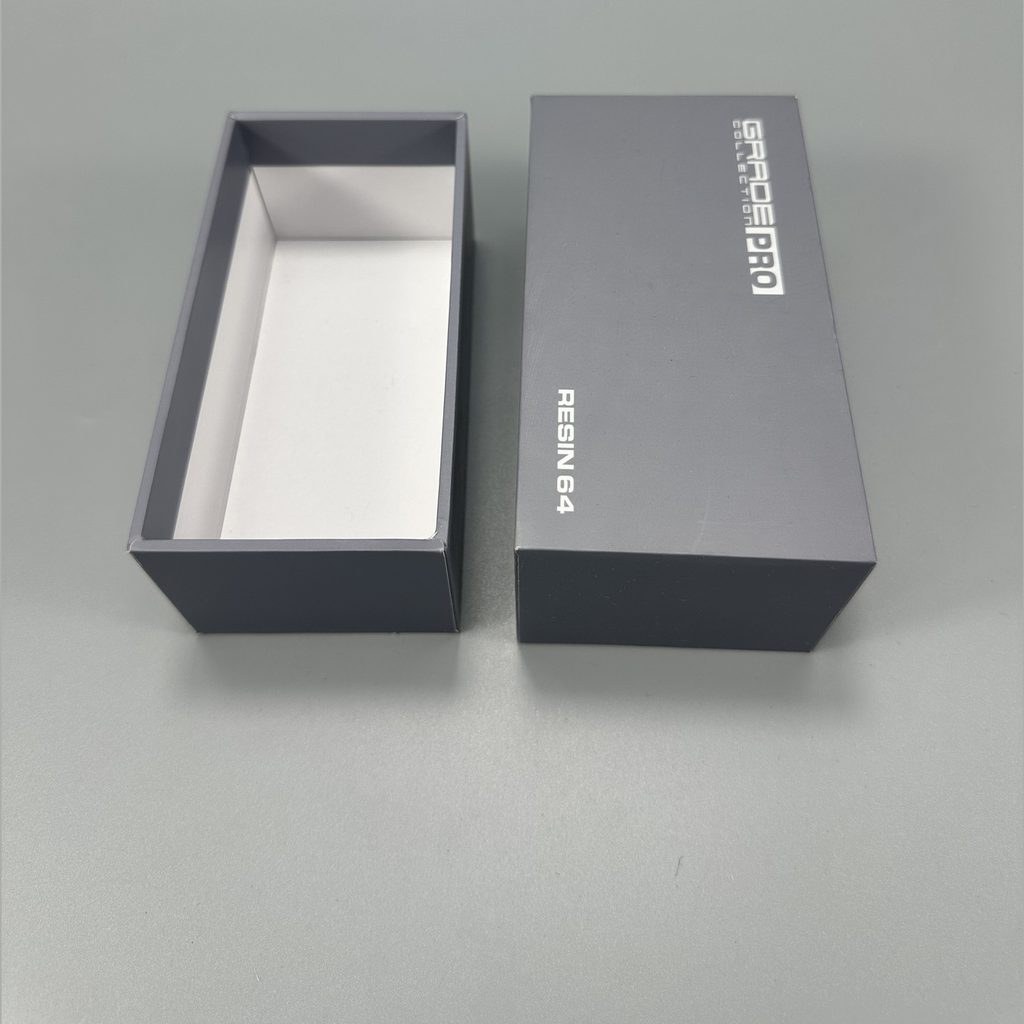
What Are Edible Packaging Materials?
Edible packaging refers to packaging, coatings, films, wraps, utensils, or containers made from food-grade ingredients that can be safely consumed under intended-use conditions.
Unlike conventional plastic packaging, an edible package may be eaten together with the food, dissolved in water, composted under suitable conditions, or discarded with substantially less persistent material waste. These materials are often created from proteins, polysaccharides, lipids, fruit and vegetable extracts, grains, seaweed, or other food-derived ingredients.
However, “edible” does not automatically mean that a material is suitable for every food application.
A packaging material must still be evaluated for:
– Food-contact safety
– Microbiological safety
– Allergen management
– Moisture resistance
– Oxygen and aroma barrier performance
– Mechanical strength
– Shelf-life impact
– Consumer handling and hygiene
– Labeling and regulatory compliance
For example, a milk-protein film may offer excellent oxygen-barrier properties, but it may be unsuitable for consumers with milk allergies unless the allergen is clearly managed and declared. Similarly, a seaweed-based sachet may work well for a single-serving liquid or sauce application, but it may not withstand long-term humid storage without a protective secondary package.
Why Edible Packaging Is Getting Attention
Food packaging has traditionally focused on one core goal: keeping products safe, stable, and appealing until they are consumed. Today, brands also face pressure to reduce unnecessary packaging waste and respond to consumers who expect more responsible material choices.
Edible packaging is attracting interest because it can potentially reduce the amount of single-use material associated with individual food portions. It can also create a memorable brand experience.
For premium food brands, the appeal is not only environmental. It is also commercial.
Edible packaging can help a brand:
– Create a distinctive unboxing or serving experience
– Differentiate a new food or beverage product
– Reduce waste from single-serve sachets, spoons, and wraps
– Support sustainability-focused product storytelling
– Add flavor, nutrients, antioxidants, or functional ingredients
– Improve protection against oxygen for selected food products
– Strengthen innovation positioning in retail and foodservice
A notable research direction involves casein, a milk-derived protein. USDA research has reported that casein-based films can offer oxygen-barrier performance up to 500 times better than low-density polyethylene under tested conditions. Oxygen control matters because oxidation can contribute to quality deterioration and food spoilage. Still, this does not mean casein film can directly replace plastic in every application; moisture sensitivity, allergen labeling, production scalability, and product-specific testing remain essential considerations.
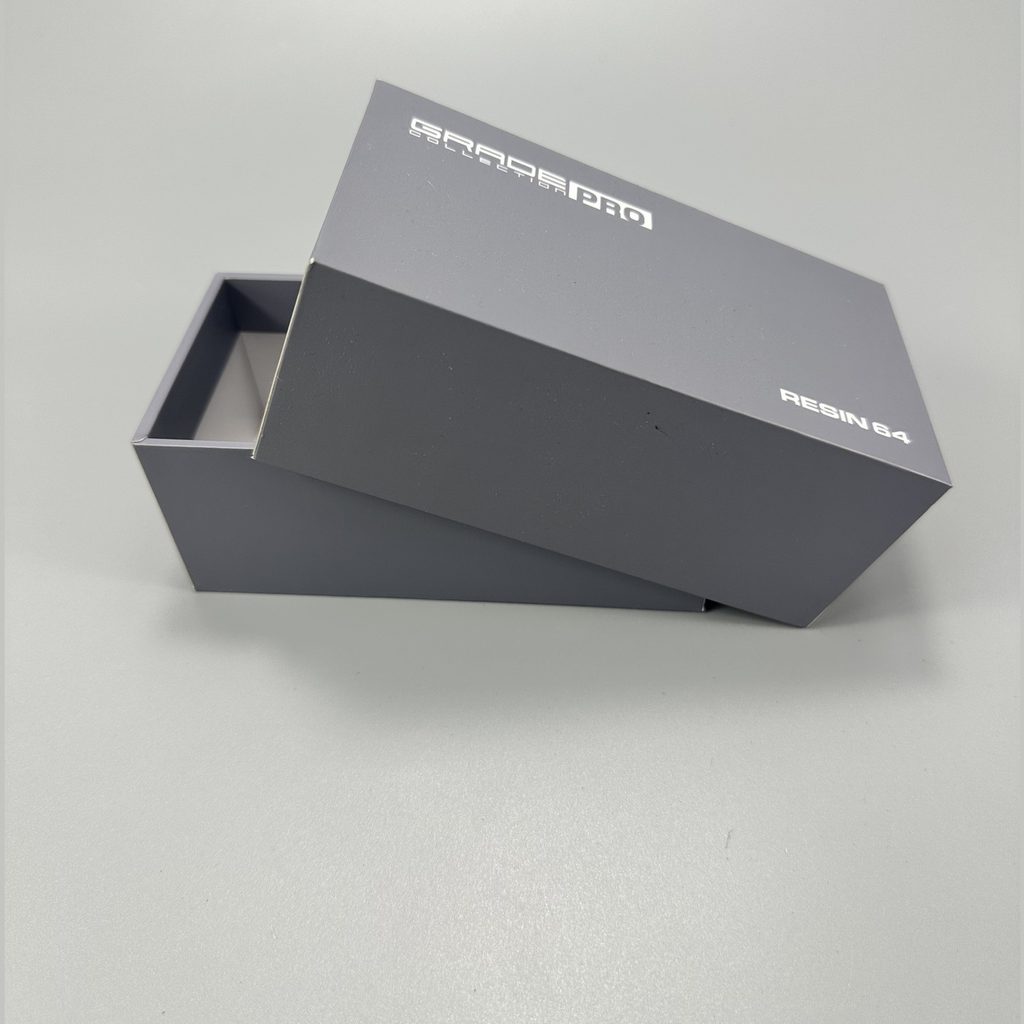
Common Types of Edible Packaging Materials
Edible packaging generally falls into three material families: proteins, polysaccharides, and lipids. Many commercial formulations combine two or more material types to balance strength, flexibility, moisture resistance, and barrier performance.
| Tipo de material | Common Sources | Typical Packaging Forms | Main Strength | Limitação da chave |
|---|---|---|---|---|
| Protein-based materials | Casein, whey, gelatin, soy, gluten | Films, coatings, pouches | Strong oxygen barrier potential | Allergen and moisture concerns |
| Polysaccharide-based materials | Starch, cellulose, chitosan, pectin, alginate | Films, wraps, sachets | Good film-forming ability | Often weak against water vapor |
| Seaweed-based materials | Agar, alginate, carrageenan | Pods, soluble sachets, films | Renewable and highly visual | Humidity sensitivity |
| Grain-based materials | Rice, wheat, sorghum | Edible spoons, trays, cups | Strong consumer familiarity | Bulkier format and possible breakage |
| Lipid-based materials | Waxes, fatty acids, oils | Food coatings | Moisture barrier support | Usually combined with other materials |
| Fruit and vegetable materials | Apple pomace, tomato skins, fruit purées | Coatings, films, snack-like forms | Upcycling potential | Variable material consistency |
Protein-Based Edible Films
Protein-based films are among the most studied edible packaging options because many protein networks can create effective oxygen barriers. Casein and whey proteins are especially relevant for oxygen-sensitive products such as snacks, confectionery, dry foods, and selected dairy applications.
The challenge is that protein films are often hydrophilic, meaning they can absorb moisture. A film that performs well in a dry environment may weaken, become sticky, or lose barrier performance when exposed to high humidity or wet foods.
Starch and Vegetable-Based Films
Starch from potatoes, corn, cassava, rice, or other crops can be processed into edible films and biodegradable materials. These options are often attractive because starch is widely available and can be cost-effective at scale.
Yet starch-based packaging commonly needs formulation improvements, such as plasticizers, coatings, blends, or multilayer structures, to improve flexibility and reduce brittleness. Brands should avoid making broad claims that starch packaging will automatically perform like conventional plastic film.
Seaweed and Algae Packaging
Seaweed-derived materials are particularly attractive for single-serve portions, sauces, beverages, seasoning pods, and event-based foodservice concepts. Their natural origin and visual novelty can create strong social-media appeal.
The main commercial question is whether the package can survive storage, shipping, temperature variation, and consumer handling. In many applications, seaweed-based packaging works best as an internal edible component protected by a secondary outer package.
Edible Cutlery, Cups, and Containers
Edible spoons, forks, cups, straws, and trays are typically made with grain-based ingredients such as wheat, rice, millet, or sorghum. These formats offer a direct replacement opportunity for disposable foodservice accessories.
For example, an edible spoon can be served with ice cream, yogurt, soup, or a snack product. But the product must be tested for how long it maintains rigidity after contact with hot or cold food. A spoon that softens too early can damage the customer experience, even if it is technically edible.
Examples of Edible Packaging
The best edible packaging concepts solve a specific problem rather than using innovation only as a marketing feature.
1. Single-Serve Sauce or Beverage Pods
Seaweed or alginate materials can create small edible pods for water, sports drinks, sauces, or condiments. These products can reduce the need for individual plastic sachets at festivals, sporting events, and controlled foodservice settings.
The limitation is hygiene. A pod intended for direct consumption should not be exposed unprotected to open retail environments, dirty hands, dust, or uncontrolled storage conditions.
2. Edible Films for Confectionery
A thin edible film can wrap candies, seasoning portions, bakery ingredients, or dry food inclusions. The film may dissolve during cooking or be eaten with the product.
This format can work well when the food itself provides a relatively dry and protected environment.
3. Wafer Coffee Cups
A cookie or wafer cup gives consumers an edible alternative to a disposable beverage cup. It can be highly engaging for cafés, pop-up activations, dessert brands, and hospitality events.
The main technical issue is liquid exposure. The cup must remain structurally stable long enough for customers to finish their drink, while also retaining a pleasant taste and texture.
4. Edible Cutlery for Foodservice
Grain-based edible cutlery can replace some plastic or wood utensils in quick-service food environments. The concept works best when the utensil matches the food occasion, such as a crunchy spoon paired with yogurt, gelato, soup, or snack dips.
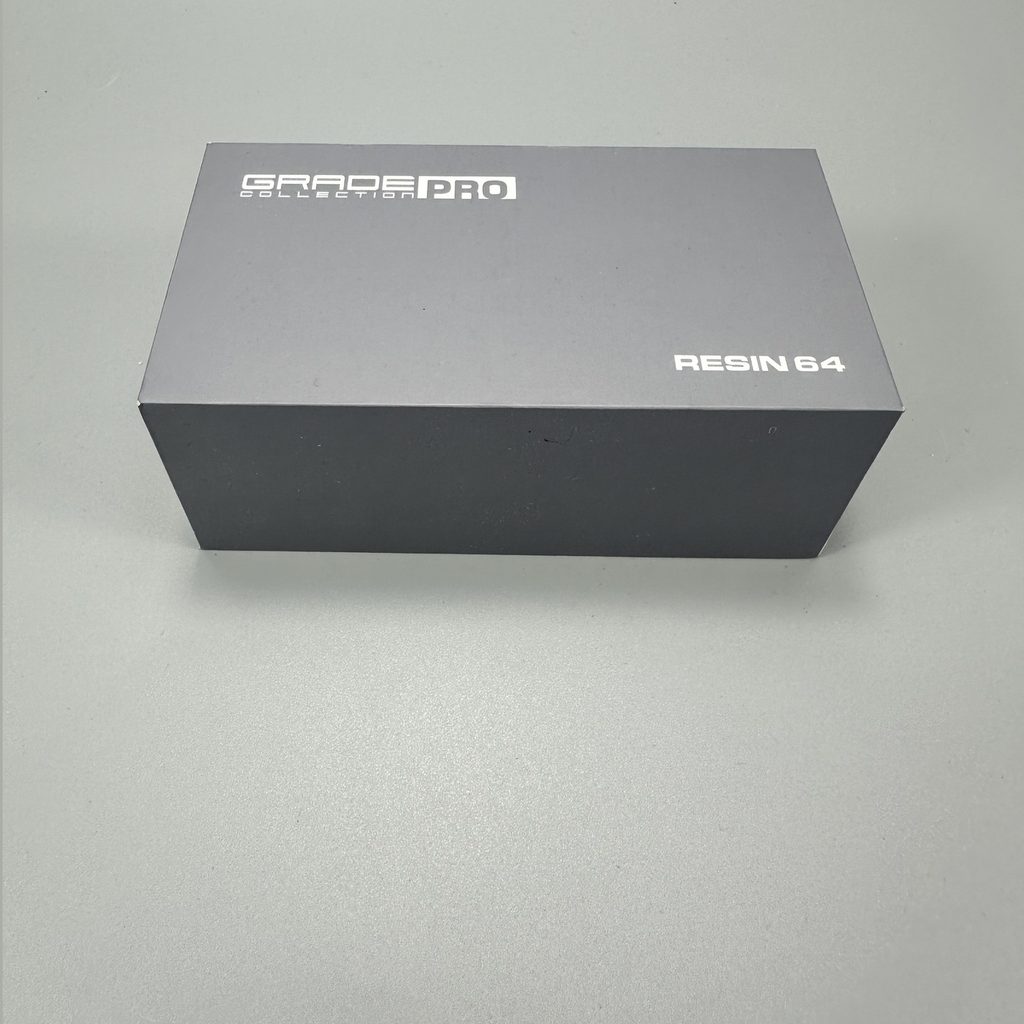
The Biggest Challenges Brands Must Solve
Edible packaging is promising, but responsible packaging decisions require honest discussion of its constraints.
Moisture and Humidity
Many edible films absorb water easily. This can reduce strength, affect texture, cause sticking, and shorten usable shelf life. Products with high moisture content often need a barrier layer or a protective outer package.
Hygiene and Consumer Trust
A package that people are expected to eat must be protected from contamination throughout production, storage, transportation, retail display, and final use. Microbiological testing, allergen identification, and controlled handling are critical. Industry guidance emphasizes that edible packages require safety assessments similar to food products, including attention to pathogens and contamination risks.
Allergen Management
Milk proteins, wheat gluten, soy, nuts, and other ingredients can be used in edible packaging. Brands must consider allergen controls, accurate labeling, cross-contact prevention, and the suitability of materials for their target customers.
Mechanical Strength
A package may be edible but still fail operationally if it tears during filling, cracks during transport, or collapses in the consumer’s hand. Performance testing should include compression, puncture resistance, heat exposure, humidity exposure, and transport simulation.
Cost and Scale
Many edible packaging technologies remain more expensive or less scalable than established plastic and paper-based alternatives. Commercial feasibility depends on formulation, equipment, order volume, storage conditions, and the complexity of the finished packaging design.
Consumer Behavior
Not every customer wants to eat the package. Some may view it as a novelty, while others may question its hygiene or simply dispose of it. The product should therefore remain useful even if consumers choose not to eat it.
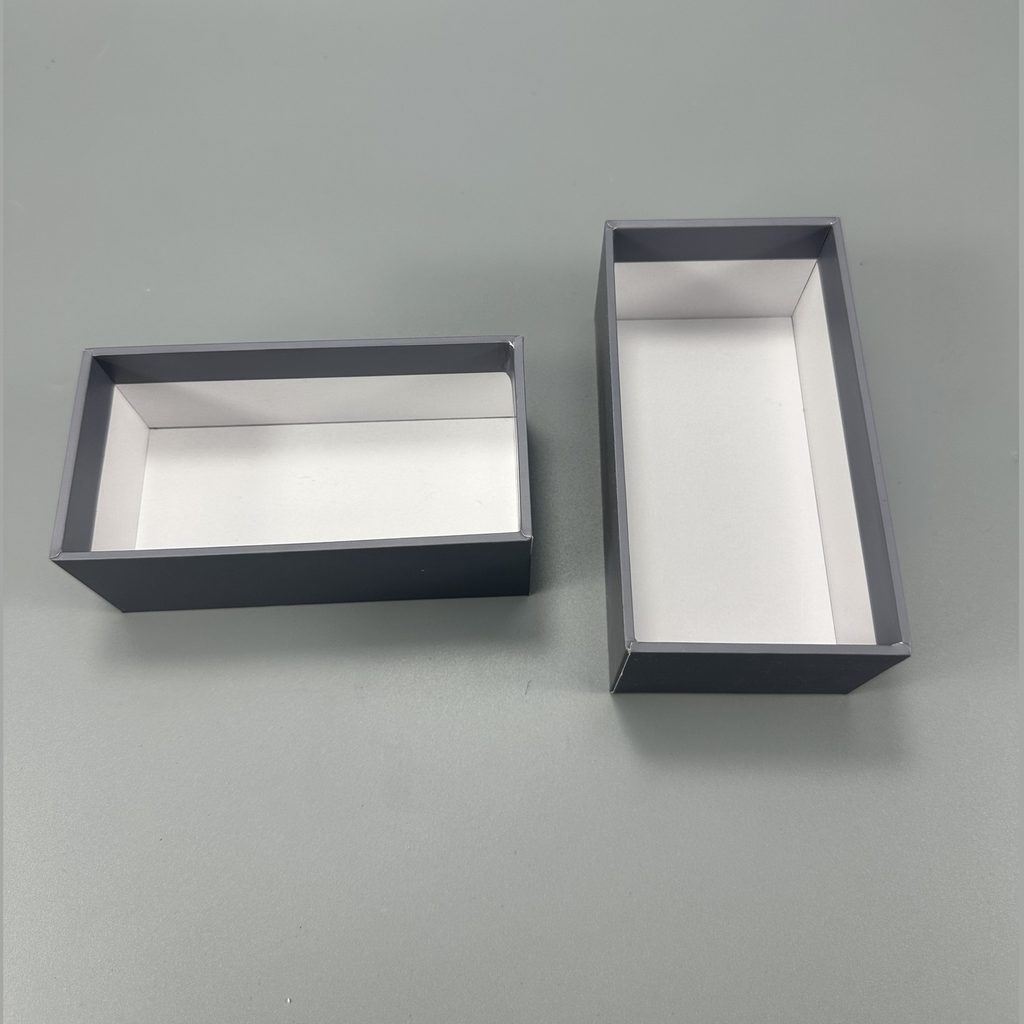
How to Combine Edible Packaging With Custom Paper Packaging
For many brands, the most practical path is a hybrid packaging system.
The edible element handles a specific food-contact or serving function. Custom paper packaging provides hygiene protection, product presentation, structural strength, shipping durability, labeling space, and brand communication.
This strategy is especially relevant for premium bakery products, confectionery, snacks, meal kits, cafés, supplements, and giftable food products.
A practical packaging architecture may include:
1. Edible inner component such as a dissolvable film, wafer cup, edible spoon, or food coating
2. Food-safe protective layer where necessary to maintain hygiene and shelf stability
3. Custom paper sleeve, carton, or rigid box for branding, information, and physical protection
4. Tamper-evident feature to build consumer confidence
5. Clear disposal and consumption instructions to avoid confusion
For example, a premium dessert brand may use an edible spoon inside a custom-printed paperboard carton. The carton protects the spoon from damage and contamination, provides space for allergen information, and elevates the shelf presentation. The edible spoon then becomes a product benefit instead of a packaging risk.
At Bonito Packaging, this is the type of system we recommend exploring first: not “edible packaging versus paper packaging,” but edible innovation supported by premium custom paper packaging.
A Practical Evaluation Checklist for Brands
Before launching an edible packaging project, ask the following questions:
1. Is the material safe and legally suitable for the target market?
2. Does it contain allergens, and can those allergens be managed correctly?
3. Does it remain stable at the product’s expected temperature and humidity?
4. Can it protect the food’s flavor, aroma, texture, and shelf life?
5. Will customers understand whether to eat, dissolve, compost, or dispose of it?
6. Does the product require an outer protective carton, sleeve, pouch, or box?
7. Can the packaging survive automated filling, warehousing, shipment, and retail display?
8. Does the environmental claim reflect the full packaging system rather than only one component?
9. Does the concept provide a genuine customer benefit beyond novelty?
10. Can the packaging supplier produce it consistently at the required volume?
Expert Perspective: Innovation Must Protect the Product First
From a packaging-development perspective, the most important rule is simple: sustainability claims should never compromise product safety, hygiene, or performance.
Edible packaging is most successful when it is designed for a clearly defined use case. A dissolvable seasoning film, an edible dessert spoon, or a wafer coffee cup may offer real value because the consumer can immediately understand the function.
By contrast, replacing a robust long-shelf-life pouch with an edible material without solving moisture, hygiene, and shipping requirements can create product waste. That outcome may undermine the sustainability goal.
The right approach is to start with the food product, not the material trend. Evaluate the food’s moisture level, oxygen sensitivity, storage period, transportation needs, retail environment, and customer behavior. Then build the packaging system around those realities.
Create a Premium Edible Packaging Experience With Bonito Packaging
Edible packaging can help your brand stand out, but it needs the right secondary packaging to protect quality and reinforce trust. Bonito Packaging manufactures custom paper packaging, folding cartons, paper sleeves, food boxes, rigid boxes, and branded packaging solutions designed to support innovative food products.
Whether you are launching edible cutlery, wafer cups, premium confectionery, single-serve food products, or sustainable retail packaging, our team can help you develop packaging that is practical, visually distinctive, and aligned with your brand.
Contact Bonito Packaging today to discuss a custom packaging solution for your next food innovation project.
PERGUNTAS FREQUENTES
1. Is edible packaging safe to eat?
Edible packaging can be safe when it is made from appropriate food-grade ingredients, produced under controlled conditions, and used according to applicable food-safety requirements. Safety depends on the specific formulation, allergen profile, hygiene controls, and intended use.
2. What is the most common edible packaging material?
Common edible packaging materials include starch, seaweed extracts, proteins such as casein and whey, gelatin, cellulose derivatives, fruit and vegetable materials, and grain-based ingredients. The best option depends on the food product and required barrier performance.
3. Can edible packaging replace plastic completely?
Not yet in most mainstream applications. Edible materials often have limitations related to moisture resistance, mechanical strength, hygiene, cost, shelf life, and large-scale manufacturing. They are usually most effective in targeted applications or as part of a hybrid packaging system.
4. Does edible packaging need an outer box?
In many cases, yes. A custom paper carton, sleeve, or box can protect edible packaging from contamination, humidity, crushing, and handling damage. It also provides space for branding, nutrition details, ingredient lists, allergen declarations, and usage instructions.
5. Is edible packaging environmentally friendly?
It can reduce certain forms of packaging waste, but its environmental impact depends on raw-material sourcing, manufacturing energy, transport, food-waste reduction, secondary packaging, and consumer disposal behavior. Brands should evaluate the complete packaging system rather than making assumptions based only on the material’s edible nature.
6. What products work best with edible packaging?
Edible packaging can be suitable for confectionery, bakery products, desserts, dry snacks, seasoning portions, selected beverage concepts, sauces, foodservice cutlery, and event-based sampling. It is generally more difficult to use with highly moist, greasy, long-shelf-life, or heavily transported products.
References
1. OXO Packaging. “[Edible Packaging Material: An Evolving Sustainable Packaging Trend].” Accessed September 2026.
2. U.S. Department of Agriculture, Agricultural Research Service. “[That’s a Wrap: Edible Food Wraps from ARS].” Discusses milk-protein casein films and their oxygen-barrier potential.
3. U.S. Department of Agriculture, Agricultural Research Service. “[Dairy and Functional Foods Research—Publication].” Technical abstract describing properties and potential applications of milk-protein packaging films.
4. Khan, M. U. et al. “[Milk Protein-Based Active Edible Packaging for Food Applications].” *Polymers*, 2022. Reviews barrier and functional properties of milk-protein films and coatings.
5. Md Noh, N. A. et al. “[The Emergence of Edible and Food-Application Coatings for Food Packaging].” *Foods*, 2022. Reviews food-contact safety, materials, and edible coating applications.
6. Packaging Europe. “[Edible Food Packages and How to Test Them].” Covers microbiological safety, allergen testing, and contamination concerns for edible packages.
7. U.S. Department of Energy. “[Innovations in Food and Beverage Packaging: Edible Packaging].” Discusses regulatory, technical, consumer-acceptance, and scalability challenges.
Hot Tags: Edible Packaging, Manufacturers, Customized, Custom, Suppliers, Buy, Cheap, Quality, Advanced, Durable, in Stock, Made in China, Price, Quotation, Free Sample
 English
  Spanish
  French
  German
  Russian
  Japanese
  Portuguese
  Arabic