
Before accepting a bulk order, inspect caixas de embalagem personalizadas against an approved sample, written specifications, and agreed acceptance criteria. Check materials, dimensions, printing, construction, product fit, and shipping protection—not just appearance.
Em Embalagem de Bonito, our perspective as a manufacturer of premium custom paper packaging is straightforward: a beautiful box must also work. It should protect the product, assemble correctly, and deliver a consistent presentation across the order.
This guide explains how to conduct a practical inspection, document problems, and make a defensible acceptance decision.
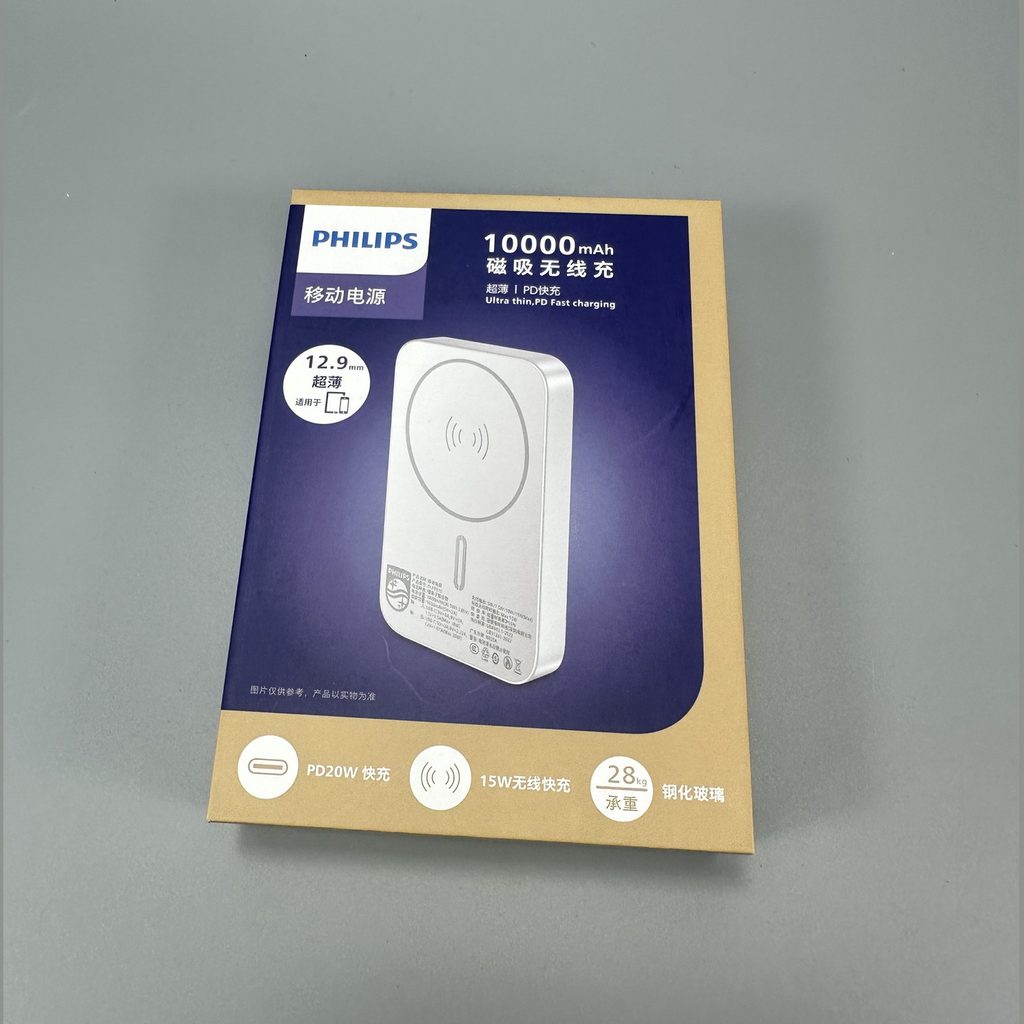
1. Define Your Custom Packaging Acceptance Criteria
Start before production. Without written requirements, “acceptable quality” becomes a matter of opinion.
Prepare an inspection file containing:
– Approved structural drawing and artwork version.
– Signed physical sample representing the agreed construction and finish.
– Paper type, board thickness, and material specifications.
– Internal and external dimensions with tolerances.
– Printing, coating, foil, embossing, and insert requirements.
– Quantity, carton markings, and packing instructions.
– Defect classifications and sampling rules.
Specify whether dimensions describe the assembled box’s inside or outside. A box can match its external measurements yet provide insufficient internal clearance.
My recommended starting point is simple: identify what could make the packaging unusable, then turn those risks into measurable checks.
2. Use a Sampling Plan for Bulk Packaging Inspection
Checking a few boxes from the nearest carton is convenient, but it does not provide a sound basis for accepting an entire shipment.
Select samples randomly across the lot, covering different cartons and pallet locations. Keep different designs, production lots, and material specifications identifiable rather than treating everything as one uniform batch.
Understand What AQL Does—and Does Not—Mean
An acceptance sampling plan specifies sample sizes and acceptance or rejection criteria. Attribute-based systems, such as ANSI/ASQ Z1.4, support decisions using counts of nonconforming units or nonconformities.
AQL means acceptance quality limit. It is not a guarantee that every accepted shipment contains less than a particular percentage of defects.
Agree on the following before inspection:
1. Lot definition and size.
2. Applicable sampling system and inspection level.
3. Defect categories and selected AQL values.
4. Sample size and acceptance/rejection numbers.
5. Separate procedures for destructive tests.
Do not invent a universal sample quantity. Sampling involves risk, and the plan must suit the product and purchasing agreement.
3. Inspect Materials, Dimensions, and Construction
Use a ruler, caliper, approved sample, and actual product. Record measurements instead of relying on “looks close.”
| Inspection area | What to check | Potential problem |
|---|---|---|
| Paper and board | Specified material, thickness, surface condition | Substitution or inconsistent stiffness |
| Dimensions | Internal clearance and external size | Poor fit or packing-line incompatibility |
| Creases and folds | Alignment, cracking, folding behavior | Difficult assembly or visible damage |
| Glued joints | Placement, adhesion, cleanliness | Separation or glue contamination |
| Rigid-box wrapping | Corners, edges, bubbles, exposed board | Uneven premium presentation |
| Inserts | Position, retention, removal clearance | Product movement or difficult unpacking |
Paper grammage and board thickness are different measurements. One should not automatically substitute for the other.
Assemble sampled folding cartons. Open and close rigid boxes. For magnetic closures, check alignment and reliable engagement using a repeatable procedure agreed for the order.
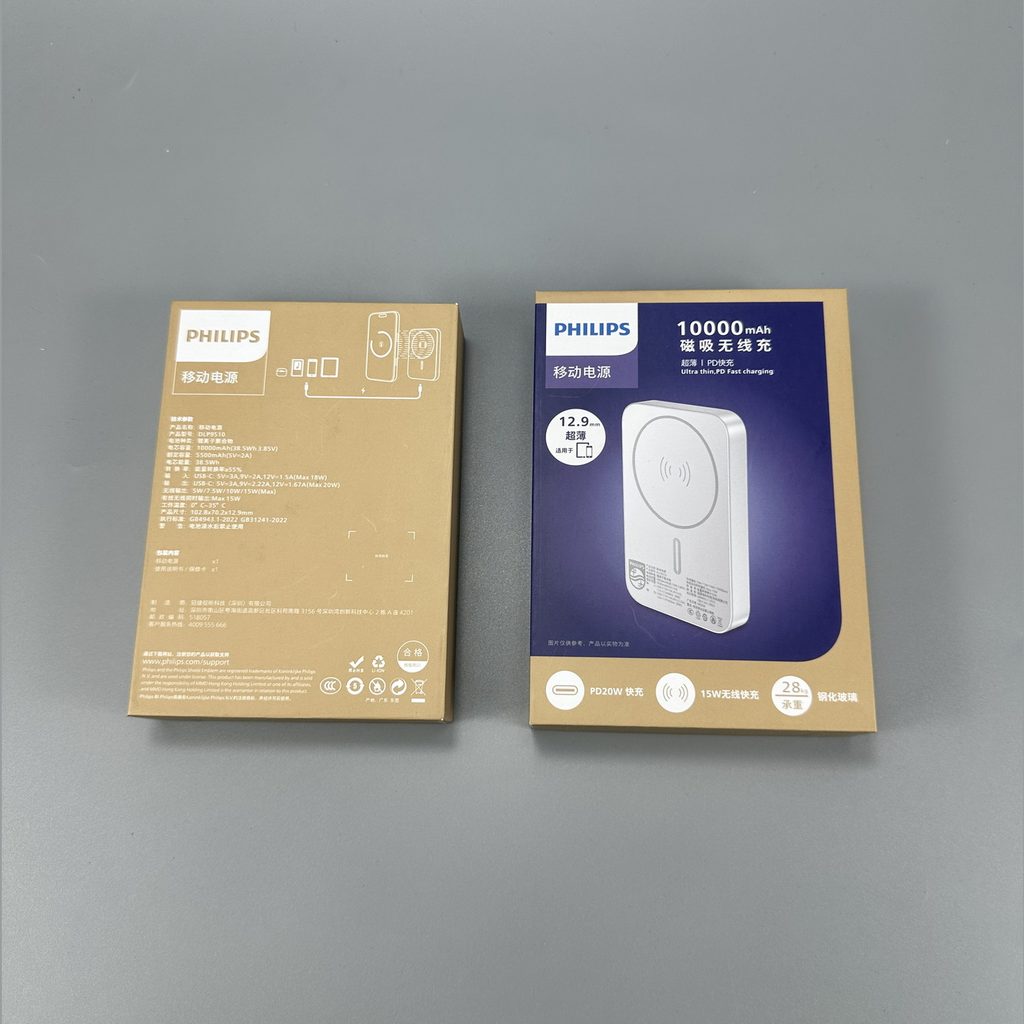
4. Check Printing, Color, and Decorative Finishes
Compare production boxes with the approved physical reference under consistent lighting. A phone photograph or monitor image should not be the sole color acceptance standard.
Inspect:
– Spelling, product names, and artwork revisions.
– Print sharpness, registration, and missing elements.
– Scratches, ink transfer, and uneven coverage.
– Foil alignment, missing foil, and unwanted transfer.
– Embossing position and definition.
– Lamination bubbles, lifting, or surface damage.
Measure Important Brand Colors Objectively
For color-critical custom packaging boxes, request spectrophotometer measurements alongside visual review. These instruments help compare production colors with defined targets.
Agree on the color-difference formula, measurement conditions, locations, and tolerance before production. There is no single Delta E limit that automatically suits every substrate, finish, and brand requirement.
Check consistency between sampled boxes as well as agreement with the reference.
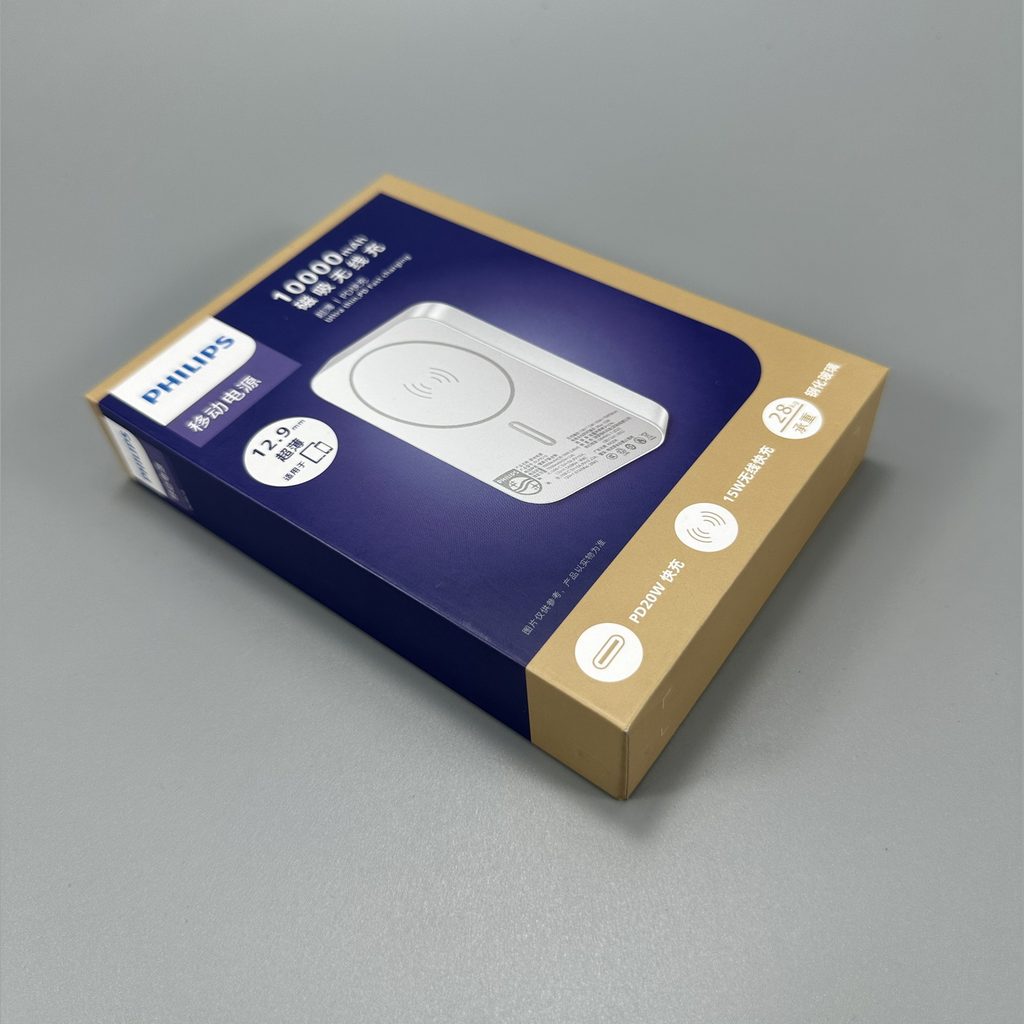
5. Test Product Fit and Shipping Protection Separately
A packaging box can look excellent and still fail its intended job.
Place the actual product, accessories, and inserts inside. Check that:
– The product enters without excessive force.
– The insert holds it in the intended position.
– The lid closes without bulging.
– Removal does not damage the product or packaging.
– Assembly works at the expected packing speed.
Do Not Confuse a Retail Box with a Shipping System
A decorative rigid box may require an outer shipping carton and cushioning.
Evaluate transport protection using the complete packed product, not an empty presentation box. Select testing appropriate to the distribution route.
For example, ISTA Procedure 3A addresses individual packaged products shipped through parcel delivery systems, up to 70 kilograms or 150 pounds. It is not a universal test for every palletized or freight shipment.
A casual warehouse drop check should not be presented as equivalent to a defined laboratory test.
6. Classify Defects Before Making an Acceptance Decision
Set defect categories around consequences rather than appearance alone.
| Category | Illustrative example | Recommended response |
|---|---|---|
| Critical | A sharp foreign object presenting a safety hazard | Hold affected stock and investigate immediately |
| Major | Incorrect artwork, failed closure, unusable product fit | Apply agreed rejection criteria |
| Minor | Small cosmetic variation within an agreed location and limit | Evaluate against documented appearance criteria |
These examples are guidance, not universal classifications.
A misplaced logo may be commercially unacceptable for a luxury launch. A comparable cosmetic mark on concealed transport packaging may have little practical impact. Define those distinctions before the shipment arrives.
7. Create an Evidence-Based Acceptance Record
Photograph defects with a scale reference and record the carton, pallet, lot, and sample identification.
Your report should include:
– Order number and specification revision.
– Quantity presented and quantity inspected.
– Sampling plan and inspection conditions.
– Measurements and test results.
– Defect counts by category.
– Final disposition and responsible approver.
Use clear outcomes: accept, hold pending investigation, reject, or accept under a specifically approved concession.
Separate Delivery Receipt from Quality Acceptance
Where your contract and receiving procedures allow, acknowledge physical receipt without prematurely approving product quality. Record visible transport damage promptly and preserve supporting evidence.
For failed lots, agree on sorting, rework, replacement, and reinspection in writing. Avoid repeatedly drawing fresh samples simply to obtain a passing result.
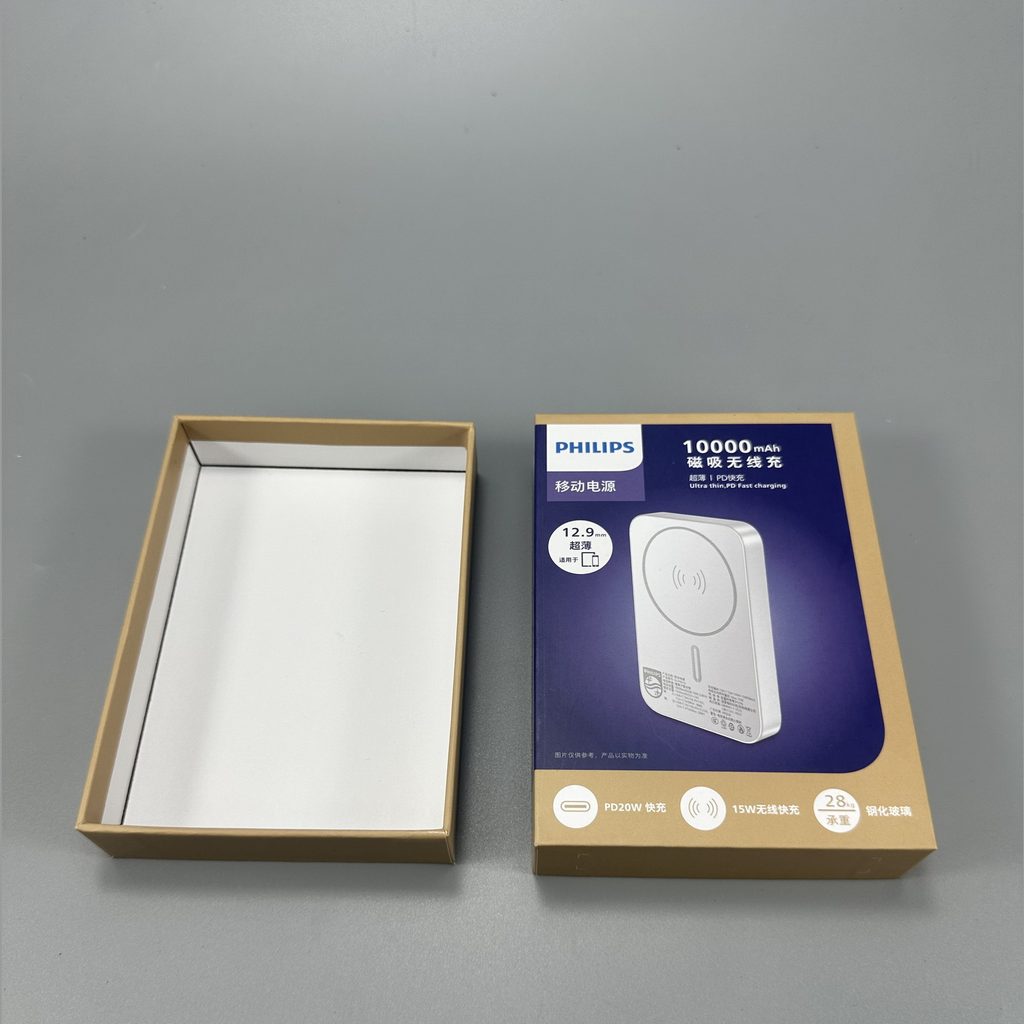
Plan Your Inspection Before Placing Your Order
Contact Bonito Packaging with your product dimensions, artwork, finishing requirements, and shipping method. Ask to define the approval sample, measurable tolerances, and inspection checklist before bulk production—so your acceptance decision rests on agreed evidence.
Perguntas frequentes
1. Should I inspect custom packaging before shipment or after delivery?
Ideally, inspect before shipment and perform receiving checks afterward. Pre-shipment inspection supports correction before dispatch; receiving checks identify damage or discrepancies discovered upon arrival.
2. How many boxes should I inspect from a bulk order?
Use the sample size specified by the agreed sampling plan. Lot size, inspection level, quality limits, and product risk influence the decision.
3. Can I approve packaging from photographs alone?
Photographs help document appearance, but they cannot adequately verify dimensions, adhesion, product fit, or material properties.
4. What should I do when box colors differ from the sample?
Compare under controlled conditions, review the approved reference, and check agreed instrument measurements where applicable. Document the difference before accepting or rejecting the lot.
5. Should every small cosmetic defect cause rejection?
Not necessarily. Evaluate its severity, location, frequency, and effect against the written acceptance criteria.
References
1. American Society for Quality. “ASQ/ANSI Quality Standards Z1.4 & Z1.9.” Acceptance sampling systems, inspection plans, and switching rules. [asq]
2. American Society for Quality. “Attribute & Variable Sampling Plans and Inspection Procedures.” Sampling methods and acceptance criteria. [asq]
3. American Society for Quality. “Quality Glossary: Letter A.” Definitions of acceptance sampling, acceptance number, and acceptance quality limit. [asq]
4. X-Rite. “Color & Density Tools for Print and Packaging.” Instrument-based measurement of process and spot colors. [xrite]
5. International Safe Transit Association. “Test Procedures.” Distribution-specific packaging performance tests and Procedure 3A scope. [ista]
6. International Safe Transit Association. “3A Overview.” Packaged-product testing scope, sample considerations, and transport simulation. [ista]
 English
 Spanish
 French
 German
 Russian
 Japanese
 Portuguese
 Arabic