
Choosing between a caixa de correio vs caixa de remessa is not simply a packaging-cost decision. It affects product protection, fulfillment speed, shipping efficiency, brand perception, unboxing satisfaction, and the likelihood of costly damage or returns.
For e-commerce brands, the right option depends on what you sell, how far it travels, how customers experience the product, and how consistently your fulfillment team needs to pack orders. As a manufacturer of custom corrugated packaging, Embalagem de Bonito sees a common pattern: brands often focus on the unit price of a box, while the more important figure is the total delivered cost—including labor, void fill, dimensional weight, damage risk, and customer experience.
A custom mailer box is usually the better choice for lightweight, compact, presentation-led orders. A corrugated shipping box is normally the safer and more scalable choice for heavier, fragile, bulky, or multi-item shipments. The most effective e-commerce packaging strategy often uses both formats for different SKU groups rather than forcing every order into one box style.
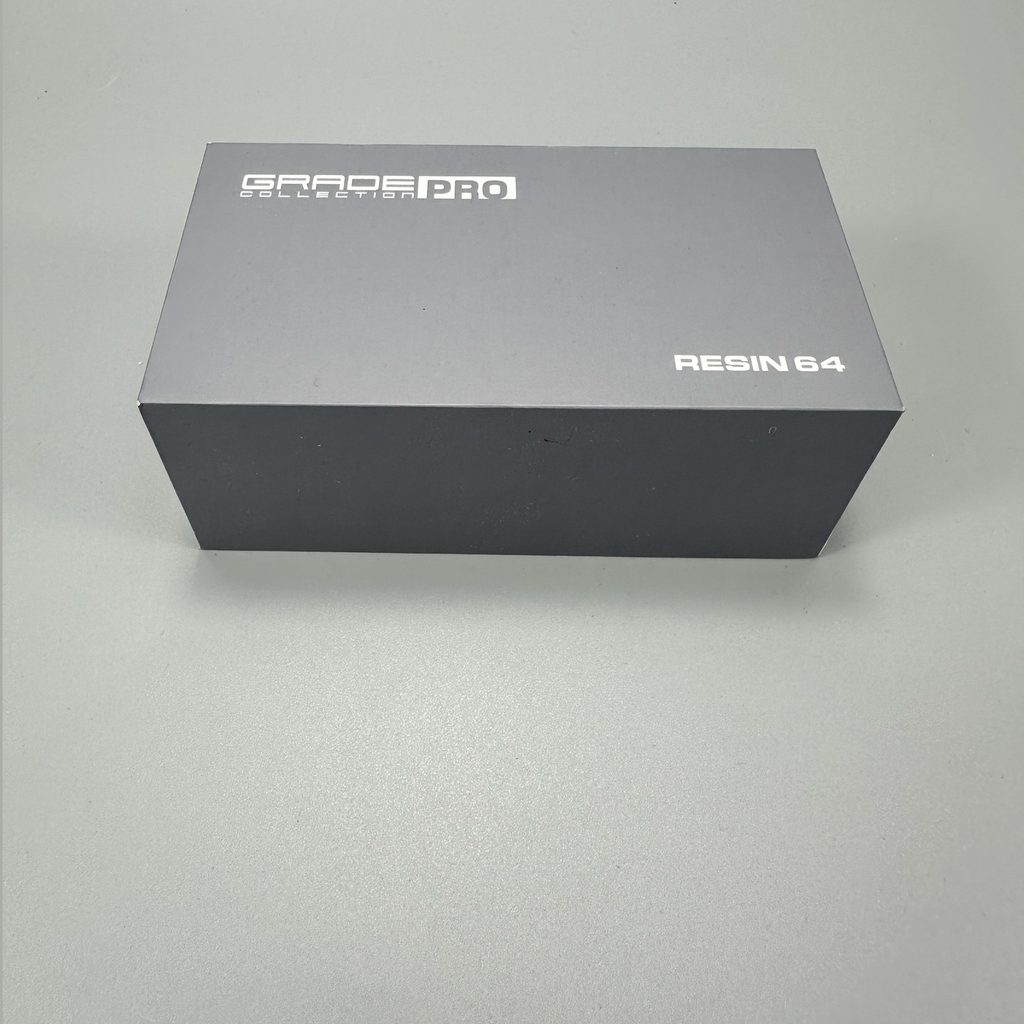
O que é uma Mailer Box?
A caixa de correio is typically a self-locking corrugated box designed for direct-to-consumer delivery. It usually features a hinged lid, locking tabs, and an integrated front panel. Because the structure locks into place, it often requires little or no tape for standard shipments.
Custom mailer boxes are popular for:
– Subscription boxes
– Beauty and skincare kits
– Apparel and accessories
– Small electronics
– Books and stationery
– Gift sets
– Product samples
– Influencer mailers
– Lightweight curated bundles
The major advantage of a mailer box is that it combines outer shipping protection and product presentation in a single format. A customer can receive the package, open the lid, and immediately see branded printing, tissue paper, inserts, or neatly arranged products.
This makes the mailer box especially useful for brands that consider unboxing part of their acquisition and retention strategy. A strong opening experience can make a shipment feel intentional rather than purely transactional.
However, not every shipment should use a mailer. A self-locking mailer is not automatically the best solution for products that are dense, fragile, unusually shaped, or exposed to long-distance logistics with repeated stacking and handling.
O que é uma caixa de remessa?
A caixa de remessa, often called a corrugated shipper or regular slotted carton, is primarily engineered to protect products through the distribution cycle. The common RSC-style format uses top and bottom flaps that are folded and sealed with tape.
Compared with a typical mailer, a shipping box offers more structural flexibility. It can be designed in a wider range of board grades, flute profiles, dimensions, and strength specifications. It also provides more space for protective inserts, cushioning, dividers, and void fill.
Shipping boxes are commonly used for:
– Heavy products
– Fragile glassware or ceramics
– Electronics
– Multiple-item orders
– Large home goods
– Industrial parts
– B2B shipments
– Wholesale orders
– Replenishment packaging
– International e-commerce deliveries
A shipping box may appear less “gift-like” than a premium mailer, but it is the backbone of high-volume logistics. For brands selling products that require strength, stable stacking, or flexible interior protection, a properly engineered corrugated shipping box is often the more responsible packaging choice. Shipping boxes are generally preferred for heavier, delicate, or multi-item orders because they offer more flexibility for protective materials and structural reinforcement.
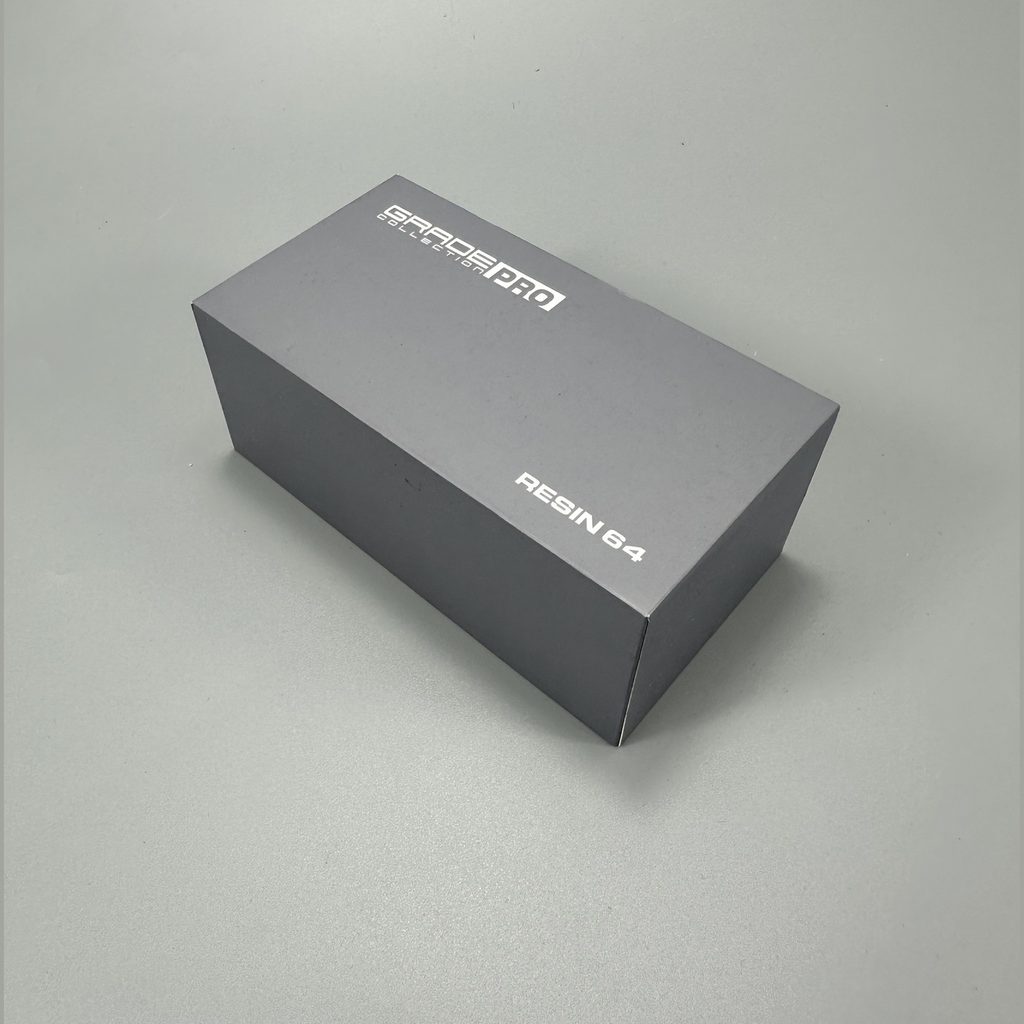
Mailer Box vs Shipping Box: Core Differences
The following comparison helps e-commerce decision-makers understand where each box type performs best.
| Recurso | Caixa de correio | Caixa de remessa |
|---|---|---|
| Primary purpose | Presentation and lightweight DTC delivery | Protection, logistics, and fulfillment efficiency |
| Typical structure | Self-locking lid and tabs | Flaps sealed with tape |
| Best for | Small, lightweight, curated products | Heavy, fragile, bulky, or multi-item orders |
| Unboxing experience | Strong and premium | Functional, but can be enhanced |
| Montagem | Usually fast and tape-free | Requires folding and usually tape |
| Protective capacity | Moderate, depending on board grade | High, especially with inserts and cushioning |
| Interior flexibility | More limited | High capacity for dividers, pads, and void fill |
| Warehouse scalability | Good for standardized kits | Excellent for varied order sizes and volumes |
| Branding opportunities | Strong inside-and-out print potential | Strong exterior branding; interior print can be added |
| Common risk | Insufficient protection for dense or fragile goods | Oversized packaging and unnecessary shipping cost |
The key point is simple: a mailer box is not merely a smaller shipping box, and a shipping box is not necessarily a less premium mailer. They are different packaging systems designed around different priorities.
Product Protection: The Most Important Decision Factor
When comparing a mailer box vs shipping box, start with the physical risk profile of your product.
Ask these questions before choosing a structure:
1. Is the product fragile, compressible, sharp-edged, or breakable?
2. Does it have enough weight to stress locking tabs or sidewalls?
3. Could the item move inside the package during transit?
4. Will the order be stacked under other cartons?
5. Is the shipment traveling internationally or through multiple handling points?
6. Does the order contain several separate products?
7. Does the product need a molded insert, divider, or protective padding?
If the answer to several of these questions is “yes,” a corrugated shipping box is usually the more appropriate solution.
A mailer box can still provide reliable protection when it is properly designed. The right board grade, flute type, box dimensions, and insert system can significantly improve performance. But no amount of beautiful printing can compensate for a structure that is too weak for the product’s real shipping conditions.
For example, a skincare brand shipping one lightweight bottle and a small carton may use a premium custom mailer box with a die-cut insert. A cookware brand shipping a cast-iron pan should generally use a stronger shipping box with reinforced corrugated board and internal protection.
Expert insight: Do not choose packaging based only on product dimensions. Choose it based on the product’s shipping behavior: weight distribution, fragility, surface sensitivity, stacking exposure, and the likely number of handling events.
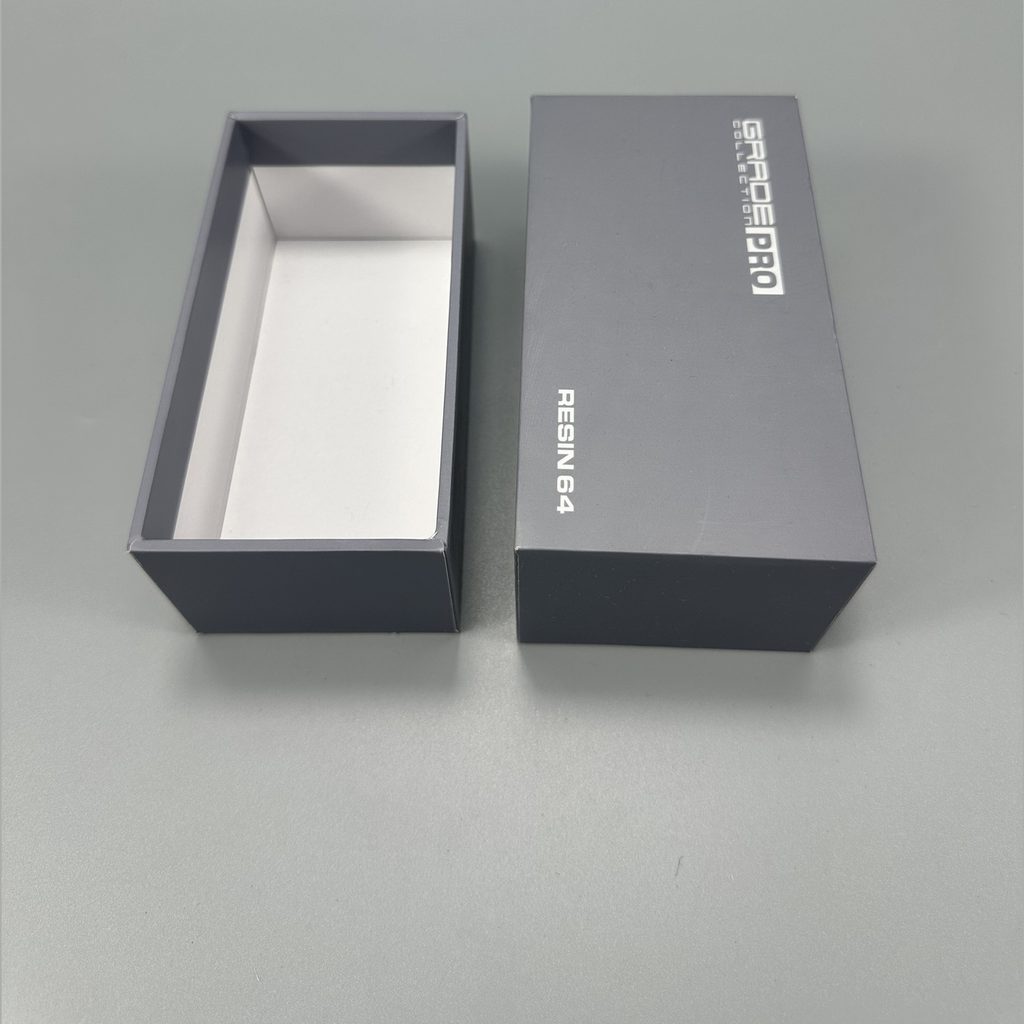
Unboxing Experience and Brand Perception
For modern DTC brands, packaging is often the first physical contact a customer has with the business. That is why mailer boxes have become closely associated with subscription brands, premium gifts, beauty products, and online launches.
A custom mailer can turn delivery into a brand moment through:
– Full-color exterior printing
– Interior lid messages
– Branded tissue paper
– Product inserts
– QR codes for tutorials or loyalty programs
– Thank-you cards
– Reorder incentives
– Personalized campaign messaging
– Seasonal artwork
Consumers still value a premium unboxing experience, while packaging sustainability has become a more important purchase-related consideration in recent survey reporting.
That does not mean a shipping box must look generic. A well-designed shipping box can still create a professional experience through right-sized dimensions, clean print, branded paper tape, a custom insert, and an organized interior layout.
The difference is that the mailer box is often designed to be opened and admired, while the shipping box is primarily designed to be handled and trusted.
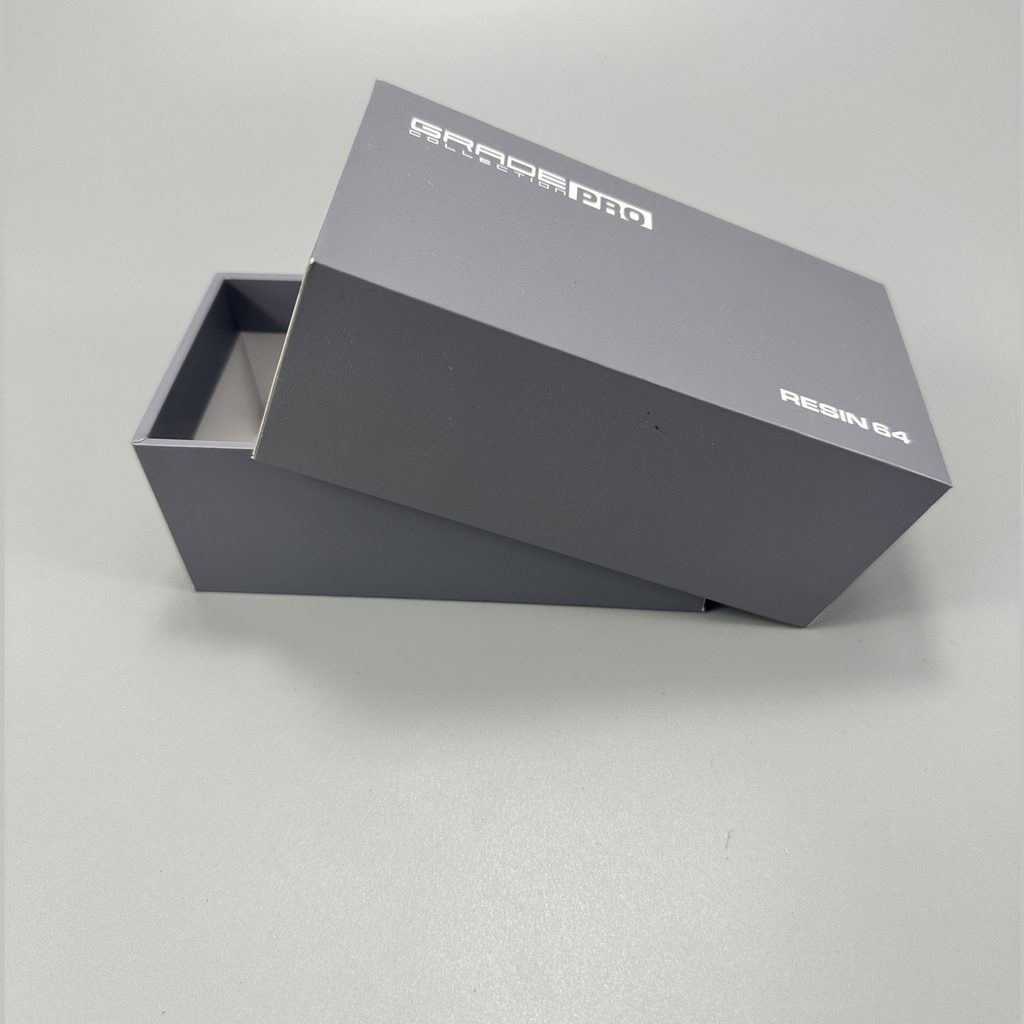
Shipping Cost, Dimensional Weight, and Storage
The lowest-priced box is not always the lowest-cost packaging solution.
E-commerce businesses should evaluate at least five cost areas:
– Box unit cost
– Packing labor
– Tape and consumables
– Void-fill and inserts
– Shipping charges, especially dimensional weight
A compact mailer box can reduce shipping cost when a product is lightweight and fits tightly inside. It may also speed up fulfillment because the packer can assemble the box quickly without measuring, cutting, or adding excessive void fill.
However, a small box becomes expensive when it creates avoidable product damage. One replacement shipment, customer service claim, or negative review can erase the apparent savings from selecting a lighter packaging format.
A shipping box can use more corrugated material, but it may lower total cost when it reduces breakage, enables efficient packing of multiple SKUs, or prevents excessive return shipments.
Use the Total Delivered Cost Formula
A practical decision formula is:
Total Delivered Cost=Packaging Cost+Labor Cost+Freight Cost+Damage/Return Cost+Customer Experience Cost
The final category is harder to measure, but it matters. A poor unboxing experience can reduce repeat purchases. A damaged product can damage trust immediately.
Sustainable Packaging Considerations
Sustainability should not be reduced to a single question: “Does this box use less material?”
The better question is: Does this packaging protect the product with the least necessary material, while supporting reuse, recycling, and responsible sourcing?
Both mailer boxes and shipping boxes can be made from corrugated paperboard and designed for curbside recyclability where local systems accept corrugated fiber. Both can also be made with recycled content or responsibly sourced fiber, depending on the material program and supplier credentials.
The Forest Stewardship Council notes that its recycled label applies to products containing 100% reclaimed material, while FSC certification and logo use require appropriate licensing and supply-chain controls.
For e-commerce brands, practical sustainability steps include:
– Right-size every package to reduce empty space.
– Avoid unnecessary mixed-material components.
– Use paper-based cushioning when suitable.
– Design inserts to be removable and recyclable.
– Use water-based inks where compatible with the print process.
– Avoid oversized boxes that increase dimensional weight.
– Validate sustainability claims before placing them on packaging.
– Consider FSC-certified options when certification and labeling requirements are met.
A stronger shipping box may use more material than a mailer, but it can be the more sustainable choice if it prevents repeated replacements, product waste, and additional freight.
How to Choose the Right Box
Use this decision framework before ordering custom packaging.
Choose a Mailer Box When:
– Your product is lightweight and compact.
– Your shipment contains one item or a curated kit.
– The product does not need extensive cushioning.
– You want a premium, retail-ready unboxing experience.
– You need fast, tape-free packing.
– Your brand relies on influencer seeding, gifting, or subscription delivery.
– Your products are consistent in size and shape.
Choose a Shipping Box When:
– Your product is heavy, fragile, bulky, or irregularly shaped.
– Your shipment contains multiple SKUs.
– You need dividers, foam alternatives, pads, or void fill.
– You ship internationally or expect extended handling.
– You need stronger stacking performance.
– You fulfill a wide range of order sizes.
– Product safety matters more than presentation alone.
Consider a Hybrid Strategy When:
Many successful brands use both formats.
For instance, a premium candle brand may ship a single small candle in a custom mailer box with a protective insert. For a three-candle bundle, gift set, wholesale order, or fragile glass vessel, the same brand may switch to a corrugated shipping box with internal dividers.
This hybrid approach lets the business protect each order appropriately without using an oversized box for every shipment.
Expert Checklist Before Production
Before approving a custom mailer box or shipping box, request a packaging review based on real operational requirements.
A strong packaging brief should include:
– Product dimensions, weight, and fragility
– Number of SKUs per order
– Shipping destinations and carrier conditions
– Desired unboxing experience
– Required print areas and branding elements
– Target order volume
– Warehouse assembly process
– Internal protection requirements
– Sustainability goals
– Budget target and total cost priorities
At Bonito Packaging, our recommendation is to prototype around the product—not around a generic box size. A properly engineered corrugated solution should fit the product, protect it through transit, reflect the brand, and remain practical for daily fulfillment.
Final Recommendation
The best choice in the caixa de correio vs caixa de remessa debate depends on your product risk and customer experience goals.
Choose a custom mailer box when presentation, light weight, compact size, and branded unboxing are central to your DTC strategy. Choose a corrugated shipping box when product protection, multi-item flexibility, stacking strength, and fulfillment scalability are the priority.
If your brand ships multiple product types, do not force one packaging format across your full catalog. Build a practical packaging system: mailer boxes for presentation-led shipments and shipping boxes for protection-led orders.
Ready to select the right custom corrugated packaging for your e-commerce products? Contact Bonito Packaging for a tailored mailer box or shipping box recommendation based on your product dimensions, weight, shipping route, branding needs, and fulfillment workflow.
PERGUNTAS FREQUENTES
1. What is the main difference between a mailer box and a shipping box?
A mailer box is usually a self-locking corrugated package designed for lightweight products and premium unboxing. A shipping box is generally built for protection, heavier loads, flexible packing, and logistics efficiency.
2. Are mailer boxes strong enough for shipping?
Yes, mailer boxes can be suitable for shipping lightweight and moderately durable products. However, fragile, heavy, or multi-item orders often need a stronger corrugated shipping box, plus inserts or cushioning.
3. Are custom mailer boxes more expensive than shipping boxes?
Not always. Mailer boxes may cost more per unit because of their die-cut structure and presentation-focused printing. However, they can reduce tape use, packing time, and unnecessary void fill. The best comparison is total delivered cost, not box price alone.
4. Which box is better for subscription products?
Custom mailer boxes are often ideal for subscription products because they create a polished unboxing experience and can hold curated product assortments. If the subscription contains heavy or fragile goods, a reinforced shipping box may be better.
5. Can shipping boxes still look premium?
Yes. Shipping boxes can be upgraded with custom printing, branded tape, interior inserts, tissue paper, QR codes, and thoughtful product arrangement. Their primary advantage remains protection, but they can still represent a premium brand.
6. What corrugated box should I use for fragile products?
Use a corrugated shipping box designed around the product’s weight, fragility, and transit conditions. Add the appropriate internal protection, such as corrugated dividers, die-cut inserts, paper cushioning, or custom-fit trays.
7. Is a mailer box more sustainable than a shipping box?
Neither format is automatically more sustainable. A right-sized mailer can reduce material and dimensional weight for lightweight products. A stronger shipping box can be the better option when it prevents product damage, replacement shipments, and waste.
References
1. EcoEnclose. “How to Choose Between a Mailer and a Shipping Box.” [Read the guide]
2. Pacific Box. “Ecommerce Packaging Boxes: How to Choose Between Mailer Boxes and Shipping Boxes.” [Read the guide]
3. UPrinting. “Mailer vs. Shipping vs. Product Box.” [Read the article]
4. Packaging Dive. “Consumers Increasingly Prioritize Sustainability for E-commerce Packaging.” [Read the report]
5. Forest Stewardship Council. “Paper & Packaging.” [Visit FSC]
6. Macfarlane Packaging. “The Unboxing Survey 2025 Results.” [Read the survey]
7. NWP Paper Box. “Mailer vs Shipping Box: A Practical Guide for DTC Brands.” [Read the guide]
Hot Tags: Mailer Box, Shipping Box, Manufacturers, Customized, Custom, Suppliers, Buy, Cheap, Quality, Advanced, Durable, in Stock, Made in China, Price, Quotation, Free Sample
 English
  Spanish
  French
  German
  Russian
  Japanese
  Portuguese
  Arabic