
Designing packaging for a new product is not only a visual exercise. It is a commercial decision that affects product protection, manufacturing cost, shipping efficiency, brand perception, retail performance, and the customer’s unboxing experience.
For growing brands, effective индивидуальная упаковка design should balance three priorities: protect the product, communicate the brand clearly, and create a memorable experience without making production or logistics unnecessarily expensive. At Bonito Packaging, we approach custom paper packaging as a complete system—not simply a printed box.
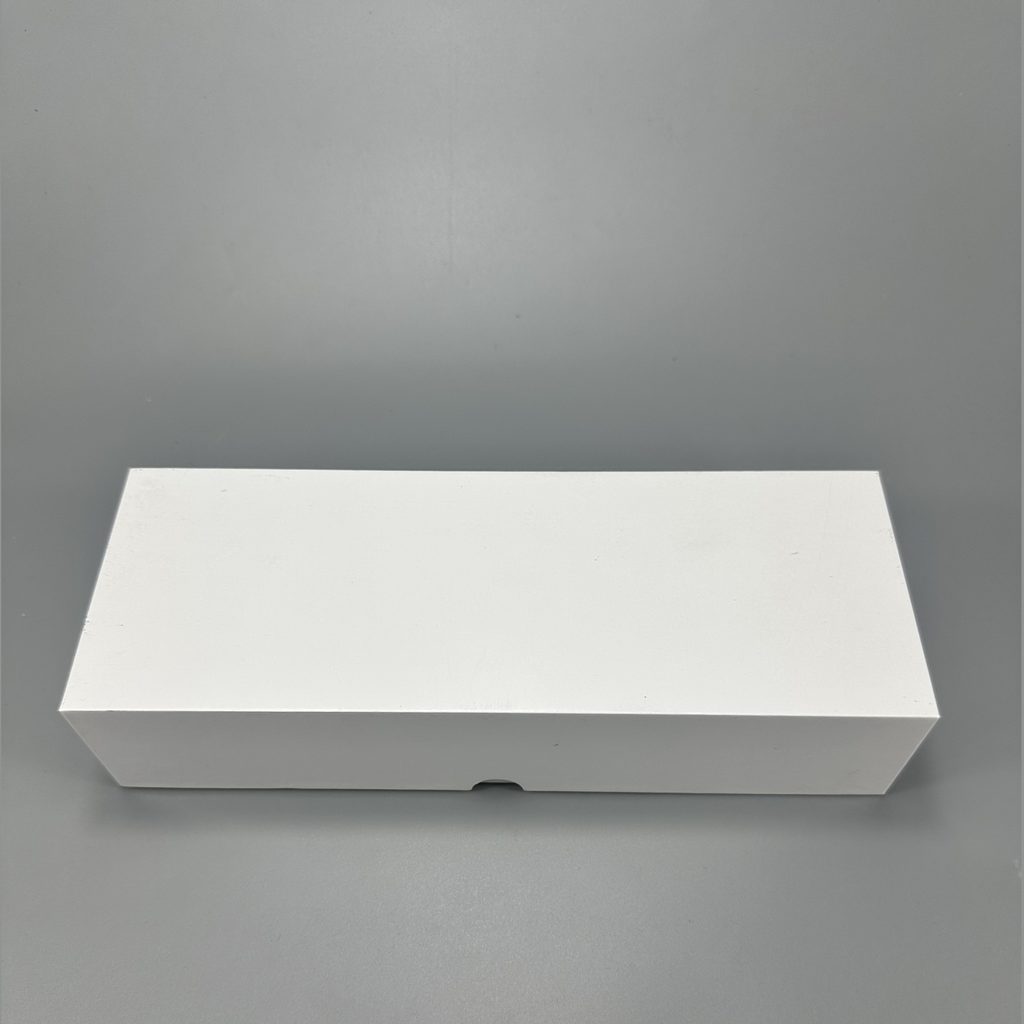
Start With a Packaging Strategy Before Creating Artwork
One common mistake in new product packaging design is starting with colors, logos, and graphics before defining the packaging’s job. A beautiful box can still fail if it is difficult to open, too large for shipping, unsuitable for the product, or unclear at the point of purchase.
Before selecting a custom box style, answer these questions:
1. What needs to be protected during storage, handling, and delivery?
2. Will the product be sold in retail stores, through e-commerce, or through both channels?
3. Who is the target customer, and what level of quality do they expect?
4. What information must appear on the packaging?
5. What should customers feel when they receive and open the product?
6. What packaging cost can the product margin support?
7. Can the packaging be recycled, reused, or made with responsibly sourced paper materials?
Your packaging strategy should connect brand positioning with operational reality. For example, a premium skincare brand may require a rigid box with a custom insert and soft-touch lamination. A subscription business may prioritize lightweight folding cartons and mailer boxes that reduce dimensional shipping cost. A fragile electronics brand may need corrugated packaging with molded pulp or paperboard inserts.
Packaging is part of the product experience. Customers often see, touch, photograph, open, and dispose of the packaging before they fully use the product itself.
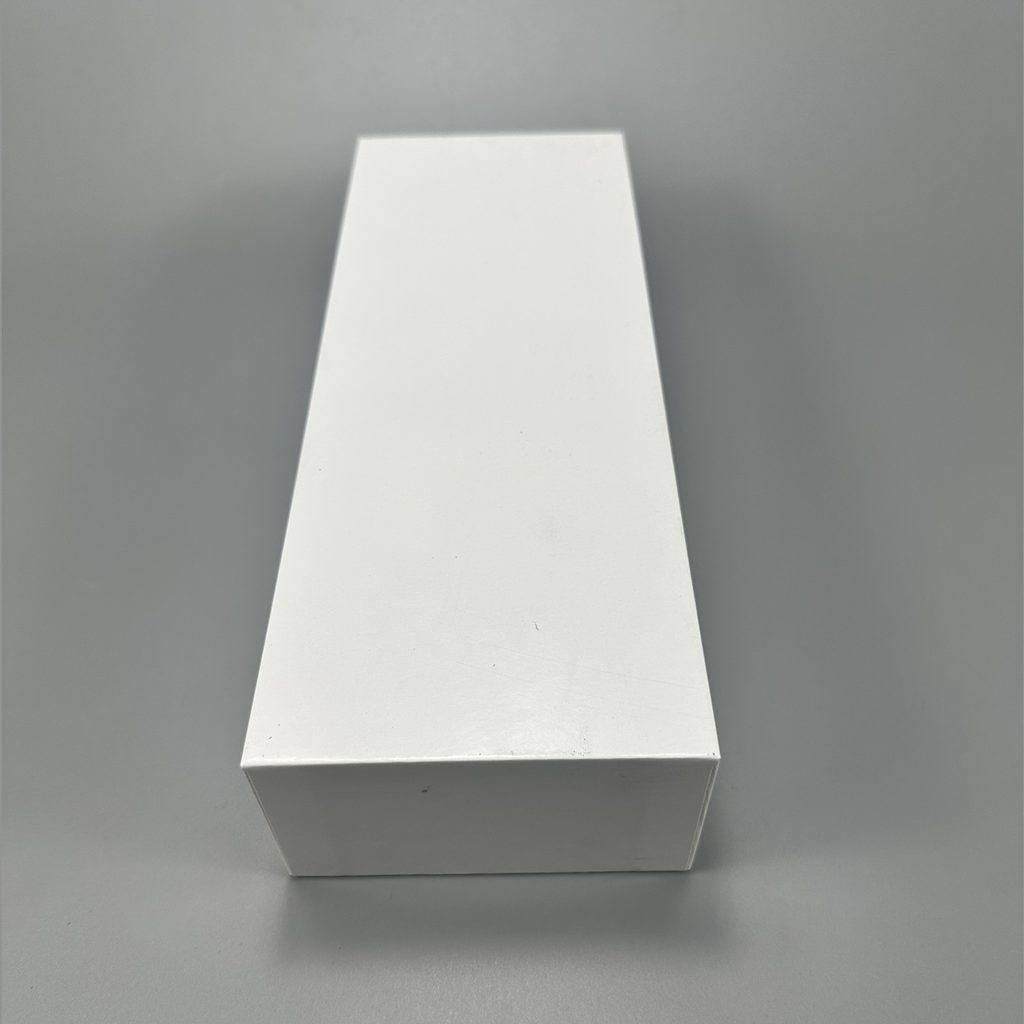
Choose the Right Custom Packaging Type
The right packaging format depends on the product’s dimensions, fragility, weight, sales channel, and perceived value. A packaging manufacturer should help you compare options before you commit to mass production.
| Тип упаковки | Лучшее для | Main Advantages | Key Considerations |
|---|---|---|---|
| Складные картонные коробки | Cosmetics, supplements, apparel, food, small retail products | Lightweight, printable, versatile, cost-efficient | May need inserts or outer shipping protection |
| Жесткие коробки | Jewelry, luxury cosmetics, gifts, electronics | Premium appearance, strong structure, high perceived value | Higher material, labor, and freight cost |
| Гофрированные коробки | E-commerce, heavy products, fragile items | Protective, recyclable, shipping-friendly | Artwork and finishes less refined than rigid boxes |
| Paper tubes | Candles, tea, cosmetics, apparel accessories | Distinctive shape, premium presentation, reusable | Requires precise product sizing and structural planning |
| Custom inserts | Bottles, electronics, gift sets, multi-piece kits | Controls movement and improves presentation | Must be engineered for exact product dimensions |
Understand the Three Layers of Packaging
Successful product packaging often includes more than one box. Thinking in layers helps avoid damage, poor presentation, and unnecessary material use.
Primary packaging directly contains or touches the product. This may include a carton, wrapper, tray, paper tube, or food-contact structure.
Secondary packaging groups or presents the product. This may include a branded gift box, sleeve, insert, divider, or retail display carton.
Transit packaging protects products during shipping and warehouse handling. Corrugated mailer boxes, shipping cartons, void-fill paper, and protective inserts usually belong in this layer.
The goal is not to add packaging simply to make an order look more expensive. The goal is to use the correct amount of packaging for the product journey.
For example, a glass candle can sit inside a premium printed folding carton for retail display, then be placed in a corrugated mailer with a die-cut insert for e-commerce fulfillment. This structure protects the candle while preserving a refined unboxing experience.
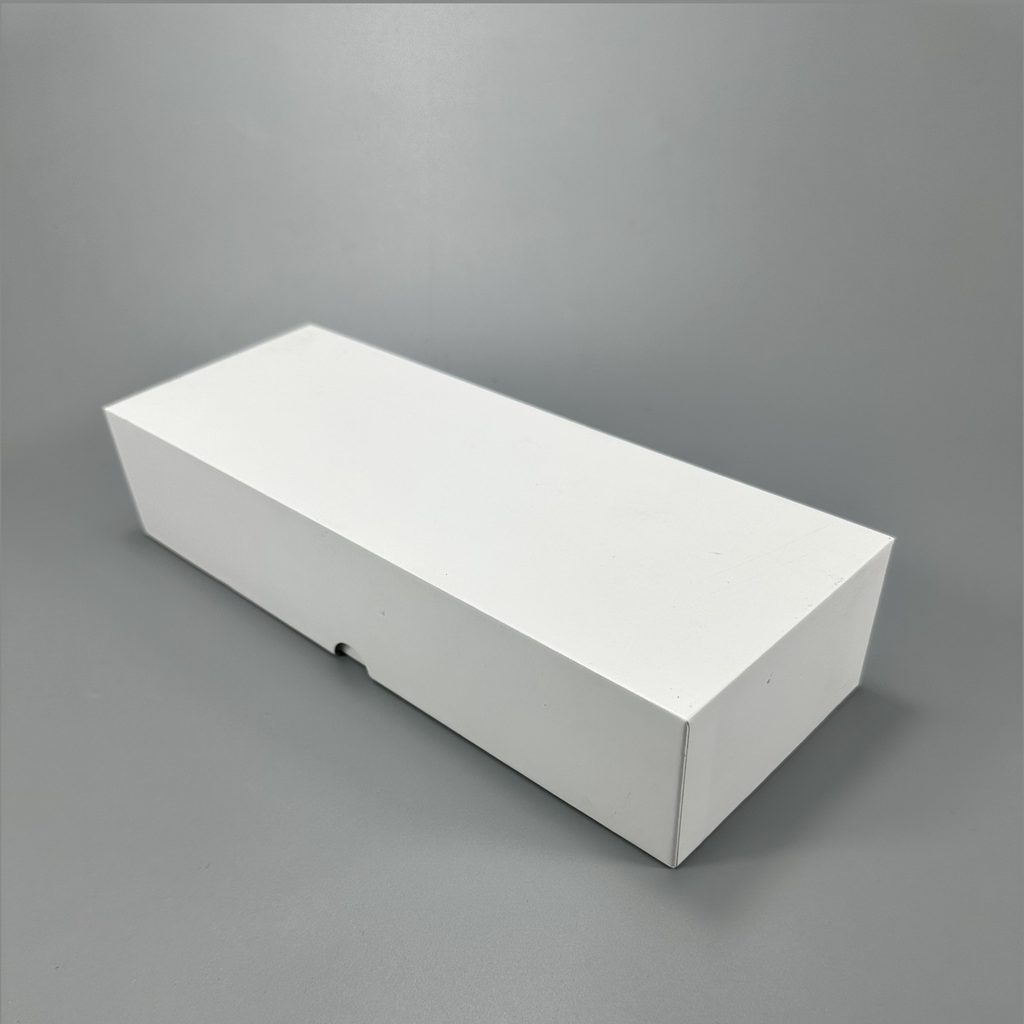
Design Packaging Structure for Protection and Efficiency
Packaging structure is where design meets engineering. Even the best artwork cannot compensate for poor fit, weak materials, unsafe closures, or insufficient internal protection.
When developing a custom packaging box, evaluate these structural elements:
– Product fit: The product should sit securely without excessive empty space.
– Board strength: Paperboard and corrugated grades should match the product weight and shipping environment.
– Opening experience: Customers should understand how to open the package without damaging the product or the box.
– Insert performance: Inserts should prevent movement, reduce impact, and organize multiple components.
– Shipping efficiency: Compact dimensions can reduce storage needs and freight cost.
– Assembly requirements: Complex structures may increase packing time and labor costs.
– Stacking strength: Retail and warehouse packaging should perform under realistic stacking conditions.
A manufacturer should not recommend a packaging structure based only on appearance. It should also consider product dimensions, product weight, packing method, distribution route, and expected handling risks.
Select Paper Packaging Materials Carefully
Paper packaging can support premium branding, recyclability goals, and creative printing. However, material selection should be based on real performance requirements rather than vague sustainability claims.
Common custom paper packaging materials include:
– SBS paperboard: Often used for premium folding cartons because of its smooth printing surface and clean appearance.
– Kraft paperboard: Suitable for natural, organic, handmade, or eco-focused brand positioning.
– Corrugated cardboard: Used for shipping boxes, mailers, displays, and heavier products.
– Greyboard: Commonly used in rigid setup boxes because it provides strong structural support.
– Molded pulp: Useful for protective inserts, especially for electronics, cosmetics, tools, and fragile consumer products.
– Specialty paper: Includes textured paper, metallic paper, colored paper, and coated paper for luxury packaging applications.
Recyclability remains an important consumer consideration in sustainable packaging decisions, but practical design is essential. A box that is difficult to separate because it combines too many materials may create disposal challenges. Recyclability, protection, and product preservation should be evaluated together.
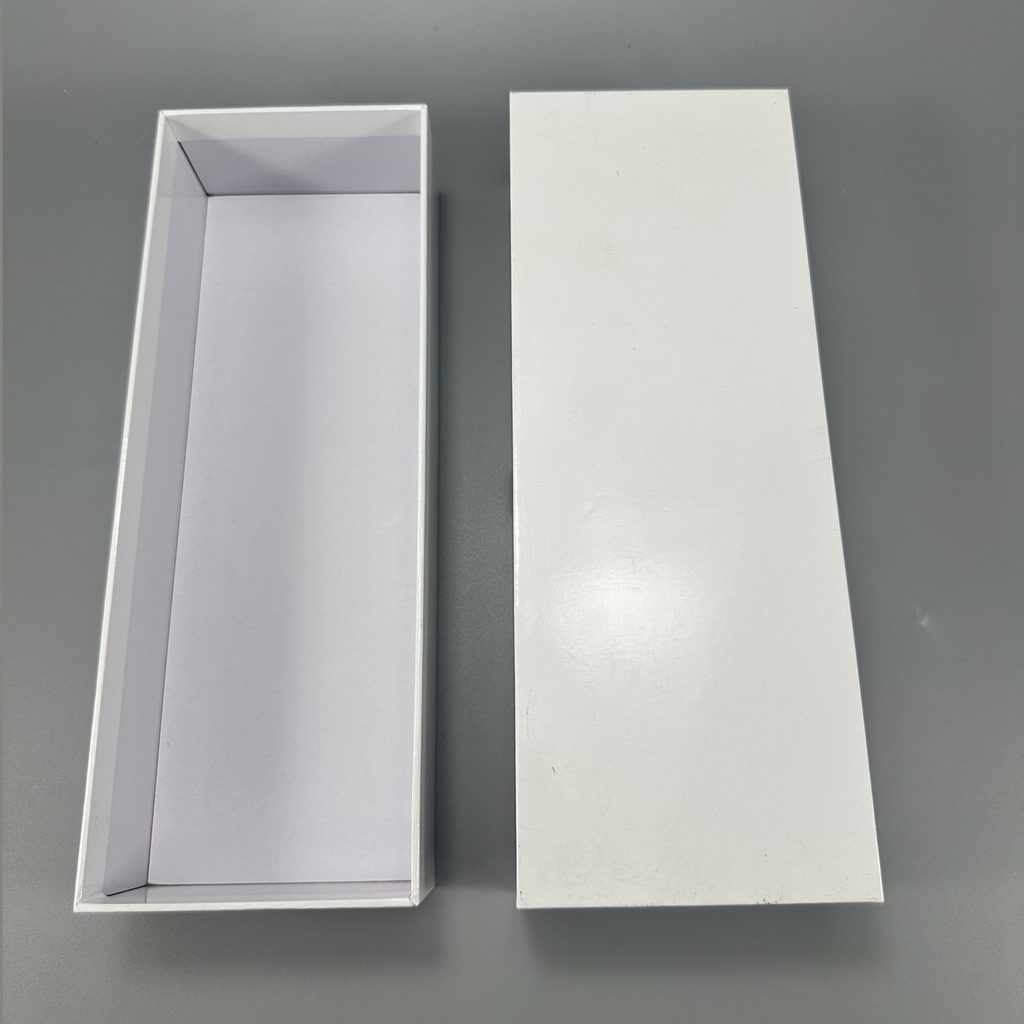
Create Packaging Artwork That Sells and Informs
Packaging artwork should do more than make the box attractive. It should help customers understand the product quickly and confidently.
A clear packaging hierarchy usually includes:
1. Brand name or logo
2. Product name
3. Main product benefit or differentiator
4. Product size, quantity, or essential variation details
5. Required legal or category-specific information
6. Instructions, ingredients, warnings, or care guidance when applicable
7. Barcode, QR code, recycling information, and contact details
The front panel should answer a simple question: What is this product, and why should I choose it?
Avoid overcrowding the primary display area. If every message receives equal visual weight, the customer may understand none of them. Use typography, contrast, color, white space, and clear information hierarchy to direct attention.
For food packaging intended for the U.S. market, package labels may need to include specific information such as a statement of identity, net quantity, ingredient information, nutrition labeling, allergen declarations, and responsible business details, depending on the product and applicable regulations. Brands should verify requirements for their product category and sales market before artwork approval.
Add Premium Finishes With a Purpose
Special finishes can create visual distinction and tactile value, but they should support the brand’s positioning rather than exist only as decoration.
Consider these options:
– Matte lamination for a modern, smooth, understated premium look.
– Gloss lamination for stronger color contrast and visual brightness.
– Soft-touch lamination for a luxurious, velvet-like tactile experience.
– Тиснение фольгой for high-end logos, details, and metallic accents.
– Embossing or debossing for dimensional branding and texture.
– Точечный ультрафиолет for highlighting selected graphics against a matte background.
– Window patching for allowing customers to view the product inside.
– Custom inserts for improving product security and perceived value.
The best finish is the one that reinforces the brand story. A clean wellness brand may benefit from natural kraft board, restrained typography, and subtle embossing. A luxury fragrance brand may need a rigid box, foil stamping, a custom insert, and a carefully engineered opening mechanism.
Prototype, Test, and Improve Before Production
Sampling is one of the most important stages in new product packaging development. It reduces the risk of costly production errors and creates an opportunity to improve the customer experience before large quantities are printed.
A reliable packaging development process should include the following stages:
1. Dieline and structural review
Confirm dimensions, folds, panels, closures, material thickness, and product fit.
2. Digital or blank sample
Test physical assembly, opening, product insertion, and general structure before final printing.
3. Printed prototype
Review color, typography, logo placement, finishes, and artwork alignment.
4. Product-fit test
Confirm that the product, accessories, inserts, and instructions fit correctly.
5. Shipping test
Evaluate package performance under handling, stacking, vibration, and impact conditions.
6. Final pre-production approval
Check barcode readability, legal copy, color accuracy, spelling, and finishing details.
Do not approve packaging based only on a digital mockup. A physical sample can reveal problems that a screen cannot show: weak corners, difficult assembly, inaccurate color, poor opening tabs, visible glue marks, loose inserts, or insufficient clearance around the product.
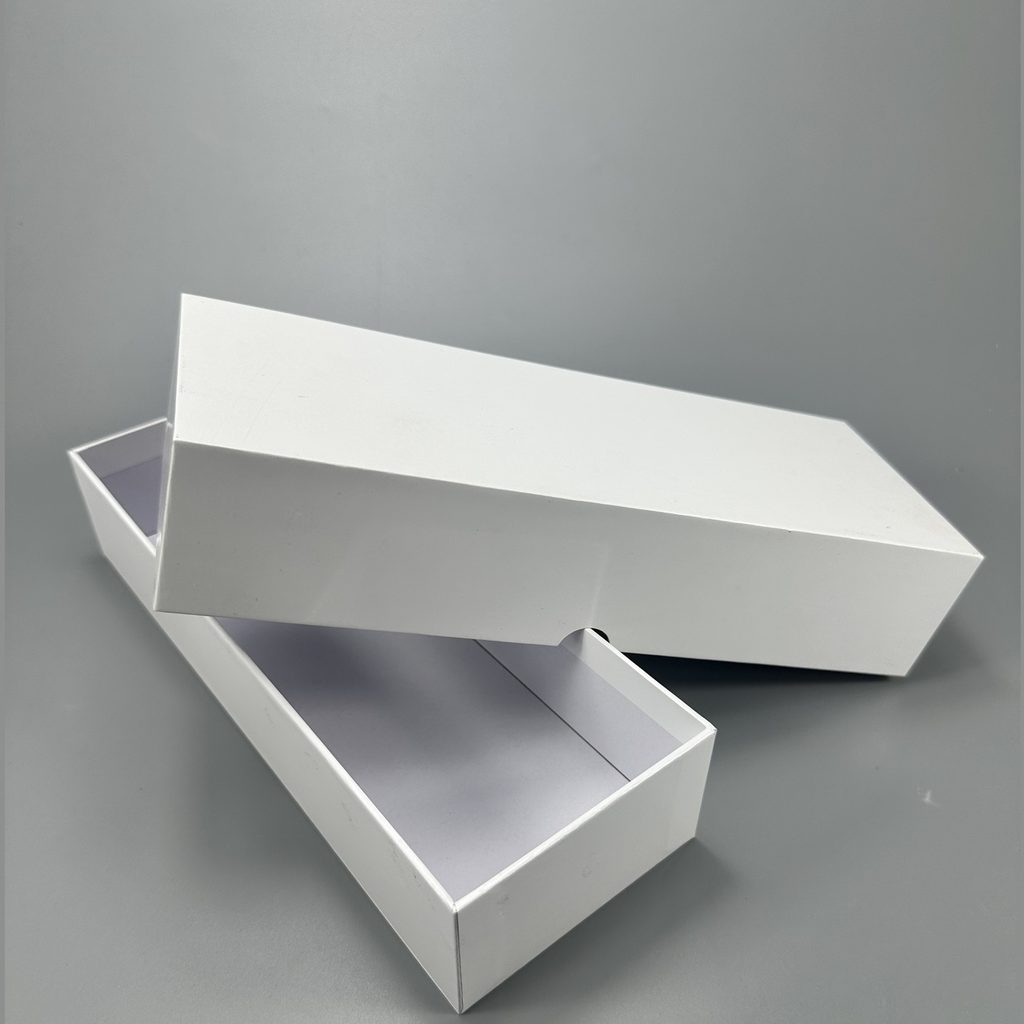
Build a Better Unboxing Experience
An unboxing experience does not require excessive materials. It requires thoughtful sequencing.
The most effective packaging journeys often include simple details:
– A clean and easy-to-open outer shipping box
– A branded message inside the lid
– Protective tissue paper or paper-based void fill
– A secure insert that keeps the product centered
– A thank-you card, product guide, or care instruction card
– A QR code linking to setup instructions, product registration, or reorder options
– A packaging design that feels intentional from the first touch to the final reveal
For e-commerce brands, packaging can be a major customer touchpoint because customers do not have a physical retail shelf experience before purchase. Research on e-commerce purchasing indicates that consumers increasingly consider sustainable packaging when evaluating a brand’s environmental impact, although price, convenience, and product value remain important purchase drivers.
The strongest packaging is not always the most elaborate. It is the packaging that makes the product arrive safely, look credible, feel aligned with the brand, and remain easy for the customer to open and dispose of responsibly.
Work With a Custom Packaging Manufacturer Early
Involving a packaging manufacturer early can prevent avoidable redesigns. A qualified manufacturer can help identify structural limitations, recommend cost-effective materials, optimize box dimensions, and suggest production methods that fit the target quantity and desired quality level.
At Bonito Packaging, we help brands develop индивидуальные упаковочные коробки, folding cartons, rigid boxes, corrugated mailers, paper tubes, inserts, and premium paper packaging solutions based on real product and market requirements.
A productive packaging consultation should include:
– Product dimensions and weight
– Product photos or physical samples
– Sales channel information
– Target order quantity
– Desired material and finish
– Brand guidelines and artwork files
– Packaging budget range
– Shipping requirements
– Target market and compliance needs
– Expected launch date
The earlier packaging is included in product development, the more control you have over cost, protection, branding, and lead time.
Create Packaging That Performs Beyond the Shelf
Great packaging is not only attractive. It is engineered, tested, commercially practical, and designed around the people who will buy, ship, receive, and use the product.
For a new product launch, your custom packaging should deliver a clear promise: this product is worth choosing, it will arrive safely, and the brand behind it understands quality.
Bonito Packaging can help turn your packaging concept into a production-ready custom paper packaging solution—from structural design and material selection to prototyping, printing, finishing, and mass manufacturing.
Request a custom packaging quote today and start developing packaging that protects your product, strengthens your brand, and improves every customer touchpoint.
ЧАСТО ЗАДАВАЕМЫЕ ВОПРОСЫ
1. What is the first step in designing packaging for a new product?
The first step is defining the packaging strategy. Identify the product’s protection needs, target customer, retail or e-commerce channel, brand position, budget, compliance requirements, and desired customer experience before creating artwork.
2. Which custom packaging type is best for premium products?
Rigid boxes are often suitable for luxury products such as jewelry, cosmetics, electronics, gifts, and high-end retail items. They offer a substantial feel and can be enhanced with custom inserts, foil stamping, embossing, and specialty paper.
3. How can I make custom packaging more sustainable?
Use right-sized packaging, reduce unnecessary layers, select recyclable paper-based materials where appropriate, use paper inserts instead of mixed-material components when possible, and design the package for easy separation and disposal.
4. Why should I order packaging samples before mass production?
Samples help you confirm product fit, structural strength, print quality, color accuracy, barcode readability, opening experience, and finishing details. Sampling can identify costly errors before a large production order begins.
5. What information should appear on product packaging?
The necessary information depends on the product category and market. Typical packaging includes the brand name, product name, product benefits, size or quantity, instructions, warnings, barcode, and legally required label information where applicable.
6. How do custom inserts improve packaging?
Custom inserts keep products stable during transport, improve organization for multi-piece kits, protect fragile components, and create a more premium presentation when customers open the package.
References
1. [PakFactory: How to Design Packaging for a New Product] — Source article reviewed for the core packaging-development framework, including strategy, material selection, structural design, artwork, and sampling.
2. [U.S. Food and Drug Administration: Guidance for Industry—Food Labeling Guide] — Guidance on food-label requirements under U.S. federal laws. [fda]
3. [U.S. Food and Drug Administration: Food Ingredients & Packaging] — FDA overview of food-contact substances and food packaging safety responsibilities. [fda]
4. [McKinsey: Sustainable Packaging—2025 Global Consumer Views] — Consumer perspectives on sustainability and recyclability in packaging. [mckinsey]
5. [Packaging Dive: E-commerce Shoppers Seek Value and Sustainable Packaging] — Reported consumer views on sustainable packaging in e-commerce. [packagingdive]
 English
  Spanish
  French
  German
  Russian
  Japanese
  Portuguese
  Arabic