
Knowing how to package and ship shoes means balancing protection, shipping costs, and presentation. A beautiful shoe box is not automatically a reliable shipping container. Your packaging must protect the footwear, preserve its shape, and withstand handling without unnecessary bulk.
На сайте Упаковка Bonito, we manufacture premium custom paper packaging. Our recommended starting point is protection: decide what the shoes need during transport, then build the branded experience around those requirements.
This guide explains how to choose custom shoe packaging, pack different footwear styles, assess dimensional weight, and validate your packaging before ordering at scale.
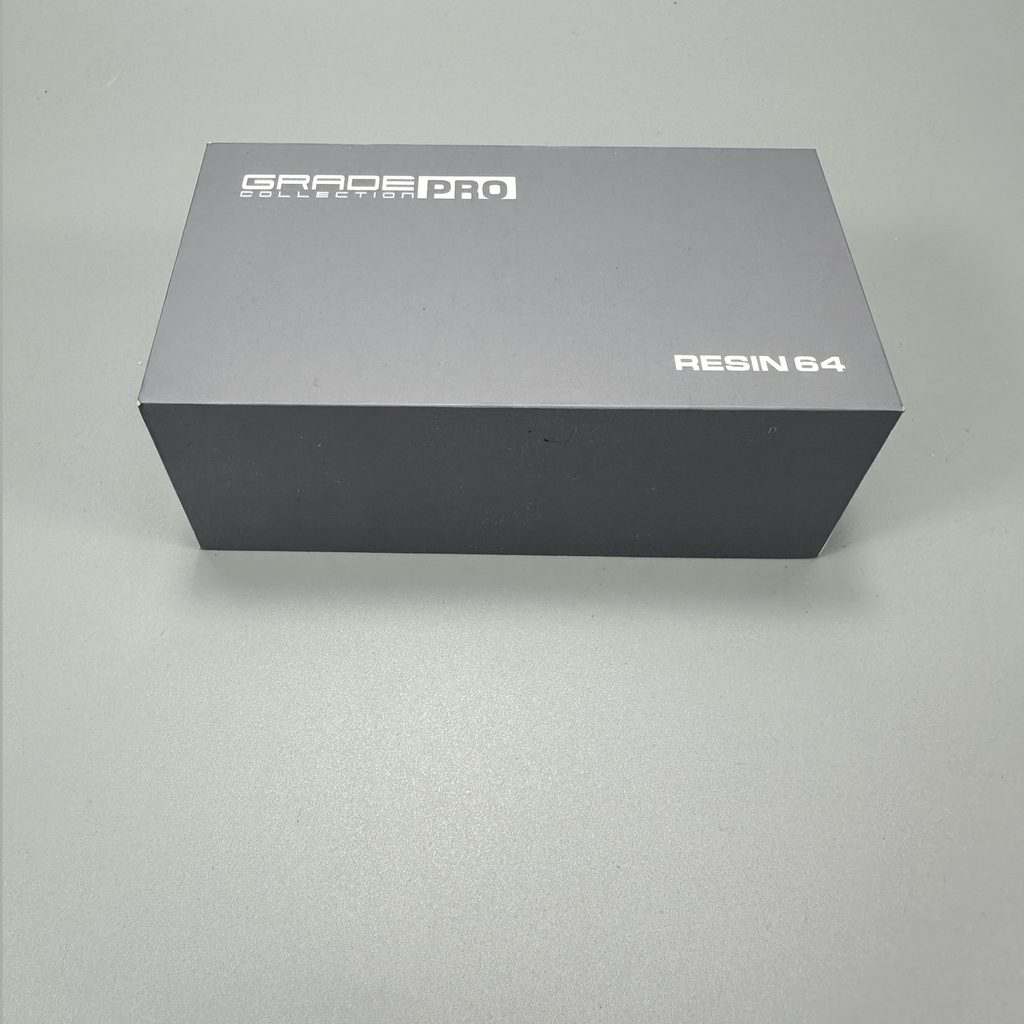
Choose the Right Shoe Box and Shipping Carton
Retail packaging and transport packaging serve different purposes. Treating them as interchangeable can leave shoes—or their presentation boxes—exposed to damage.
| Packaging type | Primary purpose | Important limitation |
|---|---|---|
| Folding paperboard shoe box | Retail display and product organization | May need a protective shipping carton |
| Rigid presentation box | Premium appearance and structured presentation | Not automatically suitable for parcel shipping |
| Corrugated shipping carton | Outer protection during handling | Requires suitable sizing, strength, and cushioning |
| Paper insert or divider | Product positioning and separation | Must fit without pressing against delicate uppers |
Measure the Complete Packaging System
Measure the shoes in their intended packing position, including wrapping and inserts. If using a retail shoe box, measure that box before selecting the outer carton.
Avoid both extremes:
– An oversized carton creates unnecessary space and material use.
– An undersized carton can compress shoes or distort the presentation box.
– A close-fitting carton without sufficient cushioning may transfer impacts directly to the contents.
Select the final dimensions through sample packing and testing, not appearance alone.
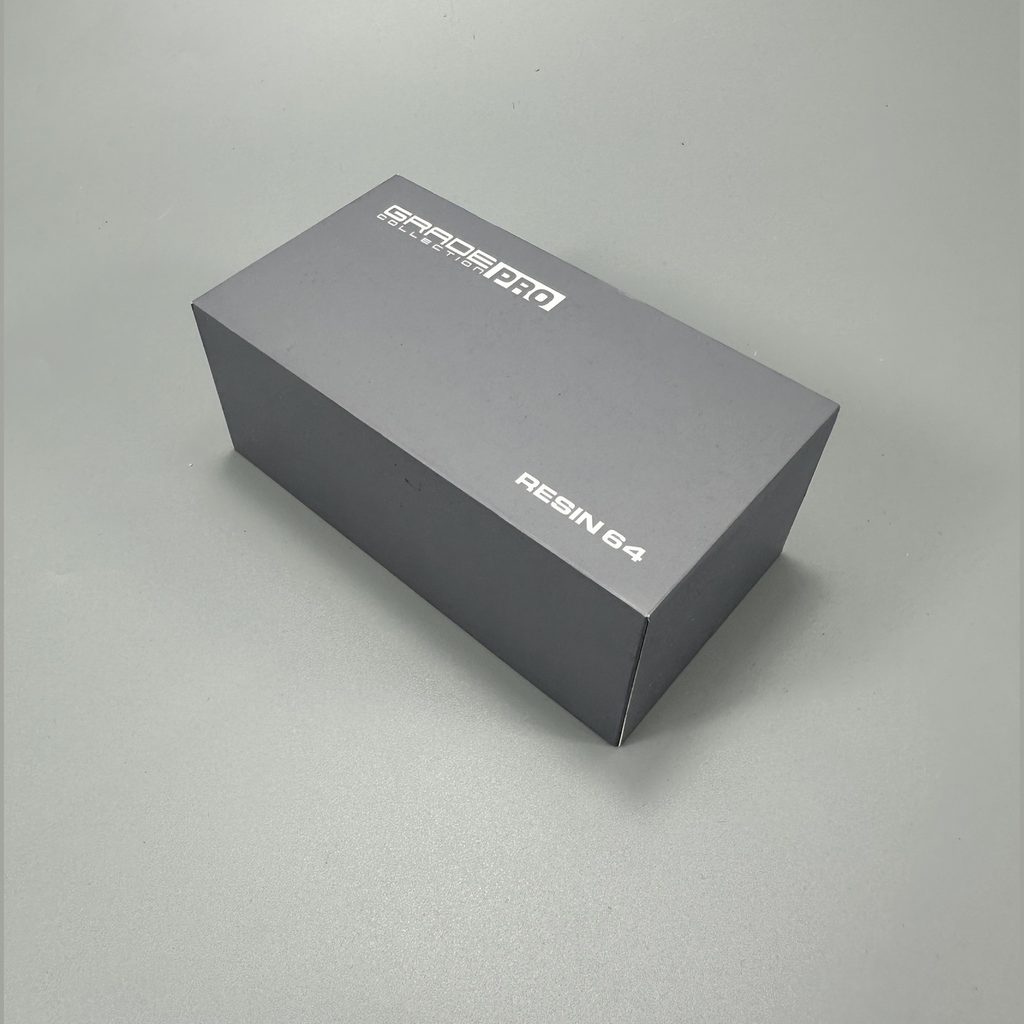
How to Package Shoes for Shipping: Six Practical Steps
1. Inspect and Prepare the Footwear
Check the size, color, pair matching, and visible condition before packing. Shoes should be clean and dry.
For returns or resale shipments, document existing wear. Do not seal damp footwear inside packaging.
2. Support the Shape
Use suitable paper stuffing or fitted supports where needed to help maintain the toe shape.
Avoid excessive stuffing. The objective is support, not stretching the upper or changing the shoe’s silhouette.
3. Wrap Each Shoe Separately
Separate wrapping helps prevent the shoes from rubbing against each other.
Choose a clean, nonabrasive material compatible with the finish. Test printed tissue, inks, and wrapping materials against pale leather, suede, and other sensitive surfaces before adoption.
4. Separate Vulnerable Features
Position shoes so heels, buckles, studs, and outsole edges do not press against delicate uppers.
A fitted paperboard divider can improve separation. Its edges should not create new pressure points.
5. Cushion the Outer Carton
If preserving the retail box matters, place it inside a corrugated shipping carton with appropriate cushioning.
Fill voids sufficiently to limit movement, but do not force the carton closed. Tissue used for presentation should not be treated as a substitute for transport cushioning.
6. Seal, Label, and Inspect
For a conventional shipping carton, apply suitable packing tape using the H-taping method across the center seam and edge seams, on both top and bottom.
Place the shipping label on a flat surface without crossing an opening seam. Remove obsolete labels from reused cartons.
Finish with a visual inspection and gentle movement check. These checks identify obvious problems but do not replace transit testing.
Adapt Custom Shoe Packaging to the Footwear
Sneakers and Collectible Shoes
When the original box forms part of the product’s value, protect it as carefully as the shoes. Use an outer shipping carton rather than attaching the label directly to the collectible box.
Leather Shoes and Suede Footwear
Prioritize surface compatibility and separation. Keep hardware away from finished uppers, and avoid tight wrapping that leaves pressure marks.
High Heels and Boots
Support vulnerable heels and prevent them from contacting the other shoe. For boots, select carton strength according to the packed weight and distribution conditions—not simply the appearance of thicker material.
Sandals and Lightweight Flats
Flexible footwear may require less structured packaging, but less weight does not mean less risk. Validate any mailer-based solution against crushing, punctures, deformation, and moisture exposure.
Reduce Shipping Costs Through Dimensional Weight
Shipping prices depend on the packed dimensions, actual weight, destination, service, and applicable surcharges. A universal “cost to ship shoes” estimate can therefore be misleading.
Dimensional weight represents the space a parcel occupies. Under a commonly published U.S. carrier calculation:
Dimensional weight in pounds=Length × Width × Height in inches/139
Consider two hypothetical cartons containing the same footwear:
| Outer carton | Объем | Dimensional weight before billing rounding |
|---|---|---|
| 16 × 12 × 8 inches | 1,536 cubic inches | Approximately 11.05 lb |
| 14 × 10 × 6 inches | 840 cubic inches | Approximately 6.04 lb |
This illustrates the effect of carton volume—not a guaranteed shipping discount. Actual billing depends on carrier rules, rounding, service, and your account terms.
The smaller carton is useful only if it retains adequate protection. Compare packaging cost, packing labor, freight, and damage-related expenses together.
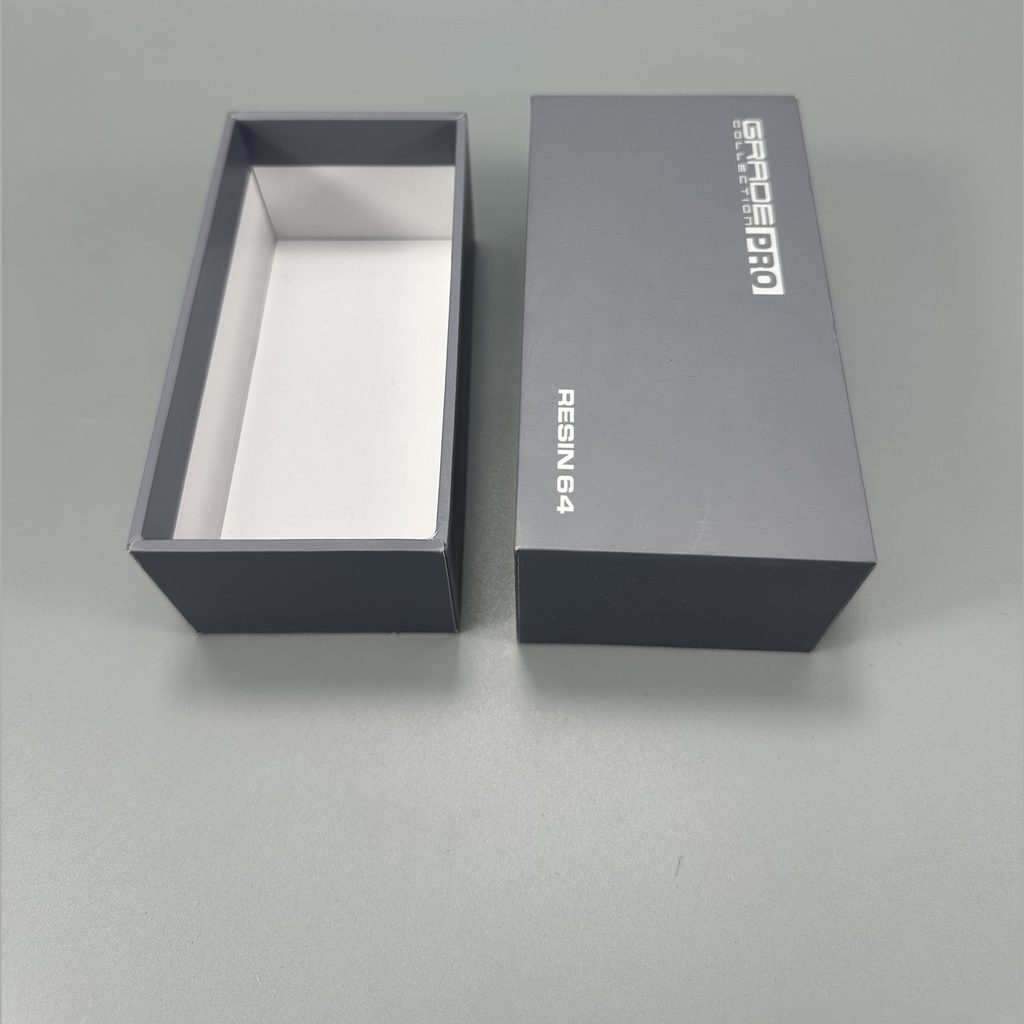
Validate Shoe Packaging Before Mass Production
A premium-looking sample does not establish transit performance.
For parcel shipments, ask a qualified laboratory whether an appropriate distribution test, such as ISTA 3A, fits your shipping environment. This procedure addresses individual packaged products weighing up to 150 lb, or 70 kg.
Before testing, define acceptance criteria:
– No unacceptable scuffing or deformation.
– No damaging contact between the shoes.
– No insert failure that compromises positioning.
– No unacceptable presentation-box damage.
– No opening or closure failure.
Use representative footwear and production-intent materials. Follow laboratory testing with trial shipments where appropriate.
Track damage complaints, damaged-box reports, packing time, and actual freight charges. This makes future packaging decisions evidence-led.
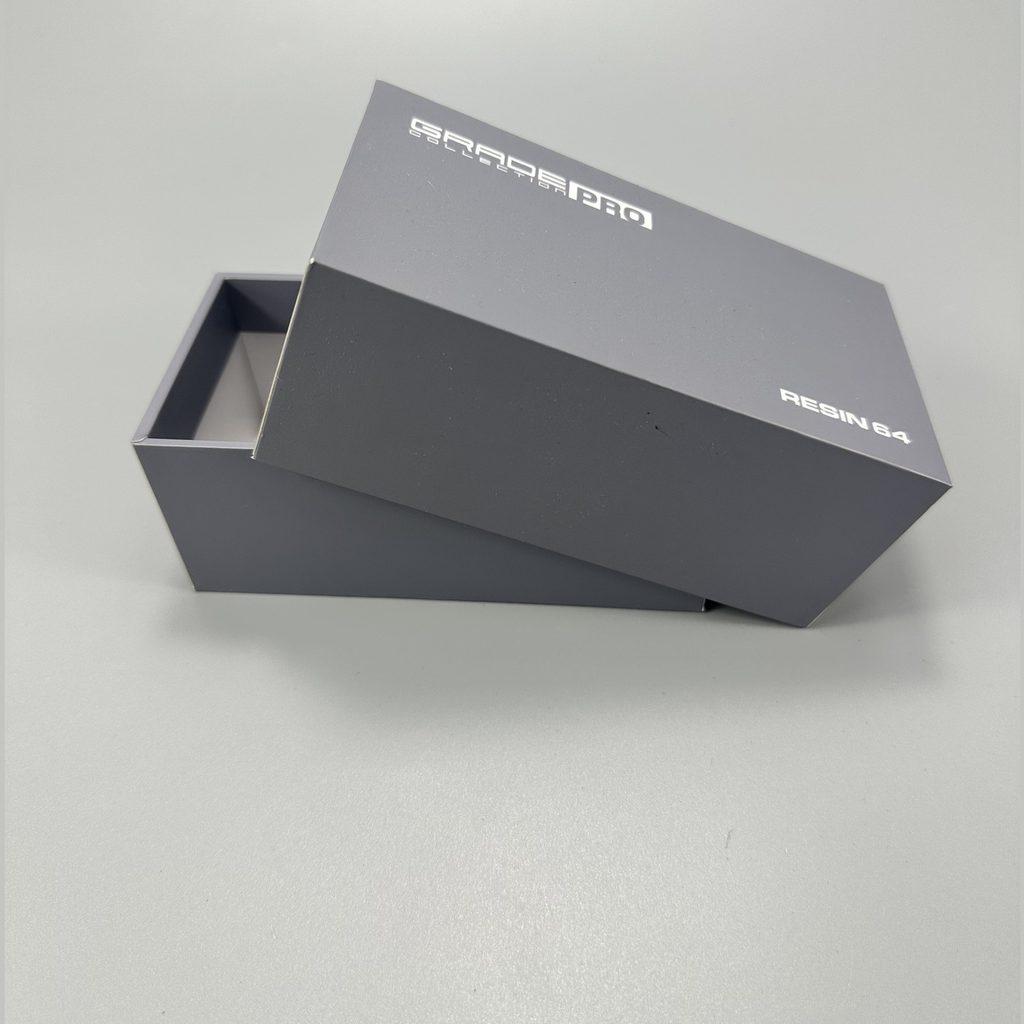
Make Sustainability Claims Specific
Paper packaging is not automatically recyclable everywhere. Coatings, laminations, attached components, and local collection systems can affect acceptance.
Use precise claims supported by supplier documentation. State verified recycled-content percentages rather than relying on broad terms such as “green” or “environmentally friendly.”
For U.S. marketing, unqualified recyclable claims require appropriate recycling access for at least 60% of consumers or communities where the packaging is sold. Qualify claims when access is more limited.
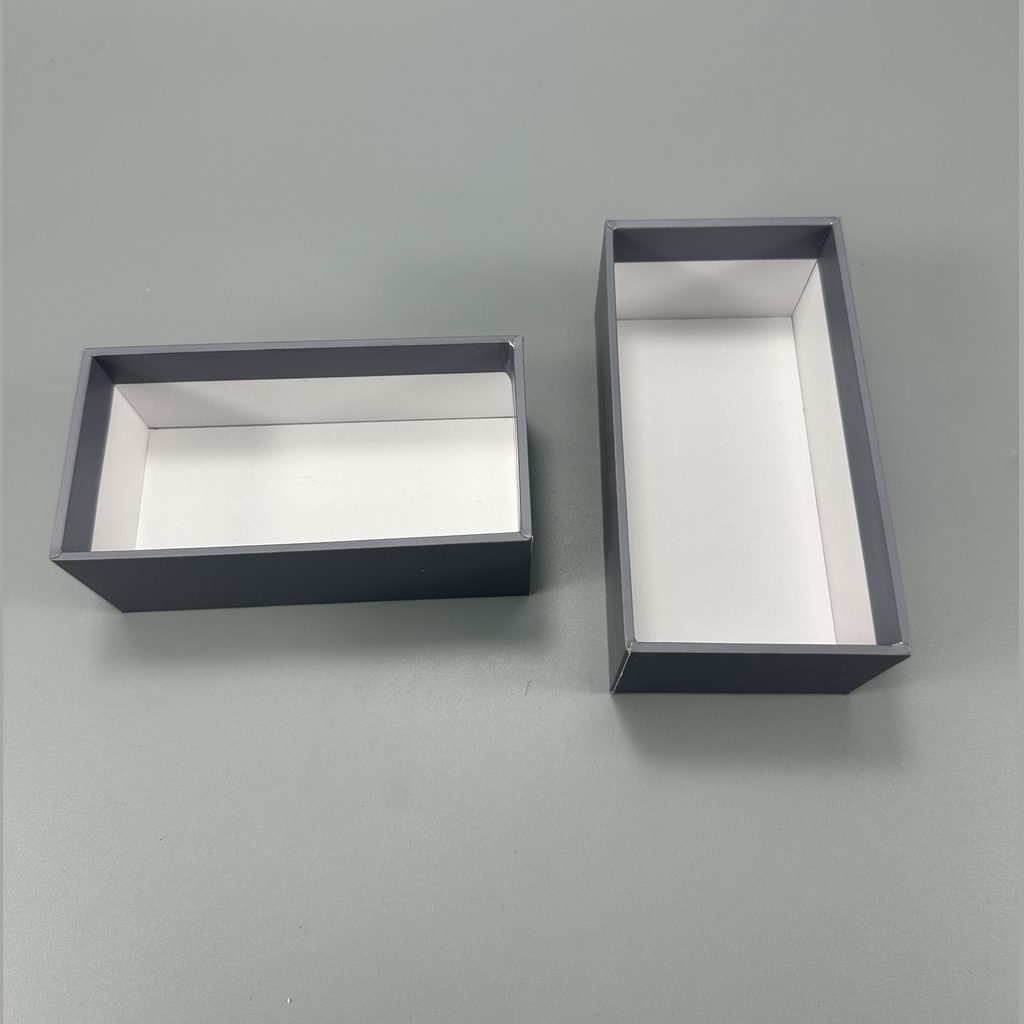
Build Your Custom Shoe Packaging with Bonito Packaging
Send Bonito Packaging your footwear dimensions, product weight, size range, artwork, order quantity, and shipping requirements.
Specify whether you need retail presentation packaging, a protective shipping solution, or both. Request a physical sample, confirm the fit, and validate the complete package before approving production.
Часто задаваемые вопросы
1. Can I Ship Shoes in Their Original Box?
Only if the box is suitable for the shipping conditions. Use an outer carton when the original box needs protection or lacks adequate transport performance.
2. What Is the Best Wrapping Material for Shoes?
Choose a clean, nonabrasive material compatible with the footwear finish. Individual wrapping prevents contact; cushioning and inserts provide separate protective functions.
3. Can Shoes Be Shipped Without a Retail Box?
Yes. Use a suitable shipping container, separate the shoes, support their shape where needed, and validate the packing arrangement.
4. Are Rigid Shoe Boxes Suitable for Shipping?
Not automatically. A rigid presentation box may still require an outer corrugated carton and cushioning.
5. How Can I Lower Shoe Shipping Costs?
Measure the finished parcel, review dimensional weight, and remove unnecessary volume without sacrificing protection. Obtain quotes using the final packed dimensions.
References
1. PakFactory — “How To Package And Ship Shoes.” Original article reviewed for its structure and coverage of materials, footwear categories, shipping, and presentation. The rewrite adds packaging-role distinctions, a hypothetical dimensional-weight comparison, and validation criteria. [pakfactory]
2. FedEx — “General Packaging Guidelines.” Basis for movement control, outer-carton selection, H-taping, and dimensional-weight principles. [fedex]
3. FedEx — “What Is Dimensional Weight?” Basis for the published inches-to-pounds calculation using a divisor of 139. The carton examples in this article are illustrative, not customer results or carrier quotations. [fedex]
4. International Safe Transit Association — “Test Procedures.” Basis for ISTA 3A’s parcel-delivery application and weight scope. [ista]
5. International Safe Transit Association — “Getting Started with Design & Testing.” Basis for representative samples, predefined damage criteria, distribution-specific test selection, and supplementary trial shipments. [ista]
6. Federal Trade Commission — “Environmental Claims: Summary of the Green Guides.” Basis for qualifying recyclability claims and specifying partial recycled content. [ftc]
7. Bonito Packaging — Brand information supplied in the project brief: a source manufacturer specializing in premium custom paper packaging. No customer testimonials, certifications, test reports, or performance statistics were supplied.
 English
  Spanish
  French
  German
  Russian
  Japanese
  Portuguese
  Arabic