
Custom cosmetic boxes in 2026 need to do more than look expensive. They must protect delicate products, communicate clearly, support credible environmental claims, and remain practical to manufacture. For beauty brands developing custom cosmetic packaging, the strongest approach connects visual design with structural performance.
At Bonito Packaging, we approach this challenge from a paper packaging manufacturer’s perspective. Before choosing a finish, I would ask three questions: What needs protection? How will customers receive it? What must the packaging communicate?
Those answers provide a better starting point than following every new design trend.
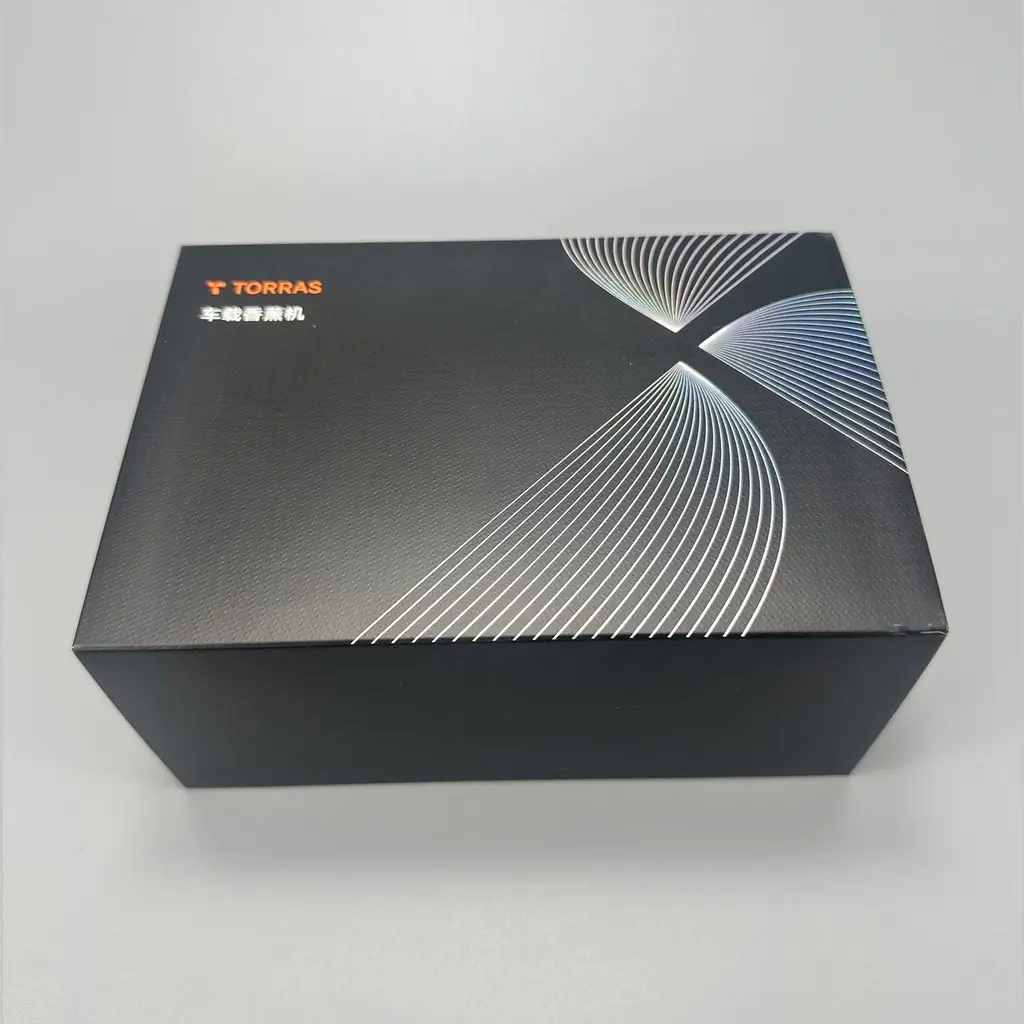
1. Sustainable Custom Cosmetic Boxes Need Specific Claims
Paper-based packaging offers useful design possibilities, but paper alone does not prove that a finished box is recyclable, biodegradable, or environmentally preferable.
Coatings, adhesives, windows, inserts, and local collection systems all affect the assessment.
Replace Broad Promises With Verifiable Details
Instead of printing vague claims such as “planet-friendly packaging,” document the actual improvement:
– State verified recycled content accurately.
– Identify which component an environmental claim covers.
– Explain how customers should separate different materials.
– Compare material reductions against a defined previous design.
For U.S. sales, federal guidance says recyclable claims should be qualified when suitable recycling facilities are unavailable to at least 60 percent of consumers or communities where the product is sold. State requirements may impose additional restrictions.
My recommendation is simple: design the claim alongside the packaging, not after artwork approval.
2. Luxury Cosmetic Packaging Should Balance Finish and Function
Luxury does not require covering every surface with decoration. A precise structure, consistent print, and controlled opening experience can create a refined presentation without unnecessary complexity.
For premium skincare boxes, consider a restrained combination:
– A clearly positioned logo.
– One focal treatment, such as embossing or foil.
– Legible product information.
– A fitted insert that presents the product neatly.
Request physical samples before approving decorative effects. Check whether dark printed areas show rubbing, whether folds crack, and whether fine lettering remains readable.
A digital rendering cannot confirm how a box feels or performs.
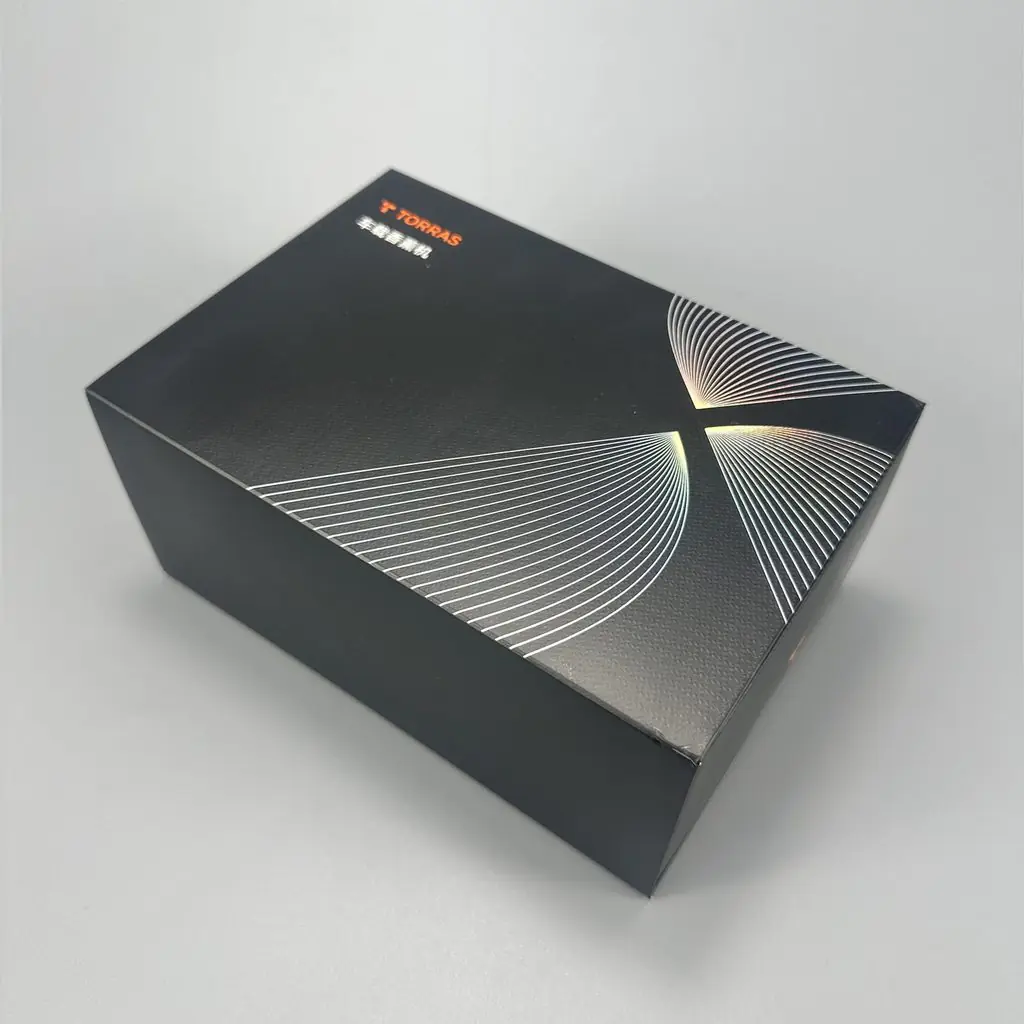
3. Product-Specific Structures Matter More Than Generic Sizing
Custom cosmetic boxes should fit the actual bottle, jar, tube, or compact—not simply its advertised capacity.
A 30 ml serum bottle can have different shoulder shapes, dropper heights, and base dimensions. Those differences change the required cavity and insert design.
| Packaging format | Typical application | Main point to validate |
|---|---|---|
| Folding carton | Individual skincare or makeup products | Fit, closure, and print clarity |
| Rigid presentation box | Premium sets and gifts | Insert retention and shipping bulk |
| Corrugated mailer | Direct-to-consumer orders | Protection throughout the delivery route |
| Paperboard insert | Separating or positioning products | Support without difficult removal |
These are starting points, not universal specifications. Final material choices should follow product measurements, distribution conditions, and sample testing.
Separate Presentation From Shipping Protection
A beautiful retail carton is not automatically a shipping container.
For glass cosmetics, evaluate the complete system: product, insert, retail box, outer shipper, and cushioning. Avoid relying on thicker paperboard alone to solve every damage risk.
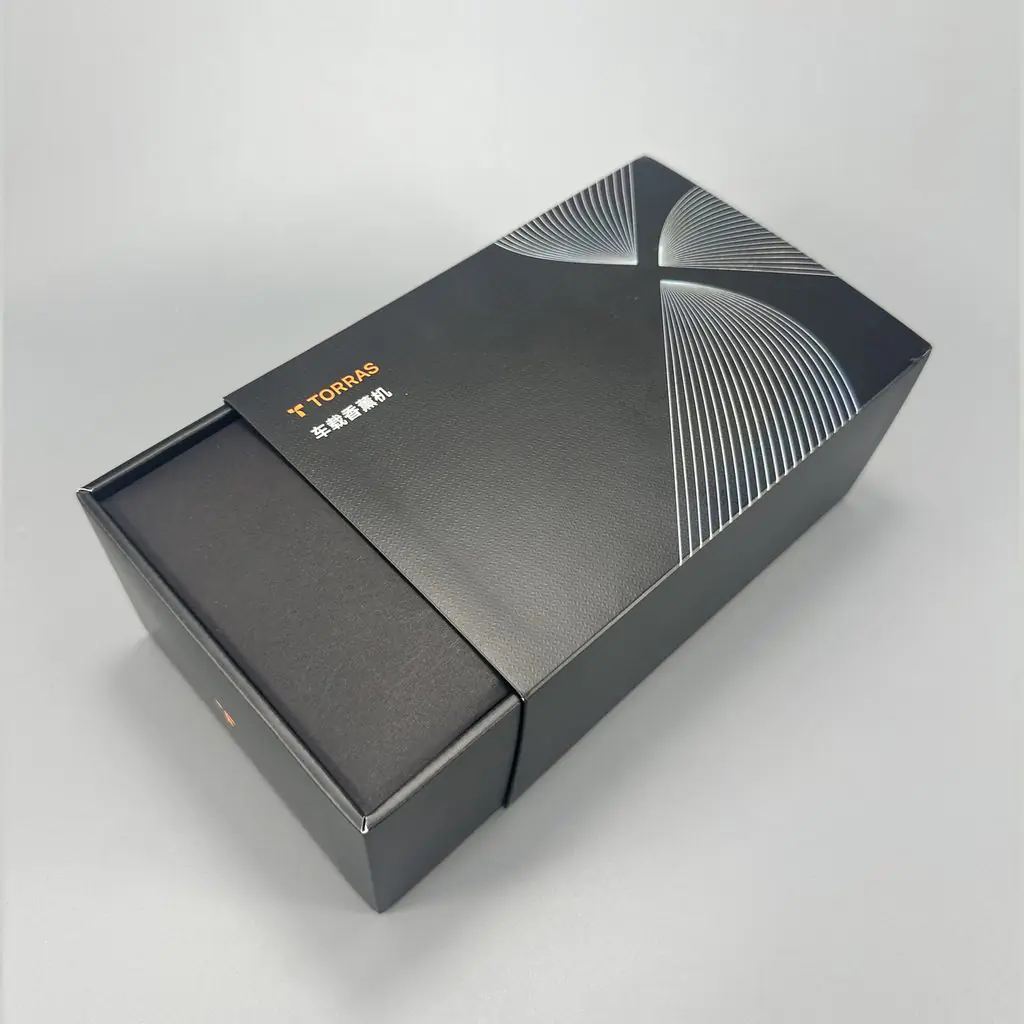
4. Personalized Cosmetic Packaging Needs Production Discipline
Personalization can mean customer names, seasonal artwork, shade identification, or coordinated designs across a product family.
However, more artwork versions also create more opportunities for mistakes.
Before ordering custom printed cosmetic boxes, establish:
1. A controlled master dieline.
2. Approved artwork for each product variant.
3. Consistent locations for shade names and product codes.
4. Clear file naming and revision records.
5. A sign-off process covering both graphics and text.
Ask the manufacturer to compare suitable printing methods for your quantities and version count. Do not assume that a small production run will always have the lowest overall cost.
Tooling, setup, finishing, and packing requirements also influence the quotation.
5. Better Unboxing Means Less Friction
An impressive reveal loses value if customers struggle to remove the product or understand disposal instructions.
For luxury cosmetic gift boxes, I would prioritize an opening sequence that feels deliberate but remains straightforward.
Evaluate whether customers can:
– Identify where to open the box.
– Remove products without excessive pulling.
– Read essential information easily.
– Separate packaging components without tools.
Use a simple observation test with people who have not seen the design. Watch how they open it before explaining anything.
Questions, hesitation, and awkward handling provide useful design feedback. Treat this as a usability exercise, not evidence of increased sales.
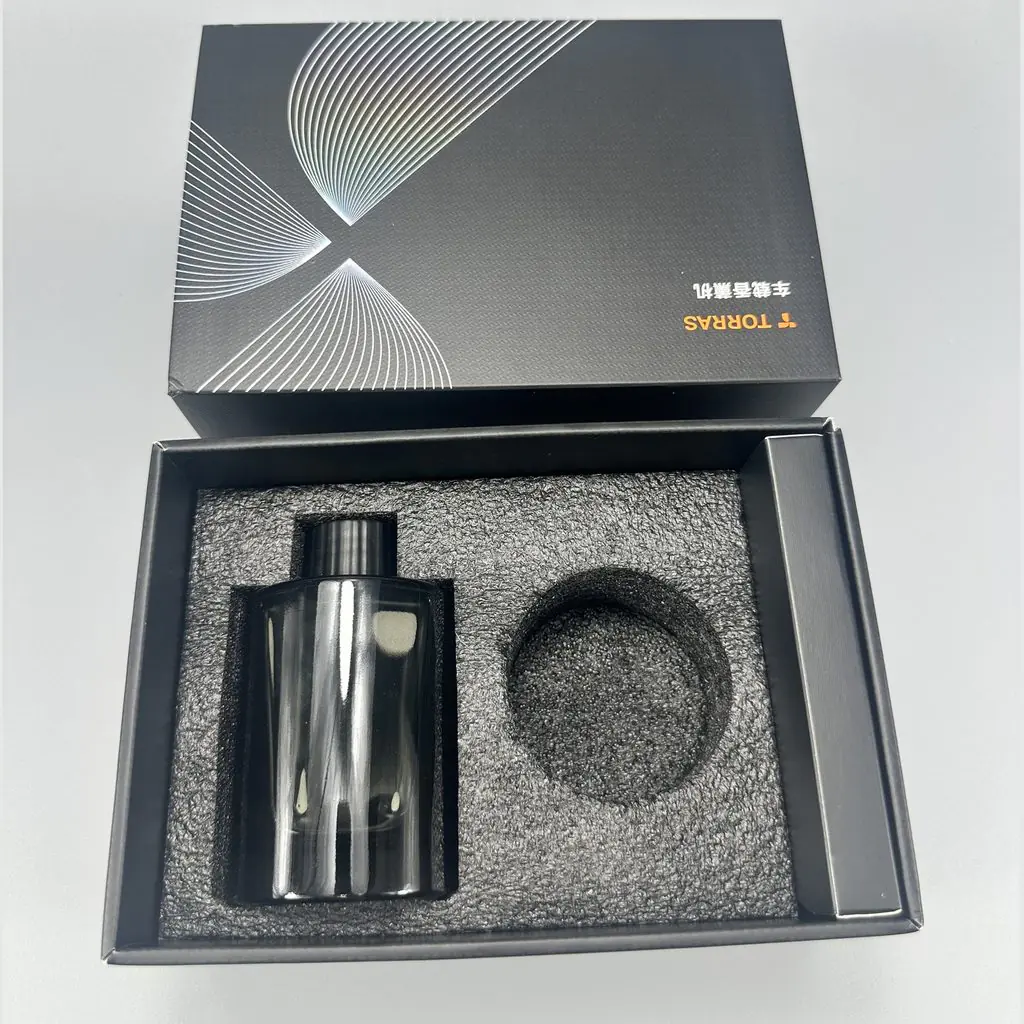
6. Compliance-Aware Artwork Is a Practical 2026 Priority
Minimalist cosmetic packaging still needs enough space for mandatory information.
For U.S. products, labeling requirements address areas including product identity, net quantity, business information, ingredients, and applicable warnings. Placement and readability matter alongside the wording.
Reserve information panels early. Do not shrink essential text at the last minute to preserve decorative space.
For brands selling into Europe, the Packaging and Packaging Waste Regulation generally began applying on August 12, 2026. Individual obligations have different implementation schedules, so this date should not be interpreted as the deadline for every requirement.
Have qualified advisers review destination-market requirements before production.
7. Validate Custom Cosmetic Boxes Before Bulk Production
The most useful packaging trend is a move from attractive concepts to documented decisions.
A structured approval process helps uncover problems before they affect an entire order.
Follow a Five-Step Validation Process
1. Measure production-intent products, including closures and protruding parts.
2. Approve an unprinted structural sample for fit and removal.
3. Review printed samples for color, readability, folds, and surface durability.
4. Test the complete shipping configuration against relevant distribution hazards.
5. Record the approved specification and acceptable variations.
ISTA distinguishes screening tests from distribution simulations. Its Procedure 3A addresses eligible individual packaged products shipped through parcel delivery systems.
Ask a qualified laboratory to select an appropriate protocol. Passing one test does not guarantee protection against every possible shipping condition.
Turn Customer Feedback Into Packaging Requirements
Customer comments become valuable when they lead to measurable changes.
If future reviews mention damaged corners, difficult product removal, or excessive packaging, convert those observations into investigation points rather than adding them as promotional quotations.
Track complaint categories against shipped orders, inspect returned packaging, and compare changes under similar conditions.
This creates a more credible improvement process than assuming an attractive redesign has solved the problem.
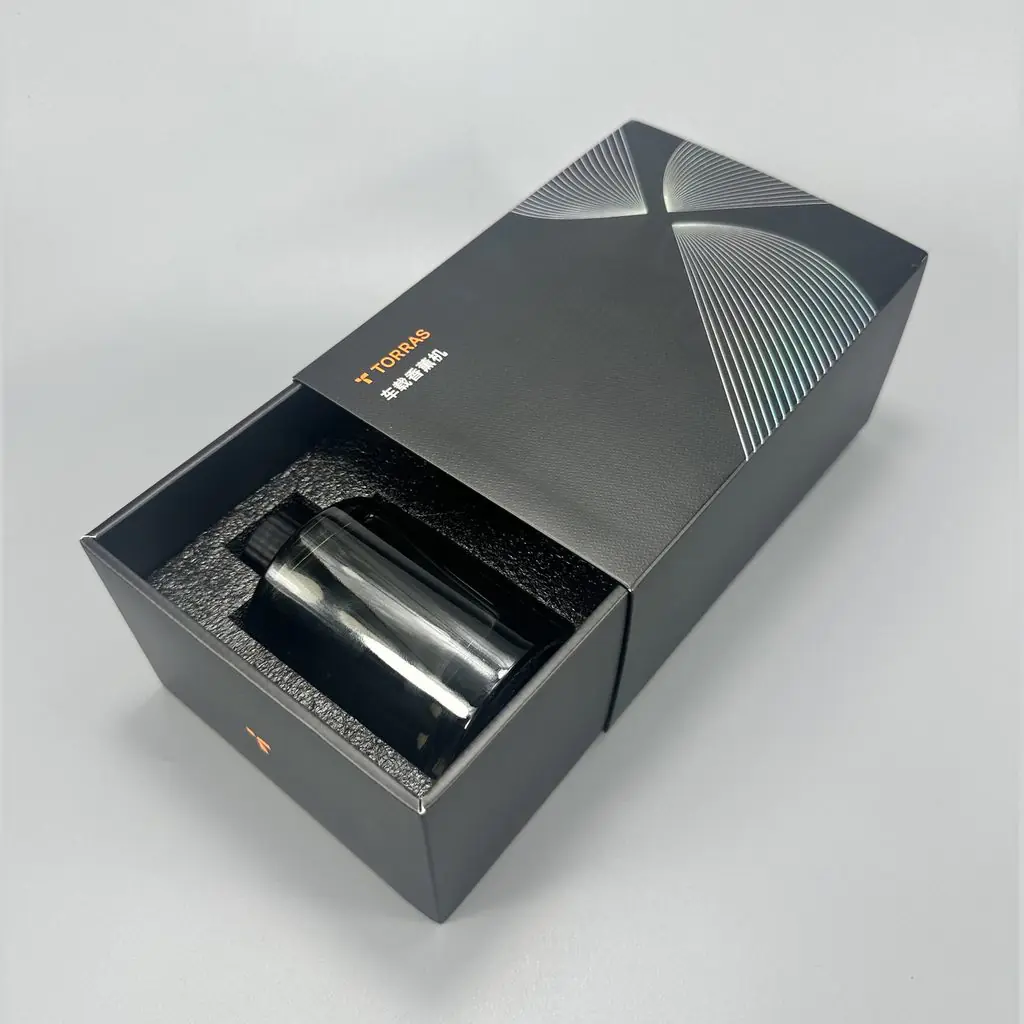
Develop Your Custom Cosmetic Boxes With Bonito Packaging
Bonito Packaging manufactures high-end custom paper packaging for brands seeking a considered balance of presentation and practicality.
Send us your product dimensions, quantities, target market, preferred box style, and launch schedule. Request a project-specific quotation and discuss structural samples, material options, and finishing priorities before committing to bulk production.
Frequently Asked Questions
1. What are the most useful custom cosmetic boxes trends for 2026?
Prioritize specific environmental claims, product-matched structures, restrained premium finishes, controlled personalization, and easier opening. Their value depends on your product and distribution needs.
2. Are paper cosmetic boxes automatically recyclable?
No. The complete construction and available recycling infrastructure matter. Verify the effects of coatings, adhesives, windows, and other components before making a claim.
3. Should I choose folding cartons or rigid cosmetic boxes?
Start with the application. Compare presentation needs, protection, storage space, assembly, and delivered cost using physical samples rather than appearance alone.
4. How can I compare packaging quotations accurately?
Give each supplier the same dimensions, materials, quantities, artwork versions, finishes, insert requirements, packing method, and delivery terms. Identify tooling and freight charges separately.
5. What should I send a custom cosmetic packaging manufacturer?
Provide product samples or precise dimensions, product weight, order quantities, target markets, artwork, preferred presentation, delivery requirements, and any existing damage or usability concerns.
References
1. [The Boxology — “Top Custom Cosmetic Boxes Trends in the U.S. for 2026 — Packaging That Sells.”] Original article reviewed for topic coverage and restructuring; not treated as independent evidence of commercial performance. [theboxology]
2. [Federal Trade Commission — “Environmental Claims: Summary of the Green Guides.”] Guidance on general environmental claims, recycled content, recyclability, biodegradability, and source-reduction comparisons. [ftc]
3. [U.S. Food and Drug Administration — “Cosmetics Labeling Guide.”] Guidance on cosmetic labeling, information placement, prominence, ingredients, and outer-container requirements; not a substitute for a complete current compliance review. [fda]
4. [Council of the European Union — “Packaging.”] Official overview of the packaging and packaging waste rules and their general application date. [consilium.europa]
5. [International Safe Transit Association — “Test Procedures.”] Distinguishes screening and simulation tests and describes the scope of Procedure 3A. [ista]