
Cereal box sides do more than display a logo and nutrition information. Each panel helps shoppers recognize the product, understand its ingredients, open the package, and dispose of it correctly. For brands developing custom cereal boxes, these six surfaces should work as one coordinated system.
At Bonito Packaging, we approach folding carton design from a manufacturing perspective: establish the product and packing requirements first, then organize the structure and artwork around them. An attractive carton matters, but it must also fold, fill, close, and communicate reliably.
This guide explains how to plan every panel, choose suitable materials, and prepare a cereal carton for production.
What Are the Six Sides of a Cereal Box?
A conventional rectangular cereal box has six external faces: front, back, left, right, top, and bottom.
However, six finished faces do not mean six separate pieces of paperboard. A folding carton typically starts as a die-cut blank, incorporating panels, closure flaps, and a glue flap.
The practical priority is panel planning: deciding what belongs on each surface before finalizing the artwork.
| Cereal box panel | Primary purpose | Design priority |
|---|---|---|
| Front | Product recognition | Clear identity, variety, and net quantity |
| Back | Additional product communication | Useful content with readable spacing |
| Information side | Required labeling | Legibility and compliant arrangement |
| Opposite side | Supporting information | Preparation, contact details, or brand story |
| Top | Opening and identification | Functional closure and clear instructions |
| Bottom | Supporting operational details | Suitable space for codes or other approved content |
These are planning recommendations, not universal legal positions. Label placement depends on the destination market and applicable requirements.
How to Design Cereal Box Sides for Shoppers
Front Panel: Make Product Selection Easy
The front should answer three questions quickly:
– What is the product?
– Which flavor or variety is it?
– How much does the package contain?
Use a clear hierarchy rather than competing badges. Product photography, illustration, and color can distinguish varieties, but they should not obscure mandatory information.
For U.S. retail packaging, the principal display panel generally carries the statement of identity and net quantity declaration. Review their placement before committing to decorative finishes.
Back Panel: Offer Something Worth Reading
The back provides room for recipes, preparation suggestions, product explanations, or a concise brand story.
Choose content that serves the intended customer. Family-oriented cereals may suit activities, while specialty granola may benefit from serving suggestions.
Avoid filling the panel simply because space is available. A useful recipe or clear storage instruction can provide more value than several unrelated marketing messages.
Narrow Side Panels: Protect Readability
Narrow panels require disciplined editing.
For U.S. packages, the information panel is generally immediately to the right of the principal display panel, subject to regulatory exceptions. Required information may include Nutrition Facts, ingredients, allergen declarations, and business details, as applicable.
Do not insert promotional graphics between information that must appear together. Establish the required content block before adding optional copy.
Top and Bottom Panels: Design Around the Closure
These panels contain folds, overlapping flaps, and closure features. Their usable printing areas may therefore be smaller than they appear.
Confirm where variable printing, opening instructions, and other details will remain visible after assembly. Keep critical information away from glue zones, damaged edges, and areas hidden by overlapping flaps.
Choosing Paperboard and Inner Packaging
Separate Carton Strength from Food Protection
The outer carton and inner package perform different jobs.
The folding carton provides shape, printable surfaces, and handling support. Where a sealed inner bag is used, that bag commonly provides the principal moisture barrier needed to preserve cereal texture.
Do not assume that thicker paperboard alone will extend shelf life. Evaluate the complete packaging system against the cereal’s formulation, storage conditions, and intended distribution period.
Specify Performance, Not Just Paper Weight
Paperboard selection should consider:
– Carton dimensions and filled weight.
– Stiffness and resistance to deformation.
– Crease quality and folding behavior.
– Print appearance and finishing requirements.
– Packing-line compatibility.
– Suitability for the intended food-contact conditions.
Grammage alone does not describe every aspect of carton performance. Compare physical samples and production specifications before approving a substitution.
For any food-contact application, request documentation relevant to the material, intended use, and destination market. A broad “food-grade” description is not a substitute for that review.
How to Determine Cereal Box Dimensions
There is no single standard cereal box size that suits every product.
Start with the filled inner package, not a competitor’s shelf appearance. Lightweight flakes, dense granola, and puffed cereals can occupy different volumes at the same declared weight.
Use this sequence:
1. Establish the target fill weight and realistic product volume.
2. Measure the filled, sealed inner bag.
3. Allow clearance for insertion and closure.
4. Confirm shelf and shipping-case constraints.
5. Test a physical carton with the actual product.
Specify whether dimensions are internal or external. Also confirm the supplier’s dimension order; labels such as length, width, and depth are not always used consistently.
A Preproduction Checklist for Custom Cereal Boxes
A digital mockup cannot reveal every structural or printing issue. Before ordering production quantities, work through three approval stages.
1. Approve the Structural Sample
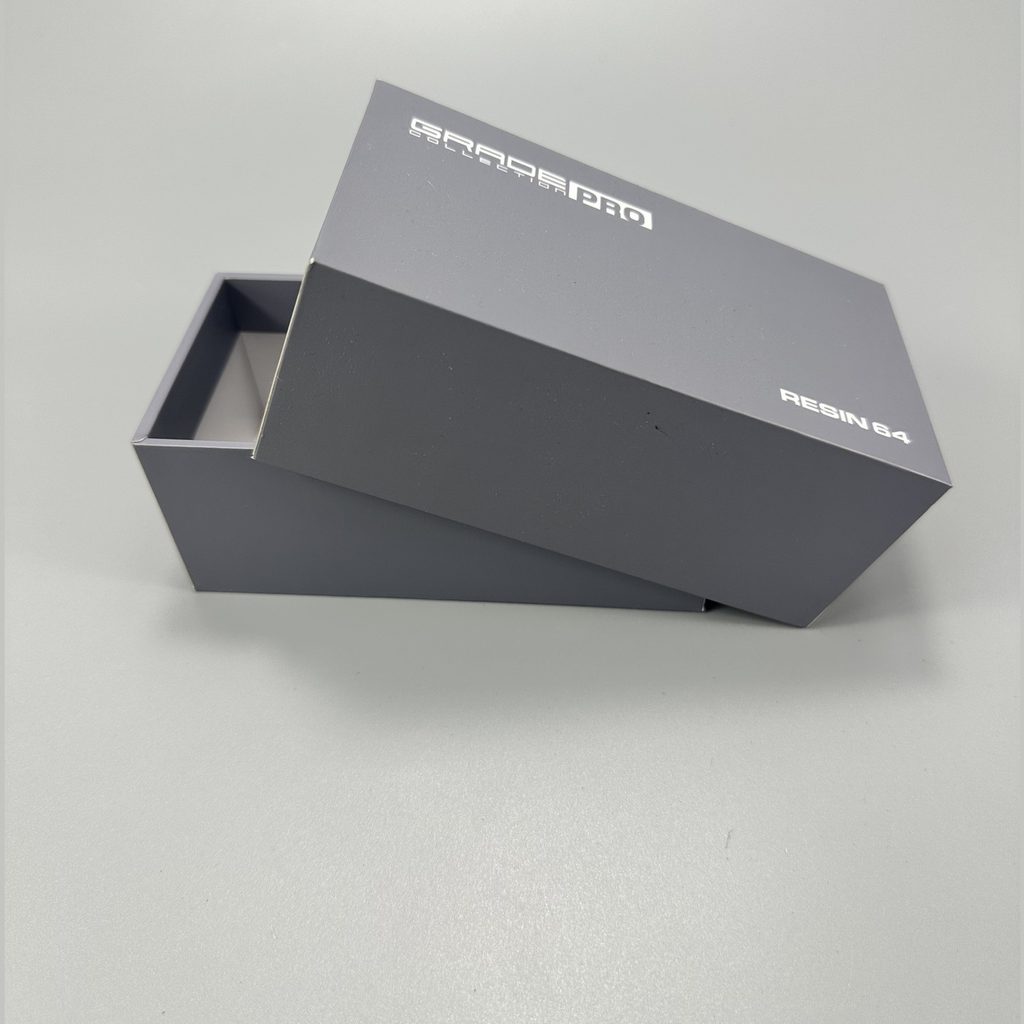
Check product fit, bag insertion, panel shape, and closure operation.
Open and reclose the sample repeatedly where reclosure is intended. Check whether the carton tears unexpectedly or becomes difficult to use.
2. Approve the Artwork on the Dieline
Verify:
– Panel orientation after folding.
– Required labeling and approved claims.
– Bleed, safe areas, and glue-flap exclusions.
– Barcode position and scan performance.
– Space reserved for variable codes.
A barcode that looks clear on screen still needs verification on a representative printed sample.
3. Validate Packing and Distribution
Test representative filled packs under conditions relevant to their actual journey.
Look for panel bulging, crushed corners, scuffing, closure failure, and inner-bag damage. Agree on acceptance criteria before production so that quality decisions are measurable rather than subjective.
Are Cereal Boxes Recyclable or Compostable?
Recyclability and compostability are different claims.
A paperboard cereal carton may be accepted in local paper recycling, but acceptance depends on the complete construction and local collection rules. Inner bags require separate assessment.
Do not describe every cereal box as compostable simply because it contains paper. Coatings, inks, adhesives, and other components affect the finished package’s suitability.
Make environmental statements specific and substantiated. Where appropriate, distinguish the outer carton from the liner and explain how consumers should separate them.
Develop Your Custom Cereal Carton with Bonito Packaging
A successful cereal carton balances shelf presentation, clear information, structural performance, and practical production requirements.
Send Bonito Packaging your target market, fill weight, inner-bag dimensions, estimated order quantity, and preferred finish. These details provide a practical starting point for discussing a custom folding carton and preparing samples before production approval.
Frequently Asked Questions
1. How many sides does a cereal box have?
A conventional rectangular cereal box has six external faces. Its unfolded blank also includes glue and closure flaps needed to assemble the carton.
2. What information belongs on cereal box sides?
Depending on the market, required information can include product identity, net quantity, nutrition information, ingredients, allergens, and responsible business details. Confirm the applicable rules before printing.
3. Does a cereal carton keep cereal fresh?
The carton supports and protects the package. Where an inner bag is used, freshness depends substantially on that bag’s barrier performance, seal integrity, and suitability for the product.
4. What is the best material for custom cereal boxes?
There is no universally best paperboard. Choose it according to carton size, filled weight, printing needs, packing equipment, and the intended food-contact conditions.
5. Can cereal boxes use recycled paperboard?
Potentially, yes. Suitability depends on the construction and intended use. Assess the complete packaging system and obtain relevant compliance documentation rather than assuming recycled content guarantees suitability.
References
1. [Tycoon Packaging — “All You Need To Know About Cereal Box Sides and Perks”]. Original article reviewed for its six-panel framework and to identify gaps in dimensions, material selection, environmental claims, and production guidance. [tycoonpackaging]
2. [U.S. Food and Drug Administration — “Guidance for Industry: Food Labeling Guide”]. Background guidance on required food-label statements and package-panel organization; consult current regulations for specific applications. [fda]
3. [Electronic Code of Federal Regulations — 21 CFR Part 101, Food Labeling]. Regulatory basis for U.S. food-label content, principal display panel requirements, and nutrition labeling. [ecfr]
4. [Electronic Code of Federal Regulations — 21 CFR § 101.2, Information Panel of Package Form Food]. Supports the discussion of information-panel location, grouping, prominence, and legibility. [ecfr]
5. [U.S. Food and Drug Administration — Packaging & Food Contact Substances]. Official resource for evaluating food-packaging materials and intended food-contact uses. [fda]
6. [Federal Trade Commission — Environmental Claims: Summary of the Green Guides]. Supports the distinction between environmental claims and the need to qualify recyclability and recycled-content statements. [ftc]
7. [Federal Trade Commission — Guides for the Use of Environmental Marketing Claims, 16 CFR Part 260]. Detailed guidance concerning substantiation and qualification of recyclable, compostable, and related packaging claims. [ftc]
 English
 Spanish
 French
 German
 Russian
 Japanese
 Portuguese
 Arabic