
Custom packaging design should do more than make a product look expensive. It should protect the contents, communicate your brand, and work reliably in production. At Bonito Packaging, we approach premium paper packaging as a connected system: structure, materials, graphics, and the customer’s opening experience must support the same goal.
Our recommendation is simple: define what the package must accomplish before choosing its colors or finishes. A beautiful box that arrives damaged, costs too much to ship, or feels awkward to open has not solved the design problem.
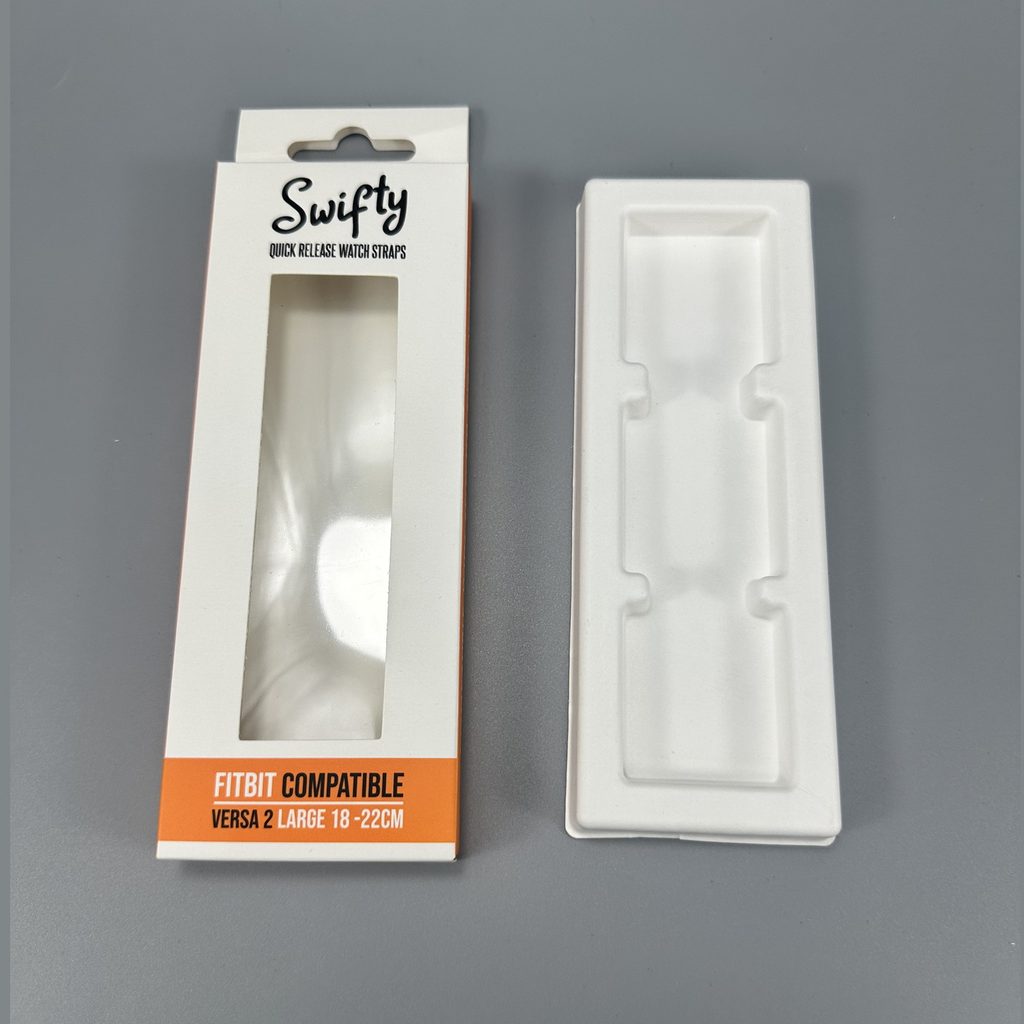
Start Your Custom Packaging Design with a Clear Brief
Before developing artwork, create a one-page packaging brief. This gives your designer and manufacturer a shared reference and makes quotations easier to compare.
Include:
– Product dimensions, weight, fragility, and surface sensitivity.
– Sales channels: retail, direct shipping, gifting, or wholesale.
– Target customer and intended brand positioning.
– Order quantity, launch date, and delivery destination.
– Budget assumptions, including inserts and shipping protection.
– Required labeling, languages, barcodes, and disposal instructions.
Distinguish between the presentation box and the shipping package. They may serve different purposes. A premium gift box, for example, may still need a protective outer carton.
For multiple products, identify which items can share a structure without compromising fit.
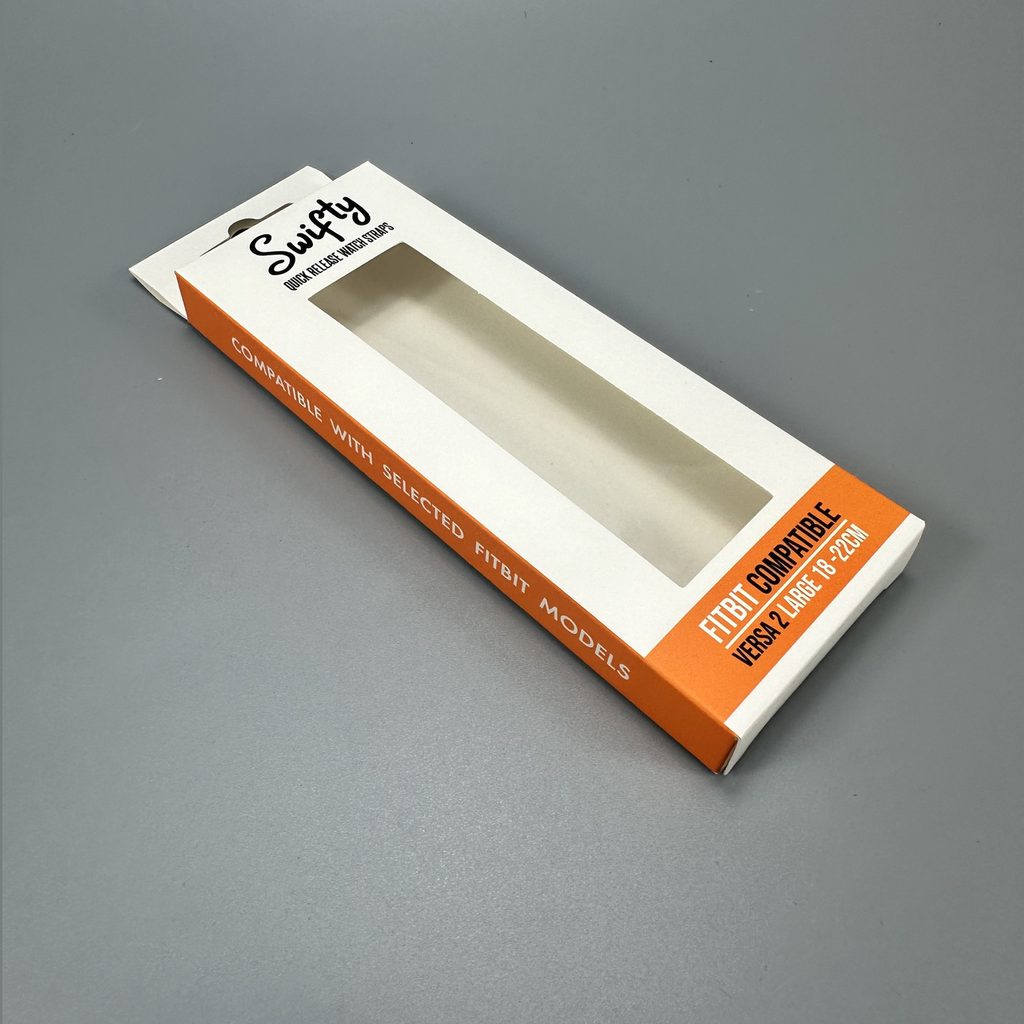
Choose the Right Paper Packaging Structure
The best custom packaging structure depends on how the product will be displayed, handled, packed, and delivered—not simply on which box looks most luxurious.
| Packaging format | Typical application | Design priority |
|---|---|---|
| Folding carton | Cosmetics, skincare, lightweight retail products | Efficient construction and clear shelf communication |
| Rigid box | Premium gifts, jewelry, presentation sets | Product fit, presentation, and storage requirements |
| Corrugated mailer | Subscription kits and direct-to-consumer orders | Transit protection and secure closure |
Treat these as starting points, not performance guarantees. Board specification, dimensions, inserts, and construction all influence the finished package.
For luxury paper packaging design, ask whether each structural feature earns its place. A magnetic closure may suit a reusable gift presentation, while a simpler construction may better serve a lightweight retail item.
Premium should mean appropriate and well executed, not unnecessarily complicated.
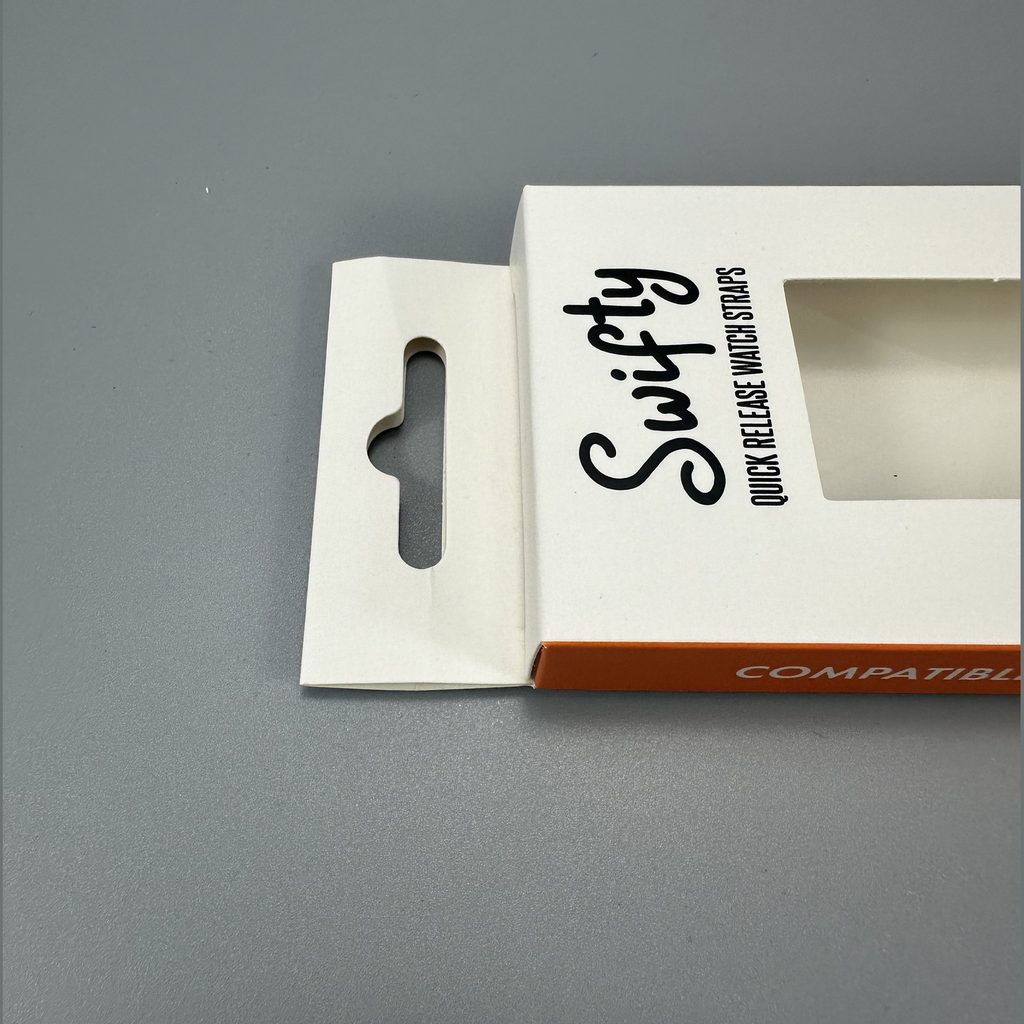
Build a Visual Hierarchy Customers Can Understand
A package should help customers answer three questions:
1. What is this product?
2. Why is it relevant to me?
3. What should I notice next?
Give the product name, category, and principal differentiator clear positions. Keep supporting information readable without allowing it to compete with everything else.
Design for the Actual Buying Environment
Retail packaging needs to communicate among neighboring products. Online packaging also needs to remain recognizable in small product images.
Review your design at actual size and as a thumbnail. Check whether essential text remains legible and whether different product variants are easy to distinguish.
Brand consistency matters, but identical layouts are not always practical across different box sizes. Adapt the hierarchy while preserving recognizable colors, typography, and graphic elements.
Use Premium Finishes Selectively
Foil stamping, embossing, debossing, and textured papers can support a premium impression. They should reinforce a specific element rather than compete for attention.
For example, consider a restrained embossed logo instead of multiple decorative treatments.
Ask for physical samples of the proposed finish and substrate combination. Screen previews cannot fully communicate texture, reflectivity, or the feel of an opening mechanism.
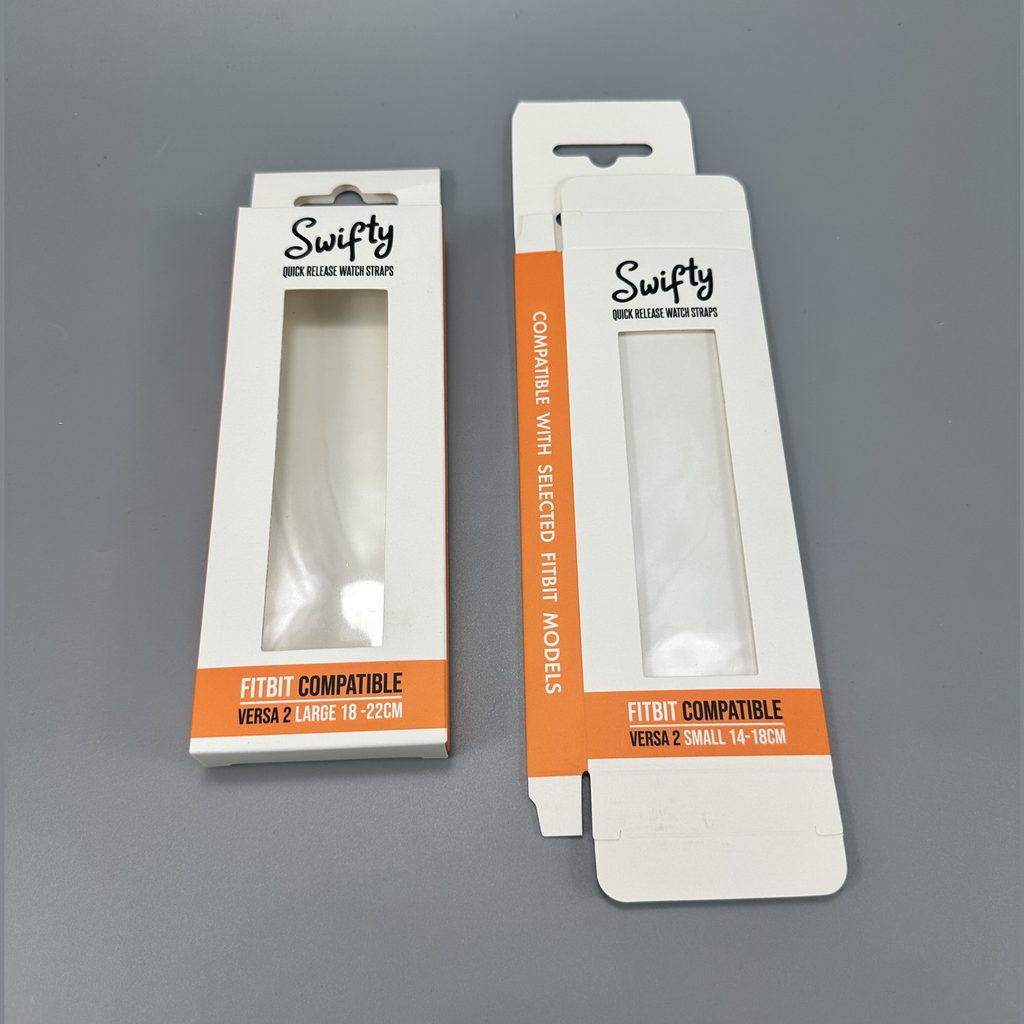
Connect Structural Design with Print Preparation
A dieline is the production template showing how the package will be cut, creased, and assembled. Approve its structure before finalizing artwork.
Have your designer and manufacturer confirm:
– Internal dimensions and the intended product clearance.
– Cut lines, crease lines, glue areas, and artwork orientation.
– Bleed and safe-area requirements for the selected process.
– Separate specifications for foil, embossing, or other finishes.
– Placement of barcodes, variable information, and required text.
Avoid treating a generic artwork template as a universal production standard. Requirements should match the actual manufacturer, material, and printing method.
Review important text across folds and closures. Information that looks clear on a flat layout may become difficult to read once assembled.
Test Custom Packaging Before Approving Production
Sampling should answer defined questions, not simply confirm that the box looks attractive.
Separate Structural Approval from Appearance Approval
Use an unprinted structural sample to evaluate fit, assembly, product removal, and closure.
Then assess a printed or finished sample for artwork placement, color expectations, surface appearance, and finishing quality. Confirm how closely each sample represents the intended production process.
For an illustrative skincare gift set, check whether the insert prevents bottles from contacting each other while allowing comfortable removal. This is a design example, not a reported Bonito Packaging customer project.
Match Transit Testing to the Distribution Route
Test the complete shipping configuration, including the product, insert, presentation box, and outer packaging where applicable.
ISTA Procedure 3A covers individual packaged products weighing 70 kg or less shipped through parcel delivery systems. It is one possible reference—not a universal test for every distribution route.
Agree on the appropriate protocol and acceptance criteria with a qualified testing provider. A presentation sample alone does not establish shipping performance.
Compare Total Packaging Cost, Not Only Unit Price
A lower box price does not necessarily produce a lower delivered cost.
Compare quotations using the same specification, then consider:
– Tooling and setup charges.
– Inserts and additional components.
– Packing labor and assembly time.
– Storage space and freight requirements.
– Protective outer packaging.
– Potential damage and replacement costs.
For premium custom paper packaging, consider requesting two design routes: one focused on presentation and another on material efficiency.
Compare physical samples alongside quotations. This makes the trade-off visible without assuming that the most elaborate option delivers the most value.
Make Environmental Claims Specific and Verifiable
Paper-based packaging should not automatically be described as “eco-friendly,” “fully recyclable,” or “sustainable.”
Separate claims about recycled content from claims about recyclability. They describe different attributes and require different supporting evidence.
For the U.S. market, FTC guidance says recyclable claims should be qualified when appropriate recycling facilities are unavailable to at least 60% of consumers or communities where the item is sold.
Ask suppliers for documentation supporting material claims. Assess the complete construction, including coatings, adhesives, inserts, and additional components, rather than relying on the base paper alone.
Use precise wording that matches the evidence and the destination market.
Turn Your Packaging Brief into a Production-Ready Project
Bonito Packaging is a manufacturer of high-end custom paper packaging. To start a focused discussion, send your product dimensions, weight, reference images, estimated quantity, destination, and launch timeline.
Tell us whether your priority is retail presentation, gifting, or direct shipping. Request a structure-and-material proposal and confirm the sampling scope before committing to production.
The objective is a package that expresses your brand while remaining practical to manufacture, pack, and deliver.
Frequently Asked Questions
1. What Is Custom Packaging Design?
Custom packaging design combines structure, materials, graphics, and production requirements to create packaging suited to a particular product, brand, and distribution method.
2. Which Box Type Is Best for Premium Products?
There is no universal choice. Rigid boxes suit many presentation projects, while folding cartons or corrugated formats may better match retail, storage, or shipping needs.
3. Should Artwork or Structural Design Come First?
Confirm the product fit and structural dieline first. Developing final artwork around an unapproved structure can create avoidable revisions.
4. Does Every Premium Box Need an Insert?
No. Use an insert when it serves a clear purpose, such as positioning components, separating surfaces, or improving presentation. Confirm its function through sampling.
5. How Can I Reduce Custom Packaging Costs?
Simplify unnecessary components, review dimensions, compare finish options, and evaluate assembly and freight alongside the quoted unit price. Keep protection requirements unchanged unless testing supports a revision.
6. Is Paper Packaging Always Recyclable?
No. The complete construction and available recycling systems matter. Environmental claims should reflect the actual package and the market where it is sold.
References
1. [Packwire — “A Quick Guide to Packaging Design”]. Original article supplied for reconstruction. Used as the starting point for discussions of brand communication, sales context, packaging formats, and preproduction review. Its historical examples are not presented here as proof of commercial causation. [packwire]
2. [International Safe Transit Association — “Test Procedures”]. Official explanation of general simulation performance testing and the scope of Procedure 3A for individual parcel-delivery packaged products weighing 150 lb / 70 kg or less. [ista]
3. [International Safe Transit Association — “Getting Started with Design & Testing”]. Official guidance connecting test selection to distribution type and packaging configuration. Supports the recommendation to choose testing according to the actual shipping route. [ista]
4. [Federal Trade Commission — “Environmental Claims: Summary of the Green Guides”]. Official guidance covering recyclable claims, the 60% facilities-access threshold, and qualified recycled-content statements. The threshold is not presented as sufficient proof of recyclability by itself. [ftc]