
Content Menu
● Why Heavy Glass Changes the Packaging Brief
● Spirits vs Wine: Structural Needs Compared
● The Core Structural Requirements
>> 1. Choose the right board thickness
>> 2. Build a stable bottle cradle
>> 3. Reinforce the corners and closure points
>> 4. Balance clearance and restraint
● Structural Formats That Work Best
● A Practical Selection Method
● Premium Value Now Depends on Stability
● Sustainability Without Weakening the Box
● Why Bonito Packaging Is a Strong Fit
● FAQ
>> 1. What is the best rigid box style for heavy glass bottles?
>> 2. How thick should a rigid box be for premium alcohol packaging?
>> 3. Do wine and spirits need different inserts?
>> 4. Can a rigid box improve the perceived value of the bottle?
>> 5. What should be tested before mass production?
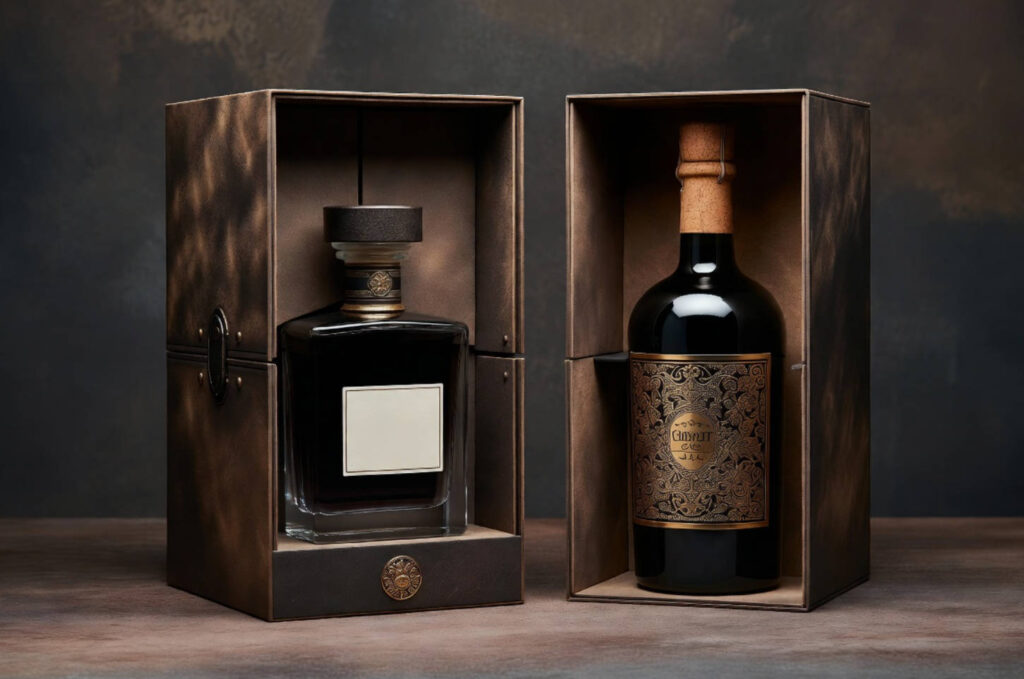
For premium beverage brands, starre Kästen for spirits and wine do more than protect a bottle. They shape first impressions, support premium pricing, and reduce breakage risk when heavy glass must travel from factory to shelf, cellar, or gift set.
As a packaging strategist working with export-focused manufacturers, I have seen one pattern repeat across whiskey, wine, and collectible releases: the bottle may win the sale on the shelf, but the Box often decides whether the customer trusts the brand before opening it. That is why structural design matters just as much as print finish or decoration.
Why Heavy Glass Changes the Packaging Brief
A standard folding carton can work for lightweight products. It usually fails when the bottle has a thick base, high shoulder, unusual neck geometry, or accessory set that increases total package weight.
Heavy glass creates three packaging pressures at once:
– Vertical load from the bottle weight.
– Impact stress from drops, vibration, and pallet movement.
– Perceived value pressure, because the outer box must feel as premium as the product inside.
For spirits, especially whiskey, rum, cognac, tequila, and limited-edition liqueurs, bottle weight is part of the brand story. For wine, the challenge is slightly different: many premium wine bottles are still heavy, but they are often paired with a narrower base and a longer body, which changes the way force moves inside the box.
Spirits vs Wine: Structural Needs Compared
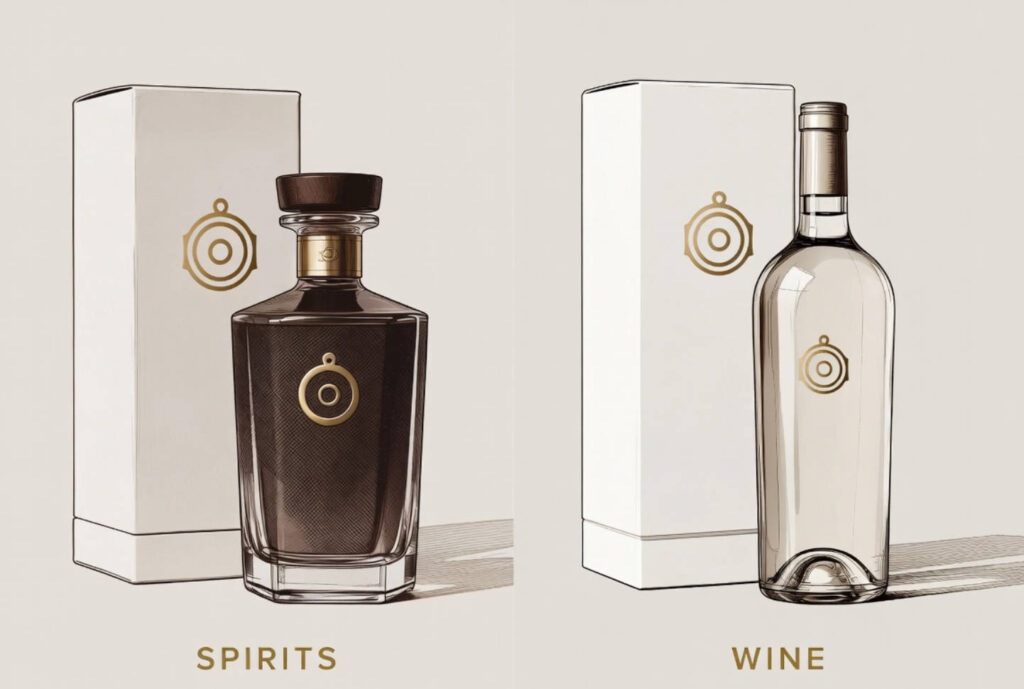
Although both categories belong in luxury rigid packaging, they do not behave the same way.
| Faktor | Spirits | Wine |
|---|---|---|
| Typical bottle shape | Shorter, wider, heavier base | Taller, slimmer, more elongated |
| Weight distribution | Concentrated at the bottom | More evenly distributed along the body |
| Main risk | Base shock and sidewall pressure | Neck movement and top-heavy tipping |
| Best structure | Magnetic rigid box, drawer box, book-style box | Two-piece rigid box, hinged box, insert box |
| Brand goal | Strong shelf presence and gifting value | Elegance, protection, and cellar-worthy presentation |
In practice, spirits packaging often needs stronger base support, while wine packaging needs better vertical stabilization. That difference sounds small, but it changes the insert geometry, the board thickness, and the internal clearance around the bottle.
The Core Structural Requirements
1. Choose the right board thickness
For most premium rigid boxes, the chipboard core should usually sit in the 2.0 mm to 3.0 mm range. Heavier bottle programs may require additional reinforcement, especially when the package includes a glass stopper, tasting tools, or two-bottle presentation.
The board should not be selected by habit. It should be selected by load, bottle weight, shipping routeund presentation format.
2. Build a stable bottle cradle
The internal insert is not decoration. It is the load-bearing system.
A strong insert should:
– Hold the bottle in a fixed centerline position.
– Prevent neck sway during transport.
– Support the base without point pressure.
– Leave enough tolerance for finish variation.
– Keep the bottle from rattling after repeated handling.
EVA foam, paperboard inserts, molded pulp, and layered chipboard each solve different problems. For premium spirits, a dense insert with precise cutouts often performs best. For wine, a tall cradle with neck lock and shoulder support is usually more effective.
3. Reinforce the corners and closure points
Rigid boxes fail most often at stress points, not in the middle panel. Corners, hinges, and magnet zones must be designed for repeated opening and closing.
If the box is drawer-style, the friction between sleeve and tray must be tested with the final bottle weight inside. If the box is two-piece, the lid should seat securely without compressing the bottle finish. If the box uses magnets, the closure force should feel premium without creating structural distortion.
4. Balance clearance and restraint
Too much clearance causes movement. Too little clearance increases abrasion and assembly defects.
A good heavy-glass package always balances two goals:
– Restraint, so the bottle does not move.
– Tolerance, so the bottle can be packed efficiently without scuffing labels or embossing.
This is where sample testing matters. A one-millimeter difference can change fit, sound, and shipping performance.
Structural Formats That Work Best
Different formats solve different packaging jobs. The right choice depends on whether the bottle is sold as a gift, a retail SKU, or a collector’s release.
1. Two-piece rigid box: Best for wine and classic premium presentations. It is simple, elegant, and easy to stack.
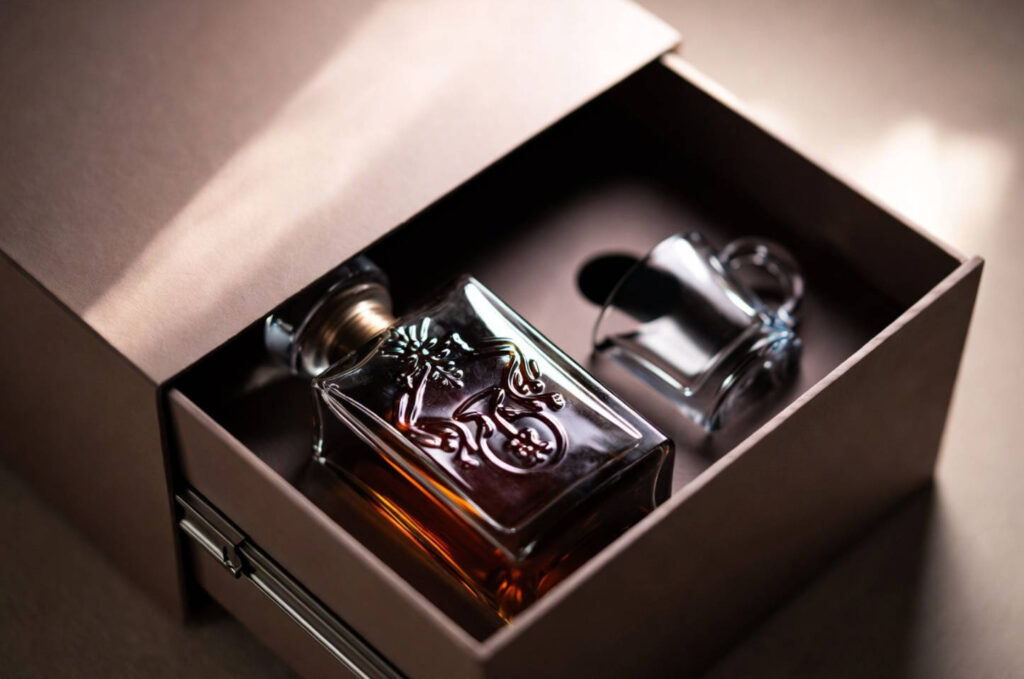
2. Drawer rigid box: Best for spirits, especially when you want a reveal moment and accessory space.
3. Book-style rigid box: Best for storytelling, brand narrative, and premium gift sets.
4. Magnetic rigid box: Best for luxury alcohol launches that need a clean close and strong shelf appeal.
5. Bottle-and-accessory rigid kit: Best for whiskey sets, decanters, tasting glasses, or holiday gifting.
For heavyweight glass, the most important question is not “Which style looks best?” It is “Which style protects the bottle without making the box bulky or wasteful?”
What Usually Goes Wrong
In real projects, heavy-glass packaging fails for predictable reasons. The biggest mistakes are usually not graphic design mistakes. They are structural mistakes.
Common issues include:
– Choosing a board that looks premium but bends under load.
– Ignoring bottle base diameter and shoulder angle.
– Designing inserts before confirming the final bottle sample.
– Forgetting the extra weight of caps, labels, seals, and inner accessories.
– Shipping a beautiful box that survives display but fails transit.
My advice is simple: engineer the box from the bottle outward. Never start with artwork and ask structure to “make it work later.”
A Practical Selection Method
When evaluating rigid boxes for spirits and wine, use this five-step method.
1. Measure the real bottle: height, diameter, base weight, neck length, and shoulder form.
2. Define the use case: retail shelf, gifting, export shipping, or collector packaging.
3. Choose the insert first: because the insert defines movement control.
4. Select board thickness: based on load, route, and brand positioning.
5. Test a full sample: close the box, shake it, stack it, drop-test it, and inspect the finish.
This process reduces rework and gives the brand a more reliable premium experience.
Premium Value Now Depends on Stability
One major shift in the alcohol category is that premium packaging is no longer judged only by appearance. Buyers now notice structural confidence: how solid the box feels, how cleanly it opens, and whether the bottle sits correctly.
That matters because premium spirits and wine are often bought as gifts, displayed at home, or shared in hospitality settings. In those moments, the package becomes part of the product experience, not a disposable wrapper.
For that reason, a rigid box should be designed to perform three jobs at once:
– Protect the glass.
– Signal luxury.
– Support a memorable unboxing sequence.
Sustainability Without Weakening the Box
Many brands want premium packaging that also feels responsible. That is possible, but sustainability should not come from under-engineering the structure.
The best approach is to reduce waste through smart material use, not through flimsy construction. That means selecting the lightest structure that still protects the bottle, using recyclable wraps where possible, and avoiding unnecessary inserts or oversized voids.
In other words, sustainable luxury is not about making the box weaker. It is about making it smarter.
Why Bonito Packaging Is a Strong Fit
For export-focused brands, the best rigid box supplier is not just a printer or assembler. It is a manufacturing partner that understands bottle geometry, transit risk, presentation value, and brand positioning.
That is especially important for rigid boxes for spirits and wine, where the same outer style can fail if the internal support is not matched to the product weight. A specialist manufacturer can help turn a fragile glass product into a premium unboxing experience that feels secure from warehouse to customer.
If you are developing a premium wine or spirits packaging project, start with the bottle sample, not the artwork. Request a structural review, compare insert options, and test the final box under real shipping conditions before launch.
FAQ
1. What is the best rigid box style for heavy glass bottles?
A drawer box or magnetic rigid box is often best for spirits, while a two-piece rigid box works very well for wine. The final choice depends on bottle shape, weight, and how much protection the insert provides.
2. How thick should a rigid box be for premium alcohol packaging?
Most premium alcohol rigid boxes use a chipboard core around 2.0 mm to 3.0 mm. Heavier bottles may require a stronger structure or a more protective insert system.
3. Do wine and spirits need different inserts?
Yes. Spirits usually need stronger base control, while wine often needs better neck stabilization. The insert should always match the exact bottle geometry.
4. Can a rigid box improve the perceived value of the bottle?
Yes. A well-designed rigid box creates a premium unboxing experience and makes the product feel more collectible, gift-worthy, and trustworthy.
5. What should be tested before mass production?
You should test fit, closure strength, drop resistance, stacking pressure, and label protection. A final sample is essential before production begins.
References
1. APCO, Quickstart Guide: Glass Packaging — [https://apco.org.au/quickstart-guide-glass-packaging/]
2. APCO, Design for Recovery Guidelines: Glass Packaging — [https://apco.org.au/design-for-recovery-guidelines-glass-packaging/]
3. IWSR, Global leader in beverage alcohol data and insights — [https://www.iwsr.com/]
4. IWSR, Global alcohol volumes and market trend reporting — [https://www.iwsr.com/]
5. Packaging industry guidance on rigid box structures and chipboard thickness, including premium alcohol applications — [https://www.boxesgen.com/custom-liquor-boxes/]
6. Packaging industry guidance on rigid wine box construction and insert support — [https://wynaldapackaging.com/custom-liquor-bottle-boxes/]
Hot Tags: Rigid Box, Rigid Boxes, Premium Folding Cartons, Manufacturers, Customized, Custom, Suppliers, Buy, Cheap, Quality, Advanced, Durable, in Stock, Made in China, Price, Quotation, Free Sample
 English
  Spanish
  French
  German
  Russian
  Japanese
  Portuguese
  Arabic