
Choosing the right bulk food packaging supplies means balancing food protection, purchasing costs, and brand presentation. For caterers, bakeries, takeaway businesses, and specialty food brands, the cheapest container is not always the most economical choice.
My starting point is simple: define what the food needs before choosing how the packaging looks. A pastry assortment, a hot sandwich, and a bottled gift set require different structures.
Em Embalagem de Bonito, our focus is high-end custom paper packaging. This guide explains where paper-based solutions fit, when complementary materials are necessary, and what buyers should verify before placing a wholesale order.
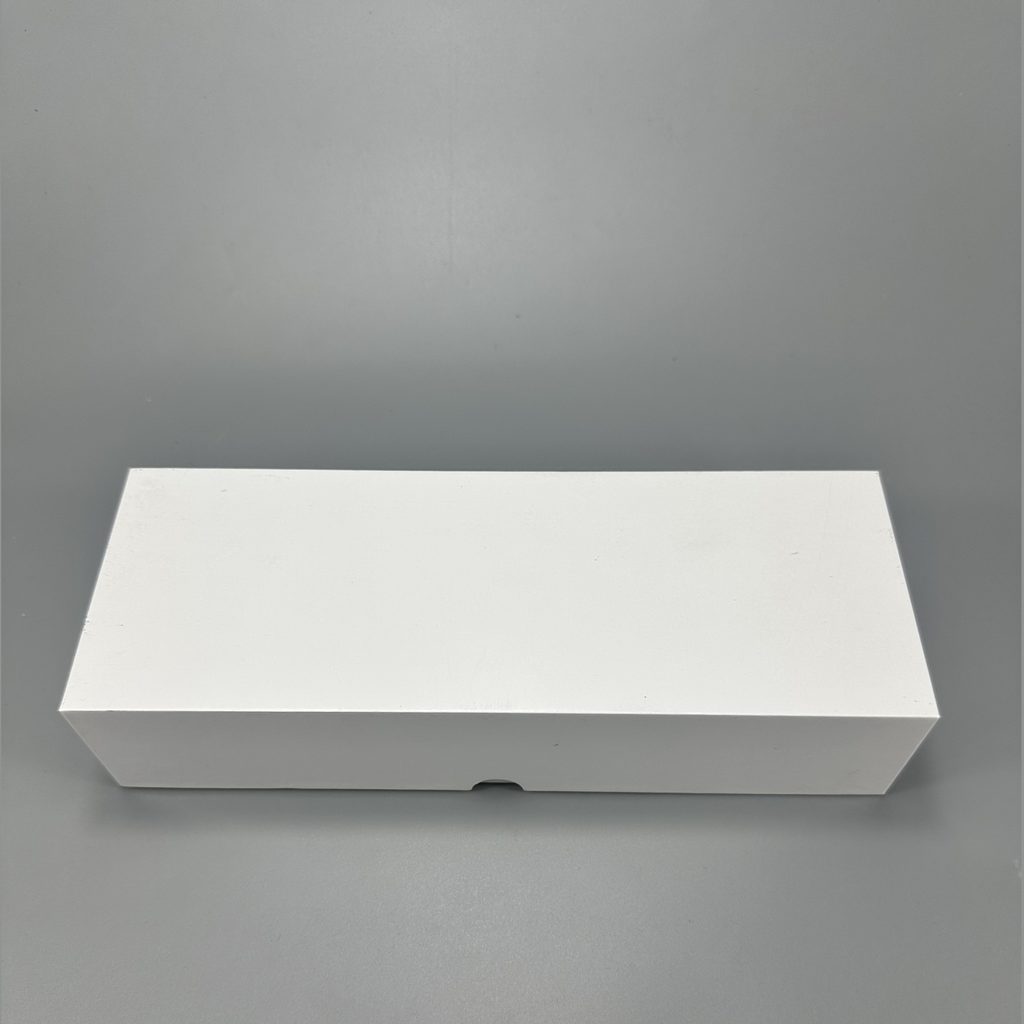
Top 10 Bulk Food Packaging Supplies and Their Best Uses
The following comparison is a purchasing framework, not a guarantee of performance. Suitability depends on the finished construction and intended use.
| Packaging supply | Typical application | Main purchasing check |
|---|---|---|
| Folding food cartons | Sandwiches, pastries, snacks | Fit, closure, food-contact suitability |
| Corrugated catering boxes | Group orders and transport | Loaded stacking strength |
| Envoltórios resistentes à gordura | Burgers and baked goods | Barrier performance |
| Paper food trays | Immediate-service snacks | Rigidity and grease resistance |
| Paper shopping bags | Boxed meals and retail orders | Handle and base strength |
| Dividers and inserts | Cupcakes, jars, gift assortments | Movement control |
| Rigid food gift boxes | Premium packaged food gifts | Separation from exposed food |
| Portion cups and lids | Sauces and dressings | Closure and leakage |
| Tamper-evident labels | Delivery packaging | Adhesion and visible opening |
| Insulated carriers | Temperature-sensitive deliveries | Validated thermal performance |
1. Custom Folding Food Cartons
Folding cartons provide printable surfaces and can be supplied flat. They suit many bakery and takeaway applications when the board, barrier, and structure match the food.
Check internal dimensions with the actual product. A tight fit can damage decoration; excessive space allows movement.
2. Corrugated Catering and Delivery Boxes
Corrugated boxes can consolidate smaller food packs into manageable orders.
Evaluate the complete loaded box rather than board thickness alone. Handle openings, humidity, stacking time, and the arrangement of contents all affect performance.
3. Grease-Resistant Paper and Wraps
Wraps help separate food from the outer carton and manage oil transfer.
Grease resistance does not mean liquid containment. A wrapper suitable for a pastry may be unsuitable for a heavily sauced sandwich. Request evidence matching the food and contact conditions.
4. Paper Food Trays and Boats
Open trays support quick service for snacks and finger foods.
Their limitation is exposure. They need another protective layer for delivery, and their suitability for wet or oily food depends on their construction.
5. Reinforced Paper Shopping Bags
A paper bag completes the carrying system, but paper weight alone cannot establish carrying capacity.
Test the handles, adhesive joints, and base with the complete order. Include drinks or other heavy items when they are part of normal use.
6. Paper Dividers and Custom Inserts
Inserts can separate cupcakes, jars, and individually wrapped confectionery.
Design around product tolerances, not just a single sample. The insert should restrain movement without making removal difficult.
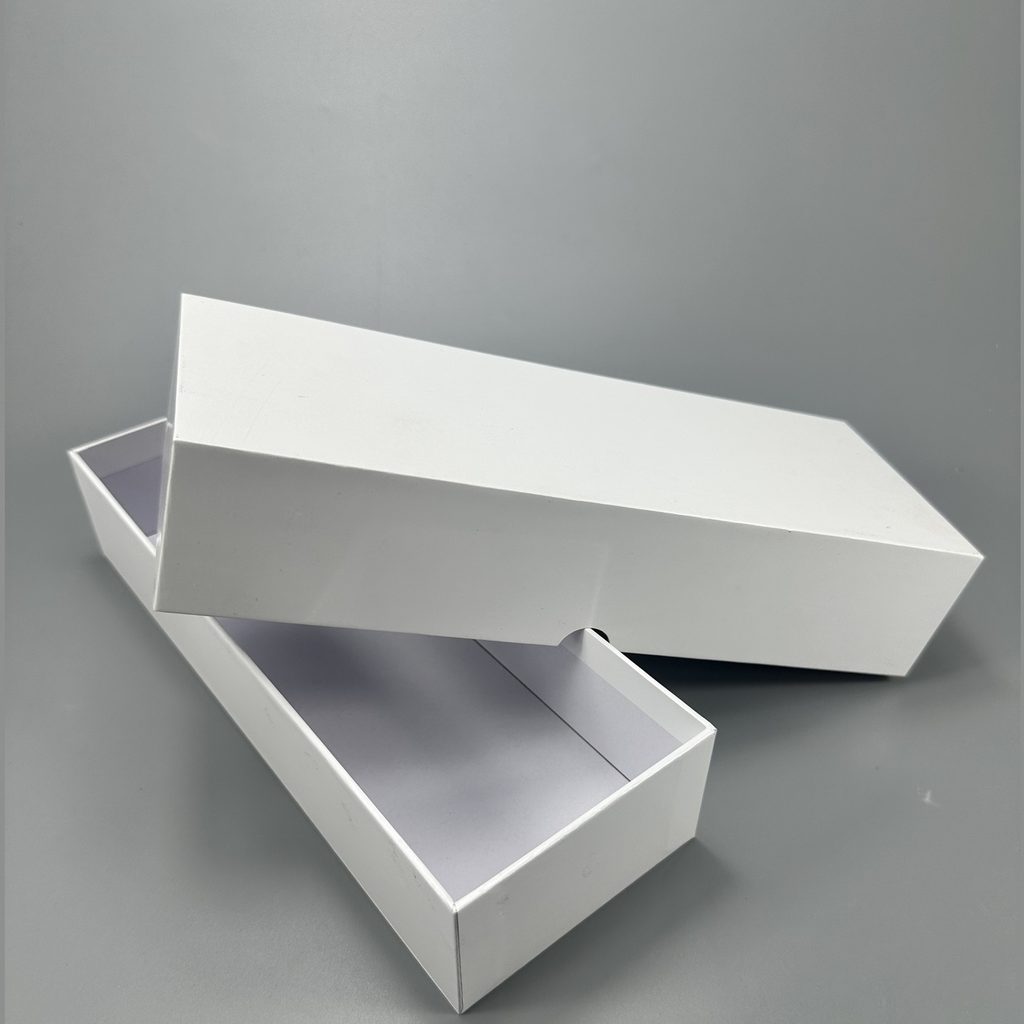
7. Premium Rigid Food Gift Boxes
Rigid boxes suit premium tea, chocolate, and gourmet gift presentations.
However, decorative packaging is not automatically suitable for exposed food. Individually wrapped products or a verified food-contact inner pack may be necessary.
8. Portion Cups with Compatible Lids
Sauces often require a separate container rather than a paper carton.
Choose the cup and lid as a tested combination. Do not assume that a particular lid profile guarantees leak resistance.
9. Tamper-Evident Labels and Seals
A properly designed seal can make opening visible.
Test adhesion on the actual surface, including varnished or textured paper. Tamper evidence does not prove food safety or prevent contamination.
10. Insulated Transport Carriers
Insulated carriers complement disposable packaging when deliveries require temperature control.
Validate the complete delivery process with temperature measurements. A paper box or insulated cover alone cannot guarantee safe holding conditions.
How to Verify Food-Contact Compliance
“Food-grade” is not a complete purchasing specification. For U.S. applications, suitability depends on the packaging components and their intended conditions of use.
Ask suppliers to document:
– Food types, including fatty, acidic, or aqueous foods.
– Contact duration and temperature.
– Whether direct food contact is intended.
– Applicable regulatory compliance.
– Any restrictions on reheating or storage.
Request documentation for the finished construction, including relevant coatings, adhesives, and printing components. Avoid treating a generic certificate as evidence for every application.
Check Grease Barriers and PFAS Documentation
U.S. regulatory developments have changed the position of PFAS grease-proofing agents in paper food packaging. In January 2025, 35 related food contact notifications became ineffective following abandonment of those uses.
Ask for current barrier specifications and supporting declarations. “No intentionally added PFAS” and a laboratory result below a detection limit are different statements; neither should be presented as proof of absolute zero.
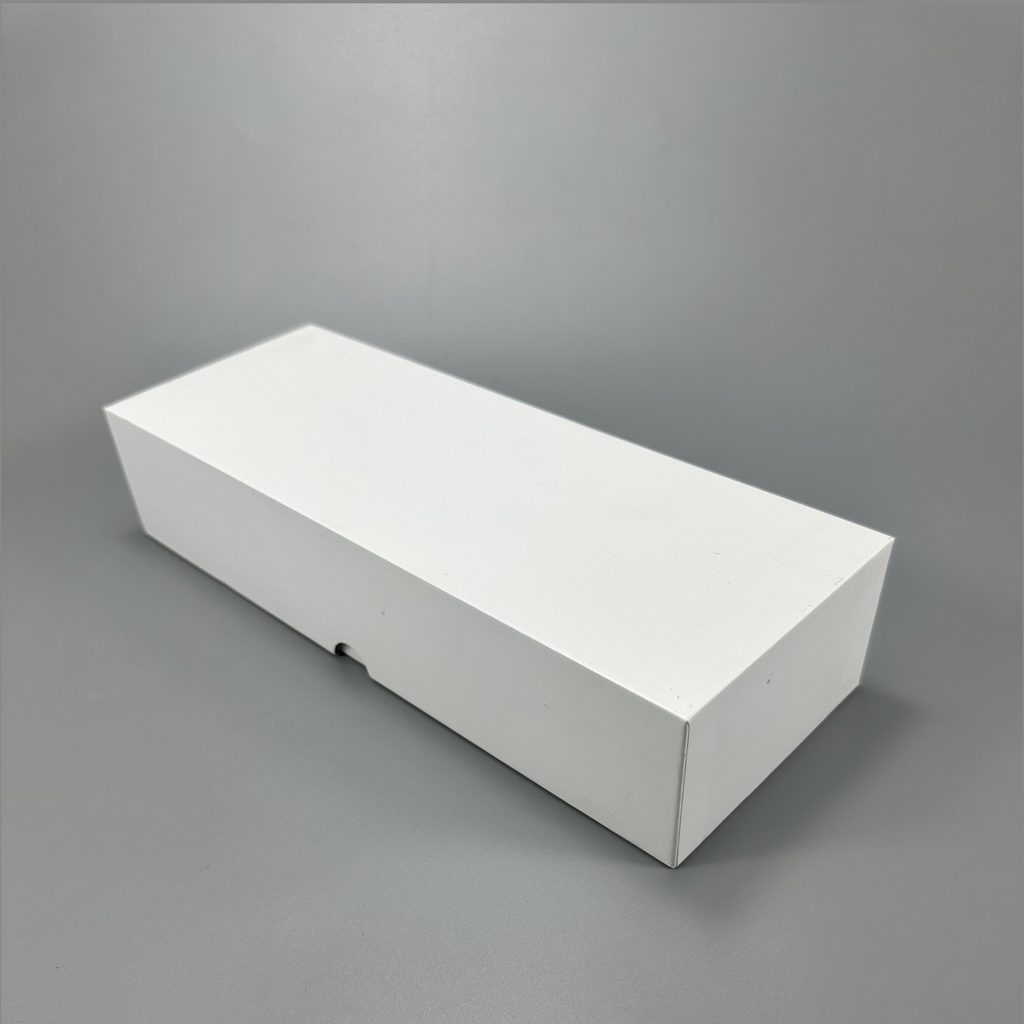
A Five-Step Test Before Ordering Wholesale Food Packaging
A sample should demonstrate performance, not merely appearance.
1. Pack the real menu item at its normal packing temperature.
2. Hold it for the expected journey and service period.
3. Reproduce normal stacking and handling.
4. Inspect leakage, grease marks, condensation, deformation, and product movement.
5. Record results and approve a reference sample.
For fried foods, compare ventilation options against texture and temperature requirements. For pastries, examine decoration damage and moisture changes.
Set measurable acceptance criteria before testing. “Looks strong” is less useful than a defined load, holding period, and acceptable condition.
Calculate Total Cost, Not Just the Wholesale Price
Compare quotations using the same dimensions, materials, printing requirements, quantities, and delivery terms.
The useful comparison includes:
– Packaging and freight.
– Tooling and setup charges.
– Storage space.
– Packing labor.
– Damaged or unusable stock.
– Obsolescence after menu or artwork changes.
A compact flat-packed carton may reduce storage requirements, but assembly time can offset that advantage. Evaluate both with a short operational trial.
Standardize sizes where practical, but do not force every product into one oversized box. Request separate minimum quantities for each size and artwork version.
Make Environmental Claims Specific
Paper-based does not automatically mean recyclable, compostable, or biodegradable in actual disposal conditions.
Coatings, windows, adhesives, food residue, and local collection systems can affect the disposal route. Assess the finished package rather than its main material alone.
Under U.S. environmental marketing guidance, unqualified recyclable claims generally require suitable facilities to be available to at least 60% of consumers or communities where the product is sold.
Prefer precise, supported statements over broad promises such as “completely eco-friendly.”
Plan Your Custom Packaging with Bonito Packaging
For a useful packaging discussion, send Bonito Packaging your product dimensions, food-contact requirements, order volume, delivery conditions, and branding goals.
Ask to review structure, material specifications, artwork, and samples before production. Treat primary food-contact packaging and premium presentation packaging as separate requirements whenever necessary.
The objective is a packaging system that protects the product, works for staff, and presents your brand consistently.
Perguntas frequentes
1. What are the best bulk food packaging supplies for a small catering business?
Start with a limited range of cartons, transport boxes, bags, and sauce containers matched to your menu. Expand only when testing shows a genuine need.
2. Can custom paper packaging hold hot food?
Some constructions can, but suitability must be confirmed for the specific food, temperature, and contact duration. Never infer microwave or oven safety from appearance.
3. What is the difference between grease-resistant and leak-resistant packaging?
Grease resistance limits oil penetration. Leak resistance concerns liquid escape through materials, seams, and closures. One does not establish the other.
4. How can I reduce wholesale packaging costs?
Compare total delivered and operational costs. Consider size standardization, flat-pack storage, assembly time, and demand forecasting rather than ordering more solely for a lower unit price.
5. Can rigid gift boxes directly contact food?
Only when their finished construction is suitable for that use. Otherwise, use verified inner packaging or individually wrapped products.
References
1. The Boxology. “Top 10 Bulk Food Packaging Supplies Every Catering Business Needs.” Original article reviewed for its product categories and catering focus. Its unsupported savings figures, first-person experience claims, discounts, and delivery promises were not adopted. [theboxology]
2. U.S. Food and Drug Administration. “Determining the Regulatory Status of Components of a Food Contact Material.” Basis for component-level compliance, intended-use assessment, and supplier documentation guidance. [fda]
3. U.S. Food and Drug Administration. “Food Packaging & Other Substances that Come in Contact with Food: Information for Consumers.” Background on food-contact substances and authorization for intended uses. [fda]
4. U.S. Food and Drug Administration. “FDA Determines Authorization for 35 Food Contact Notifications Related to PFAS Are No Longer Effective.” Basis for the January 2025 regulatory update concerning grease-proofing uses in paper and paperboard packaging. [fda]
5. Federal Trade Commission. “Environmental Claims: Summary of the Green Guides.” Basis for qualified environmental claims and the 60% availability threshold for unqualified recyclable claims. [ftc]
 English
 Spanish
 French
 German
 Russian
 Japanese
 Portuguese
 Arabic