
Content Menu
● Why Sustainable Packaging Matters
● 18 Sustainable Packaging Ideas
>> 2. Choose Mono-Material Structures
>> 3. Reduce Unnecessary Layers
>> 4. Switch to Compostable Materials Where Appropriate
>> 5. Use Molded Fiber Inserts
>> 8. Minimize Plastic Windows
>> 10. Add QR Codes for Disposal Guidance
>> 12. Use Lightweight Materials
>> 13. Create Refillable Packaging Systems
>> 14. Replace Foam with Fiber-Based Protection
>> 15. Simplify Print Coverage
>> 16. Use Protective Design Instead of Extra Fillers
>> 17. Make Sustainability Easy to Understand
>> 18. Match Packaging to the Product Lifecycle
● How Brands Can Apply These Ideas
● FAQ
>> 1. What is eco-friendly packaging?
>> 2. Is paper packaging always the most sustainable option?
>> 3. What is the best eco-friendly packaging for luxury products?
>> 4. How can packaging reduce waste without losing quality?
>> 5. Can eco-friendly packaging still look premium?
>> How do QR codes improve packaging sustainability?
Introduction
Eco-friendly packaging is now part of the conversation for every brand that wants to stay relevant in a changing market. Customers expect packaging to do more than hold a product; they want it to reflect a brand’s values, protect the item during shipping, and avoid unnecessary waste.
Pour emballage sur mesure brands, this creates a valuable opportunity. The best sustainable packaging solutions are not plain or limited. They can be elegant, durable, and highly customized while still reducing environmental impact.
As packaging regulations tighten and consumer expectations rise, brands need packaging systems that are both practical and responsible. That means making smarter decisions about material selection, structure design, printing methods, and end-of-life disposal.
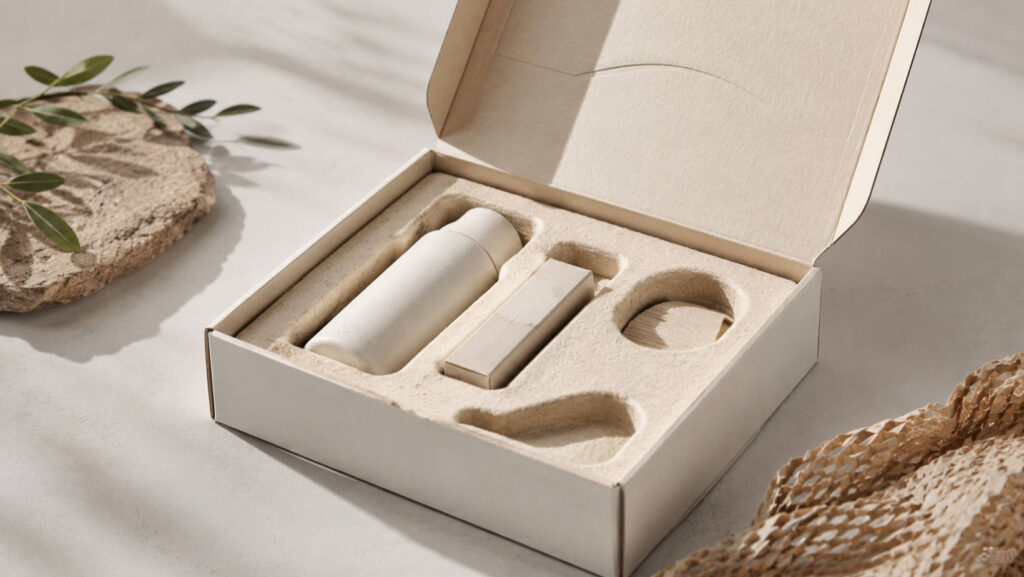
Why Sustainable Packaging Matters
Sustainable packaging matters because it helps brands address three important goals at the same time: reducing waste, improving customer perception, and supporting long-term business efficiency.
First, packaging that uses fewer resources can lower shipping weight and reduce material consumption. Second, customers increasingly notice whether a brand is making visible efforts to reduce environmental impact. Third, packaging built with recycling and reuse in mind is easier to adapt as regulations and market expectations continue to evolve.
In many industries, packaging is also part of the first physical impression a customer has of the brand. A well-designed sustainable package can communicate quality, care, and responsibility in a single experience.
18 Sustainable Packaging Ideas
1. Use Recycled Paperboard
Recycled paperboard is one of the most versatile materials for eco-friendly packaging. It works well for folding cartons, rigid boxes, mailers, and inserts. It also supports strong printing quality, which makes it a good fit for premium branding.
2. Choose Mono-Material Structures
Mono-material packaging is easier to sort and recycle because it uses one primary material type. This reduces complexity and improves the chance that the package can enter a standard recycling stream.
3. Reduce Unnecessary Layers
Many packages contain extra wraps, fillers, and decorative elements that do not improve protection. Removing these layers can simplify the structure, reduce cost, and create a cleaner customer experience.
4. Switch to Compostable Materials Where Appropriate
Compostable materials can be useful for specific product categories and disposal environments. They are not the right answer for every package, but they can be effective when the product, market, and end-use conditions match.
5. Use Molded Fiber Inserts
Molded fiber inserts are a strong alternative to foam and plastic trays. They help protect products during shipping while supporting a more sustainable packaging system.
6. Right-Size Every Box
Right-sized packaging reduces empty space and helps minimize filler usage. It also improves shipping efficiency and makes the package feel more intentional and polished.
7. Select Water-Based Inks
Water-based inks are often preferred for packaging that aims to reduce environmental impact. They support clean printing while avoiding some of the drawbacks associated with harsher ink systems.
8. Minimize Plastic Windows
If a clear window is necessary, it should be kept as small as possible. Large plastic windows can complicate recycling and reduce the overall sustainability of the package.
9. Use FSC-Certified Paper
FSC-certified paper supports responsible forest management and adds credibility to packaging claims. It is a practical choice for brands that want a paper-based package with a traceable material source.
10. Add QR Codes for Disposal Guidance
QR codes can help customers understand how to recycle, reuse, or dispose of packaging correctly. This is especially helpful when packaging contains multiple components or when disposal rules vary by region.
11. Design for Reuse
Reusable packaging can give the customer another purpose for the box, sleeve, or container after the product is opened. This can be especially effective for luxury goods, gifting, and subscription products.
12. Use Lightweight Materials
Lightweight packaging reduces shipping weight and can help lower transport-related impact. The challenge is to reduce material use without sacrificing strength or product protection.
13. Create Refillable Packaging Systems
Refillable systems are growing in categories such as cosmetics, toiletries, and household products. They reduce the amount of packaging needed over time and can encourage repeat purchases.
14. Replace Foam with Fiber-Based Protection
Fiber-based protection materials are becoming a more common alternative to plastic foam. They provide cushioning while supporting a more recyclable packaging system.
15. Simplify Print Coverage
Packaging does not need to be covered in heavy graphics to feel premium. A minimalist design can reduce ink usage while creating a modern and high-value look.
16. Use Protective Design Instead of Extra Fillers
A package that is engineered well can often protect the product without relying on excess fillers. Structural design matters just as much as material choice.
17. Make Sustainability Easy to Understand
Customers respond better when sustainability is explained clearly. Simple messages about recyclable materials, reusable design, or disposal instructions are more effective than vague environmental claims.
18. Match Packaging to the Product Lifecycle
The best sustainable packaging is designed around how the product is shipped, opened, stored, used, and discarded. When packaging matches the full lifecycle of the product, it becomes more effective and more meaningful.
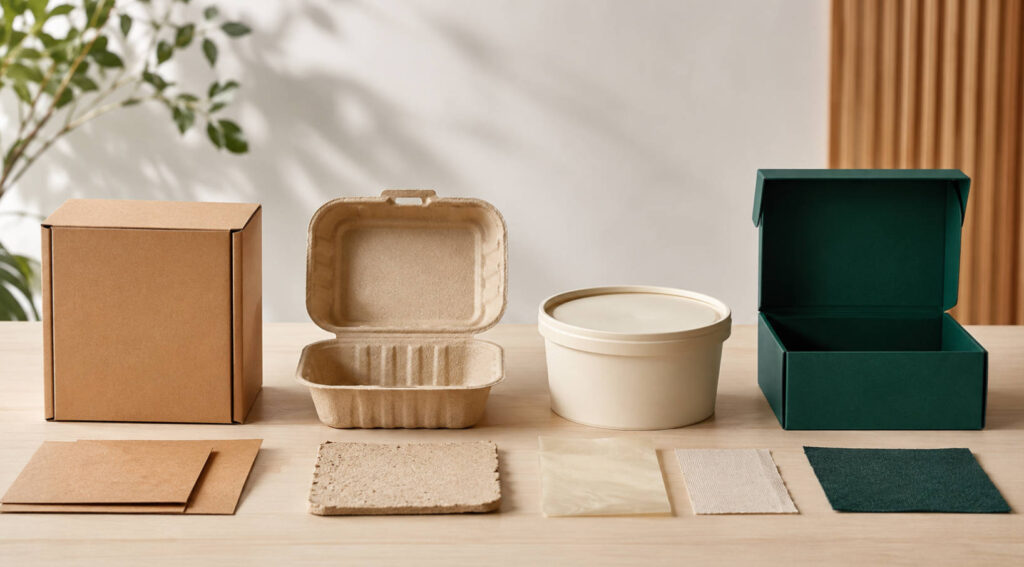
Material Comparison Table
| Matériau | Meilleure utilisation | Main Advantage | Limitation |
|---|---|---|---|
| Recycled paperboard | Boxes, mailers, cartons | Strong balance of sustainability and print quality | Lower moisture resistance |
| Molded fiber | Inserts, protective trays | Replaces foam with fiber-based protection | Less polished appearance without finishing |
| Compostable material | Special-use packaging | Supports lower-impact disposal | Requires suitable disposal conditions |
| FSC-certified paper | Premium paper packaging | Supports responsible sourcing | Not automatically recyclable if combined with other materials |
| Lightweight paperboard | Emballage pour le commerce électronique | Reduces shipping weight | Must be tested for strength |
| Reusable rigid box | Luxury packaging | Extends packaging life | Higher upfront cost |
How Brands Can Apply These Ideas
A practical sustainable packaging strategy starts with a simple review of the current package structure. Identify which parts are necessary for protection and which parts only add visual bulk. From there, choose the lightest and most recyclable material that still performs well in transit.
Next, simplify the design. Use fewer material types, reduce unnecessary printing, and make disposal instructions easy to understand. Finally, test the packaging in real shipping conditions before scaling production.
This approach helps brands avoid waste without weakening the unboxing experience. It also creates a more consistent balance between visual quality, function, and responsibility.
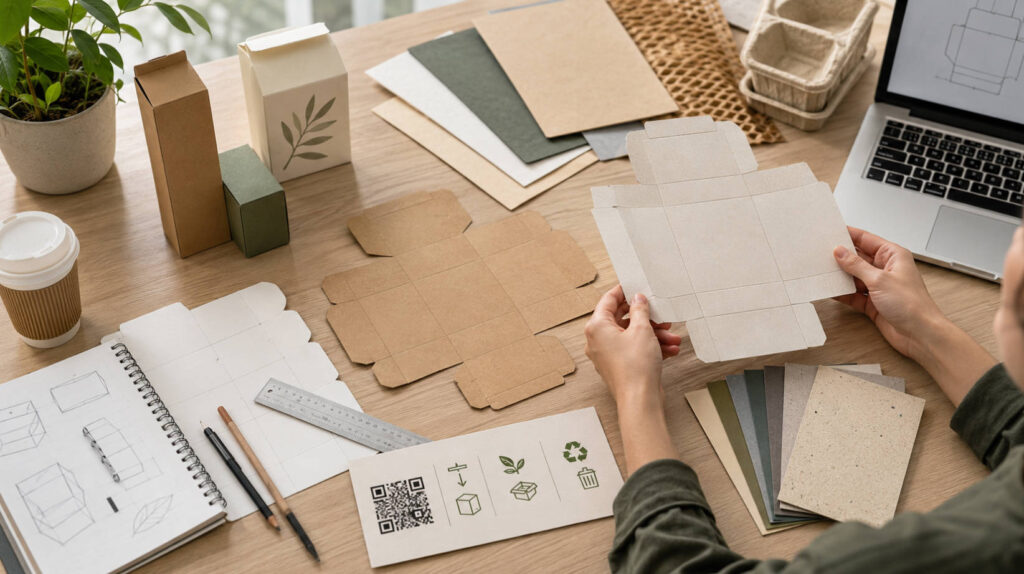
Réflexions finales
Eco-friendly packaging is no longer about looking responsible. It is about creating a smarter package that performs well, represents the brand clearly, and reduces unnecessary environmental impact.
For companies that want premium presentation and practical sustainability at the same time, the best results usually come from thoughtful material choices, simpler structures, and packaging designed around the full customer journey. A well-built package can do more than protect a product. It can strengthen trust, improve usability, and support a better long-term brand experience.
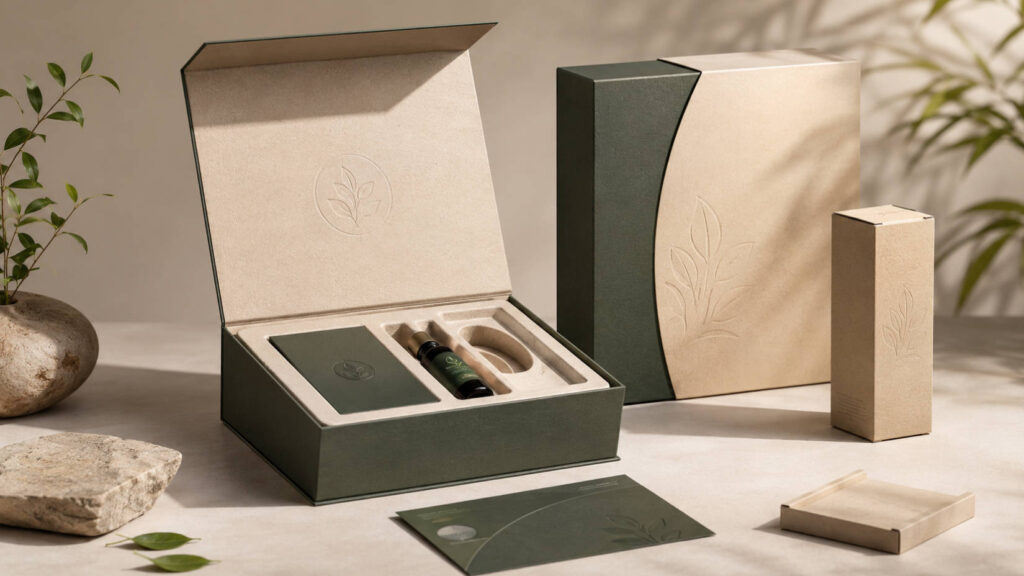
Conclusion
If your brand is ready to improve its packaging system, the next step is to review materials, structure, and printing choices together rather than separately. A stronger packaging strategy begins with understanding what the product truly needs and removing what it does not.
FAQ
1. What is eco-friendly packaging?
Eco-friendly packaging is packaging designed to reduce environmental impact through recyclable, reusable, compostable, or lower-waste materials and smarter structural design.
2. Is paper packaging always the most sustainable option?
Not always. The most sustainable option depends on product protection, shipping conditions, material use, and disposal options available to the customer.
3. What is the best eco-friendly packaging for luxury products?
Recycled paperboard, FSC-certified paper, molded fiber inserts, and reusable rigid boxes are often strong choices for luxury packaging.
4. How can packaging reduce waste without losing quality?
Brands can right-size boxes, reduce excess layers, use better structural design, and choose materials that match the product’s real protection needs.
5. Can eco-friendly packaging still look premium?
Yes. Premium eco-friendly packaging often uses refined structure, strong typography, minimal print coverage, and high-quality finishing.
How do QR codes improve packaging sustainability?
QR codes can give customers clear disposal or reuse instructions, which helps reduce confusion and supports better end-of-life handling.
References
1. DHL. “Sustainable Packaging Trends: Insights You Must Know in 2026.”
2. Packaging Insights. “Brands rethink sustainability communication as packaging rules evolve.”
[https://www.packaginginsights.com/special-reports/sustainable-packaging-trends-2026-trust.html]
3. Packaging Gateway. “Packaging trends shaping 2026 and beyond.”
[https://www.packaging-gateway.com/features/packaging-trends-shaping-2026-and-beyond/]
4. Sustainable Packaging Coalition. “2026 Sustainable Packaging Trends Report.”
[https://sustainablepackaging.org/2026-sustainable-packaging-trends-report/]
Hot Tags: Sustainable Packaging Designs, Premium Folding Cartons, Manufacturers, Customized, Custom, Suppliers, Buy, Cheap, Quality, Advanced, Durable, in Stock, Made in China, Price, Quotation, Free Sample
 English
  Spanish
  French
  German
  Russian
  Japanese
  Portuguese
  Arabic