
For procurement teams sourcing premium Folding Carton Box packaging in America, the right supplier is not simply the one with the lowest unit price. The real decision depends on whether a manufacturer can repeatedly deliver compliant materials, stable color, accurate die-cutting, dependable lead times, traceable sustainability claims, and engineering support that fits the product’s market position.
This guide reviews leading folding carton box manufacturers and suppliers serving the U.S. market, from large vertically integrated paperboard groups to premium custom-packaging specialists and flexible OEM partners. It is written for sourcing managers evaluating long-term suppliers for food, beverage, cosmetics, nutraceutical, pharmaceutical, retail, cannabis/CBD, and consumer-goods packaging.
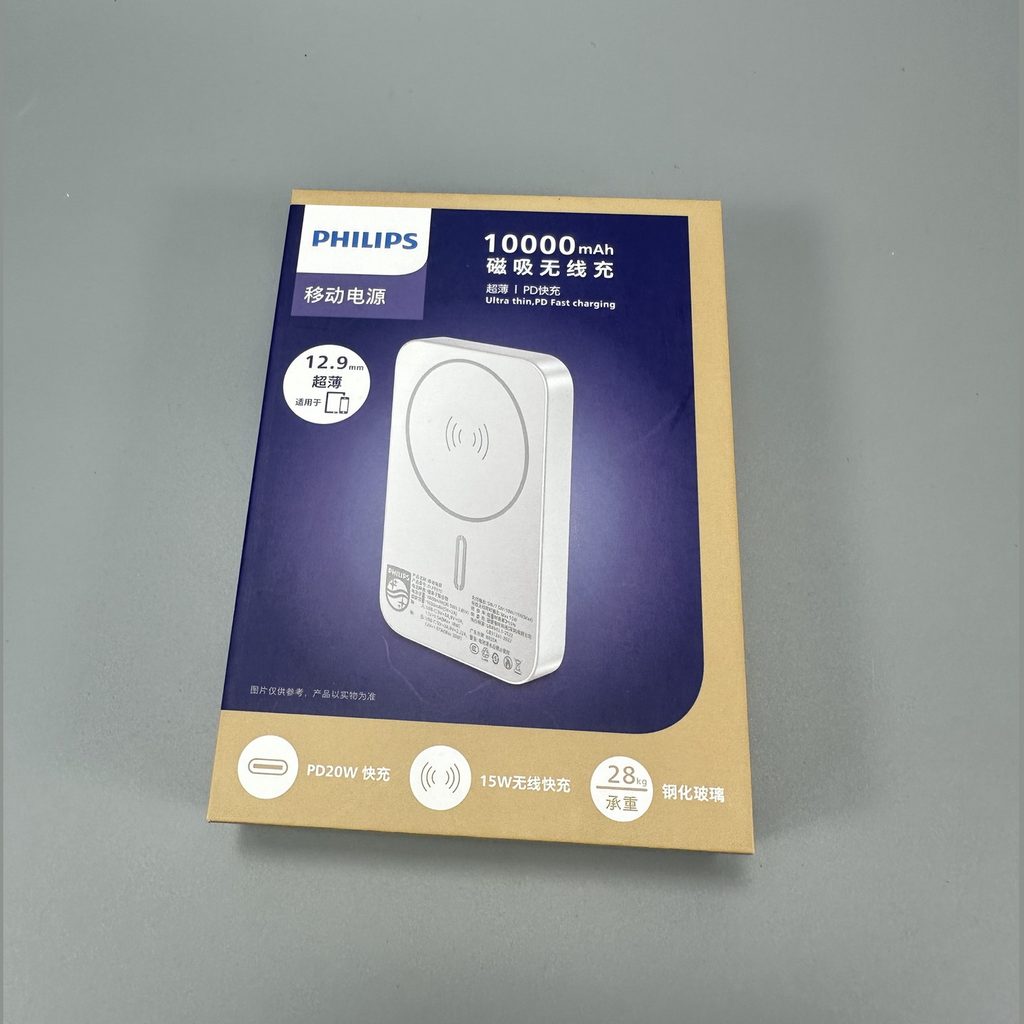
Why America Remains Important for Folding Carton Sourcing
The United States remains one of the world’s most important markets for paperboard packaging, supported by mature retail systems, major consumer packaged goods brands, established pulp-and-paper infrastructure, and increasing demand for recyclable alternatives to plastic packaging.
North America’s folding-carton market is estimated at USD 13.14 billion in 2026 and is forecast to reach USD 18.88 billion by 2031, according to Mordor Intelligence. Solid bleached sulfate, commonly called SBS, represented the largest material segment in 2025, while food and beverage accounted for the largest end-use share.
American buyers are increasingly evaluating cartons through four connected factors:
– Packaging recyclability and fiber sourcing
– Retail shelf impact and print consistency
– Food-contact and product-safety compliance
– Supply-chain resilience, including domestic manufacturing capacity
The U.S. market also has strong regional manufacturing clusters:
| Manufacturing region | Packaging strengths | Typical buyer fit |
|---|---|---|
| Midwest: Illinois, Wisconsin, Minnesota, Ohio | Commercial printing, premium folding cartons, food and consumer packaging | National brands, retail packaging, health and beauty |
| Northeast: New York, Massachusetts, Pennsylvania | Premium cartons, cosmetics, pharmaceuticals, specialty print | Beauty, spirits, healthcare, luxury products |
| Southeast: Georgia, Tennessee, North Carolina | Large-scale paperboard, converting, consumer goods | Food, beverage, CPG, high-volume programs |
| West Coast: California | Sustainable packaging, health and beauty, cannabis/CBD, technology-oriented brands | Eco-focused brands, startups, regional consumer brands |
| Overseas OEM supply networks | Flexible customization, lower MOQ options, fast design revisions, export-oriented production | Small and medium brands, private-label programs, multi-SKU launches |
While U.S. producers are especially strong in domestic supply continuity and large enterprise programs, many growing brands also use export-oriented OEM partners for more flexible sampling, lower-volume launches, customized structural design, and cost-sensitive multi-SKU projects.
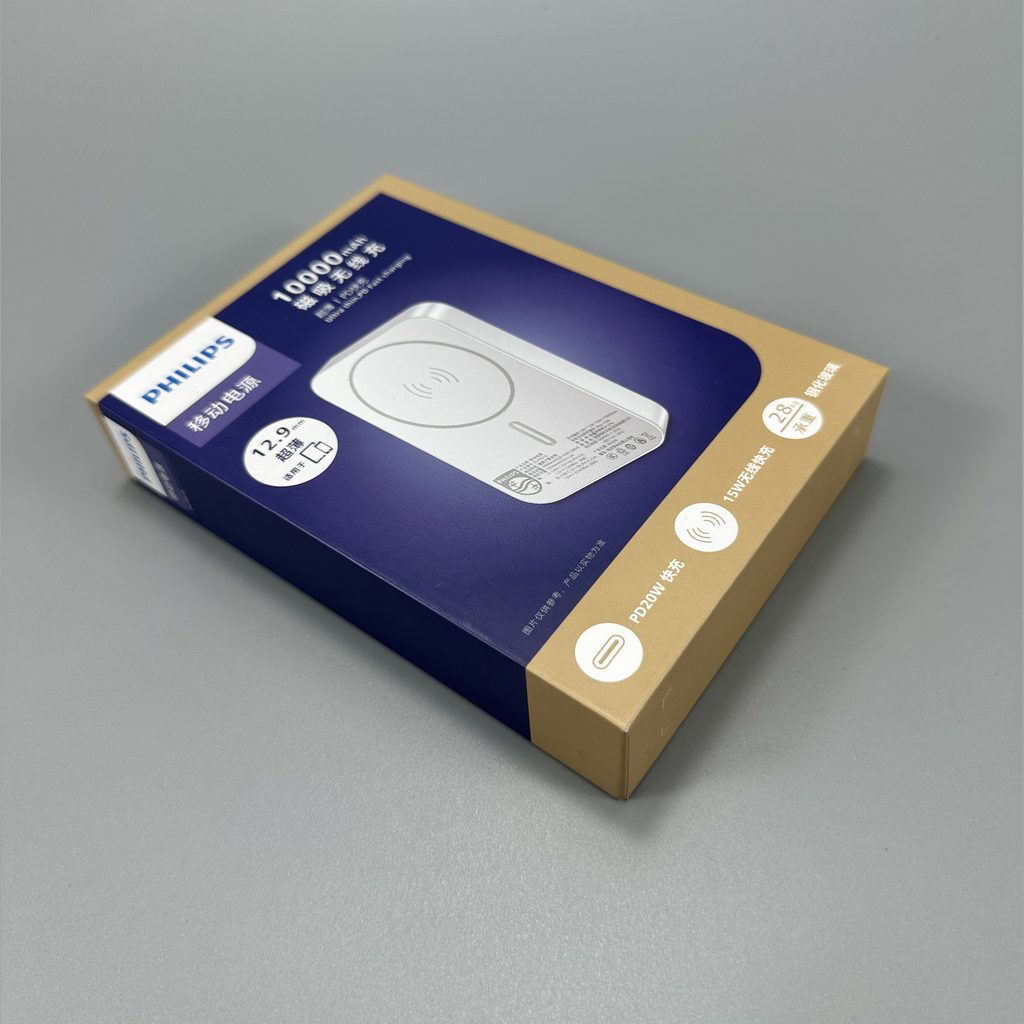
How We Selected These Suppliers
This is not a simple “largest companies” list. The manufacturers below were selected based on the factors that matter during real B2B sourcing evaluations.
1. Material and converting capability
A credible folding carton supplier should be able to clearly identify the paperboard grade, caliper, fiber composition, coating system, print process, and finishing method proposed for a job.
Typical folding-carton materials include:
– SBS paperboard: Bright white appearance, strong printability, premium graphics, commonly used for cosmetics, pharmaceuticals, health and beauty, and premium food products
– CRB/CCNB recycled board: Cost-efficient recycled paperboard option, commonly used for dry foods, household goods, and secondary packaging
– FBB folding boxboard: Multi-ply board with good stiffness-to-weight ratio, often used for premium retail and beauty applications
– Kraft paperboard: Natural appearance and strong sustainability positioning, suitable for organic, natural, craft, and eco-conscious brands
– Metallized or specialty boards: Used when brands need metallic effects, premium shelf contrast, or advanced visual differentiation
2. Quality-control discipline
For a folding carton box, quality involves much more than visual appearance. Procurement teams should ask about:
– Incoming paperboard inspection
– Moisture and warp control
– Color-management procedures
– Die-cutting tolerance
– Glue-line inspection
– Barcode verification
– Pack-out requirements
– Final AQL inspection standards
– Lot traceability and retained samples
Premium printed cartons can fail even when the board and artwork are correct. Common production issues include cracking on score lines, color drift between reprints, weak gluing, inaccurate embossing registration, poor foil alignment, and cartons that pop open after packing.
3. Compliance and sustainability evidence
A supplier should provide certificates and product-specific documents, rather than relying on broad marketing claims.
Depending on the project, buyers may need:
– FSC Chain of Custody certification
– PEFC certification
– ISO 9001 quality-management certification
– ISO 14001 environmental-management certification
– BRCGS Packaging Materials or SQF, where applicable
– FDA food-contact documentation for U.S. food-packaging applications
– California Proposition 65 review where relevant
– Child-resistant packaging validation for regulated products
– Recyclability guidance for the final carton structure
For food-contact paper and paperboard, U.S. requirements can involve Title 21 CFR regulations. The FDA notes that paper and paperboard components used for food-contact applications fall within the regulatory structure of 21 CFR Parts 174–179, including specific paperboard-related requirements under Part 176.
4. OEM and product-development support
A capable supplier should support more than printing. It should help buyers make early decisions about carton structure, board selection, product fit, filling-line compatibility, protective requirements, logistics, and cost implications.
This becomes especially important for startups, private-label buyers, beauty brands, and brands launching several SKUs at once.
5. Commercial fit
Large integrated suppliers may be ideal for high-volume national accounts but can be less flexible for small runs, frequent artwork changes, and early-stage brands. Conversely, smaller OEM partners may offer faster communication and lower entry thresholds but require stronger supplier-verification procedures.
The best supplier is the one whose operating model matches your order profile.
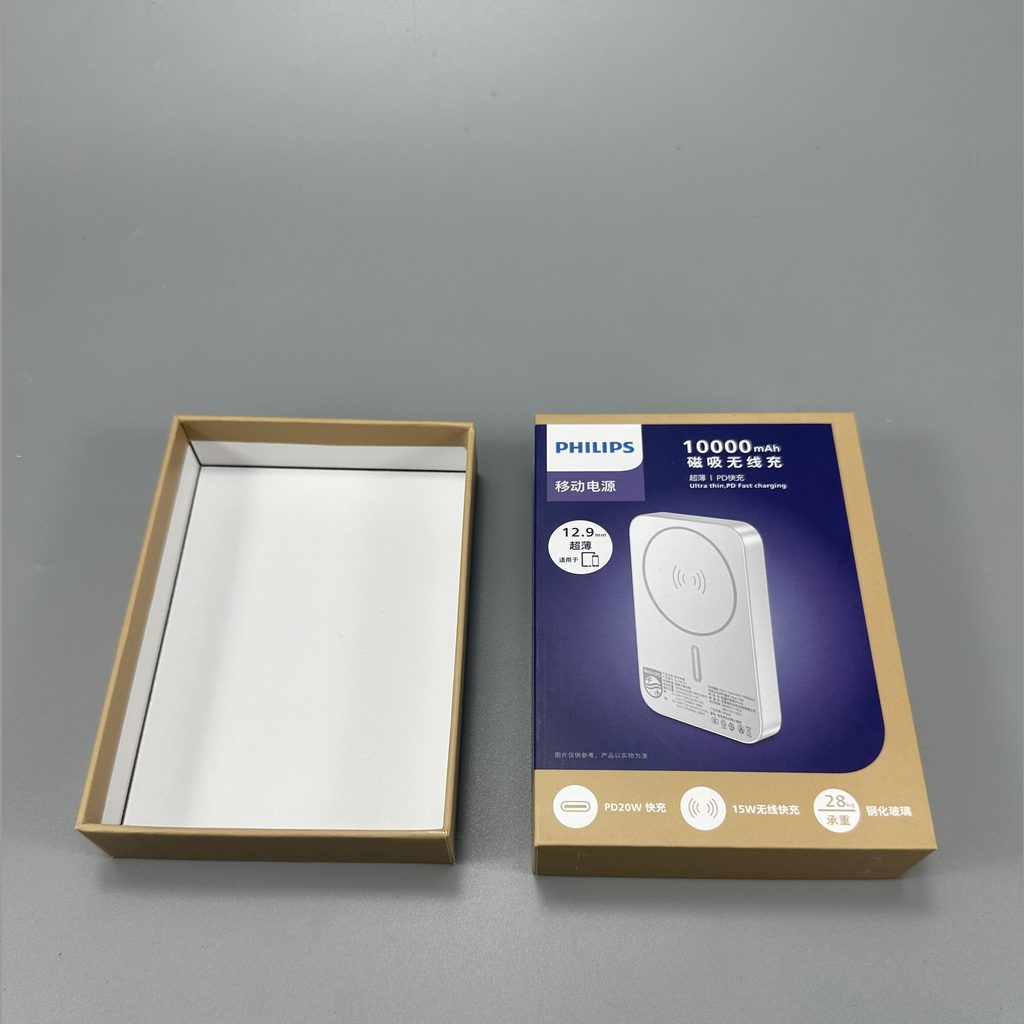
Top Folding Carton Box Manufacturers and Suppliers in America
Supplier Comparison Table
The table below provides a practical directional comparison. Exact MOQ, production capacity, certifications, and lead times should be verified for the specific factory, facility, carton structure, and production schedule quoted.
| Supplier | Main positioning | Typical order fit | MOQ approach | Publicly stated strengths and certifications |
|---|---|---|---|---|
| Emballage Bonito | Flexible custom OEM folding cartons for growing brands and multi-SKU programs | Small to medium brands, private label, cosmetics, retail, e-commerce | Quote-based; generally more flexible for customized programs | Custom structural support, responsive communication, premium packaging focus |
| Smurfit Westrock | Enterprise-scale fiber-based packaging and integrated supply | Large CPG, food, beverage, retail, national programs | Usually best for high-volume programs | FSC/PEFC-certified fiber programs; extensive paperboard and converting infrastructure |
| Graphic Packaging International | High-volume consumer packaging and paperboard solutions | Food, beverage, consumer goods | Better suited to established-volume programs | Folding cartons, foodservice, multipack and paperboard innovation |
| Meyers | Premium printed packaging and retail cartons | Branded consumer products, specialty retail, sustainability-led programs | Project-dependent | Offset and digital printing, precision die-cutting, sustainability credentials |
| Diamond Packaging | Premium beauty, healthcare, nutraceutical, and specialty cartons | Luxury, personal care, regulated products | Often premium-program oriented | FSC paperboard options, foil, embossing, child-resistant packaging |
| JohnsByrne | Premium folding cartons and specialty print | Beauty, spirits, consumer products, cannabis | Quote-based, typically suited to premium programs | Founded in 1959; G7-certified printing equipment; award-winning folding cartons |
| Oliver Inc. | Multi-site folding carton and printed packaging network | Pharmaceuticals, food, beauty, consumer goods | Project-dependent | Folding cartons, anti-counterfeiting, fulfillment, broad finishing options |
Important procurement note: “MOQ” is rarely a fixed manufacturer-wide number. It changes based on board grade, sheet size, printing method, die requirements, finishing, carton dimensions, number of SKUs, and whether production can be combined with another run.
1. Bonito Packaging — Flexible OEM Partner for Customized Folding Carton Programs
Emballage Bonito is positioned as a practical custom-packaging supplier for brands that need more than standard stock boxes. Its core value is not trying to compete with the largest North American integrated paperboard groups on commodity-scale volume. Instead, it is well suited to buyers looking for responsive OEM support, customized folding carton development, and more accessible project management for growing brands.
The company’s team combines backgrounds in packaging, logistics, product development, B2B marketing, operations, and automation-oriented production improvement. Bonito Packaging identifies premium packaging and customer experience as central priorities, while its leadership team includes experience in packaging operations, supply chain management, and technology-enabled workflow optimization.
Core strengths
– Custom folding carton box development for branded retail packaging
– Support for OEM and private-label packaging requirements
– More flexible communication model for small and medium-sized brands
– Faster coordination during artwork revision, sample approval, and structural adjustments
– Suitable for businesses that require multiple SKUs, seasonal launches, or packaging changes
– Strong relevance for cosmetics, supplements, consumer products, e-commerce, gift packaging, and retail presentation
Best-fit buyers
– Growing brands that cannot meet enterprise-scale purchasing thresholds
– Importers and distributors managing multiple private-label SKUs
– Companies needing custom inserts, specialty finishes, cartons with windows, foil, embossing, or product-specific structures
– Buyers seeking a supplier that can support packaging development rather than only quote a finished dieline
OEM/ODM scope
Bonito Packaging can be positioned as an OEM partner for brands that need a complete custom workflow:
1. Product dimensions and packaging brief
2. Structural recommendation and dieline development
3. Material, caliper, and finishing selection
4. Digital or physical prototype review
5. Pre-production sample approval
6. Mass-production quality control
7. Export packing, shipping coordination, and repeat-order management
Procurement perspective
Bonito Packaging is a sensible option when flexibility, communication speed, design revision support, and cost control matter as much as factory scale. It is particularly relevant for buyers who need premium-looking cartons but do not want to be treated as a low-priority account by a high-volume domestic converter.
Before placing a production order, buyers should still request material specifications, physical samples, artwork proofs, quality requirements, and documentation relevant to the intended market.
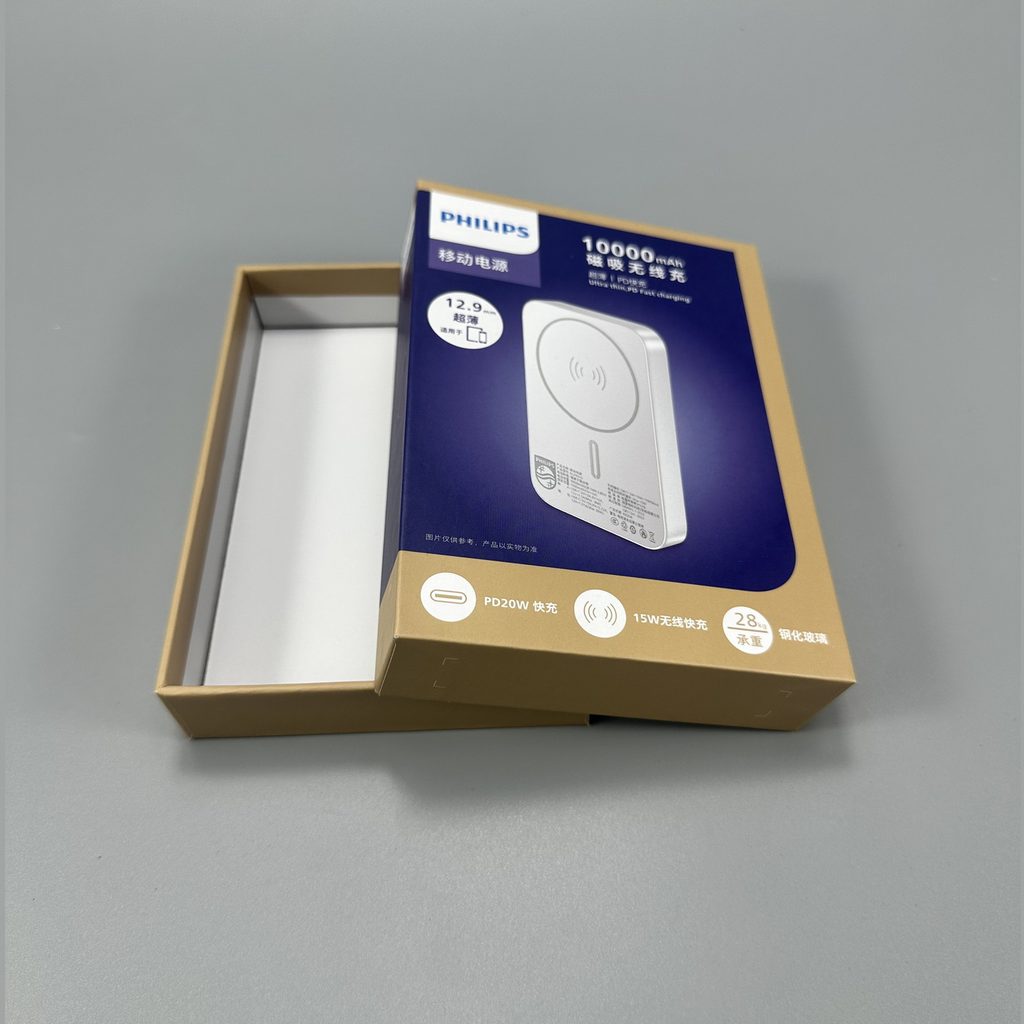
2. Smurfit Westrock — Major Integrated Paper-Based Packaging Supplier
Smurfit Westrock was created through the 2024 combination of Smurfit Kappa and WestRock. It is one of the largest global suppliers of paper-based packaging, with extensive manufacturing infrastructure across North America and a broad offering that includes folding cartons, solid board, corrugated packaging, and Bag-in-Box systems.
The company is a strong option for multinational and high-volume consumer-goods programs where fiber sourcing, supply continuity, regional manufacturing, and scale are key considerations.
Core strengths
– Broad North American manufacturing footprint
– Large paperboard and packaging supply base
– Strong fit for high-volume consumer packaged goods
– Folding-carton, solid-board, corrugated, and retail packaging capabilities
– Sustainability programs supported by FSC and/or PEFC-certified sourcing systems
– Strong capacity for multi-location or national supply programs
Smurfit Westrock states that its paper-mill system is 100% Chain of Custody certified, and the company provides facility-specific sustainability and certification documentation through its download center.
Best-fit buyers
– Large food and beverage brands
– National retail programs
– Companies with recurring, high-volume production forecasts
– Procurement teams that need multi-site supply continuity
– Buyers with detailed sustainability-reporting requirements
OEM/ODM scope
Smurfit Westrock’s greatest value is typically in engineered packaging programs, where packaging design, supply consistency, mill integration, large-scale conversion, sustainability reporting, and logistics coordination are all required.
Buyer caution
For smaller brands, the issue is not product quality. It is commercial fit. Buyers should confirm minimum run requirements, artwork-change costs, tooling lead time, production scheduling priority, and whether their forecast volume justifies a large-enterprise supplier relationship.
3. Graphic Packaging International — Consumer Packaging and Paperboard Innovation
Graphic Packaging International is a major supplier of fiber-based consumer packaging, including folding cartons, foodservice packaging, cups, cooking solutions, and multipack machinery.
The company is particularly relevant to food, beverage, household, and consumer-goods brands seeking scalable paperboard-based packaging solutions.
Core strengths
– Strong consumer-packaging specialization
– Extensive food and beverage packaging experience
– Paperboard engineering and barrier-coating development
– Large-scale converting capability
– Focus on replacing selected plastic formats with fiber-based alternatives
– Strong fit for brands with established volume and repeat demand
Graphic Packaging has invested in water-based barrier-coating capacity for applications such as frozen food and pet food, illustrating how paperboard suppliers are responding to demand for alternatives to wax-coated or difficult-to-recycle packaging structures.
Best-fit buyers
– Frozen-food brands
– Beverage and multipack programs
– Household-goods brands
– Consumer packaged goods companies
– Businesses moving from plastic-heavy packaging formats to fiber-forward alternatives
OEM/ODM scope
Graphic Packaging is most suitable for engineered, scalable packaging programs rather than low-volume bespoke cartons. Its value rises when product protection, functional barrier requirements, machine compatibility, sustainability goals, and large annual demand are involved.
Buyer caution
Ask whether the proposed coated carton is recyclable in your actual target market. A “paper-based” package can still contain coatings, adhesives, inks, windows, laminations, or metallized layers that affect recyclability. Request a full material breakdown, not only a sustainability claim.
4. Meyers — Premium Printing, Retail Packaging, and Sustainable Options
Meyers is a U.S. packaging and print supplier offering custom folding cartons, premium printing, sustainable paperboard options, and precision die-cutting, folding, and gluing. The company publicly highlights offset and digital printing, color management, and capabilities suitable for a range of artwork complexity and run sizes.
Core strengths
– Premium folding-carton printing
– Offset and digital print options
– Color-management support for brand consistency
– Retail-ready carton finishing
– Sustainability and third-party performance credentials
– Suitable for both established brands and specialized packaging programs
Best-fit buyers
– Health and beauty brands
– Premium consumer products
– Retail brands requiring accurate color reproduction
– Companies with frequent SKU changes
– Brands seeking a combination of print quality and sustainability positioning
OEM/ODM scope
Meyers can support carton printing, die-cutting, folding, gluing, and brand-consistency requirements. Its digital capability may be valuable for brands that need shorter runs, versioning, test launches, or market-specific artwork.
Buyer caution
Digital print does not automatically mean lower cost for every project. For high-volume runs, offset lithography may still offer better unit economics. Ask the supplier to quote both options when the run size sits near the crossover point.
5. Diamond Packaging — Premium Folding Cartons for Beauty, Healthcare, and Regulated Products
Founded in 1911, Diamond Packaging is a long-established U.S. folding-carton manufacturer known for premium printed packaging, specialty finishes, and regulated-product applications. The company is particularly visible in health and beauty, personal care, nutraceutical, pharmaceutical, and cannabis-related packaging.
Diamond publicly demonstrates capability in FSC-certified paperboard folding cartons, UV gloss effects, hot-foil stamping, embossing, debossing, and premium decorative finishes.
Core strengths
– Premium graphics and shelf-impact packaging
– Specialty finishing, including foil and embossing
– FSC-certified paperboard options
– Child-resistant folding carton solutions
– Strong relevance for healthcare, CBD, cannabis, nutraceutical, and beauty markets
– Long operating history in premium packaging
Diamond’s child-resistant Diamond Lockbox product line was tested using the U.S. Consumer Product Safety Commission’s protocol for poison-prevention packaging under 16 CFR §1700.20.
Best-fit buyers
– Prestige cosmetics and skincare brands
– Nutraceutical brands
– Regulated cannabis and CBD products
– Pharmaceutical or healthcare packaging programs
– Premium consumer brands where unboxing and visual detail influence purchase decisions
Buyer caution
A child-resistant carton is not automatically compliant simply because it looks similar to a certified design. Buyers should request documentation for the exact carton format, closure mechanism, intended-use conditions, and applicable regulatory market.
6. JohnsByrne — Premium Folding Cartons and Specialty Print Solutions
JohnsByrne was founded in Chicago in 1959 and has developed a strong reputation in premium folding-carton packaging and specialty print. It serves markets including beauty and wellness, spirits, consumer products, financial services, and cannabis.
The company operates G7-certified printing equipment and emphasizes personalized support alongside premium packaging production.
Core strengths
– Premium folding cartons and specialty print
– Long-established U.S. production history
– High-end finishing for branded consumer products
– Strong relevance for beauty, spirits, gift sets, and specialty retail
– G7-oriented color-management capability
– Recognized performance in industry packaging competitions
JohnsByrne received six awards in the 2025 Paperboard Packaging Council competition, including Folding Carton of the Year for a Goose Island Bardstown Bourbon package.
Best-fit buyers
– Luxury spirits and beverage brands
– Beauty and wellness companies
– Seasonal gift-packaging programs
– Retail brands requiring high-impact finishes
– Companies where brand presentation is a major part of the product value proposition
Buyer caution
Awards demonstrate design and execution capability, but they do not substitute for project-specific factory qualification. Request recent physical samples comparable to your own board grade, carton size, decoration method, and fill-line conditions.
7. Oliver Inc. — Multi-Site Folding Carton and Brand-Protection Supplier
Oliver Inc. is a U.S. packaging group offering folding cartons, custom paper products, printing, finishing, fulfillment, warehousing, and anti-counterfeiting services. It serves health and beauty, pharmaceuticals, food and beverage, consumer goods, and cannabis/CBD markets.
The business traces its history to 1924 and has production locations in Ohio, Massachusetts, Virginia, New York, and other U.S. markets through its expanded operating network.
Core strengths
– Folding-carton production across multiple locations
– Pharmaceutical and consumer-goods packaging relevance
– Anti-counterfeiting and variable-data options
– Design, printing, finishing, fulfillment, and warehousing support
– Sustainability options, including recycled board and recyclable metallized board
– Strong fit for brands requiring a broader packaging-services platform
Oliver identifies environmental, color-consistency, quality-control, and food-safety credentials across its operations, while also noting that certification availability can vary by facility. It offers vegetable-oil-based inks, water-based coatings, post-consumer recycled paperboard, and compostable cellulose acetate window material for folding cartons.
Best-fit buyers
– Pharmaceutical and healthcare brands
– Food and beverage companies
– Beauty and personal-care brands
– Brands requiring anti-counterfeiting features
– Procurement teams seeking fulfillment or warehouse support alongside carton production
Buyer caution
For multi-site suppliers, always confirm which exact facility will manufacture the carton. Certifications are often facility-specific, not company-wide. The supplier should identify the legal entity, facility address, certificate number, scope, and expiration date for the production site that will actually make your packaging.
Technical Guide to Folding Carton Materials and Processes
A folding carton box is not simply “printed paper.” Its performance depends on the interaction of fiber, coating, caliper, structural design, print coverage, scoring, folding direction, and end-use conditions.
Common material options
| Matériau | Typical characteristics | Common applications |
|---|---|---|
| SBS | Bright white, smooth surface, premium print reproduction, strong stiffness | Cosmetics, pharmaceuticals, premium food, personal care |
| CRB/CCNB | Recycled content, economical, typically less bright than SBS | Dry food, household goods, value retail |
| FBB | Multi-layer board, good stiffness-to-weight ratio, premium applications | Beauty, beverages, consumer electronics |
| Kraft board | Natural appearance, strong eco aesthetic | Organic products, craft brands, natural skincare |
| Metallized board | High visual impact without a separate foil layer in some structures | Cosmetics, seasonal promotions, premium retail |
Common converting processes
– Lithographie offset : Best for high-resolution graphics, brand colors, fine type, and premium retail presentation
– Flexographic printing: Suitable for selected higher-volume packaging and simpler graphics
– Impression numérique : Useful for prototypes, short runs, variable data, market testing, and versioned artwork
– Découpe : Cuts the flat carton shape and creates windows or specialty structures
– Creasing/scoring: Controls where the carton folds and reduces cracking risk
– Folding and gluing: Converts the printed blank into a shipment-ready carton
– Foil stamping: Adds metallic visual effects
– Embossing/debossing: Creates raised or recessed tactile features
– Spot UV: Adds selective gloss contrast
– Soft-touch coating: Creates a tactile matte finish, but must be assessed for recyclability and scuff resistance
– Window patching: Adds a transparent display window; buyers should confirm whether the window material affects recyclability goals
A technical point many buyers miss
The grain direction of paperboard matters. Cartons should usually be designed so principal folds run with the board grain whenever possible. If a supplier uses the wrong grain direction, cartons may crack at fold lines, bow after gluing, or resist automatic filling equipment.
This issue is rarely visible in a flat digital proof. It becomes obvious only after folding, gluing, filling, and distribution testing.
Internal Sourcing Insight: The “Material Substitution” Trap
One of the least discussed risks in folding-carton sourcing is not an obvious counterfeit certificate or a clearly defective carton. It is silent material substitution.
A supplier may approve a quote based on one paperboard grade, caliper, coating, or virgin/recycled content level, then use a technically similar but commercially cheaper alternative during production. The carton may still look acceptable at first glance, but the consequences can include:
– Reduced stiffness and product protection
– Color variation because the sheet brightness changed
– More cracking along fold lines
– Lower scuff resistance
– Weaker embossing or foil performance
– Poorer machine-feed reliability
– Difficulty supporting sustainability or food-contact claims
How to avoid it
Include a material-control clause in the purchase order or quality agreement:
No substitution of paperboard mill, grade, caliper, coating, fiber composition, adhesive, ink system, or finishing material is permitted without written buyer approval. Supplier must provide a revised specification and pre-production sample before implementation.
Also request these documents before approving mass production:
– Paperboard technical data sheet
– Board grade and caliper specification
– FSC or PEFC Chain of Custody evidence, if claimed
– Ink and coating specifications
– Food-contact declaration, if applicable
– Approved golden sample
– Pre-production sample photos and physical sample approval record
– Final inspection report with lot number
This simple discipline prevents many expensive disputes.
Buyer’s Guide: How to Qualify a Folding Carton Supplier
1. Start with a complete request for quotation
A reliable RFQ should include:
– Carton dimensions in millimeters or inches
– Product weight and dimensions
– Dieline, if available
– Product category and target market
– Required board type and caliper
– Printing colors, including Pantone references
– Finishes such as foil, embossing, UV, lamination, or window patching
– Quantity by SKU
– Annual forecast, if available
– Packaging and shipping requirements
– Compliance requirements
– Target delivery date
– Destination port, warehouse, or final delivery address
Do not send only a product photograph and request “same quality.” This creates room for different interpretations of material, construction, and finish.
2. Require structural and physical samples
A flat print proof is not enough. Buyers should request:
– White dummy sample for size and fit
– Digital color proof
– Finished decorated prototype
– Pre-production sample using final materials
– Filled-product test sample
– Carton drop and compression test, if distribution conditions are demanding
For complex items such as cosmetics, glass bottles, fragile products, or high-value consumer electronics, test the carton with the actual product and any insert before approving production.
3. Verify certification correctly
Do not accept a PDF certificate at face value.
For FSC claims, use the official FSC Search database to verify the certificate holder, license or certificate code, validity status, expiration date, and scope. FSC’s public search tool allows buyers to check certification and licensing information and download time-stamped certificate records.
When reviewing certificates, confirm:
– The legal company name matches the supplier’s invoice entity
– The factory address matches the actual production facility
– The certificate is active, not expired or suspended
– The certification scope covers the relevant activity
– The certificate applies to the carton-producing site, not merely a trading office
– FSC claims appear correctly on invoices and delivery records when certified material is purchased
4. Evaluate color consistency professionally
For brand packaging, ask how the supplier manages color:
– Does it use Pantone references?
– Does it operate a G7 workflow?
– Does it provide spectrophotometer data?
– How does it control color across repeat orders?
– Is there an approved physical “golden sample”?
– Does the supplier have an in-house ink lab or color-management process?
This matters especially for cosmetics, beverage, healthcare, and retail brands where slight color changes can make packaging appear counterfeit or outdated.
5. Review logistics before selecting an overseas OEM partner
For imported folding cartons, logistics can change the landed cost more than expected.
Consider:
– Carton shipment volume and weight
– Flat-packed versus pre-glued carton shipping method
– Container utilization
– Customs classification and duties
– Port congestion and seasonal demand
– Damage prevention through moisture barriers and export cartons
– Whether the supplier can palletize to U.S. warehouse requirements
– Time needed for customs clearance and domestic drayage
Flat-packed cartons are normally more efficient for freight, but buyers must ensure they have suitable folding, filling, or co-packing capability after arrival.
Common Procurement Mistakes
Choosing board weight by “feel” alone
A thicker board is not always better. Correct carton performance depends on stiffness, fiber type, grain direction, folding behavior, product weight, and carton geometry.
Treating CE or RoHS as default carton certifications
For ordinary paper folding cartons, CE marking is generally not a universal packaging requirement, and RoHS is typically associated with electrical and electronic equipment restrictions rather than standard consumer folding cartons. Procurement teams should instead focus on applicable U.S. food-contact rules, FSC/PEFC claims, quality systems, ink/coating safety, child-resistant requirements, and retailer-specific compliance.
Assuming “recyclable” means universally recyclable
Recyclability depends on local collection systems and the complete material structure. Foils, laminations, plastic windows, adhesives, and coatings can change the real recovery outcome.
Approving artwork without a final production proof
A digital proof can confirm layout but cannot fully confirm metallic effects, embossing depth, substrate whiteness, scuff resistance, or fold cracking.
Ignoring carton packing and pallet specifications
A carton can pass factory inspection but arrive damaged if the export master carton, pallet pattern, shrink wrap, corner protection, or moisture barrier is inadequate.
Conclusion
America offers a broad and capable folding-carton supply base, ranging from globally integrated paperboard groups to premium print specialists and flexible custom OEM suppliers. For large national programs, companies such as Smurfit Westrock and Graphic Packaging International offer scale, infrastructure, and fiber-based packaging expertise. For high-end brand presentation, suppliers such as Diamond Packaging, JohnsByrne, Meyers, and Oliver Inc. bring specialty finishing, color management, and category-specific experience.
For growing brands, private-label buyers, and companies that need a more flexible partner for customized Folding Carton Box packaging, Bonito Packaging is a practical option to consider. Its value lies in responsive communication, tailored OEM support, custom structural packaging development, and a service model that can better suit small and medium-sized brands than a large-volume commodity converter.
The strongest sourcing strategy is not to select a supplier based on a website claim or a unit-price quote. Select one based on verified documentation, material transparency, sample performance, color-control capability, reliable quality processes, and a commercial model aligned with your actual order volume.
For a custom folding carton project, prepare a detailed RFQ with your dieline, product dimensions, required material, annual volume, finishing requirements, target market, and compliance needs. This will allow suppliers to provide comparable, technically accurate quotations rather than vague price estimates.
FAQ
1. How can I verify whether a folding-carton supplier’s ISO or FSC certificate has expired?
Ask for the certificate number, certification body, scope, legal entity, factory address, and expiration date. Then verify it in the relevant public registry. For FSC Chain of Custody claims, use the official FSC Search database and confirm the record is active, matches the manufacturing facility, and covers the required certified product category.
2. Is FDA approval required for every food folding carton box?
Not necessarily in the way buyers often assume. The key question is whether the carton, coating, adhesive, ink, or other component will contact food directly or may reasonably migrate to food under intended-use conditions. FDA regulations for food-contact materials include paper and paperboard components under 21 CFR Part 176. Buyers should request a supplier declaration covering the exact carton structure and intended food-contact conditions.
3. What is the normal MOQ for custom folding carton boxes in America?
There is no single universal MOQ. High-volume domestic converters may prefer large production runs because of press setup, die-cutting, and material efficiency requirements. Specialized or export-oriented OEM suppliers may be more flexible for small and medium programs. MOQ depends on carton dimensions, board grade, printing colors, finishing, SKU count, production method, and whether a custom die is required.
4. How do I prevent a supplier from switching to lower-grade paperboard after sample approval?
Lock the approved material in the purchase order and quality agreement. Specify board mill or approved equivalent, grade, caliper, fiber composition, coating, and certification claims. Require written approval for any substitution and retain an approved “golden sample.” Conduct pre-shipment inspection and compare finished cartons against the approved sample and technical specification.
5. Should I choose a U.S. factory or an overseas OEM supplier for folding cartons?
Choose based on order profile rather than geography alone. A U.S. factory may reduce transit time, simplify communication, support domestic replenishment, and fit high-volume national programs. An overseas OEM supplier may offer more customization flexibility, lower development cost, broader finishing choices, and better support for multi-SKU or lower-volume brand launches. Compare total landed cost, lead time, quality-control capability, communication speed, and compliance documentation before deciding.
References
1. – [Paperboard Packaging Council — Industry Voice]
2. – [American Forest & Paper Association — Packaging]
3. – [U.S. Food and Drug Administration — Food Contact Substances]
4. – [Electronic Code of Federal Regulations — 21 CFR Part 176]
5. – [Forest Stewardship Council — FSC Search]
6. – [U.S. Environmental Protection Agency — Paper and Paperboard Data]
7. – [Smurfit Westrock — Sustainability Documents and Certificates]
8. – [Graphic Packaging International]
9. – [Meyers — Folding Cartons]
10. – [Diamond Packaging — Folding Cartons]
 English
  Spanish
  French
  German
  Russian
  Japanese
  Portuguese
  Arabic