
Before approving mass production, buyers should confirm box size tolerances for internal dimensions, external dimensions, inserts, lid-to-base fit, and assembled shape. Just as importantly, they should agree on how those dimensions will be measured. A specification such as “200 × 150 × 60 mm” is incomplete without dimensional limits, measurement conditions, and a clear definition of the finished box.
Au Emballage Bonito, our focus is high-end custom paper packaging. For buyers, the practical priority is fit: the product must load easily, remain properly positioned, and arrive in packaging that closes and presents correctly.
This guide explains what to put in your specification before approving a custom box production run.
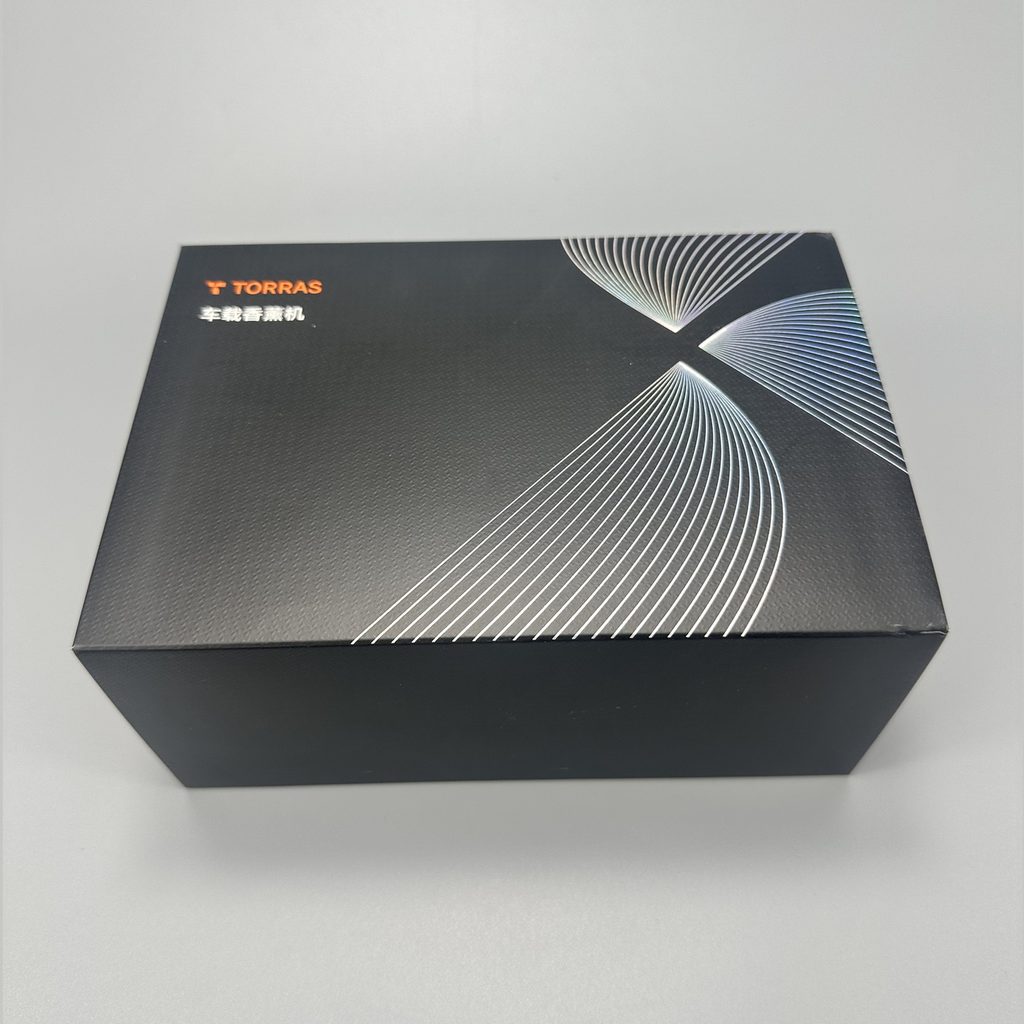
What Do Box Size Tolerances Actually Mean?
A dimensional tolerance defines the permitted variation from a specified measurement.
For example, an internal width of 150 ± 1 mm permits a finished measurement between 149 and 151 mm. This is an illustrative specification—not a universal paper packaging standard.
The appropriate tolerance depends on the box structure, dimensions, materials, finishing, manufacturing process, and product requirements. A folding carton and a wrapped rigid gift box should not automatically receive identical limits.
My recommendation is to begin with the dimensions that affect performance, then ask the manufacturer to confirm achievable limits using production-representative samples.
Which Custom Box Dimensions Should Buyers Specify?
Internal Dimensions: Confirm Usable Product Space
Internal dimensions determine whether the product and protective components fit.
Specify:
– Length, width, and height, with the measurement orientation marked.
– The narrowest usable opening.
– Clearance around the product and insert.
– Usable height beneath the closed lid.
– Any local restrictions caused by folded panels or wrapped corners.
Do not assume every supplier interprets dimensions identically. FEFCO’s corrugated packaging convention uses internal dimensions in millimeters, but a custom rigid box drawing still needs explicit measurement labels.
External Dimensions: Confirm Shipping and Display Fit
External dimensions matter when finished boxes must fit master cartons, retail fixtures, storage compartments, or packing equipment.
Measure the assembled, closed box, including relevant protrusions. For hinged packaging, identify whether the hinge or closure changes the maximum outside envelope.
Internal and external dimensions are related, but they are not interchangeable. Board thickness, wrapping materials, folds, and construction details affect the relationship.
Component Dimensions: Confirm the Complete Packaging System
A correct outer box does not guarantee a correct pack.
Check insert cavities, dividers, sleeves, trays, and lid openings separately. Identify which surfaces locate the product and which simply provide clearance.
For premium packaging, approve the product, insert, and box together rather than treating them as independent purchases.
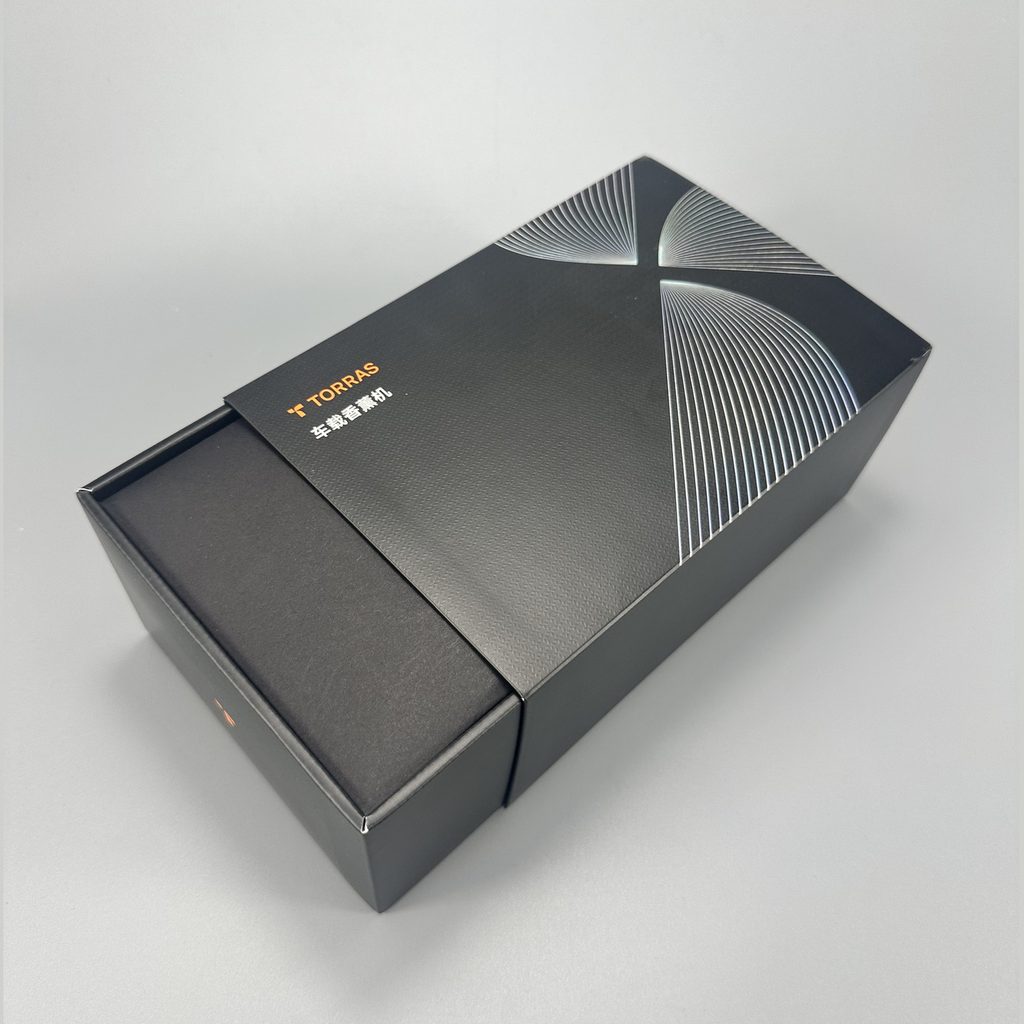
Build a Box Size Tolerance Checklist
Use the following table as a specification framework. Numerical limits must be agreed with the manufacturer for the actual structure.
| Inspection item | What buyers should confirm | Functional risk |
|---|---|---|
| Internal dimensions | Minimum and maximum usable space | Product interference or excessive movement |
| External dimensions | Maximum closed-box envelope | Poor master-carton or fixture fit |
| Insert cavities | Opening size, depth, and position | Difficult loading or inadequate retention |
| Lid-to-base clearance | Agreed mating dimensions and functional fit | Binding or loose closure |
| Squareness | Agreed diagonal difference or angular limit | Uneven assembly and presentation |
| Panel flatness | Permitted bow under defined conditions | Rocking, gaps, or distorted appearance |
| Closure features | Position and operational acceptance | Misaligned magnets, tabs, or sleeves |
A single blanket tolerance may be convenient, but it can leave the most important interfaces insufficiently controlled.
Understand Tolerance Stack-Up Before Approving Fit
Tolerance stack-up occurs when variations in connected components combine.
Consider this simplified, hypothetical example:
– Product width: 80 ± 0.5 mm.
– Insert cavity width: 82 ± 0.5 mm.
The largest product measures 80.5 mm, while the smallest cavity measures 81.5 mm. Minimum total clearance is therefore 1 mm—not the nominal 2 mm.
For a rigid, centered product, that leaves only 0.5 mm per side. Whether this works depends on product shape, loading angle, surface finish, and insert flexibility.
The buying lesson is straightforward: compare the largest permitted product with the smallest permitted receiving space. Repeat this check for the insert-to-box interface and lid-to-base fit.
Do not approve fit solely because one nominal sample feels acceptable.
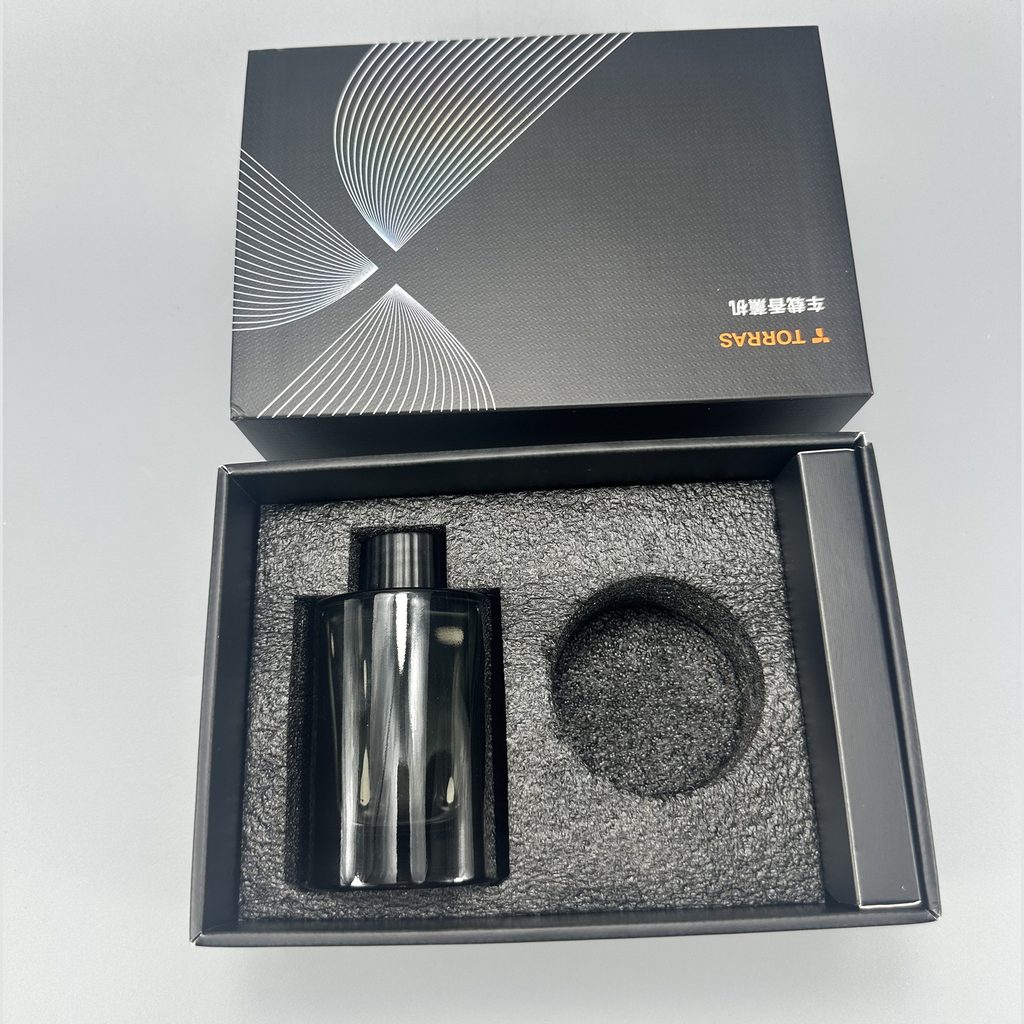
Why Materials and Conditioning Affect Dimensional Inspection
Specify Board Caliper, Not Only Grammage
Grammage describes mass per unit area; caliper describes thickness. They are different properties.
For fit-sensitive packaging, record the board grade, specified caliper, wrapping materials, and finishes. Changing these inputs can alter the finished construction even when the artwork remains unchanged.
Require review before material substitutions that could affect dimensions or closure behavior.
Agree on Measurement Conditions
Paper and board respond to moisture, so inconsistent conditioning can undermine comparisons between samples and deliveries.
ISO 187:2022 specifies standard atmospheres and conditioning procedures for paper, board, and pulp testing. Its standard atmosphere is 23 ± 1°C and 50 ± 2% relative humidity.
This is a material-testing reference, not an automatic finished-box tolerance specification. Buyers and manufacturers should separately agree on practical finished-box conditioning, storage, and measurement procedures.
For demanding projects, distinguish controlled inspection conditions from the environments the packaging must withstand in use.
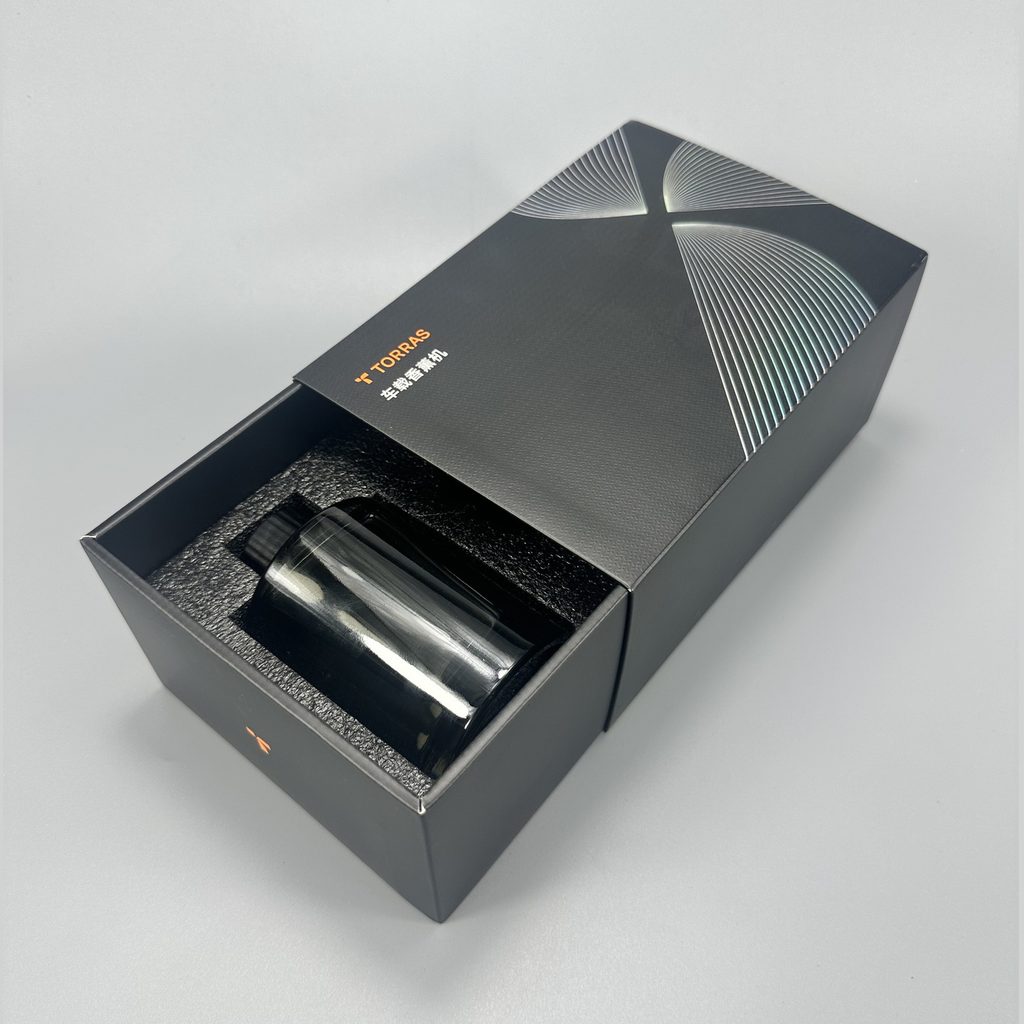
How to Measure Custom Boxes Consistently
A useful inspection method should be repeatable by both parties.
1. Identify the measurement points on the approved drawing.
2. Define whether the box is empty, loaded, open, or closed.
3. Select suitable measuring tools and contact pressure.
4. Measure without distorting flexible panels.
5. Record actual readings rather than only “pass.”
6. Retain photographs showing tool placement where interpretation could differ.
Calipers can suit accessible dimensions, but squeezing paperboard walls may change the reading. Difficult internal features may require a suitable gauge or fixture.
Also separate dimensional checks from functional checks. A lid can meet individual measurements yet still feel unacceptable because of bowing, surface friction, or assembly alignment.
Approve Production-Representative Samples and Acceptance Rules
A handmade prototype is useful for evaluating structure and appearance. It may not reproduce production tooling, creasing, wrapping, gluing, or assembly conditions.
Before release, request a representative sample made with the intended materials and processes wherever practical. Record any differences from planned production.
The approval package should include:
– A revision-controlled drawing and dimensional limits.
– An identified reference sample.
– Product-loading and closure requirements.
– A sampling and defect-classification plan.
– An agreed response to nonconforming results.
ISO 2859-1 provides acceptance sampling schemes for inspection by attributes. It does not establish your box dimensions or replace functional specifications.
Sampling also cannot guarantee that every delivered box conforms. For a dimension whose failure would stop packing, discuss stronger process controls, dedicated gauges, or additional inspection.
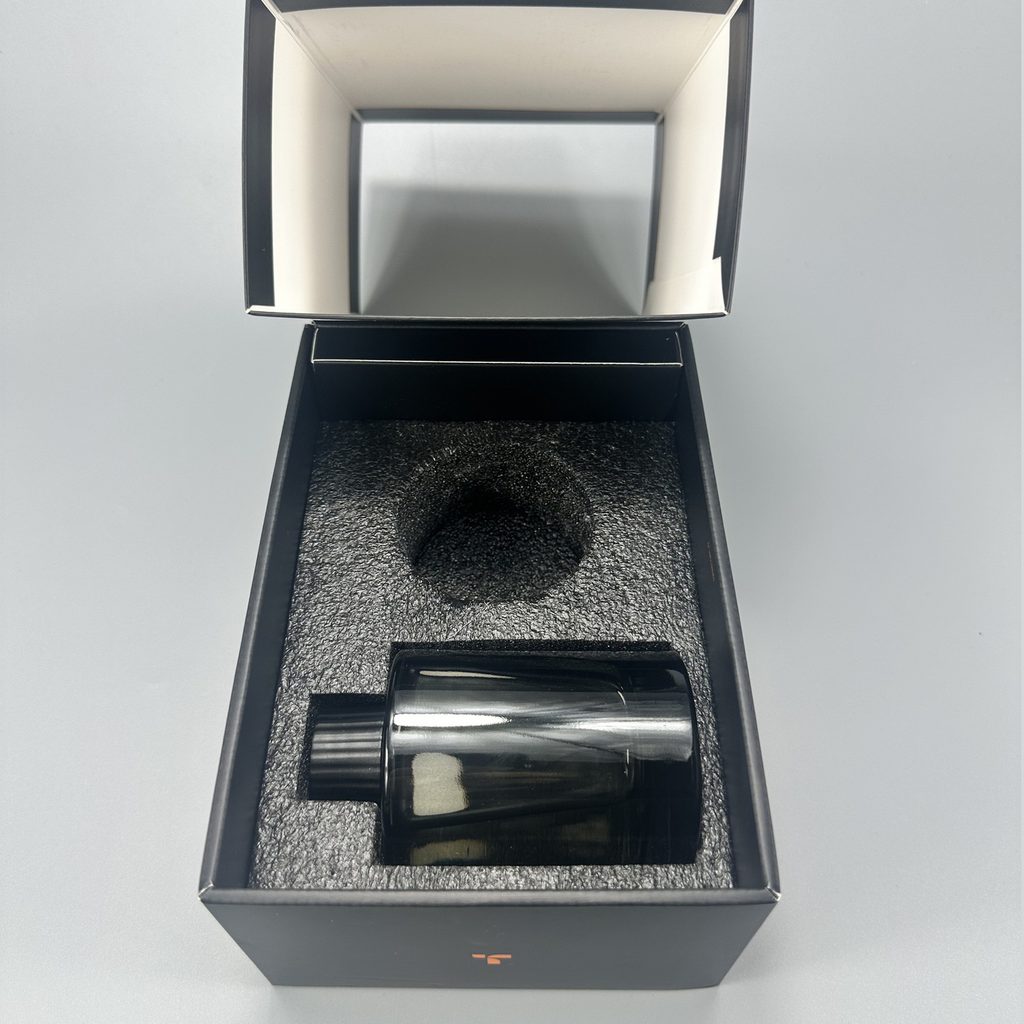
Confirm Your Packaging Fit Before Production
Contact Bonito Packaging with your product and packaging requirements to request a project-specific dimensional review. Before authorizing mass production, approve the drawing, tolerance limits, measurement method, and complete product-to-box fit—not just the appearance of the sample.
FAQ
1. What Is the Standard Tolerance for Custom Paper Boxes?
There is no single tolerance suitable for every structure. Agree on limits based on the box design, materials, manufacturing capability, and required fit.
2. Should I Specify Internal or External Box Dimensions?
Specify both when both matter. Internal dimensions control usable space; external dimensions control compatibility with shipping cartons, fixtures, and equipment.
3. Can a Box Meet Its Dimensions but Still Fail?
Yes. A box may meet basic measurements yet have poor closure, distorted panels, or an insert that does not retain the product. Include functional acceptance checks.
4. Does a Tighter Tolerance Always Improve Packaging?
No. Unnecessarily tight limits may increase manufacturing and inspection demands without improving performance. Prioritize dimensions that control loading, protection, closure, and presentation.
5. What Should I Send Bonito Packaging Before Production?
Send product dimensions and variation, physical samples where available, insert requirements, packing methods, and external size restrictions. Request a dimensioned drawing and representative sample for approval.
References
The standards below support the terminology, conditioning guidance, and sampling discussion. The numerical fit example is hypothetical; the checklist and approval workflow are practical recommendations, not published universal tolerance limits.
1. [FEFCO — Technical Description]. Defines the internal length × width × height convention used for corrugated packaging. [fefco]
2. [ISO 187:2022 — Paper, board and pulps: Standard atmosphere for conditioning and testing]. Establishes the scope of standardized conditioning and atmospheric monitoring. [iso]
3. [ISO 187:2022 — Public Preview]. Provides the stated standard temperature, relative humidity, and moisture-equilibrium procedures. [cdn.standards.iteh]
4. [ISO 2859-1:2026 — Sampling Procedures for Inspection by Attributes]. Defines acceptance sampling schemes indexed by acceptance quality limit for lot-by-lot inspection. [iso]
 English
 Spanish
 French
 German
 Russian
 Japanese
 Portuguese
 Arabic