
Content Menu
● Why Professional-Looking Custom Packaging Really Matters
● Start With Strategy: Target Market, Objective, Brand System
>> Define a Clear Objective For Each Box
>> Build a Cohesive Brand System
● Structural Choices: Picking the Right Box Type and Size
>> Common Box Types and When to Use Them
>> Right-Sizing to Reduce Cost and Waste
● Material, Finish, and Color: How Your Box Feels and Reads
>> Core Materials for Custom Paper Packaging
>> Print Finishes and Tactile Details
>> Color: Screen vs Print Reality
● Crafting Graphics, Typography, and Information That Work in Real Life
>> Information Hierarchy and Compliance
● Technical Production: Dielines, Prepress, and Printing Methods
● UX and Unboxing: Beyond the Outer Box
>> Protecting and Presenting the Interior
● A Four-Step Process You Can Adopt
● Sustainability and Brand Trust in Paper Packaging
● Practical CTA: Design Professional Custom Packaging With Bonito
>> FAQ 1: How do I choose between a mailer box and a folding carton?
>> FAQ 2: What size should my custom box be?
>> FAQ 3: Why do my printed colors look different from my screen?
>> FAQ 4: How can I make my packaging more sustainable without losing visual impact?
>> FAQ 5: What’s the simplest process to go from idea to print-ready packaging?
Designing professional custom packaging is no longer just about putting a logo on a box—it’s about telling a clear brand story, protecting your product, and delivering an experience that customers want to share. As a packaging strategist working with Embalagem de Bonito, a high-end custom paper packaging manufacturer, I’ve seen well-designed boxes directly improve repeat purchase rates, social media exposure, and perceived product value. [vistaprint]
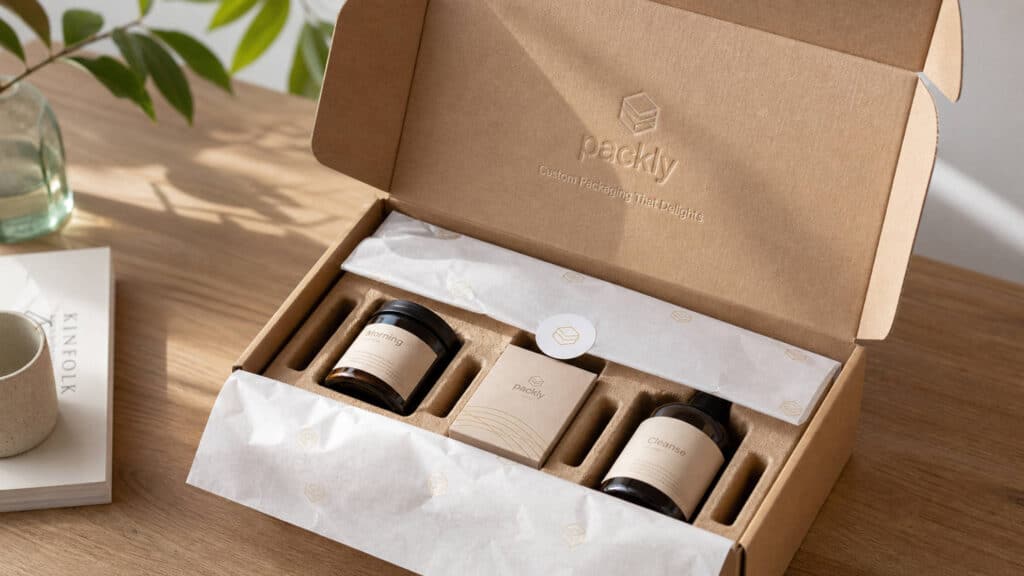
Why Professional-Looking Custom Packaging Really Matters
Custom packaging has to do three jobs at once: protect, explain, and persuade. When structure, materials, graphics, and messaging work together, your box becomes a silent salesperson that works 24/7—from warehouse shelf to doorstep. [pakoro]
For growing brands, professional packaging is often the first “physical” touchpoint customers have with you. A flimsy or confusing box can undermine months of marketing, while a thoughtful unboxing experience can turn first-time buyers into loyal advocates. [brillpack]
Start With Strategy: Target Market, Objective, Brand System
Before opening Illustrator or an online box editor, you need a clear strategic foundation. [esko]
Know Your Target Customer
Your packaging has to speak your audience’s visual language. [vistaprint]
Ask:
– Who is buying this product?
– Where do they encounter it (retail shelf, DTC unboxing, B2B shipment)?
– What visual cues do they already trust in your category?
The Literary Book Club Box, for example, uses Victorian-inspired framing, flowing script, and gilded detail that instantly resonates with “lit geek” subscribers. This isn’t accidental; it’s tightly aligned with audience taste and expectations. [vistaprint]
Define a Clear Objective For Each Box
Every packaging project needs a single primary objective. [pakoro]
Typical objectives:
– Launch a seasonal campaign (e.g., Valentine’s limited edition)
– Increase subscriber retention for a monthly box
– Elevate perceived value of a premium SKU
– Reduce damage and returns for fragile items
Once an objective is set, design decisions become much easier. A Valentine’s campaign box, for instance, needs strong cues (color, iconography, copy) that connect both brand identity and the holiday in seconds. [vistaprint]
Build a Cohesive Brand System
Effective custom packaging builds brand recall through consistent use of logos, colors, type, and core messages. Atlas Bars, for example, maintain a consistent logo and wordmark across different flavor designs, so the brand remains recognizable even when colors change. [pakoro]
Best practices:
– Use a core color palette and type hierarchy across SKUs
– Maintain logo size and placement rules
– Keep a short tagline or “reason to believe” visible on the front panel
– Ensure seasonal designs retain at least one key brand anchor (logo, color, or shape)
Structural Choices: Picking the Right Box Type and Size
Good packaging design starts with structure, not graphics. The wrong box type or size will increase costs, damage, and frustration—no matter how beautiful your artwork is. [crateform]
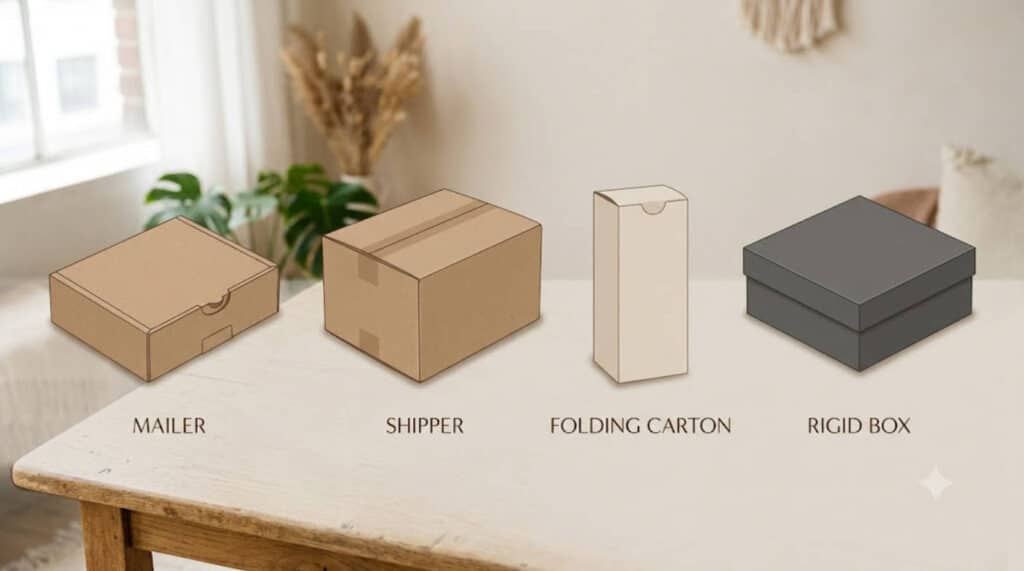
Common Box Types and When to Use Them
| Tipo de caixa | Melhores casos de uso | Strength & Presentation |
|---|---|---|
| Caixas de correio | Subscription boxes, influencer kits, DTC gifting crateform | Good durability (E/B flute) and strong presentation |
| Shipping boxes (RSC) | Heavy products, bulk shipments, books, food crateform | High durability, lower visual impact |
| Caixas de papelão dobráveis | Retail shelves, cosmetics, tea, candies, luxury items crateform | High presentation, lower structural strength |
| Two-piece rigid boxes | Premium gifting, luxury electronics, jewelry crateform | Strong presentation, higher cost |
Mailer boxes in E or B flute are ideal for e-commerce brands that care about both survival in transit and a polished unboxing moment. Folding cartons in solid bleached sulfate (SBS) paperboard are perfect for retail shelves where print clarity and premium feel matter more than heavy-duty protection. [diypack]
Right-Sizing to Reduce Cost and Waste
Oversized boxes increase shipping fees, demand more void fill, and can ironically lead to more product damage due to movement in transit. Custom sizing gives a more intentional, professional impression and can be a powerful sustainability signal when combined with recycled materials and clear recycling instructions on-pack. [diypack]
For Bonito Packaging’s clients, I typically recommend:
– Matching internal dimensions closely to product + minimal protective inserts
– Testing packed units with shake/drop tests before locking dimensions
– Considering multiple sizes that share a common brand system for SKU families
Material, Finish, and Color: How Your Box Feels and Reads
Material choice heavily influences print quality, durability, cost, and environmental perception. [crateform]
Core Materials for Custom Paper Packaging
– Paperboard SBS: Smooth, white, excellent print quality; ideal for cosmetics, pharma, and retail cartons. [crateform]
– Corrugated board: Fluted paper laminated to liners; available in single or double wall for strength. Common for subscription boxes and shipper cartons. [diypack]
Flute choice (B, C, E) defines thickness and performance:
– B flute (~1/8″) – strong stacking and crush resistance; shipping boxes. [crateform]
– C flute (~11/64″) – good balance of cushioning and stacking. [crateform]
– E flute (~1/16″) – thinner, better print, ideal for stylish mailer boxes that aren’t heavily loaded. [crateform]
Print Finishes and Tactile Details
Finishes like matte, gloss, soft-touch, foil, emboss, and spot UV can highlight focal points without visual noise. Used sparingly, they turn an ordinary box into a premium object that customers enjoy handling and sharing. [pakoro]
For high-end custom paper packaging, I recommend:
– Matte + soft-touch for minimal, upscale brands
– Spot UV or foil for logos or key headlines only
– Gravação/gravação em relevo for tactile brand marks on rigid or premium cartons
Color: Screen vs Print Reality
Color behavior in print is often misunderstood. All computer screens display RGB light, but packaging is printed in CMYK inks—this difference creates unavoidable color shifts. [crateform]
Key technical guidelines:
– Convert artwork to CMYK before sending to print. [crateform]
– Use 0-0-0-100 CMYK for solid black on corrugated, and specify grays as CMYK mixes rather than RGB. [crateform]
– Remember that kraft substrates mute colors more than white or premium white boards. [diypack]
– Always approve physical samples if color fidelity is critical. [crateform]
Crafting Graphics, Typography, and Information That Work in Real Life
Professional packaging isn’t only aesthetic—it must be legible, honest, and compliant. [upwork]
Typography and Readability
Small or overly delicate type is one of the most common real-world failures. [crateform]
Industry guidelines:
– Minimum 10 pt type on corrugated; minimum 6 pt on paperboard. [crateform]
– Favor bold or semi-bold weights for small type and script fonts, especially on dark backgrounds. [crateform]
– Keep important elements at least 0.125″ from folds and cut lines to avoid trimming or distortion. [crateform]
Front panel messaging should answer two questions within about five seconds of attention:
1. What is this?
2. Why should I choose it over alternatives?
Side and back panels can support with ingredients, usage, regulatory information, and brand story, but the front must stay clear and calm. [vistaprint]
Information Hierarchy and Compliance
Depending on your category, you may be required by law to show specific product specs, nutrition information, or regulatory claims. Plan information layout early so labels stay visible but don’t overpower design. [upwork]
Good practice:
– Place essential specs in a clearly marked panel, preferably on a side or back
– Keep marketing claims honest, specific, and backed by evidence
– Use icons or short phrases to condense complex information for fast scanning
Technical Production: Dielines, Prepress, and Printing Methods
Many excellent designs fail at the production stage due to poor file preparation or misunderstanding of print processes. [crateform]
Working With Dielines
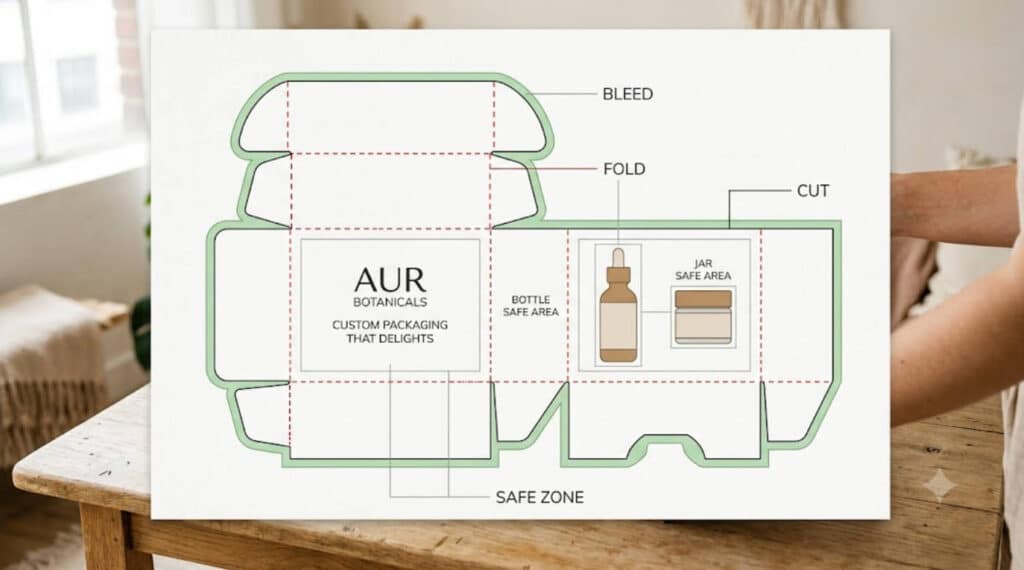
A dieline is a 2D blueprint for your 3D box. [crateform]
Typical color coding in dielines:
– Green lines: bleed area—background colors and full-bleed artwork must extend here. [crateform]
– Red lines: folds/creases—keep critical text at least 0.125″ away. [crateform]
– Black lines: cuts—avoid placing logos or barcodes near these edges. [crateform]
Brands working with Bonito Packaging should always request a dieline matched to final box dimensions and confirm all panels—especially interior printing orientation—before design begins. [crateform]
Prepress Best Practices
Before sending files to print:
– Save artwork in vector formats (.AI or layered .PDF). [crateform]
– Outline fonts to shapes and embed all linked images. [crateform]
– Include at least 0.25″ bleed wherever art extends to the edges. [crateform]
– Check spelling, regulatory statements, and barcodes at final size. [pakoro]
This reduces delays and prevents costly corrections mid-production.
Choosing a Printing Method
Three commonly used methods in packaging:
– Flexographic (direct): Best for high quantities with simple (1–3) colors. Requires plates per color; lower long-run cost. [crateform]
– Lithographic: Highest image quality, ideal for photo-heavy or detail-rich designs at scale; higher setup cost. [crateform]
– Digital: Most flexible for short runs, frequent artwork changes, and multi-color designs without plates. [crateform]
For growing brands testing new designs or running seasonal campaigns, digital printing offers a smart balance between cost and agility. Once artwork stabilizes and volumes rise, flexographic or lithographic can reduce long-term unit costs. [pakoro]
UX and Unboxing: Beyond the Outer Box
Professional packaging design doesn’t end at the outer surface. The full experience—how it opens, how products are presented, and what extras are included—shapes customer perception and retention. [diypack]
Protecting and Presenting the Interior
Simply tossing products into a printed box undermines perceived quality and increases damage risk. [vistaprint]
To create a polished experience:
– Use custom or stock inserts (corrugated, paperboard, or foam) to hold products in place. [diypack]
– Add tissue paper, crinkle fill, or branded wraps to cushion and elevate presentation. [vistaprint]
– Ensure that opening flows intuitively, with no confusing flaps or hidden items. [pakoro]
Adding Thoughtful Accents
Small extras can create disproportionate delight:
– Branded stickers that customers can place on laptops or tumblers. [vistaprint]
– Hang tags with story, care tips, or QR links to tutorials and origin content. [pakoro]
– Short, personal thank-you notes or messages inside the lid. [brillpack]
Smart QR codes are increasingly used to connect packaging to digital experiences—tutorials, refills, loyalty programs, or sustainability stories—turning each box into a gateway to lifetime value. [adobe]
A Four-Step Process You Can Adopt
To consistently deliver professional-looking custom packaging, I recommend this four-step workflow adapted from proven industry practice. [pakoro]
1. Define the game.
Clarify who buys, where they buy, and what they must understand first on-pack. Set targets for unit cost, damage rate, and customer perception. [brillpack]
2. Move quickly from concept to mockup.
Choose structure, then build physical white samples. Lay out a minimal front design: one strong promise, one focal visual. Test legibility in dim light and on mobile screens. [pakoro]
3. Test with purpose.
Run drop and vibration checks, gather non-designer feedback within five seconds of viewing, and monitor material yield and finishing time. Iterate one more round than you think necessary. [jukeboxprint]
4. Lock files for production.
Add bleed, use 300 dpi images, keep logos vector, and clearly label special layers for spot UV, foil, and white ink. Confirm barcodes on uncoated areas and approve physical samples before mass production. [pakoro]
Sustainability and Brand Trust in Paper Packaging
As customers increasingly expect sustainable choices, custom paper packaging offers strong opportunities to signal responsibility and win trust. [jukeboxprint]
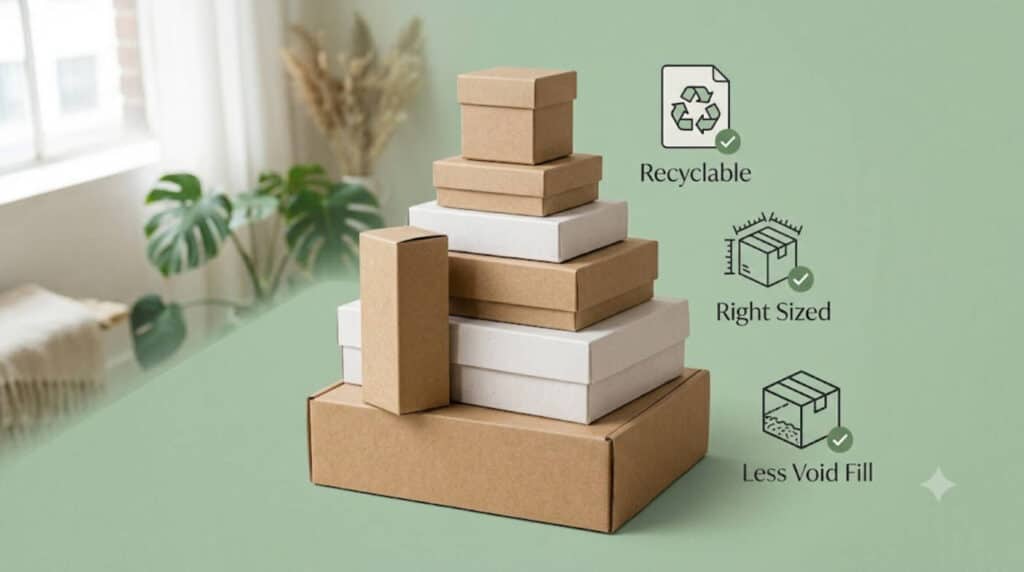
High-impact steps:
– Right-size structures to reduce material waste and shipping emissions. [brillpack]
– Use recycled and recyclable liners and boards, clearly explained in one concise line on-pack. [pakoro]
– Minimize ink coverage and color count when possible, especially for eco-positioned SKUs. [brillpack]
– Add clear disposal and recycling instructions near the bottom panel or interior flap. [jukeboxprint]
Brands that pair sustainability claims with tangible structural and material choices—and communicate them clearly—see measurable gains in customer trust and repeat purchase intent. [jukeboxprint]
Practical CTA: Design Professional Custom Packaging With Bonito
If you’re ready to move from “good enough” boxes to professional custom packaging that tells your brand story, protects your product, and delights customers, it’s time to formalize your next project. [brillpack]
At Bonito Packaging, our team helps you:
– Choose the right structure, materials, and finishes for your product and channel
– Translate your brand system into print-ready dielines and artwork
– Run sample-based color checks and structural tests before large orders
Reach out to our packaging specialists to request a tailored dieline, discuss materials and finishes, or start your next custom paper packaging project today. [crateform]
PERGUNTAS FREQUENTES
FAQ 1: How do I choose between a mailer box and a folding carton?
Mailer boxes are best for e-commerce shipments and subscription experiences where durability and unboxing both matter, while folding cartons excel on retail shelves where print quality and compact form are priorities. [diypack]
FAQ 2: What size should my custom box be?
Ideally, the box should closely match product dimensions plus minimal cushioning to prevent movement, reduce void fill, and keep shipping costs under control. Running a few prototype tests with packed units is the fastest way to validate the right size. [diypack]
FAQ 3: Why do my printed colors look different from my screen?
Screens display RGB light, but packaging is printed in CMYK ink on physical substrates, which leads to less intense colors and occasional shifts in hue. Converting files to CMYK and approving physical samples before mass production solves most issues. [crateform]
FAQ 4: How can I make my packaging more sustainable without losing visual impact?
Right-size your structure, use recycled and recyclable paper materials, reduce heavy ink coverage, and clearly explain your sustainability choices in one concise line on the box. Tactile finishes like subtle embossing can provide premium feel without excessive printing. [brillpack]
FAQ 5: What’s the simplest process to go from idea to print-ready packaging?
Define target customer and objective, select structure and materials, build and test mockups, prepare vector-based artwork on dielines with correct bleed and CMYK color, then choose an appropriate printing method (often digital for initial runs) and approve a physical sample. [pakoro]
References
1. Packlane – “A Guide to Professional Looking Packaging Design” (accessed 2026-07-04). [vistaprint]
2. Packlane via Creative Market – “How to Design Amazing Custom Packaging: A Technical Guide” (accessed 2026-07-04). [crateform]
3. Pakoro – “Packaging Design: A Practical Guide You Can Use Today” (accessed 2026-07-04). [pakoro]
4. DIYpack – “Custom Packaging Design Tips: How to Create Boxes That Stand Out” (accessed 2026-07-04). [diypack]
5. BrillPack – “Beginner’s Guide to Creating Customized Packaging That Stands Out” (accessed 2026-07-04). [brillpack]
6. VistaPrint – “Product Packaging Design Guide” and “Custom Product Packaging Design Tips” (accessed 2026-07-04). [vistaprint]
7. Jukebox Print – “Packaging Design: The Complete 2026 Guide” (accessed 2026-07-04). [jukeboxprint]
8. Adobe – “How to Design Product Packaging: A Step-by-Step Guide” and packaging design resources (accessed 2026-07-04). [certifiedprofessional.adobe]
9. Upwork – “Packaging Design Guide: Essential Tips and Techniques” (accessed 2026-07-04). [upwork]
10. Esko – “How to Design Your Product Packaging – The Complete Guide” (accessed 2026-07-04). [esko]
Hot Tags: Custom Packaging, Manufacturers, Customized, Custom, Suppliers, Buy, Cheap, Quality, Advanced, Durable, in Stock, Made in China, Price, Quotation, Free Sample
 English
  Spanish
  French
  German
  Russian
  Japanese
  Portuguese
  Arabic