
Content Menu
● Why Packaging Matters in Product Marketing
● Packaging Is a Silent Salesperson
>> Packaging Creates Shelf Impact
>> Packaging Supports Online Product Discovery
● How Custom Packaging Builds Brand Recognition
>> Use Packaging to Express Your Brand Personality
● Packaging Improves the Customer Experience
>> A Better Unboxing Experience Drives Engagement
>> Product Protection Is Part of Marketing
● Packaging Communicates Information and Compliance
● Sustainable Packaging Is Now a Business Expectation
>> What Sustainable Custom Packaging Should Consider
● A Practical Packaging Strategy for Brands
>> Step 1: Define the Packaging Objective
>> Step 2: Understand the Customer Journey
>> Step 3: Match Structure to Product Risk
>> Step 4: Build a Clear Information Hierarchy
>> Step 5: Prototype Before Full Production
● Packaging Should Earn Its Place
● Questions fréquemment posées
>> 1. Why is packaging important in marketing?
>> 2. How does custom packaging increase product value?
>> 3. What packaging is best for e-commerce products?
>> 4. Can sustainable packaging still look premium?
>> 5. What information should be included on product packaging?
>> 6. How can packaging improve customer retention?
>> 7. Should small businesses invest in custom packaging?
Packaging is one of the most powerful marketing tools a brand owns. It protects the product, shapes the first impression, communicates value, and creates a physical brand experience that customers can remember long after the purchase.
For modern brands, emballage sur mesure is not simply a shipping necessity or a decorative outer layer. It is a strategic touchpoint that can influence shelf visibility, online conversion, perceived quality, customer trust, repeat purchases, and word-of-mouth marketing. Whether you sell cosmetics, food, apparel, electronics, gifts, jewelry, supplements, or subscription products, the box, carton, mailer, insert, and label all contribute to how customers evaluate your business.
Au Emballage Bonito, we see packaging as the moment where brand strategy becomes tangible. A well-designed custom paper packaging solution can help a product look more premium, travel more safely, communicate essential information clearly, and make the unboxing experience feel intentional rather than ordinary.
Why Packaging Matters in Product Marketing
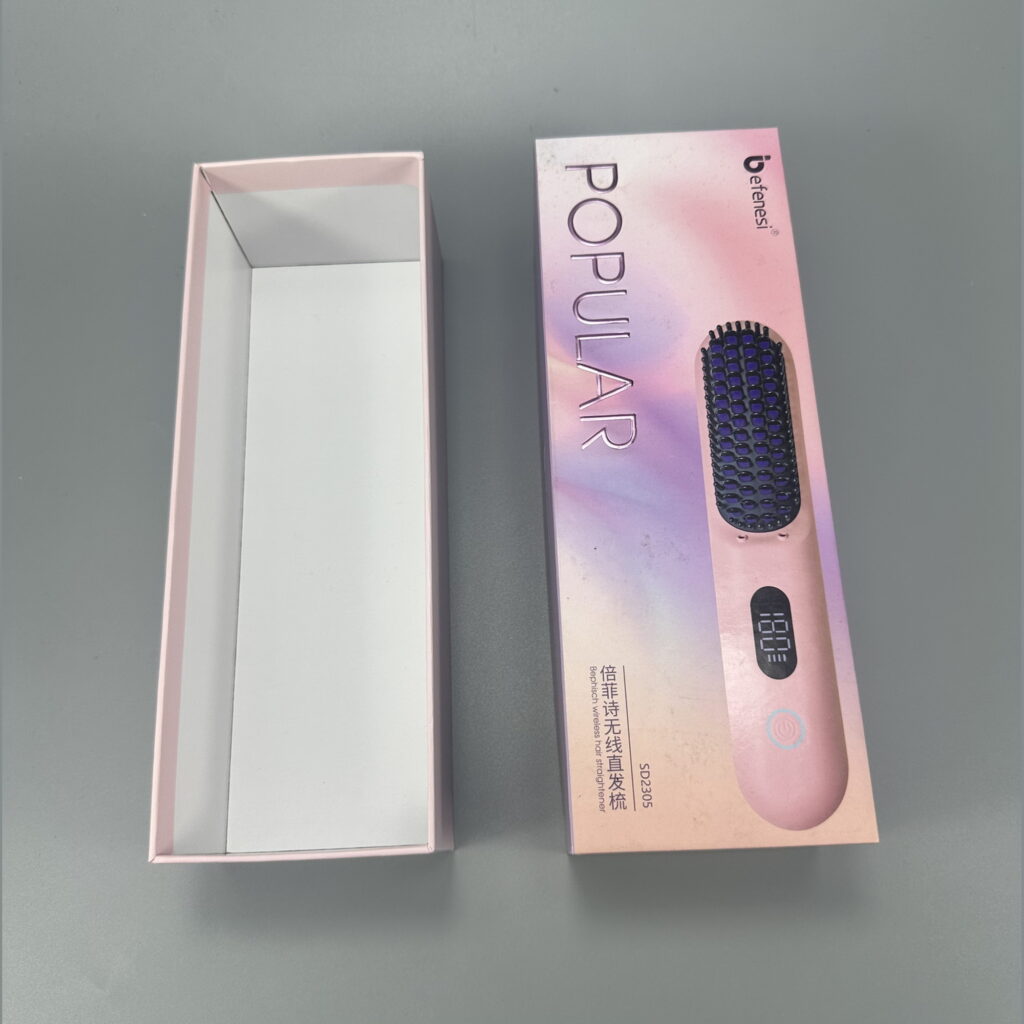
Packaging matters because it often becomes the first physical interaction between a customer and a brand.
Before someone uses a skincare serum, tastes a snack, wears a garment, or turns on an electronic device, they see and touch the package. That moment can create confidence, curiosity, excitement, or disappointment.
In retail, packaging must compete for attention on a crowded shelf. In e-commerce, it must arrive intact, reinforce the customer’s purchase decision, and create a shareable unboxing moment. In both environments, packaging helps answer an important buyer question:
“Does this product feel worth the price?”
The answer is influenced by more than the product itself. Customers notice the quality of the paperboard, print clarity, structure, colors, finishing, insert design, opening experience, and the usefulness of the package after purchase.
Premium packaging can also influence how people perceive the value of the item inside. Recent consumer research cited by packaging-industry sources found that 40% of shoppers are more likely to buy again from a brand that delivers premium packaging, while 51% say premium packaging makes a brand appear more upscale.
This does not mean every product needs an expensive rigid box. It means packaging should be appropriate, intentional, functional, and aligned with the product’s market position.
Packaging Is a Silent Salesperson
A product package works like a silent salesperson. It cannot speak aloud, but it communicates through materials, words, color, structure, typography, texture, and visual hierarchy.
A plain, poorly sized, or damaged package may suggest low quality even when the product itself is excellent. In contrast, custom packaging can make a smaller brand look more established, trustworthy, and differentiated.
Packaging Creates Shelf Impact
On a retail shelf, consumers may compare dozens of similar products in seconds. Your package must make the brand and product purpose clear immediately.
Strong shelf-ready packaging usually includes:
– A recognizable logo or brand mark
– A clear product name
– A primary benefit or value proposition
– Visual elements that fit the target customer
– Easy-to-read product details
– A package shape or finish that supports differentiation
– Consistent colors across the product line
For example, a premium candle brand may use a textured folding carton, foil stamping, soft neutral colors, and a clean product name to communicate craftsmanship. A children’s snack brand may use bold color blocks, simple illustrations, and highly visible nutritional information to create trust and appeal to parents.
The key is not to make the package “busy.” The key is to make it instantly understandable.
Packaging Supports Online Product Discovery
E-commerce has changed the role of packaging. Customers cannot touch a product before they purchase it online, so product photography, package design, and brand presentation must work together to reduce uncertainty.
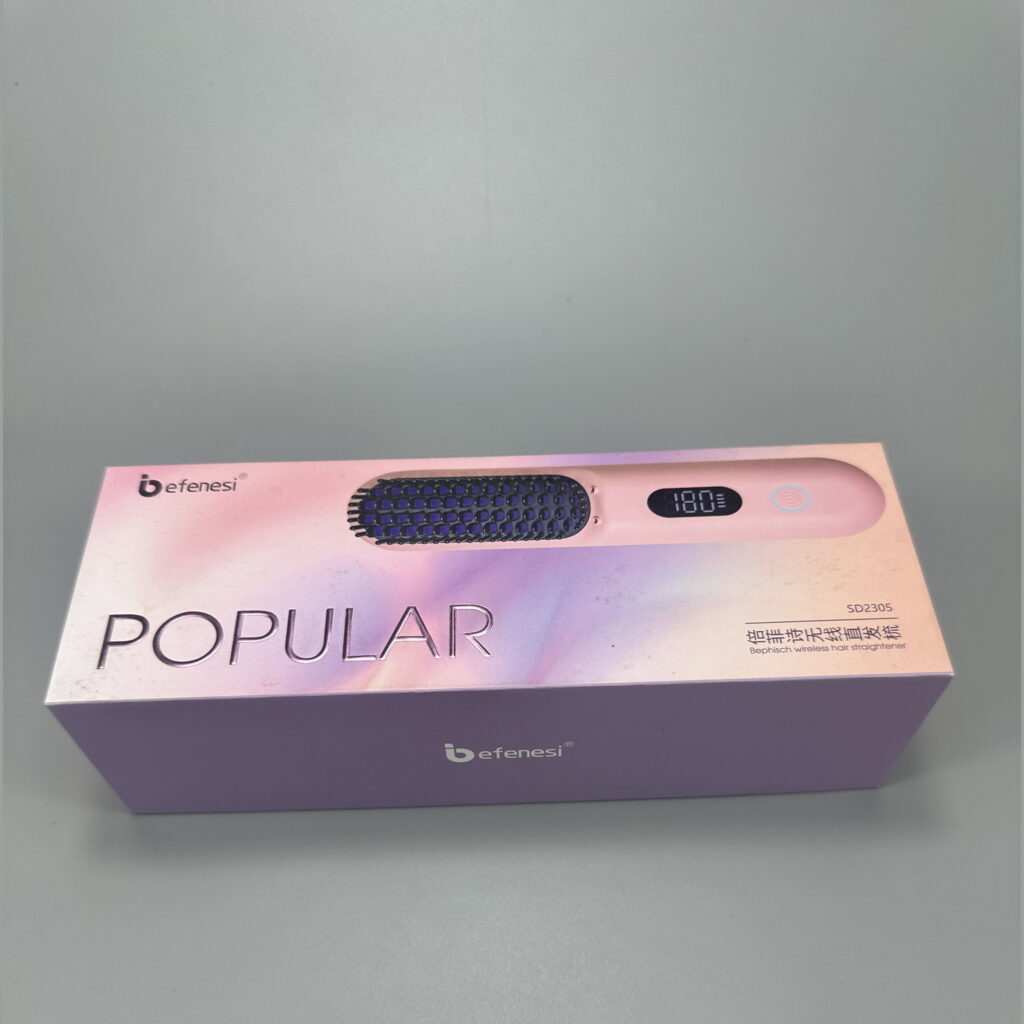
A high-quality custom box can improve the appearance of product listing images, social media content, influencer campaigns, and paid advertisements. It gives marketers more visual assets to use across channels.
For online sellers, packaging also affects what happens after checkout:
1. The order arrives.
2. The customer evaluates the shipping condition.
3. The customer opens the outer mailer or shipping box.
4. The branded product packaging appears.
5. The customer decides whether the experience feels worth sharing.
This sequence is why e-commerce packaging should be designed as a complete system, not as a single box.
How Custom Packaging Builds Brand Recognition
Brand recognition is built through repetition. When customers repeatedly see the same colors, logos, visual style, messaging, and package structure, they begin to associate those signals with your company.
Custom packaging turns each order, retail display, trade-show sample, and gift purchase into a branded physical asset.
Use Packaging to Express Your Brand Personality
Every packaging decision communicates something about the brand.
| Packaging Element | What It Can Communicate |
|---|---|
| Minimal white space | Modern, clean, premium, clinical |
| Bold colors | Energetic, youthful, accessible |
| Kraft paper textures | Natural, handmade, eco-conscious |
| Marquage à la feuille | Luxury, exclusivity, giftability |
| Embossing or debossing | Craftsmanship, texture, refinement |
| Custom inserts | Care, protection, high perceived value |
| Magnetic rigid boxes | Premium positioning, gifting, luxury |
| QR codes | Interactivity, digital storytelling, education |
A sustainable skincare company, for instance, may choose recyclable paperboard, soy-based inks where appropriate, earthy colors, and concise material-disposal guidance. A luxury jewelry brand may choose a rigid box with a soft-touch finish, foil logo, protective insert, and a branded care card.
Both approaches can be effective because both align the package with the buyer’s expectations.
Consistency Creates Trust
A brand should not look completely different on its website, social channels, retail packaging, and shipping materials. Consistency helps customers recognize the brand and feel more confident about purchasing from it.
Your packaging should reflect the same:
– Brand voice
– Color palette
– Typography
– Product positioning
– Customer promise
– Level of quality
– Sustainability message
When packaging and brand messaging conflict, customers notice. For example, a company claiming to be environmentally responsible may lose credibility if it uses excessive layers of unnecessary packaging without providing clear reuse or recycling guidance.
Packaging Improves the Customer Experience
The customer experience begins before the product is used. It begins when the customer receives the package.
A thoughtfully designed package makes opening, handling, storing, gifting, and reordering easier. It should feel convenient rather than frustrating.
A Better Unboxing Experience Drives Engagement
Unboxing has become an important part of digital commerce. Customers often photograph, record, review, and share products that feel visually distinctive or emotionally rewarding.
However, a memorable unboxing experience does not require excessive materials. The best experiences balance presentation, protection, usability, and sustainability.
Consider including:
– A branded outer shipping box or custom mailer
– A cleanly printed folding carton
– A protective paper insert or molded paper tray
– A thank-you card with a short message
– A care guide or usage instruction card
– A coupon or re-order incentive
– A QR code linking to product tutorials, brand stories, or loyalty programs
– Simple recycling or disposal instructions
The most successful unboxing journeys feel easy. Customers should not need to fight through unnecessary tape, plastic, foam, or layers of confusing inserts.
Product Protection Is Part of Marketing
A damaged order is not only a logistics problem. It is a marketing failure.
If a customer receives crushed packaging, broken products, leaking bottles, or scratched items, the brand experience is immediately weakened. The money spent on digital advertising, product photography, and brand design can be undermined by one poor delivery experience.
For that reason, packaging design must begin with product protection. Before selecting finishes or decorative features, brands should evaluate:
– Product dimensions and weight
– Fragility and breakability
– Shipping distance and handling conditions
– Stacking pressure
– Moisture exposure
– Tamper concerns
– Retail display requirements
– Return and replacement costs
A packaging manufacturer should help brands select the right paperboard grade, box structure, insert design, closure method, and shipping configuration for the product’s real-world journey.
Packaging Communicates Information and Compliance
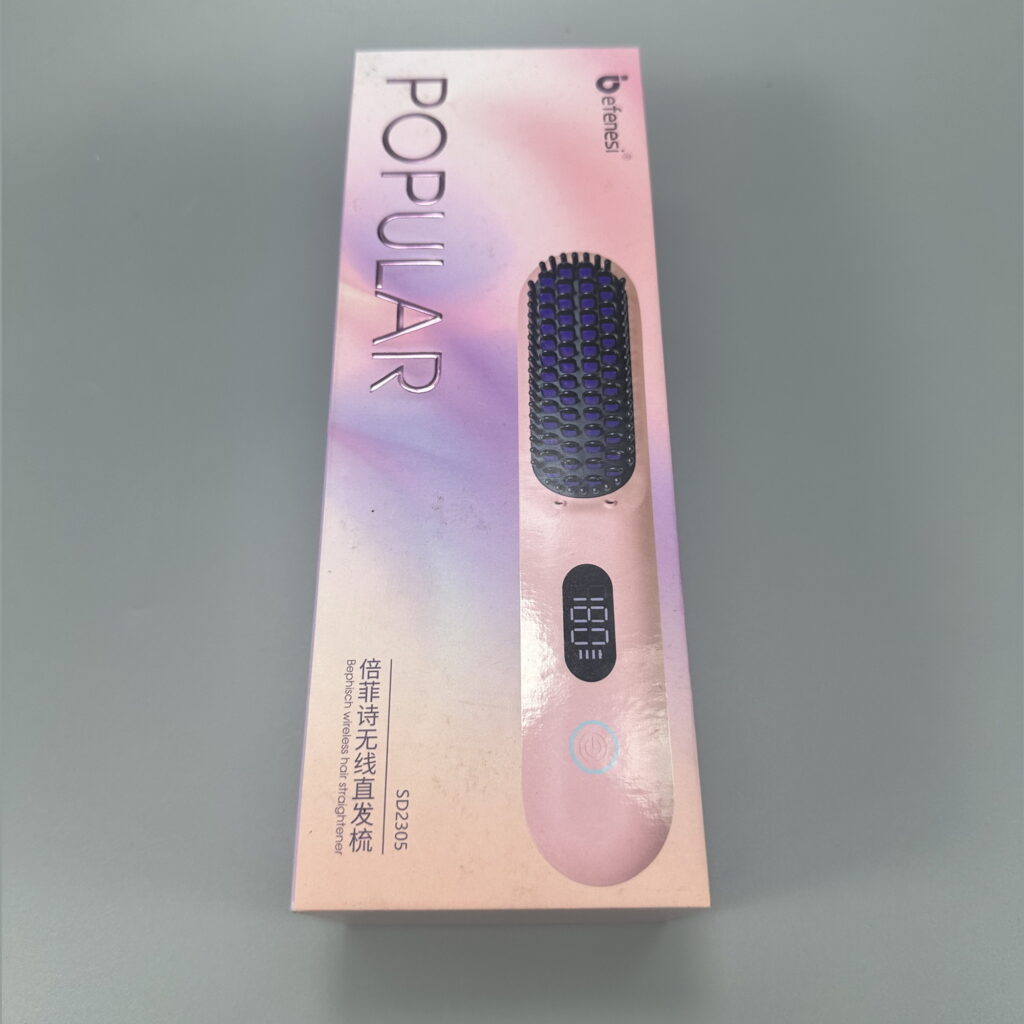
A package must be attractive, but it must also be accurate and easy to understand. The back, side panels, inner cards, labels, and inserts often carry information that affects trust, safety, and compliance.
Depending on the product category and target market, packaging may need to communicate:
– Product identity
– Net quantity
– Ingredients or materials
– Directions for use
– Safety instructions
– Warnings
– Storage information
– Country of origin
– Manufacturer, importer, or distributor details
– Batch numbers or expiration dates
– Recycling guidance
– Barcode and retail information
For cosmetics sold in the United States, FDA guidance states that required label statements must be in English and displayed prominently. Cosmetic labels generally need to include the product identity, net quantity, and an ingredient declaration, while the outer container is particularly important for certain Fair Packaging and Labeling Act requirements.
For food products, labeling must identify major food allergens when applicable, and the FDA requires the food source of major allergens to be declared.
This is why packaging design should involve early coordination among the brand team, designer, printer, compliance team, and manufacturer. It is much easier to plan adequate space for required information during structural design than to force critical details into an already crowded layout.
Sustainable Packaging Is Now a Business Expectation
Sustainability is no longer a niche consideration. Many customers expect brands to reduce unnecessary waste, choose recyclable materials where feasible, and communicate disposal instructions clearly.
McKinsey’s 2025 consumer packaging research found that consumers across surveyed countries continue to consider packaging’s environmental impact important, and that 40% to 80% of consumers across countries reported a willingness to pay more for sustainable packaging.
However, sustainability should not be treated as a purely visual claim. A package is not automatically sustainable because it uses green colors, leaves, or terms such as “eco-friendly.”
What Sustainable Custom Packaging Should Consider
A more credible approach evaluates the full packaging system:
– Use the right-size box to reduce empty space and material waste
– Prioritize recyclable paper-based packaging where suitable
– Avoid unnecessary plastic components
– Use inserts that protect products without excessive materials
– Choose durable packaging that reduces product damage
– Provide clear recycling instructions
– Avoid unverified environmental claims
– Design packaging that customers can reuse when practical
Paper packaging can be an excellent option for many categories because of its versatility, printability, customization potential, and compatibility with fiber-based recycling streams. However, material choices must still be evaluated according to product protection needs, coatings, adhesives, local recycling systems, and the intended use case.
The most sustainable package is not necessarily the lightest or simplest package. It is the package that protects the product effectively, avoids unnecessary material, supports responsible end-of-life handling, and reduces waste caused by damage or returns.
A Practical Packaging Strategy for Brands
Brands often make one of two mistakes: they either overdesign the package before validating functionality, or they focus only on cost and ignore customer perception.
A better process connects product protection, brand strategy, compliance, and conversion.
Step 1: Define the Packaging Objective
Start with the primary business goal.
Is your packaging designed to:
– Improve shelf visibility?
– Create a premium gift experience?
– Protect fragile products during shipping?
– Increase repeat purchases?
– Support a sustainable positioning?
– Improve retail readiness?
– Launch a new product line?
– Increase social media sharing?
A clear objective helps determine the appropriate box style, material, finish, and budget.
Step 2: Understand the Customer Journey
Map the customer’s interaction with the package from first impression to disposal.
Ask practical questions:
– Where will the customer first see the product?
– Is the product sold in-store, online, or both?
– Will the package be displayed on a shelf?
– Will it be photographed for e-commerce?
– Will it be shipped directly to consumers?
– Is the product likely to be gifted?
– Does the customer need instructions, a return guide, or a QR code?
– What should the customer do with the packaging after use?
Step 3: Match Structure to Product Risk
The package structure must fit the product. A lightweight apparel item may need a branded mailer and tissue paper, while a fragile glass bottle may need a folding carton with a custom insert and a protective shipping carton.
Do not choose packaging based only on appearance. Test it under realistic conditions.
Step 4: Build a Clear Information Hierarchy
Customers should be able to understand the product without searching through cluttered text.
A useful hierarchy is:
1. Brand name
2. Product name
3. Primary product benefit
4. Essential product details
5. Required compliance information
6. Supporting story, instructions, or digital engagement features
Step 5: Prototype Before Full Production
Before placing a large order, review a physical sample or prototype.
Check:
– Color accuracy
– Print quality
– Structural strength
– Product fit
– Ease of opening
– Insert performance
– Barcode readability
– Label placement
– Text legibility
– Shipping durability
A prototype can prevent expensive mistakes and ensure the finished custom packaging reflects the quality your brand promises.
Packaging Should Earn Its Place
From a packaging manufacturing perspective, the strongest projects begin with a simple principle: every packaging component should have a job to do.
A box may protect a product. A lid may create a premium reveal. An insert may prevent movement. A printed panel may explain the product’s value. A QR code may lead to a tutorial. A thank-you card may make a first-time buyer feel appreciated.
When each element has a purpose, packaging feels refined rather than excessive.
At Bonito Packaging, we recommend that brands evaluate custom paper packaging through four connected questions:
| Strategic Question | Packaging Decision |
|---|---|
| What must the package protect? | Material strength, inserts, box structure |
| What should the customer feel? | Finishes, color, texture, opening experience |
| What must the package communicate? | Copy hierarchy, compliance panels, icons, QR codes |
| What should happen after delivery? | Reuse, recycling, reordering, sharing, loyalty |
This framework helps brands invest in packaging that supports both marketing outcomes and operational realities.
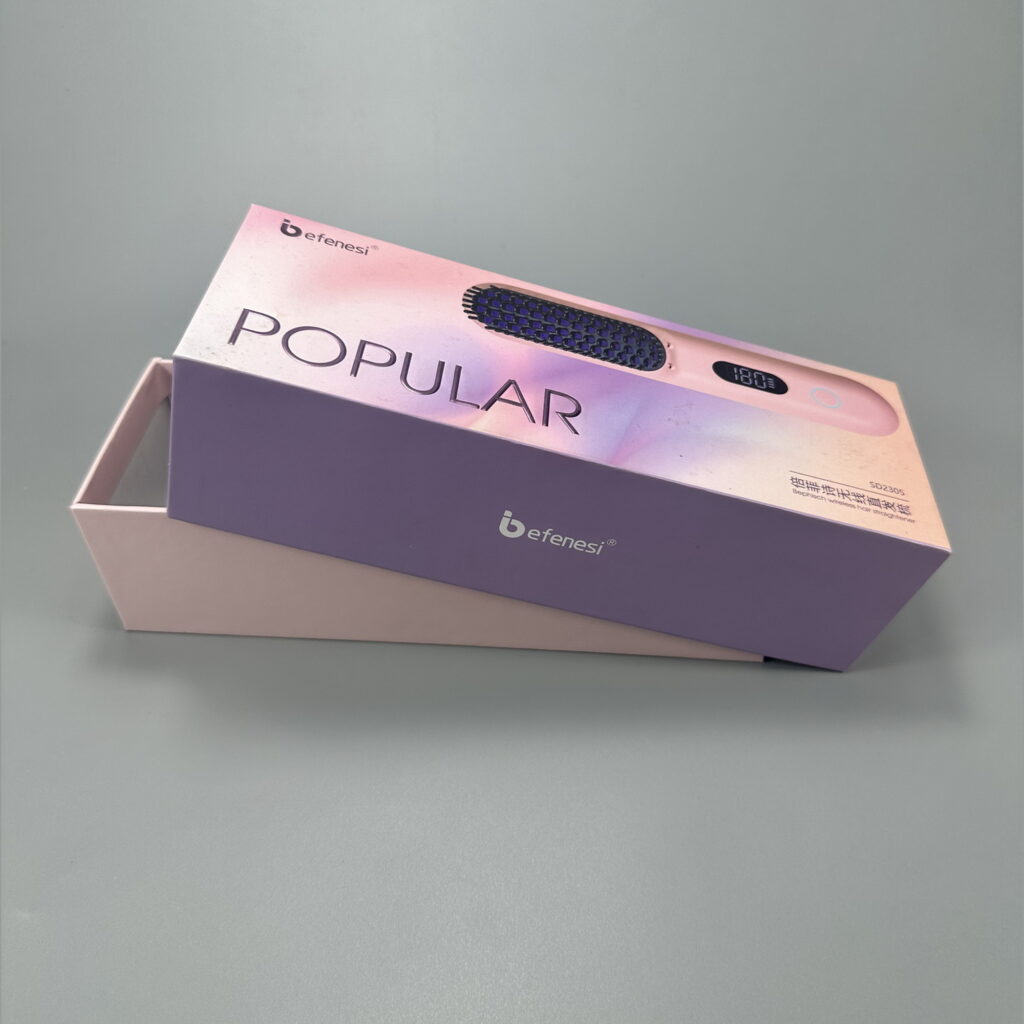
Réflexions finales
Packaging is important in marketing because it turns a product into a branded experience. It influences visibility, customer confidence, perceived value, information clarity, product protection, and post-purchase engagement.
The right custom packaging does more than hold a product. It can help your brand stand out in retail, create a better e-commerce unboxing experience, strengthen trust, communicate your values, and encourage customers to return.
If your current packaging looks generic, ships poorly, lacks clear information, or does not reflect your product quality, it may be time to rethink it.
Ready to create custom packaging that protects your products and elevates your brand? Work with Bonito Packaging to develop premium custom paper boxes, folding cartons, rigid boxes, inserts, and branded packaging solutions tailored to your product, market, and customer experience goals.
Questions fréquemment posées
1. Why is packaging important in marketing?
Packaging is important because it affects first impressions, product visibility, perceived quality, customer trust, and buying decisions. It also gives brands a physical channel for communicating product benefits, instructions, values, and brand identity.
2. How does custom packaging increase product value?
Custom packaging can increase perceived value by making the product feel more intentional, professional, and premium. High-quality printing, suitable materials, well-designed inserts, and thoughtful finishing details can make customers feel that the product is worth its price.
3. What packaging is best for e-commerce products?
The best e-commerce packaging depends on the product’s size, fragility, weight, and shipping route. Many brands use a protective corrugated shipper, a branded folding carton or rigid box, and custom paper inserts or padding to balance protection, branding, and sustainability.
4. Can sustainable packaging still look premium?
Yes. Sustainable packaging can look premium when brands use well-designed paperboard, refined structural design, high-quality printing, embossing, debossing, foil accents used thoughtfully, and clear material communication. Premium design depends on execution, not only on expensive materials.
5. What information should be included on product packaging?
The required information depends on the category and market, but packaging may include the product name, net quantity, ingredients, directions, warnings, manufacturer or distributor details, batch or expiration information, barcodes, and recycling instructions.
6. How can packaging improve customer retention?
Packaging can improve retention by protecting the product, creating a positive unboxing experience, reinforcing brand recognition, making reordering easier, and including useful extras such as care cards, QR codes, loyalty offers, or personalized thank-you messages.
7. Should small businesses invest in custom packaging?
Yes, but the investment should fit the product and business stage. Small businesses can begin with custom printed folding cartons, labels, sleeves, stickers, tissue paper, or mailers before moving into more complex rigid boxes or specialty finishes as order volume grows.
References
1. [PakFactory: How Important Is Packaging in Marketing a Product?]
2. [McKinsey & Company: Sustainability in Packaging—Across the Value Chain, and in 2025 and Beyond]
3. [U.S. Food and Drug Administration: Summary of Cosmetics Labeling Requirements]
4. [U.S. Food and Drug Administration: Food Allergies and Labeling Requirements]
5. [Arkay Packaging: How Great Packaging Creates an Unboxing Experience]
6. [Epignosis Insights: 89% Say Packaging Shapes Brand Perception]
Hot Tags: Rigid Box, Rigid Box, Manufacturers, Customized, Custom, Suppliers, Buy, Cheap, Quality, Advanced, Durable, in Stock, Made in China, Price, Quotation, Free Sample
 English
  Spanish
  French
  German
  Russian
  Japanese
  Portuguese
  Arabic