
Custom packaging boxes arrive in the wrong size when the specification, structural design, production process, or inspection method does not match the product’s actual fit requirements. Common causes include confusing internal and external dimensions, overlooking insert thickness, approving an outdated dieline, and accepting a sample that differs from the production materials.
For brands investing in premium packaging, a few millimeters can separate a refined unboxing experience from a box that will not close.
Au Emballage Bonito, our perspective as a manufacturer of custom boxes and high-end paper packaging is straightforward: fit must be defined before appearance is finalized. A beautiful box is not ready for production until its dimensions, materials, inserts, and closure work together.
This guide explains why sizing failures happen, how to identify their source, and what buyers should approve before placing a bulk order.
Why Custom Packaging Box Dimensions Get Misunderstood
Internal Dimensions Versus External Dimensions
Internal dimensions describe the space inside an assembled box. External dimensions describe its overall footprint.
A specification such as “200 × 150 × 80 mm” is incomplete unless it identifies which measurements apply. Structural board, wrapping paper, folded edges, and inserts occupy space.
FEFCO conventions express dimensions as internal measurements for the packaging designs they cover. Nevertheless, explicitly confirm the measurement basis, particularly for rigid gift boxes, drawer boxes, and other multi-component structures.
Unclear Length, Width, and Height
Buyers and manufacturers may interpret orientation differently.
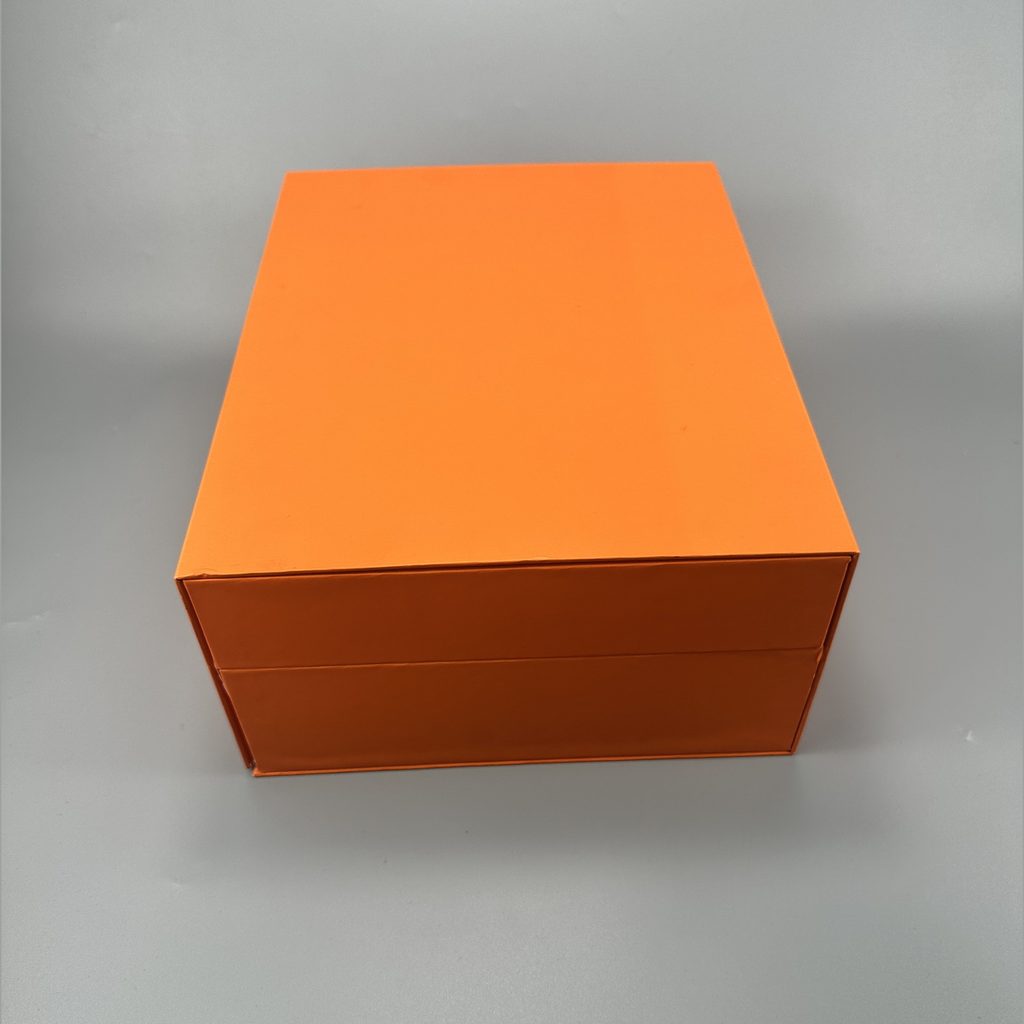
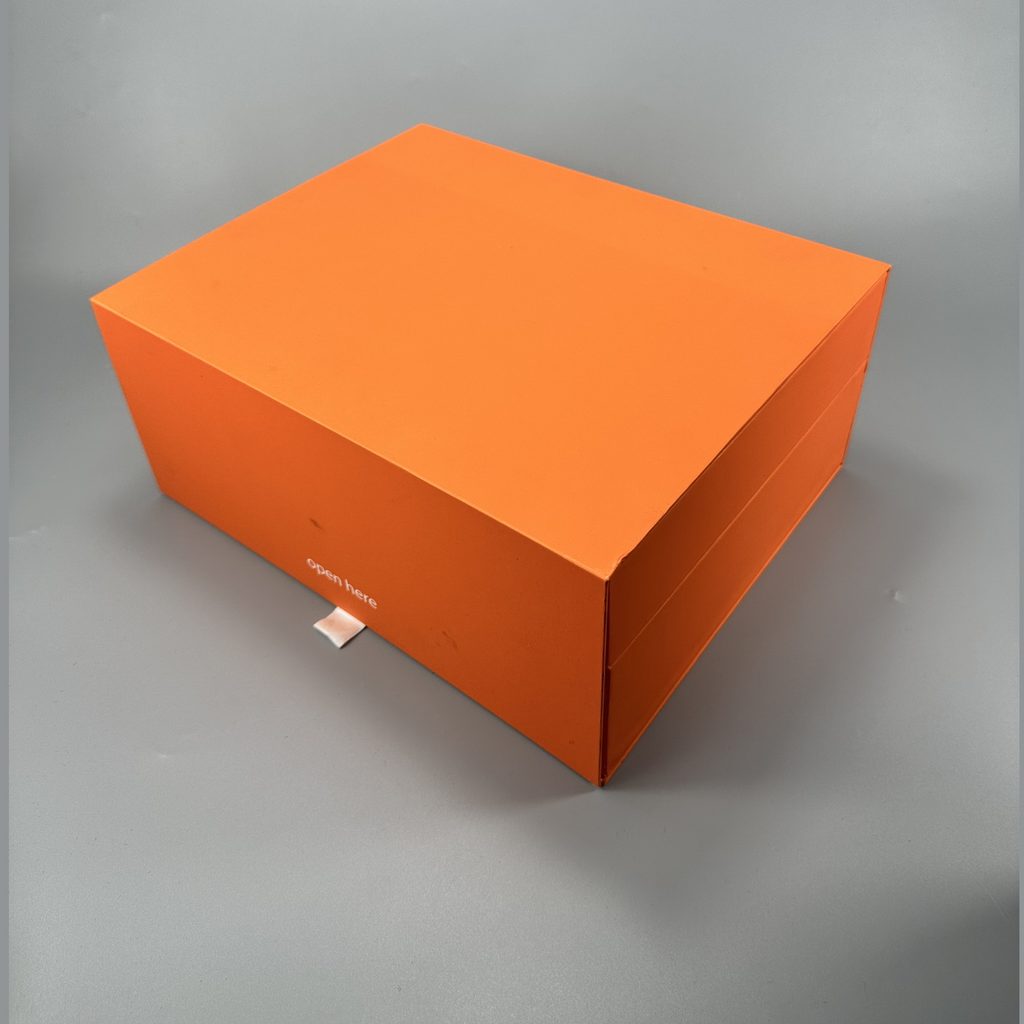
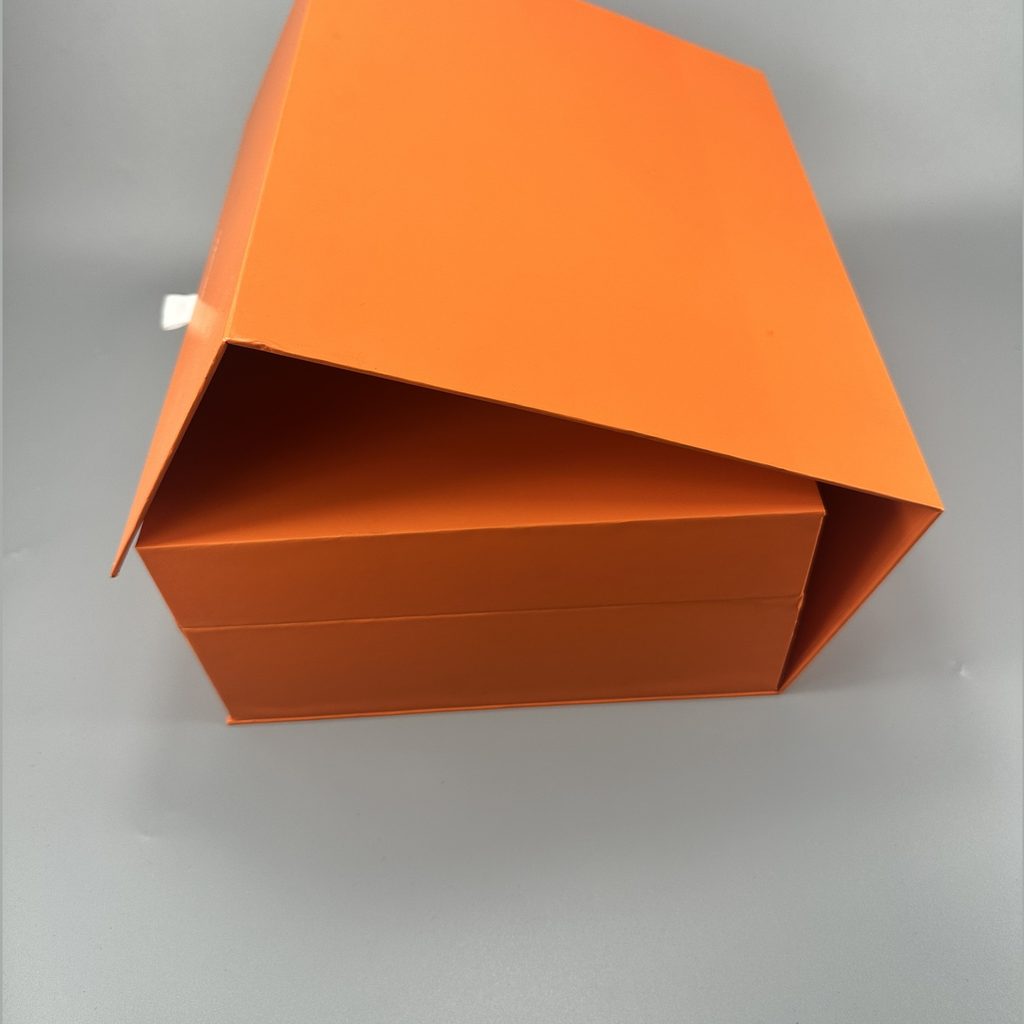
A drawer box, for example, includes an outer sleeve and an inner tray. One set of dimensions cannot fully specify both components.
Provide a labeled drawing showing:
– Opening direction.
– Length, width, and height.
– Internal and external measurement points.
– Separate component dimensions.
Six Reasons Custom Packaging Boxes Arrive in the Wrong Size
1. Incomplete Product Measurements
Catalog dimensions may exclude caps, pumps, labels, protective bags, or accessories.
Measure the product in its final packing configuration. For gift sets, evaluate the complete arrangement rather than adding individual product dimensions together.
Where products vary between batches, record the largest relevant measurements.
2. Material Thickness Changes
Board thickness affects usable space and structural behavior.
If external dimensions remain fixed while the board becomes thicker, internal space may decrease. Folding cartons can also behave differently when material thickness changes.
Approve the board and wrapping materials before final structural approval. Any substitution should trigger a fit review.
3. Inserts Consume Unplanned Space
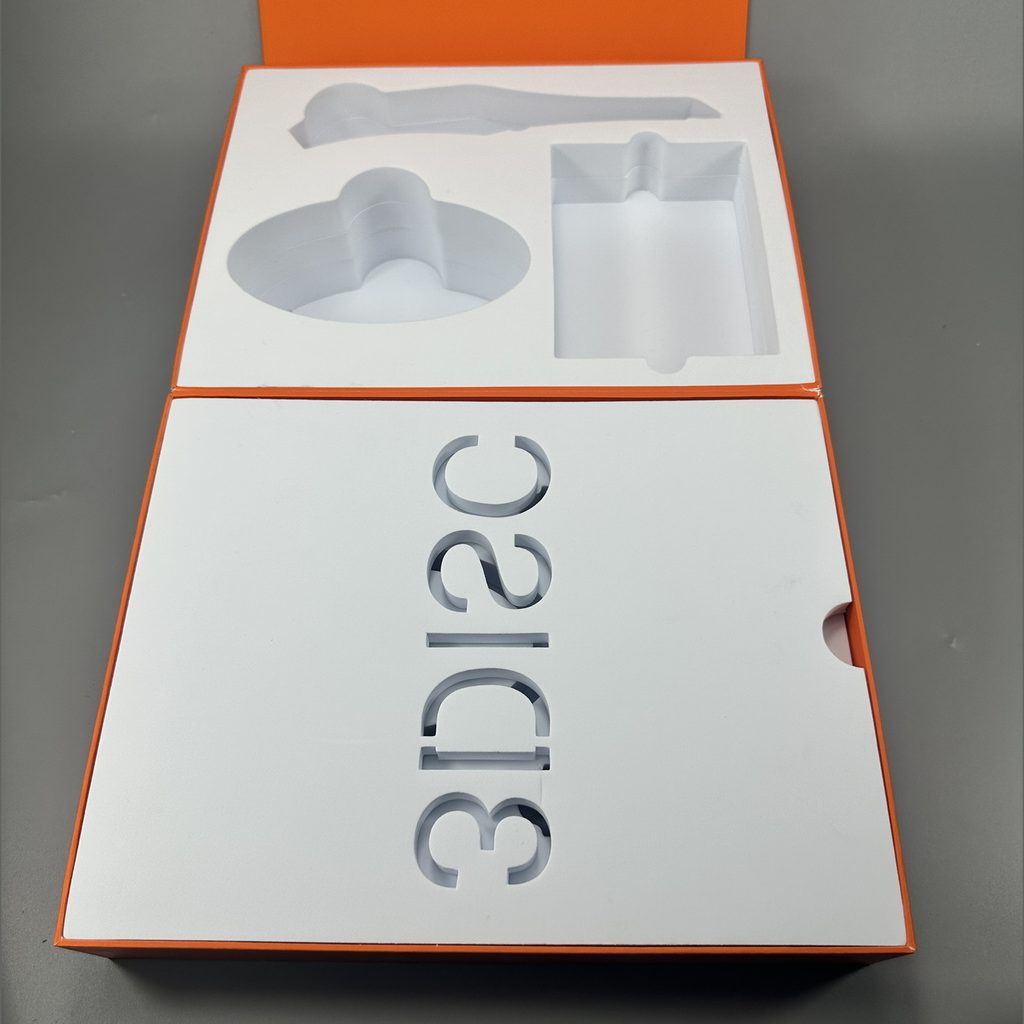
Paperboard dividers, molded pulp trays, and other inserts change the available cavity.
An insert may hold the product securely but raise it enough to obstruct the lid. A narrow opening may also make removal difficult.
Evaluate the product, insert, box, and closure as one system.
4. Outdated Drawings Reach Production
A dieline defines cutting and creasing features. Sizing errors can occur when different teams use different revisions.
Each approved structure should carry a drawing number, revision date, material specification, and sample reference.
Before manufacturing begins, confirm that the production setup matches the approved structural revision—not merely the latest artwork file.
5. Tolerances Were Never Agreed
A target dimension states the intended size. A tolerance defines acceptable variation.
There is no single tolerance suitable for every custom paper box. Requirements depend on construction, materials, manufacturing methods, and function.
Agree tolerances for critical features, then confirm that the permitted variation still allows the product to fit.
6. Assembly or Environmental Conditions Distort the Box
Incorrect folding, gluing, or alignment can change the finished geometry. A skewed box may provide less usable space even when individual panels appear correct.
Moisture exposure can also contribute to distortion in paper-based materials, while transit compression can damage corners.
However, environmental conditions should not automatically explain a consistent sizing discrepancy. Compare the shipment against approved specifications first.
How to Specify the Correct Custom Box Size
Measure the Complete Packed Product
Start with everything that must fit inside the packaging.
Include:
1. The product and its protruding features.
2. Protective wrapping.
3. Accessories and printed materials.
4. Inserts and dividers.
5. Loading and removal space.
6. Clearance beneath the closure.
The smallest possible box is not necessarily the best design. Packaging must also load efficiently and provide a comfortable unboxing experience.
Separate Clearance From Tolerance
Clearance is intentional space between components. Tolerance is permitted manufacturing variation.
Consider this illustrative width calculation:
| Measurement | Exemple |
|---|---|
| Maximum product width | 100.8 mm |
| Target internal cavity | 103.0 mm |
| Agreed cavity tolerance | ±1.0 mm |
| Minimum acceptable cavity | 102.0 mm |
| Remaining total clearance | 1.2 mm |
The 1.2 mm represents total clearance across the width, not clearance on each side.
These figures demonstrate the calculation, not a universal recommendation. Actual requirements depend on product shape, materials, inserts, and packing methods.
Approve a Complete Packaging Sample Before Production
Use Representative Materials
A structural sample can reveal dimensional problems early. However, substitute materials may not reproduce the final package accurately.
Before bulk production, verify fit using the intended construction and materials, or document any remaining differences.
Test Function, Not Just Measurements
A practical approval test should confirm that:
– The product loads without excessive force.
– The insert remains correctly positioned.
– The lid closes without interference.
– The product can be removed comfortably.
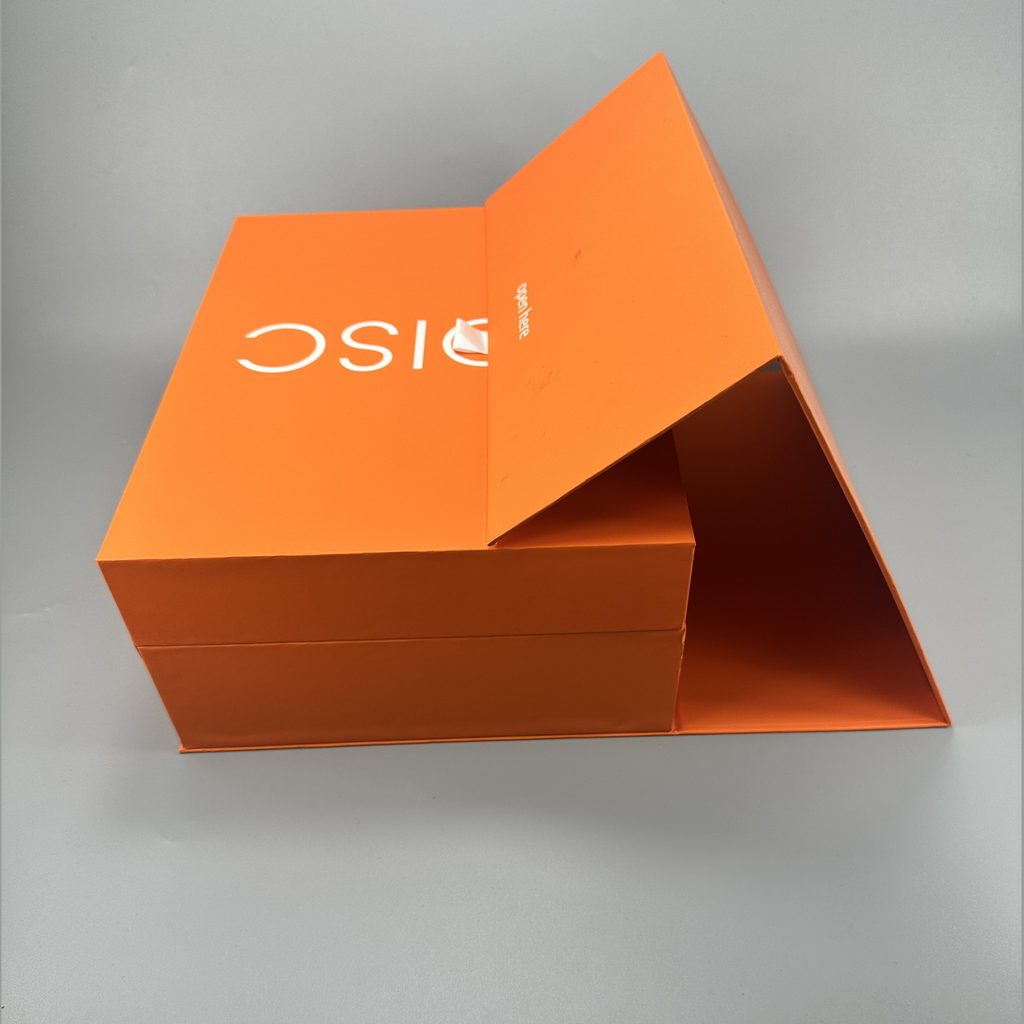
– Drawers and sleeves move appropriately.
Test representative products, especially when their dimensions vary.
Retain the approved physical sample alongside the controlled drawing. The drawing establishes measurable requirements; the sample communicates assembly and closure expectations.
What to Do When Wrong-Size Packaging Arrives
Document the Problem Before Modifying Stock
Separate affected units and preserve representative samples.
Collect the purchase order, approved drawing, sample details, material specifications, and photographs showing measurement locations.
Measure multiple units from different shipping cartons. One ruler photograph rarely establishes whether the problem affects an entire order.
Match the Investigation to the Symptoms
| Symptom | Investigation priority |
|---|---|
| Most boxes are consistently undersized | Dimension basis, drawing revision, tooling |
| Box matches specifications but product does not fit | Product variation, insert design, clearance |
| Only some boxes are skewed | Folding, gluing, assembly consistency |
| Corners are crushed or panels distorted | Transit damage and protective packing |
| Bulk order differs from the sample | Material changes and revision control |
Measure equivalent features under comparable conditions. Where moisture-related distortion is suspected, agree on conditioning and measurement procedures before comparing results.
Prevent Sizing Problems With Bonito Packaging
A clear manufacturing brief should identify the product, box style, dimension basis, materials, inserts, critical clearances, tolerances, and approved drawing revision.
As a source manufacturer of custom boxes and premium paper packaging, Bonito Packaging encourages buyers to resolve these details before production.
Send Bonito Packaging your product dimensions, preferred structure, insert requirements, and existing drawing or sample. Request a structural review and physical fit sample before approving your bulk order.
Questions fréquemment posées
1. Should I Specify Internal or External Box Dimensions?
Specify internal dimensions for product fit. Include external dimensions when shipping, storage, or display limits also matter.
2. How Much Extra Space Should My Custom Box Have?
There is no universal allowance. Clearance depends on product variation, protective materials, inserts, and loading requirements. Validate it with a sample.
3. Can Thicker Board Make a Box Too Small?
Yes. Depending on construction and which dimensions remain fixed, thicker board can reduce internal space or affect closure.
4. Why Does the Sample Fit but the Bulk Order Does Not?
Possible causes include material substitutions, outdated drawings, assembly variation, or differences between sampled and production products.
5. Can Humidity Cause Packaging Fit Problems?
Moisture can contribute to distortion. However, significant discrepancies still require comparison with approved drawings and manufacturing records.
References
1. [FEFCO — Technical Description: Packaging Dimensions]. Explains internal dimensions and measurement orientation.
2. [FEFCO — International Fibreboard Case Code]. Provides structural classifications and dimensional conventions.
3. [TAPPI — Standards Subject Index]. Lists testing methods covering paper thickness, box dimensions, and conditioning.
4. [Applied Paper Technology — Paper Testing]. Discusses moisture measurement and environmental conditioning.
5. [TAPPI — Corrugating International, Fall 2007]. Discusses moisture, warping, scoring, and converting effects in corrugated production.
 English
 Spanish
 French
 German
 Russian
 Japanese
 Portuguese
 Arabic